Mosque of Mariyam Zamani Begum things to do, attractions, restaurants, events info and trip planning
Basic Info
Mosque of Mariyam Zamani Begum
H8P9+V46, Fort Rd, Walled City of Lahore, Lahore, Pakistan
4.7(157)
Open 24 hours
Save
spot
spot
Ratings & Description
Info
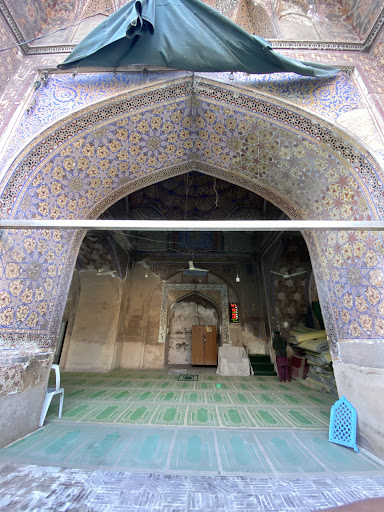
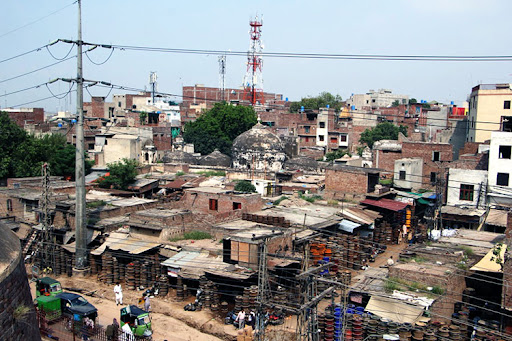
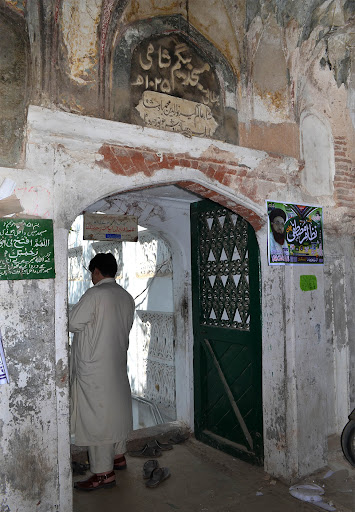
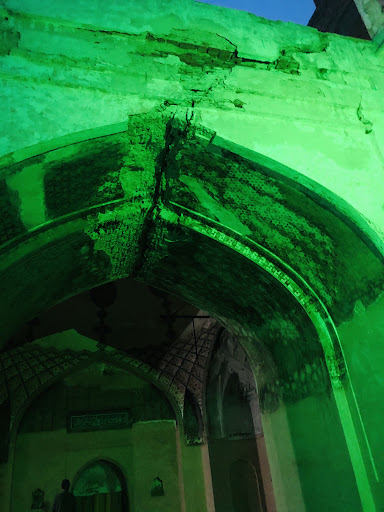
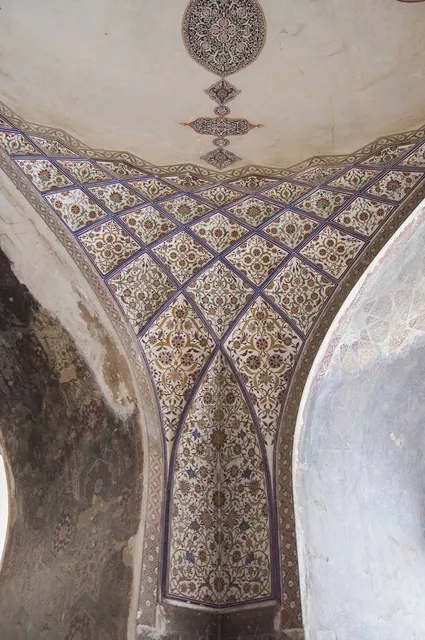
Begum Shahi Mosque, officially The Mosque of Mariyam Zamani Begum, is an early 17th-century mosque situated in the Walled City of Lahore, Punjab, Pakistan. Constructed by Mughal Empress Mariam-uz-Zamani, chief consort of Emperor Akbar, it is one of the largest mosques in Pakistan.
Cultural
Scenic
Family friendly
Accessibility
attractions: Lahore Fort, Kashmiri Gate, Moti Masjid, Haveli Barood Khana, Lahore Fort Park, Jahangir's Quadrangle, Sunehri Masjid, Sheesh Mahal Lahore, Wazir Khan Mosque, Hazuri Bagh, restaurants: Fazal Din Phajja Siri Paye - Since 1953, Cooco's Den, Fort Vista (Eatery & Lodges), Tara Bong Paye Gumti Bazar, Riwaj Restaurant, Junoon Heritage Restaurant, New Zaiqa Restaurant, Andaaz Restaurant, Lahore Biryani & Chicken Roast, Shahi Bawarchikhana, local businesses: Masjid Wazeer Khan, Tomb of Allama Iqbal, Lahore Guided Tours, Food Street Fort Road, Samadhi of Maharaja Ranjit Singh Ji, National Bara Market
 Learn more insights from Wanderboat AI.
Phone
+92 302 5095977
Plan your stay

Pet-friendly Hotels in Lahore City Tehsil
Find a cozy hotel nearby and make it a full experience.

Affordable Hotels in Lahore City Tehsil
Find a cozy hotel nearby and make it a full experience.

The Coolest Hotels You Haven't Heard Of (Yet)
Find a cozy hotel nearby and make it a full experience.

Trending Stays Worth the Hype in Lahore City Tehsil
Find a cozy hotel nearby and make it a full experience.
Reviews
Live events

MakerBuddy Workshop, Simplifying STEM Learning with Hardware
Sat, Jan 31 • 9:00 AM
Co. For Good - Coworking Spaces, 4A R Block Rd, Johar Block R Phase 2 Town, Lahore, Pakistan
View details
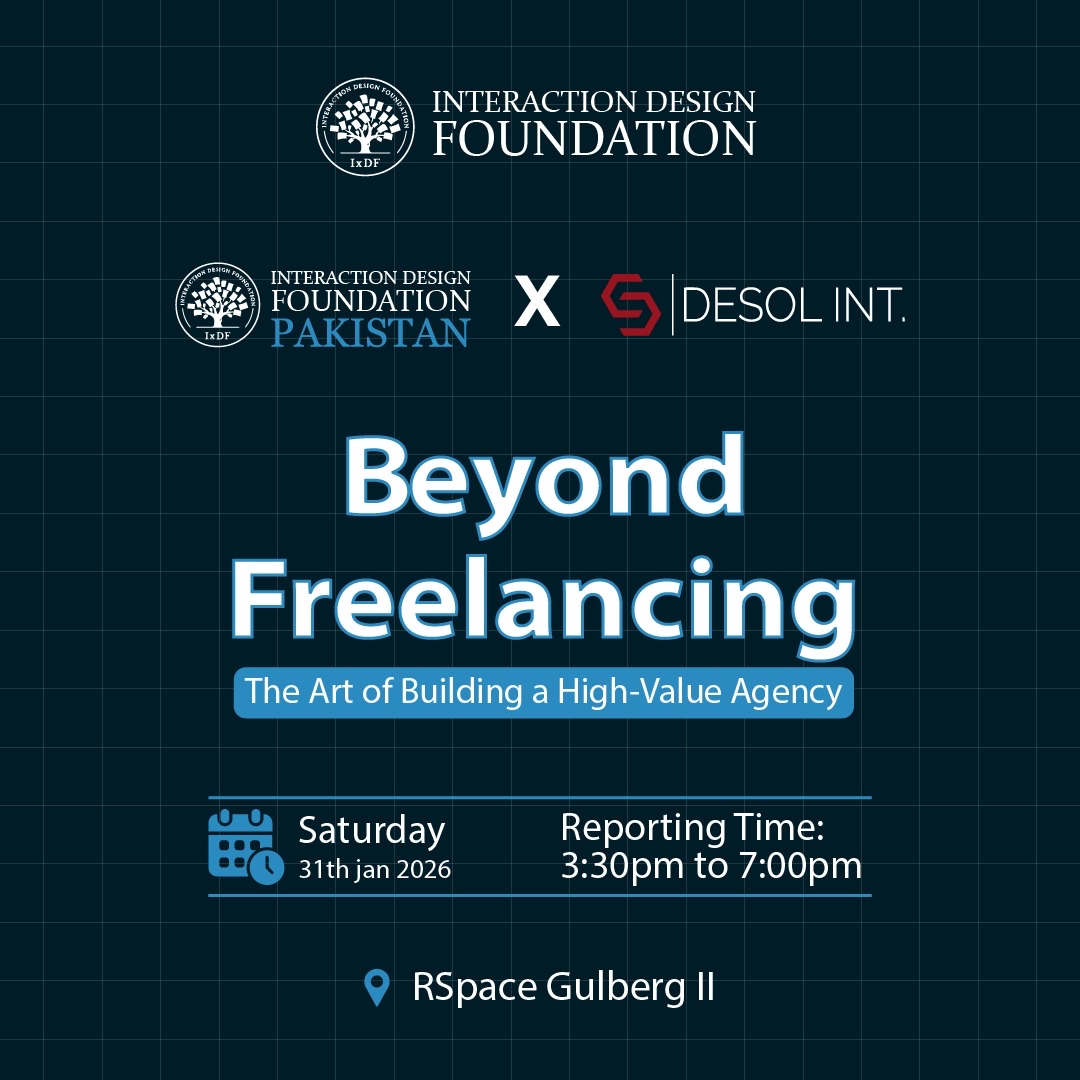
Beyond Freelancing
Sat, Jan 31 • 10:30 AM
Rspace, GTC 1st Floor , 8-F, Block G Gulberg 2, Lahore, Pakistan
View details
Nearby attractions of Mosque of Mariyam Zamani Begum
Lahore Fort
Kashmiri Gate
Moti Masjid
Haveli Barood Khana
Lahore Fort Park
Jahangir's Quadrangle
Sunehri Masjid
Sheesh Mahal Lahore
Wazir Khan Mosque
Hazuri Bagh
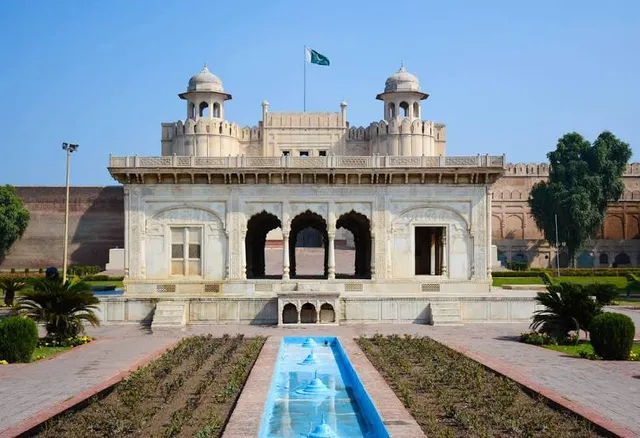
Lahore Fort
4.6
(9.5K)
Closed
Click for details
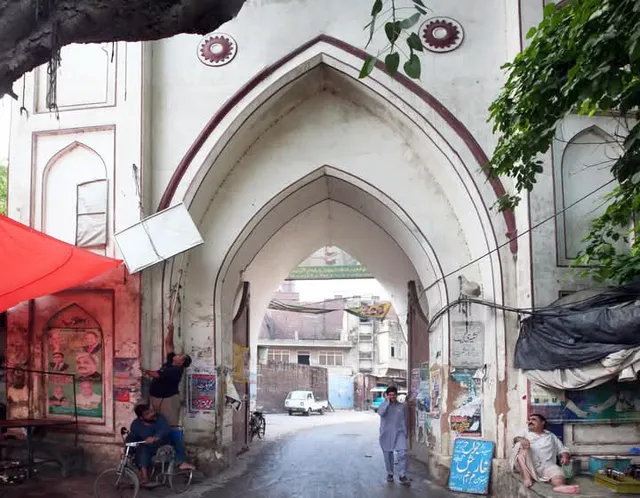
Kashmiri Gate
4.5
(413)
Open until 12:00 AM
Click for details
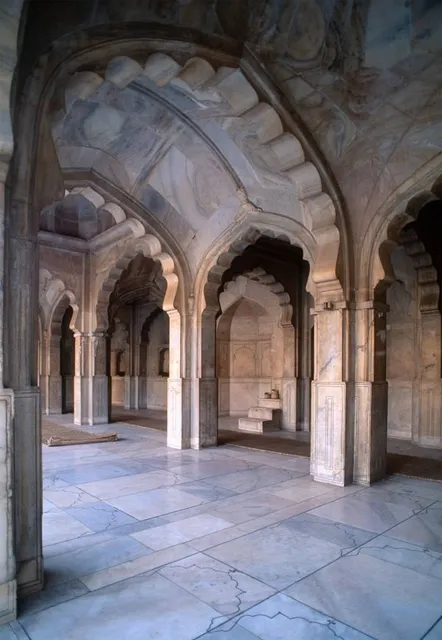
Moti Masjid
4.7
(522)
Open 24 hours
Click for details
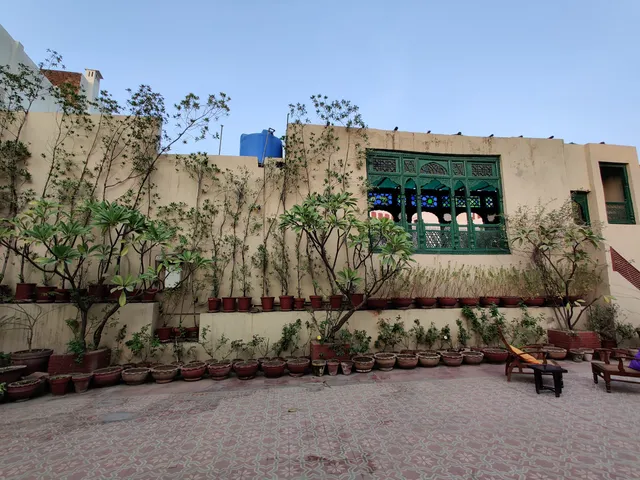
Haveli Barood Khana
4.6
(405)
Closed
Click for details
Nearby restaurants of Mosque of Mariyam Zamani Begum
Fazal Din Phajja Siri Paye - Since 1953
Cooco's Den
Fort Vista (Eatery & Lodges)
Tara Bong Paye Gumti Bazar
Riwaj Restaurant
Junoon Heritage Restaurant
New Zaiqa Restaurant
Andaaz Restaurant
Lahore Biryani & Chicken Roast
Shahi Bawarchikhana
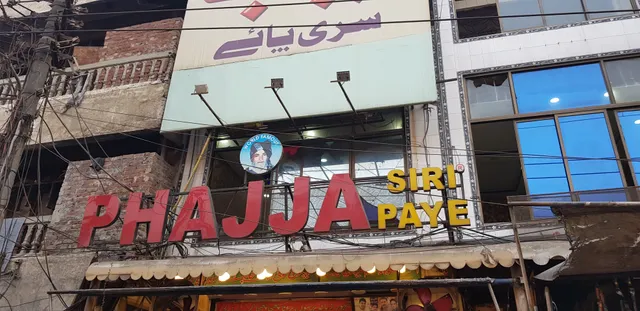
Fazal Din Phajja Siri Paye - Since 1953
3.9
(2.2K)
Open until 12:00 AM
Click for details
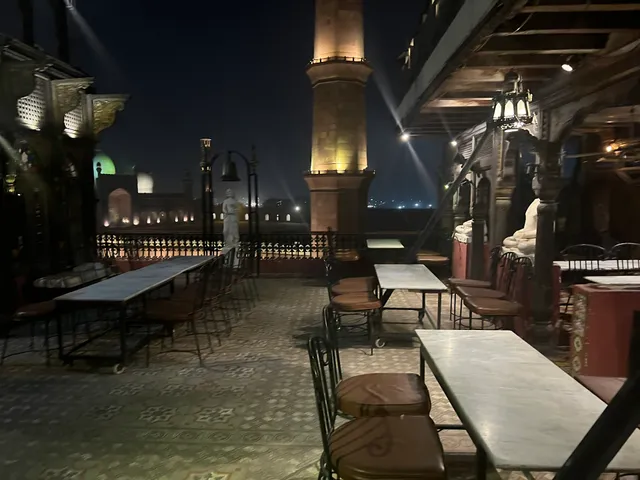
Cooco's Den
3.8
(1.4K)
$$$
Open until 1:00 AM
Click for details
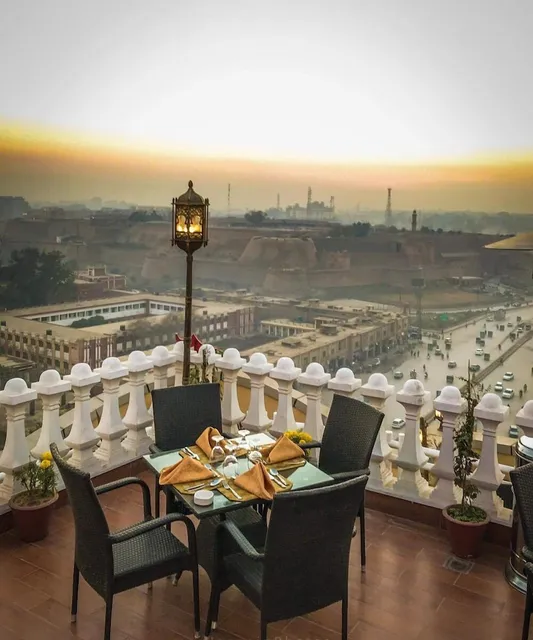
Fort Vista (Eatery & Lodges)
4.4
(733)
$$
Open until 1:00 AM
Click for details
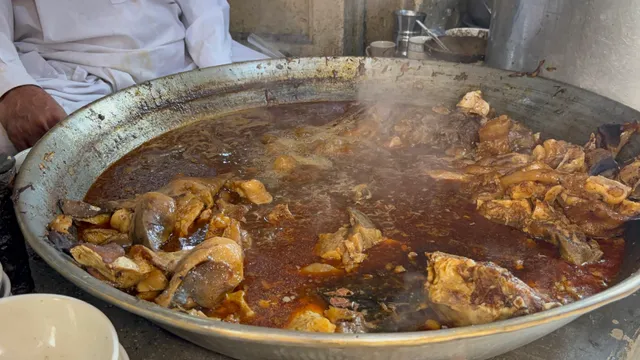
Tara Bong Paye Gumti Bazar
4.1
(254)
Closed
Click for details
Nearby local services of Mosque of Mariyam Zamani Begum
Masjid Wazeer Khan
Tomb of Allama Iqbal
Lahore Guided Tours
Food Street Fort Road
Samadhi of Maharaja Ranjit Singh Ji
National Bara Market
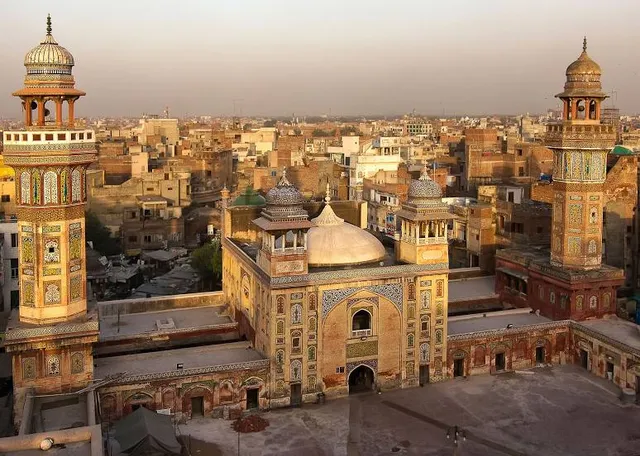
Masjid Wazeer Khan
4.8
(4K)
Click for details

Tomb of Allama Iqbal
4.8
(269)
Click for details
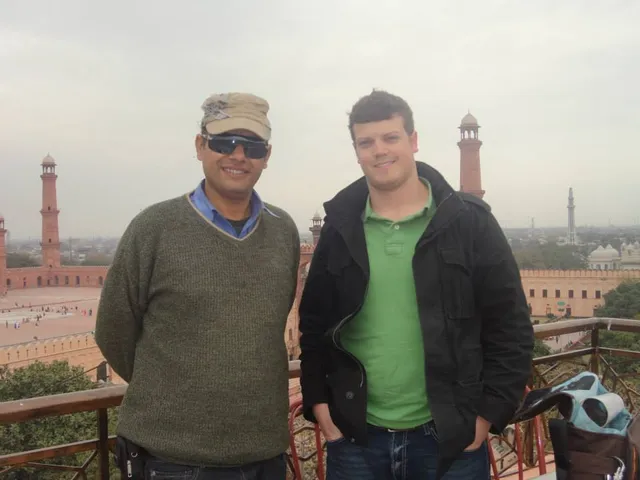
Lahore Guided Tours
4.9
(95)
Click for details
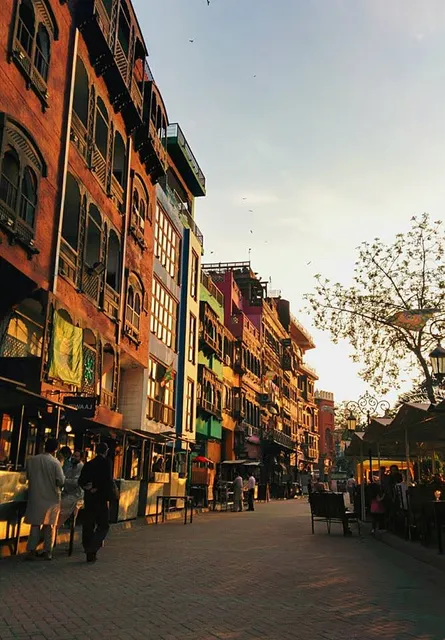
Food Street Fort Road
4.6
(212)
Click for details