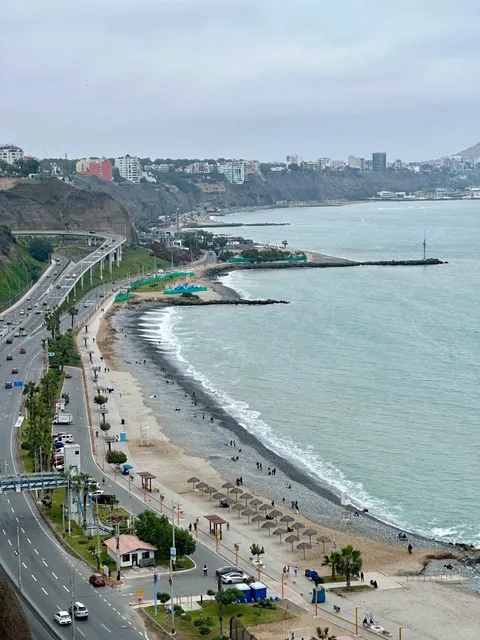
National Museum of the Archaeology, Anthropology, and History of Peru, Lima things to do, attractions, restaurants, events info and trip planning
PeruLimaLima Metropolitan AreaNational Museum of the Archaeology, Anthropology, and History of Peru, Lima
Basic Info
National Museum of the Archaeology, Anthropology, and History of Peru, Lima
C. Pl. Bolívar, Pueblo Libre 15084, Peru
4.5(1.8K)
Closed

tickets
Save
spot
spot
Ratings & Description
Info
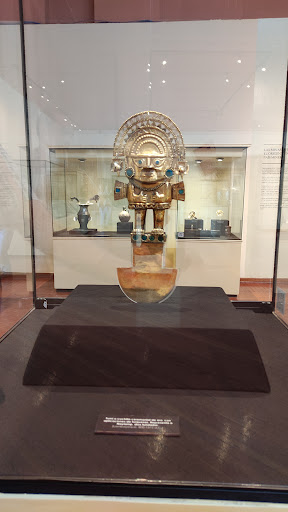
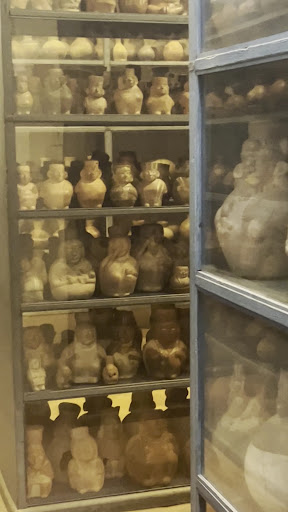
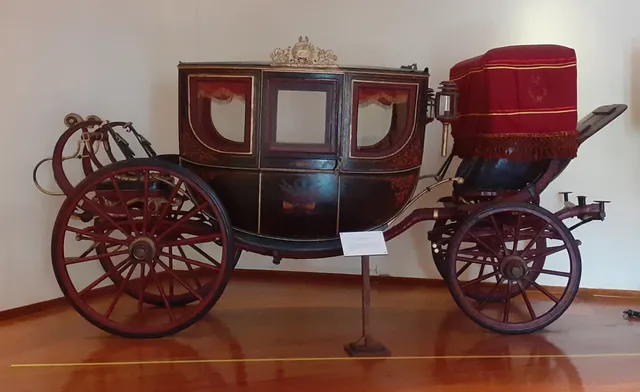
The Museo Nacional de Arqueología Antropología e Historia del Perú is the largest and oldest museum in Peru, located on Plaza Bolívar in the Pueblo Libre district of Lima. The museum houses more than 100,000 artifacts spanning the entire history of human occupation in what is now Peru.
Cultural
Educational
Accessibility
attractions: October 3, Pueblo Libre Skateplaza, Parque Candamo, restaurants: Antigua Taberna Queirolo, Quinta Bolívar, Master Kong Pueblo Libre, La Taberna De Franco Q., JOVA de Carlos Acuna - Cocina Peruana y Fusión, Señor Pesca'o oficial, Chicharrones Don Lucho, La Panera Café, Barra Grill 10 Soles, D'Julia Vivanco, local businesses: Iglesia Alianza Cristiana y Misionera Pueblo Libre, Parque El Carmen, Luckia, Gran Mercado Artesanal, Tesoros del Inca
 Learn more insights from Wanderboat AI.
Phone
+51 1 3215630
Website
mnaahp.cultura.pe
Open hoursSee all hours
Thu9 AM - 7:30 PMClosed
Plan your stay

Pet-friendly Hotels in Lima Metropolitan Area
Find a cozy hotel nearby and make it a full experience.

Affordable Hotels in Lima Metropolitan Area
Find a cozy hotel nearby and make it a full experience.

The Coolest Hotels You Haven't Heard Of (Yet)
Find a cozy hotel nearby and make it a full experience.

Trending Stays Worth the Hype in Lima Metropolitan Area
Find a cozy hotel nearby and make it a full experience.
Reviews
Live events
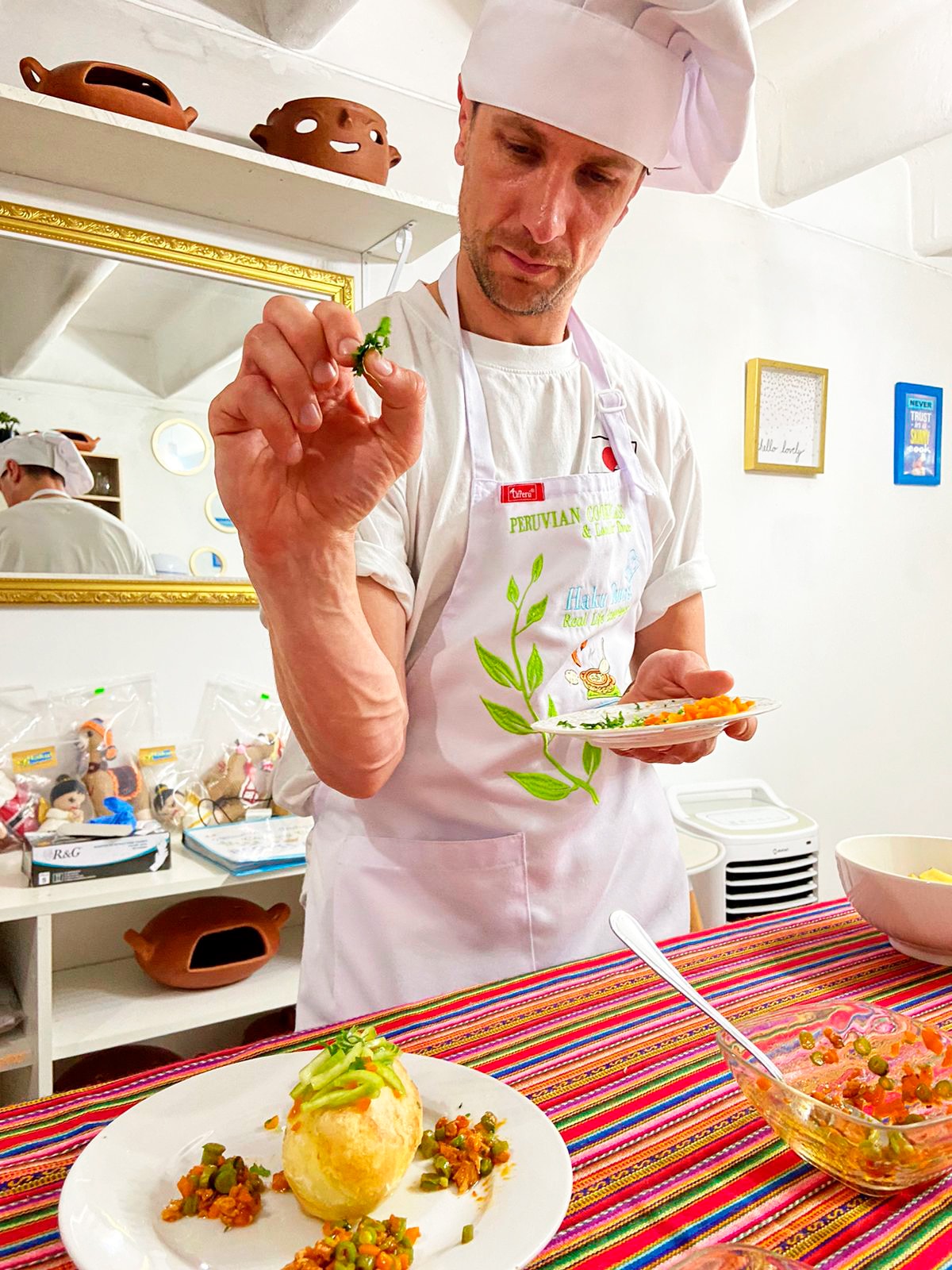
Peruvian Cooking Class & Local Market Tour
Fri, Feb 20 • 8:30 AM
Miraflores, 15074, Lima Province, Peru
View details
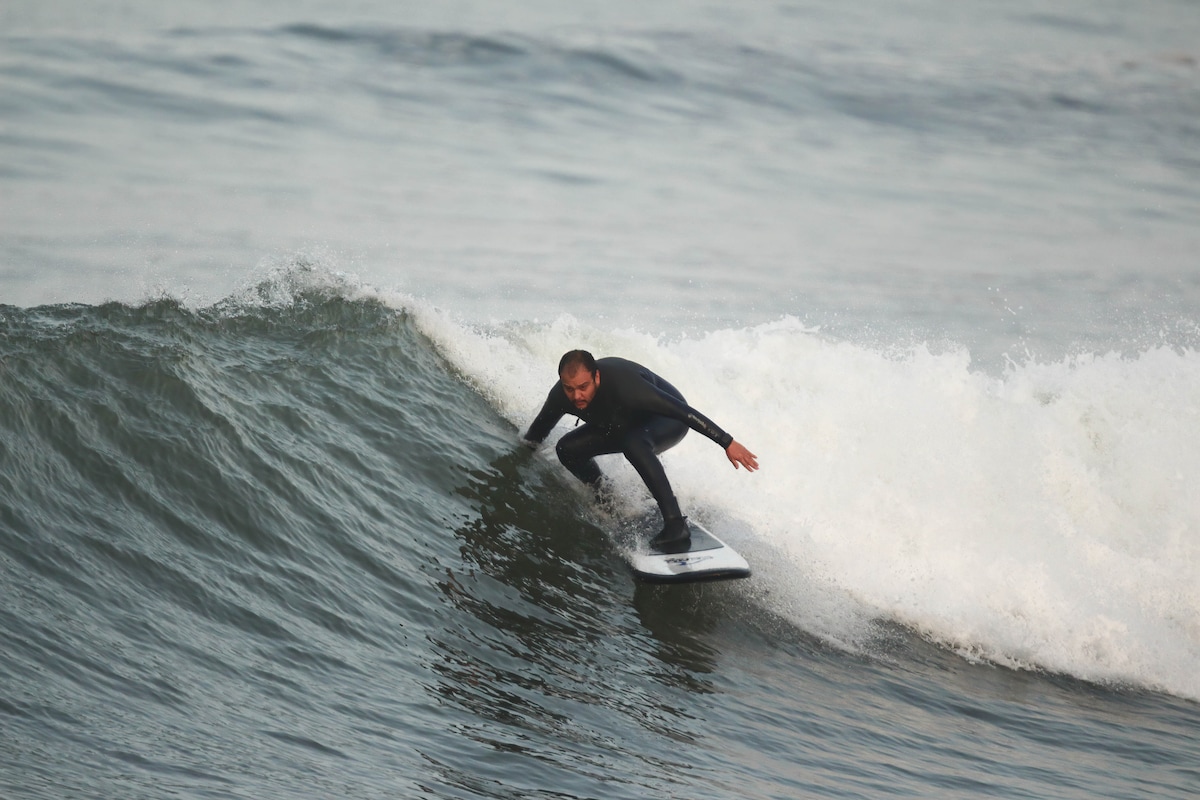
Private Surf Lessons - Lima Míraflores Peru
Fri, Feb 20 • 6:00 AM
Miraflores, Lima 18, Lima Province, Peru
View details
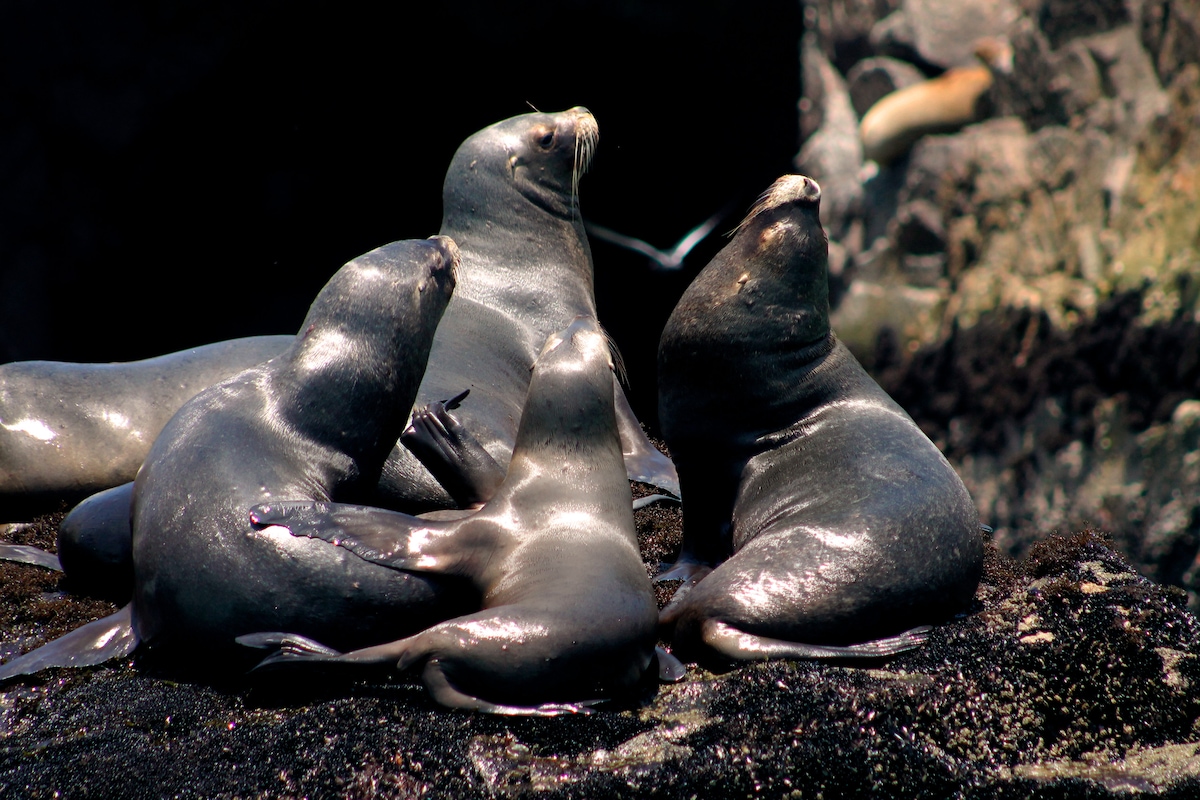
Swim with sea lions in Callao
Fri, Feb 20 • 10:00 AM
Callao, 07021, Callao Region, Peru
View details
Nearby attractions of National Museum of the Archaeology, Anthropology, and History of Peru, Lima
October 3
Pueblo Libre Skateplaza
Parque Candamo
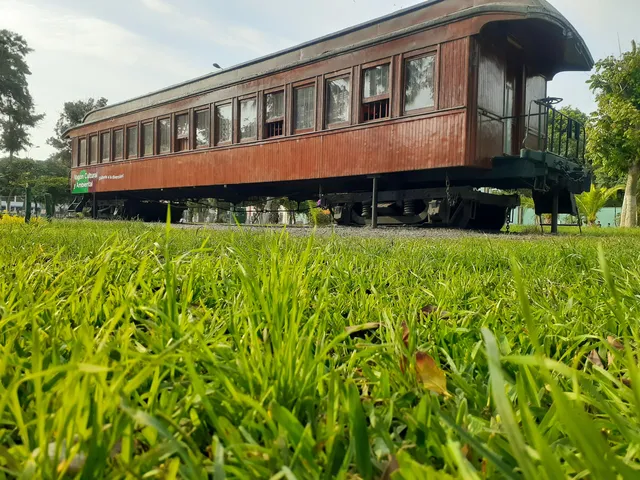
October 3
4.2
(1.3K)
Open until 12:00 AM
Click for details
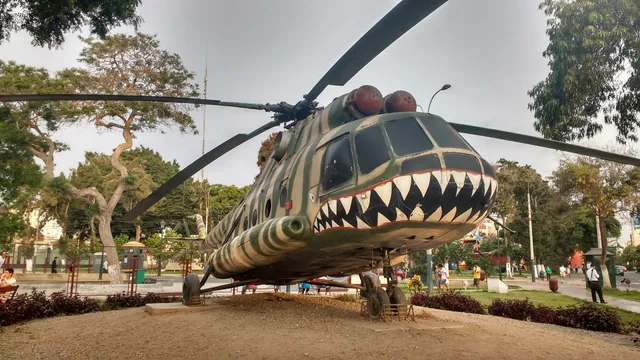
Pueblo Libre Skateplaza
4.2
(197)
Closed
Click for details
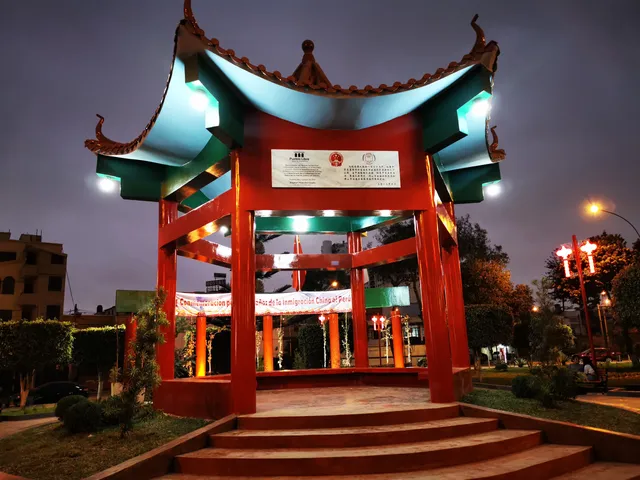
Parque Candamo
4.3
(1.1K)
Open until 12:00 AM
Click for details
Nearby restaurants of National Museum of the Archaeology, Anthropology, and History of Peru, Lima
Antigua Taberna Queirolo
Quinta Bolívar
Master Kong Pueblo Libre
La Taberna De Franco Q.
JOVA de Carlos Acuna - Cocina Peruana y Fusión
Señor Pesca'o oficial
Chicharrones Don Lucho
La Panera Café
Barra Grill 10 Soles
D'Julia Vivanco
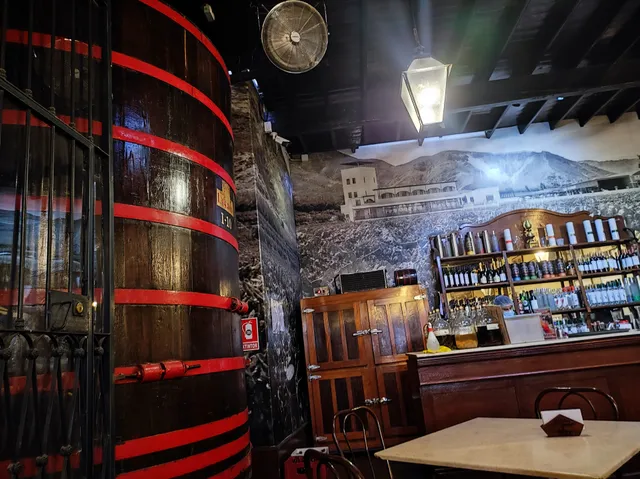
Antigua Taberna Queirolo
4.5
(4.9K)
Open until 11:00 PM
Click for details
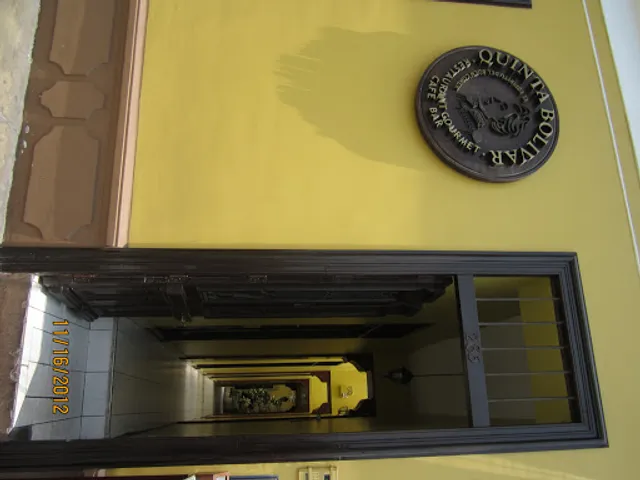
Quinta Bolívar
4.3
(1.4K)
$$
Open until 2:00 AM
Click for details
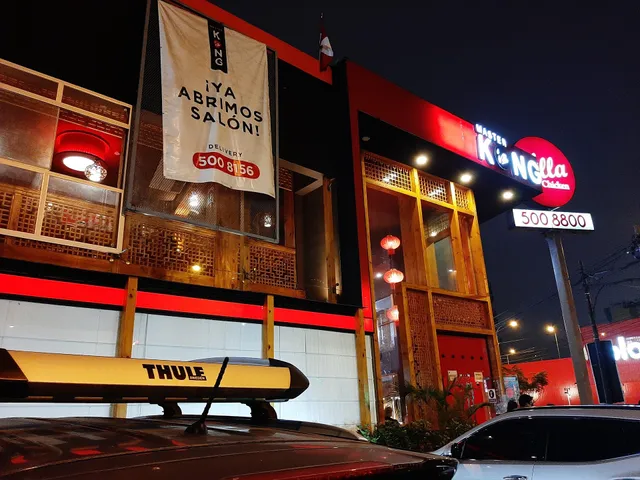
Master Kong Pueblo Libre
4.6
(2K)
$$
Open until 11:00 PM
Click for details
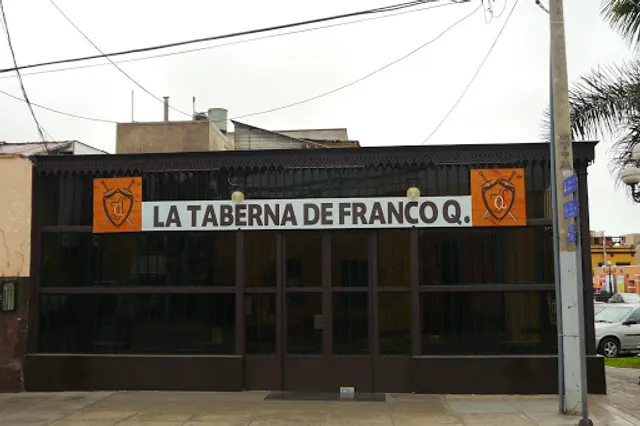
La Taberna De Franco Q.
4.2
(211)
$
Open until 11:30 PM
Click for details
Nearby local services of National Museum of the Archaeology, Anthropology, and History of Peru, Lima
Iglesia Alianza Cristiana y Misionera Pueblo Libre
Parque El Carmen
Luckia
Gran Mercado Artesanal, Tesoros del Inca
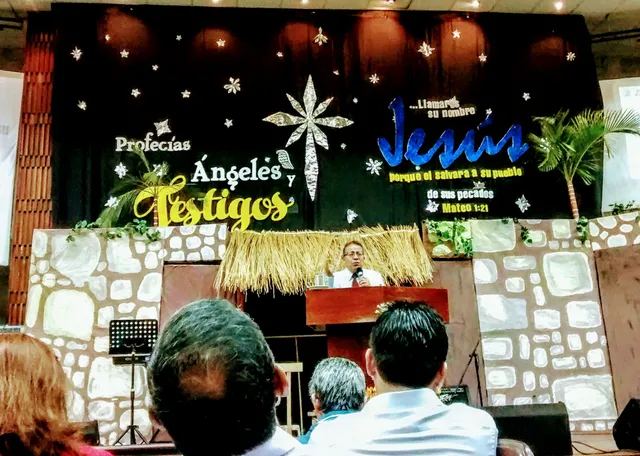
Iglesia Alianza Cristiana y Misionera Pueblo Libre
4.7
(176)
Click for details
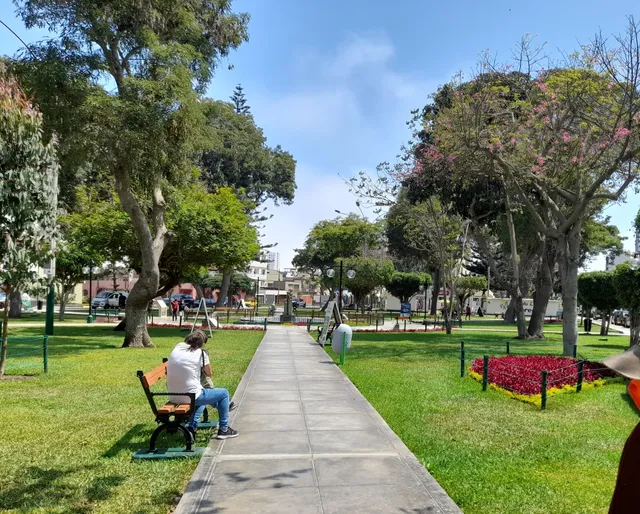
Parque El Carmen
4.3
(1.1K)
Click for details
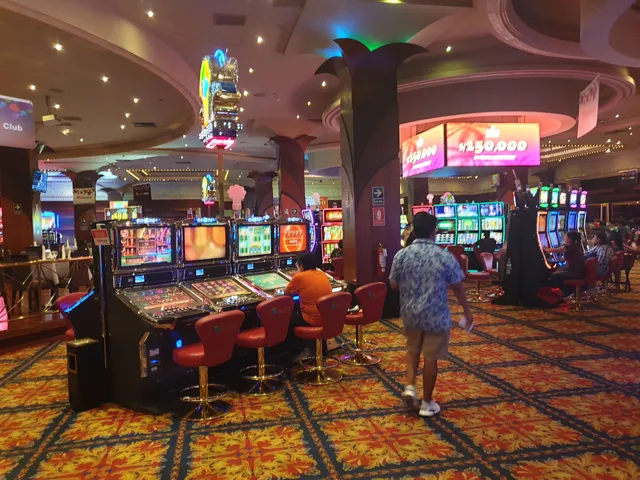
Luckia
4.1
(511)
Click for details
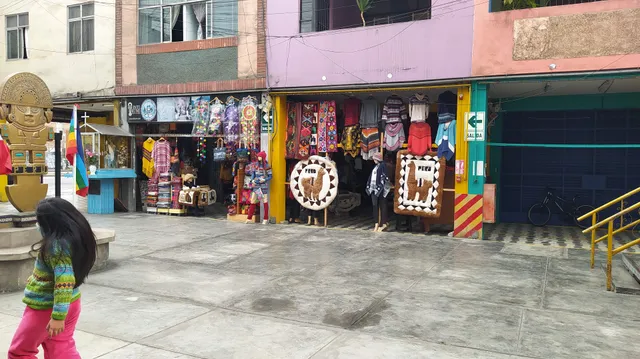
Gran Mercado Artesanal, Tesoros del Inca
4.2
(470)
Click for details