Minor Basilica of San Sebastian things to do, attractions, restaurants, events info and trip planning
Basic Info
Minor Basilica of San Sebastian
Pasaje del Carmen St, Quiapo, Manila, 1001 Metro Manila, Philippines
4.7(748)
Open until 12:00 PM
Save
spot
spot
Ratings & Description
Info
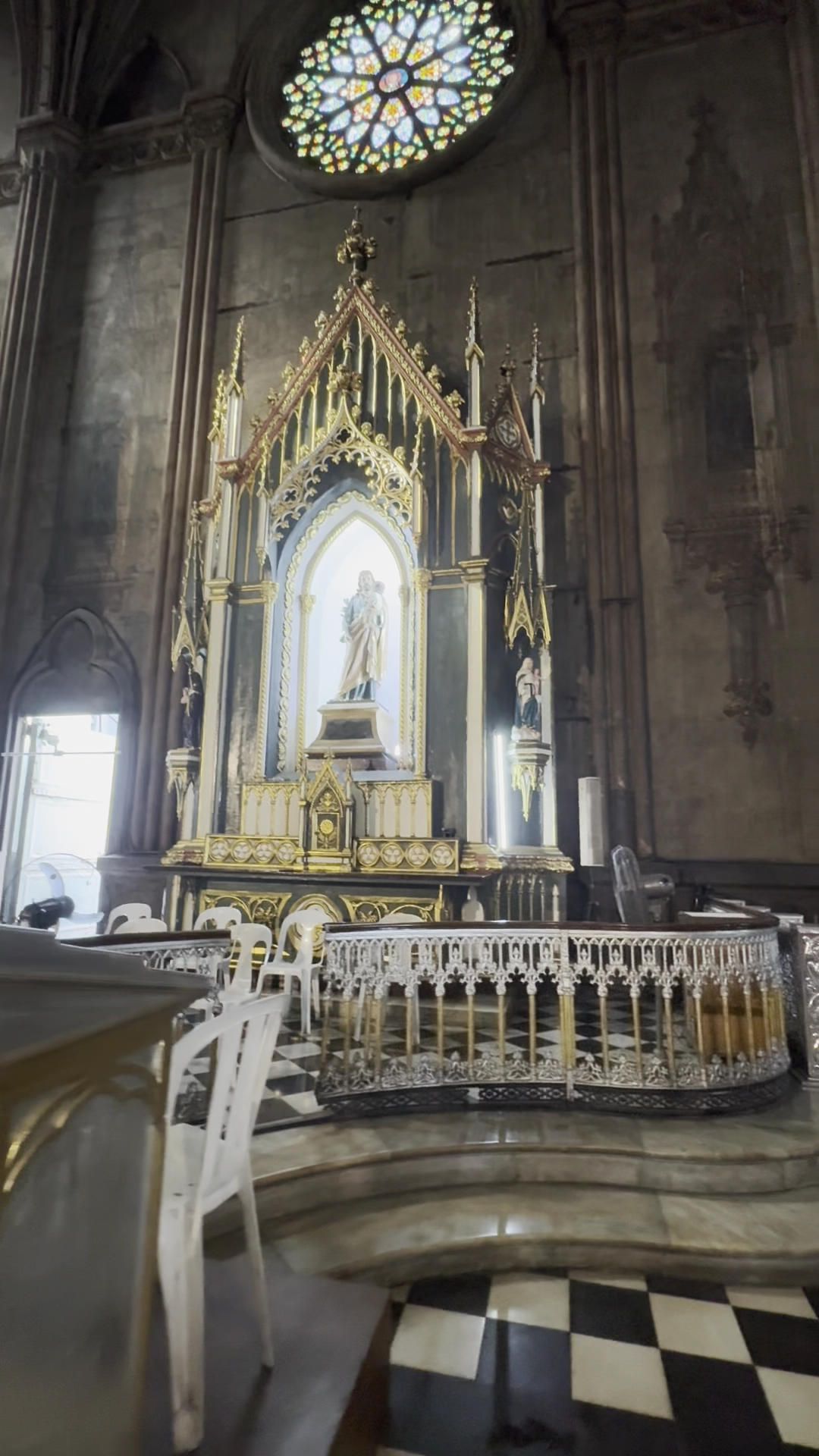
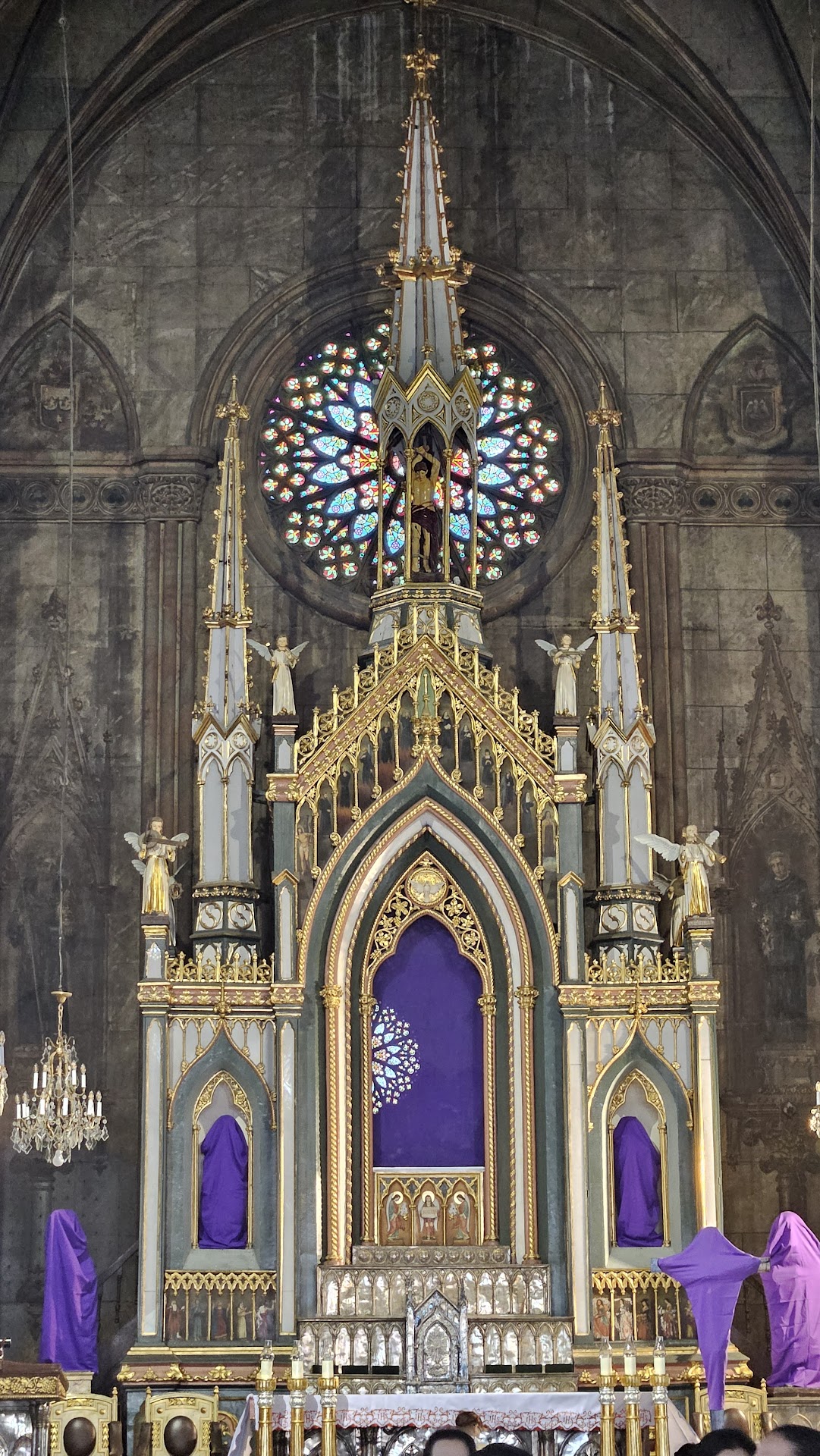
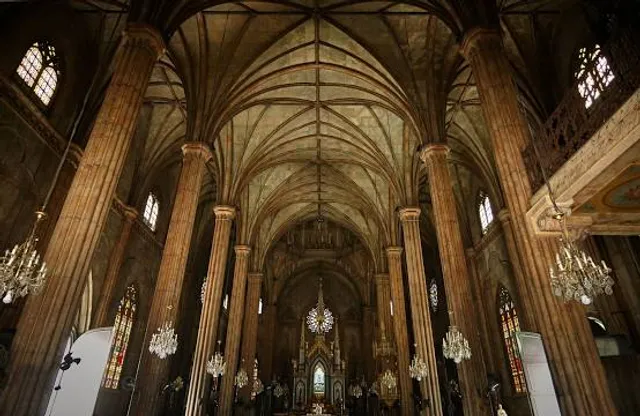
The Minor Basilica of San Sebastian, better known as San Sebastian Church or San Sebastian Basilica, is a minor basilica of the Roman Catholic Church in Manila, Philippines. It is the church of the Parish of San Sebastian, and also a Shrine of Nuestra Senora del Monte Carmelo, or Our Lady of Mount Carmel.
Cultural
Scenic
Family friendly
Accessibility
attractions: Centro Escolar University, Minor Basilica of the Black Nazarene, Benedictine Abbey of Our Lady of Montserrat (Archdiocese of Manila), Masjid Al-Dahab (Manila Golden Mosque and Cultural Center), Luneta carpark, Malacañang Palace, Archdiocesan Shrine of the Blessed Sacrament - Santa Cruz, Manila City (Archdiocese of Manila), Arroceros Forest Park, Carriedo Fountain, Goldenberg Mansion, restaurants: Angel's Pizza - San Sebastian, Caffeine Express, McDonald's Lepanto, Hot-Star Large Fried Chicken, The Coffee Bean & Tea Leaf, Jollibee Legarda Bustillos, D' Cream Coffee & Tea, McDonald's Morayta, Oh My Chicken! (Recto Branch), McDonald's Mendiola, local businesses: PSPCA, Plaza Miranda, Bahay Nakpil-Bautista, National Shrine of Saint Jude Thaddeus - San Miguel, Manila City (Archdiocese of Manila), Quinta Market & Fish Port, National Shrine of Saint Michael and the Archangels (Archdiocese of Manila), Abby's Paws n' Play Pet Care Services, The ONE Santo Tomas, Medway cars, Ayala Bridge
 Learn more insights from Wanderboat AI.
Phone
+63 998 951 6484
Website
facebook.com
Open hoursSee all hours
Wed9 AM - 12 PM, 2 - 6 PMOpen
Plan your stay

Pet-friendly Hotels in Manila
Find a cozy hotel nearby and make it a full experience.

Affordable Hotels in Manila
Find a cozy hotel nearby and make it a full experience.

The Coolest Hotels You Haven't Heard Of (Yet)
Find a cozy hotel nearby and make it a full experience.

Trending Stays Worth the Hype in Manila
Find a cozy hotel nearby and make it a full experience.
Reviews
Live events
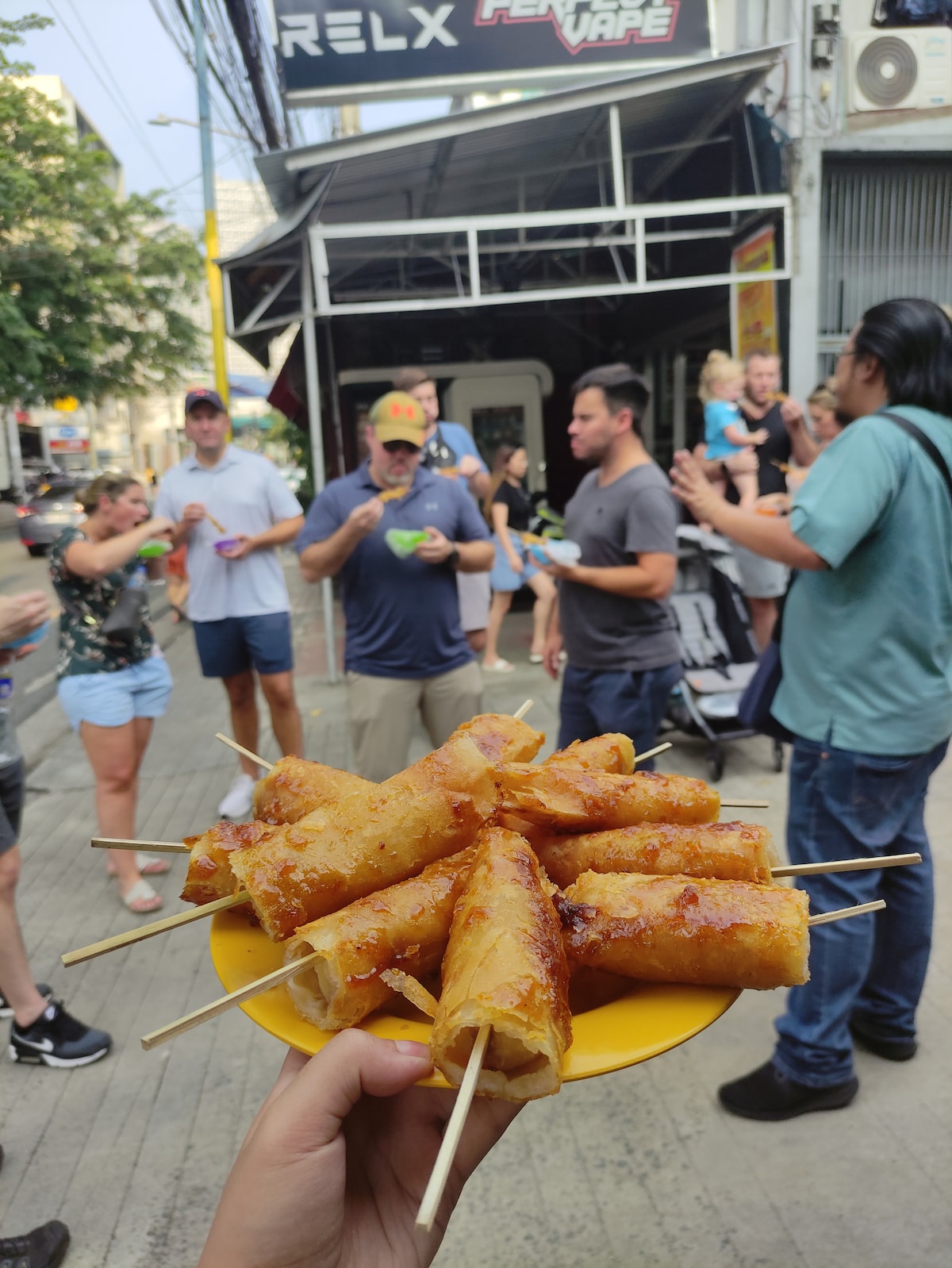
Taste Filipino Neighborhood Street Food
Fri, Feb 27 • 3:00 PM
Mandaluyong, 1550, Metro Manila, Philippines
View details
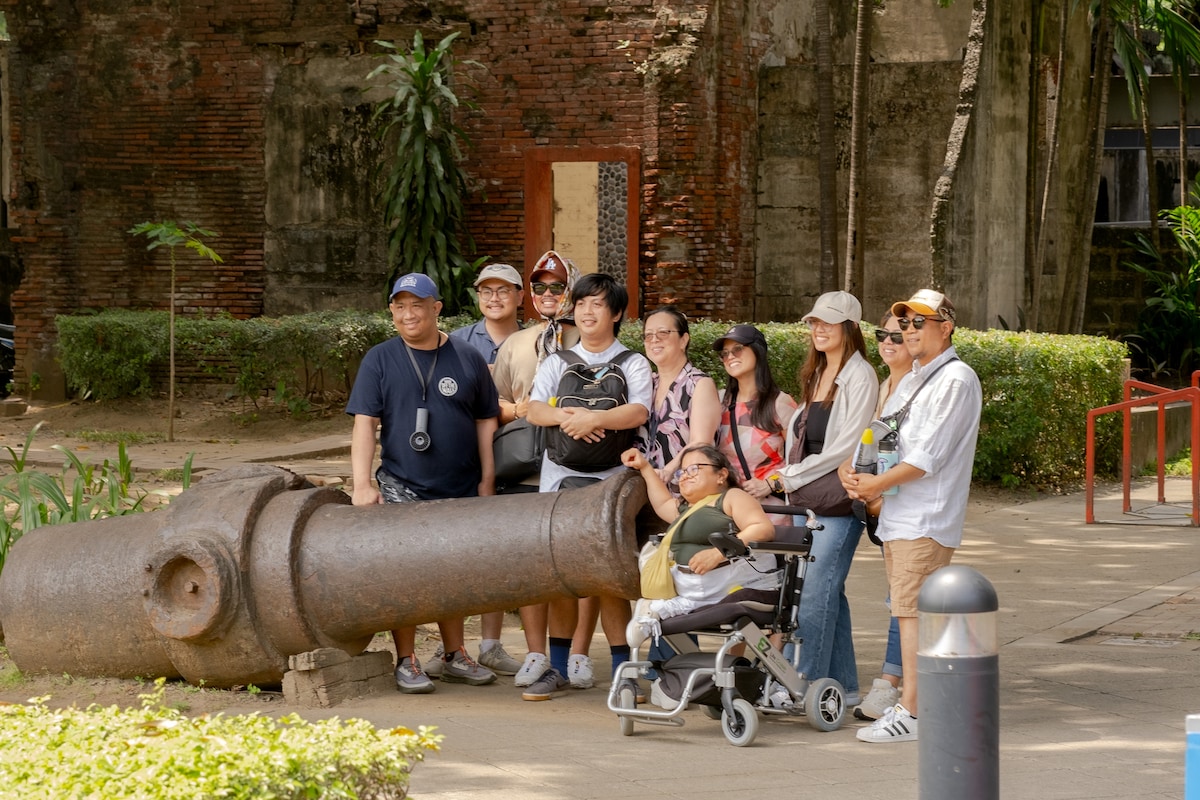
Explore Intramuros with Local Guide
Wed, Feb 25 • 9:00 AM
Manila, 1002, Metro Manila, Philippines
View details
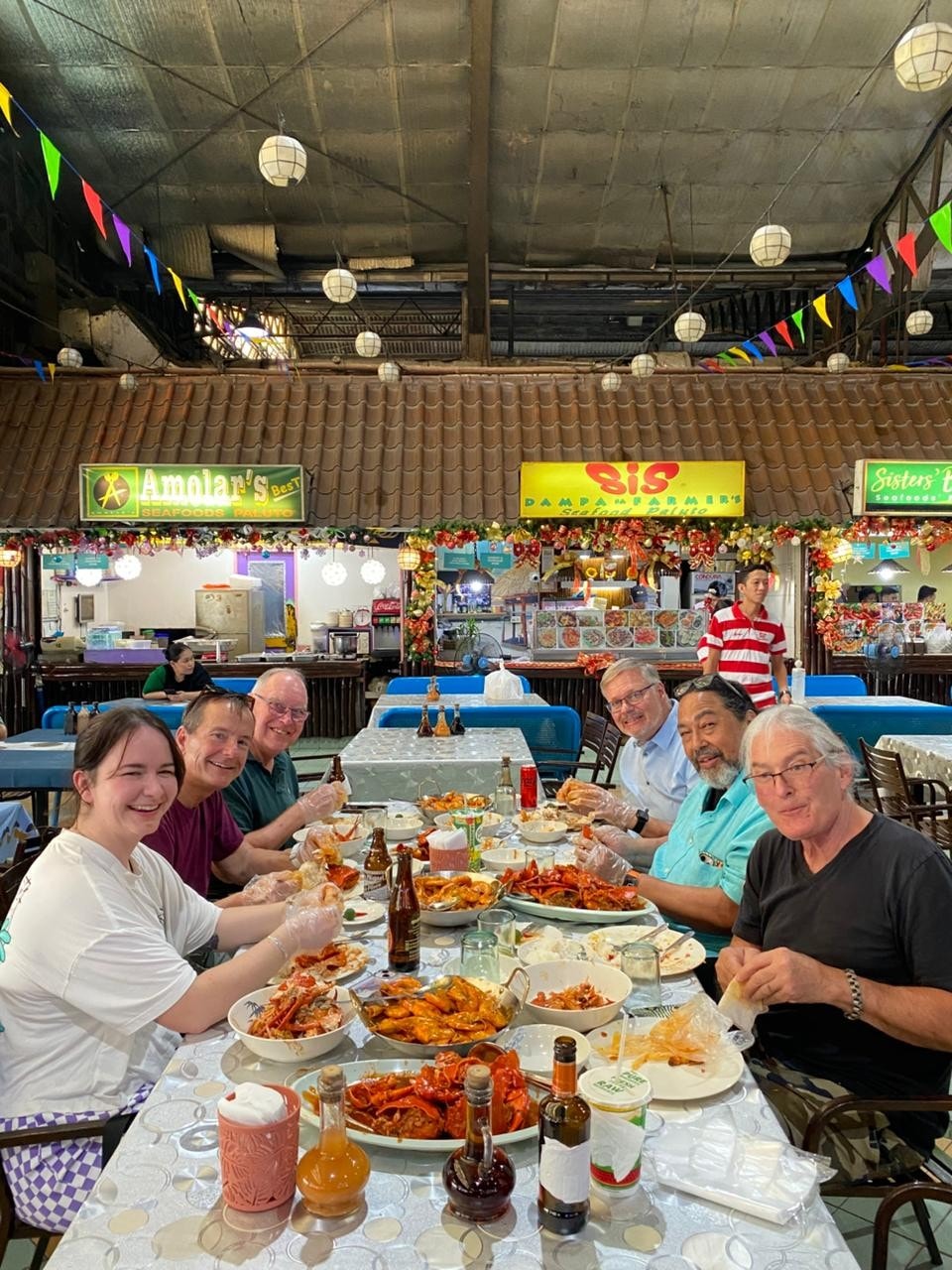
Manila Seafood Experience with Venus
Wed, Feb 25 • 11:00 AM
Quezon City, Metro Manila, Philippines
View details
Nearby attractions of Minor Basilica of San Sebastian
Centro Escolar University
Minor Basilica of the Black Nazarene
Benedictine Abbey of Our Lady of Montserrat (Archdiocese of Manila)
Masjid Al-Dahab (Manila Golden Mosque and Cultural Center)
Luneta carpark
Malacañang Palace
Archdiocesan Shrine of the Blessed Sacrament - Santa Cruz, Manila City (Archdiocese of Manila)
Arroceros Forest Park
Carriedo Fountain
Goldenberg Mansion
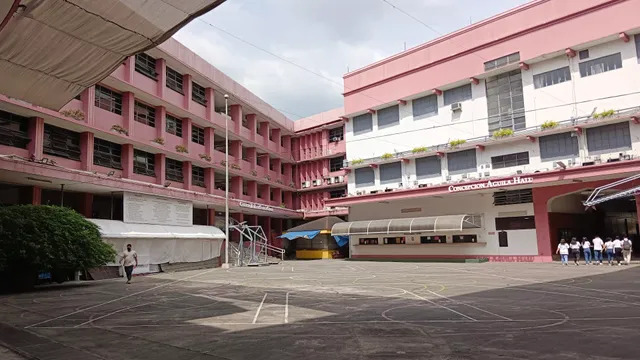
Centro Escolar University
4.3
(139)
Open until 5:00 PM
Click for details
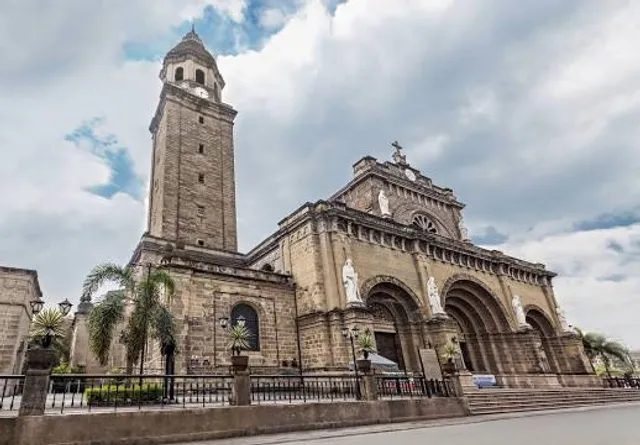
Minor Basilica of the Black Nazarene
4.7
(5.3K)
Open until 11:45 AM
Click for details
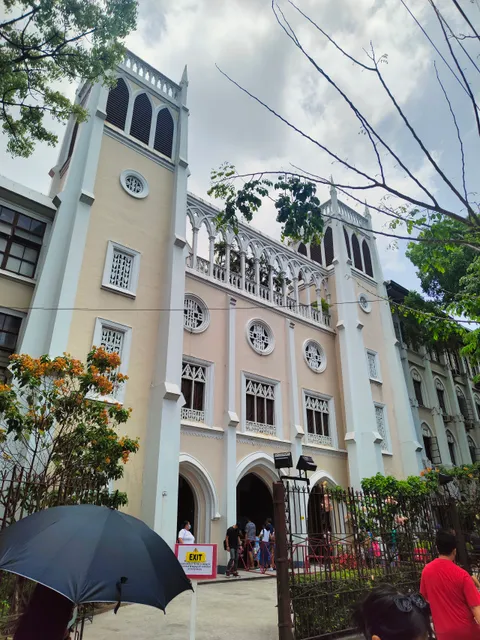
Benedictine Abbey of Our Lady of Montserrat (Archdiocese of Manila)
4.9
(136)
Closed
Click for details
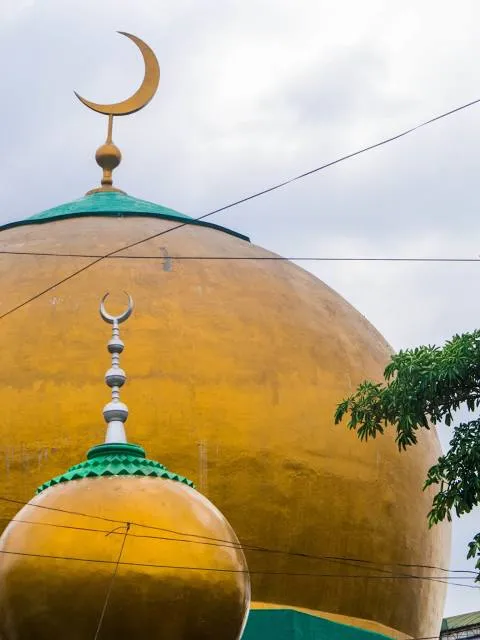
Masjid Al-Dahab (Manila Golden Mosque and Cultural Center)
4.5
(348)
Open until 5:00 PM
Click for details
Nearby restaurants of Minor Basilica of San Sebastian
Angel's Pizza - San Sebastian
Caffeine Express
McDonald's Lepanto
Hot-Star Large Fried Chicken
The Coffee Bean & Tea Leaf
Jollibee Legarda Bustillos
D' Cream Coffee & Tea
McDonald's Morayta
Oh My Chicken! (Recto Branch)
McDonald's Mendiola
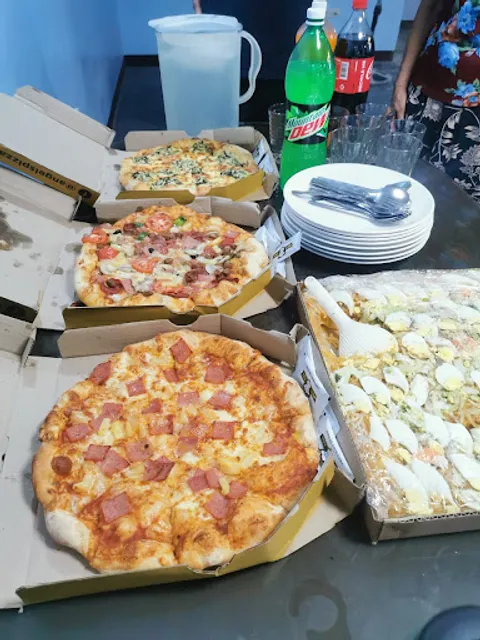
Angel's Pizza - San Sebastian
4.0
(173)
$$
Open until 12:00 AM
Click for details
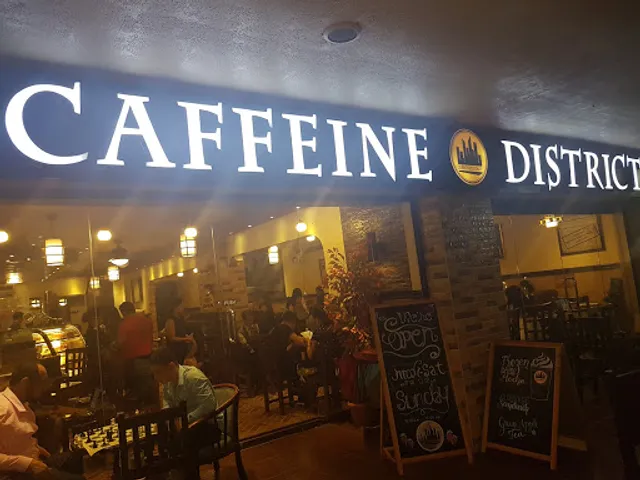
Caffeine Express
4.3
(61)
Closed
Click for details
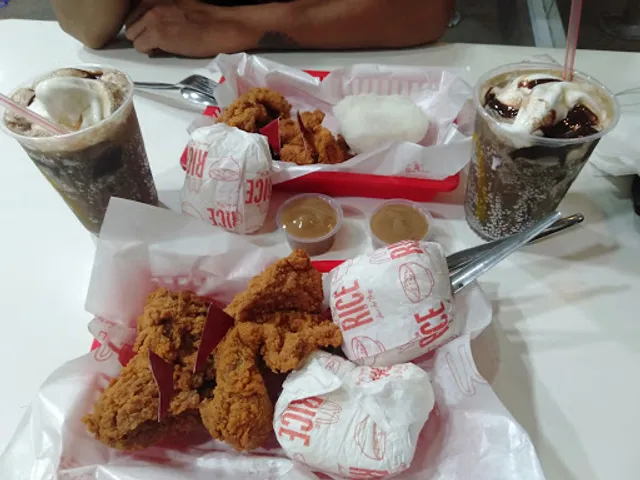
McDonald's Lepanto
4.0
(221)
Open until 9:00 PM
Click for details
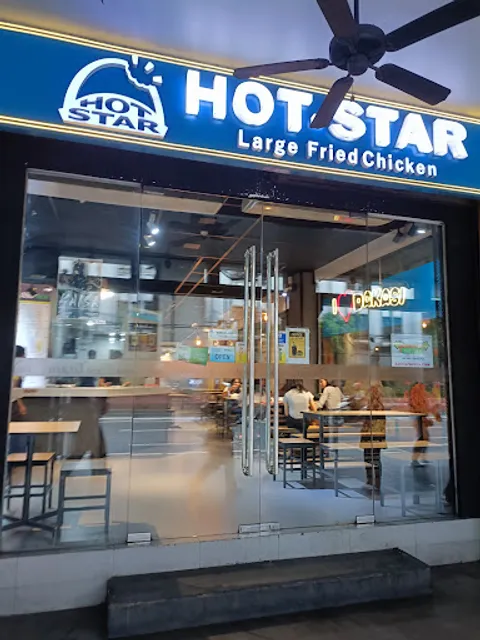
Hot-Star Large Fried Chicken
4.1
(65)
Open until 8:00 PM
Click for details
Nearby local services of Minor Basilica of San Sebastian
PSPCA
Plaza Miranda
Bahay Nakpil-Bautista
National Shrine of Saint Jude Thaddeus - San Miguel, Manila City (Archdiocese of Manila)
Quinta Market & Fish Port
National Shrine of Saint Michael and the Archangels (Archdiocese of Manila)
Abby's Paws n' Play Pet Care Services
The ONE Santo Tomas
Medway cars
Ayala Bridge
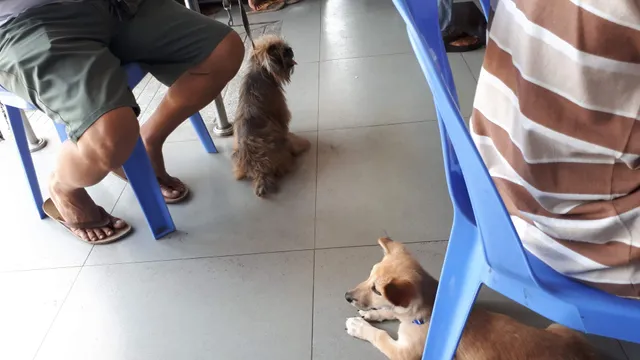
PSPCA
4.6
(166)
Click for details
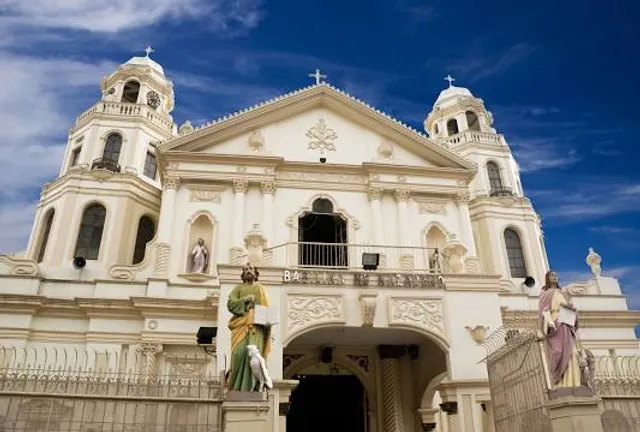
Plaza Miranda
4.5
(534)
Click for details
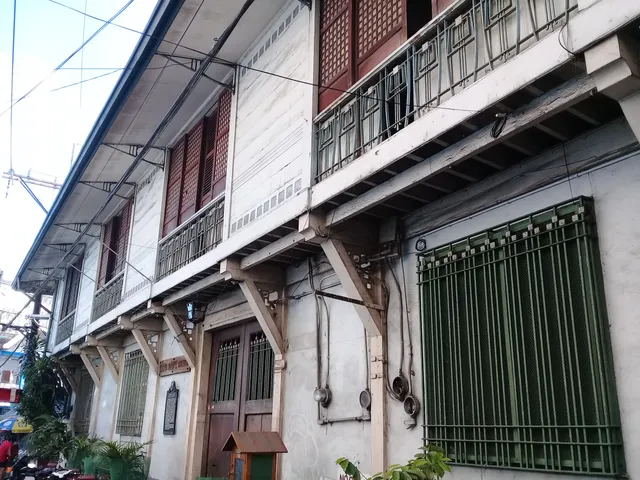
Bahay Nakpil-Bautista
4.0
(30)
Click for details
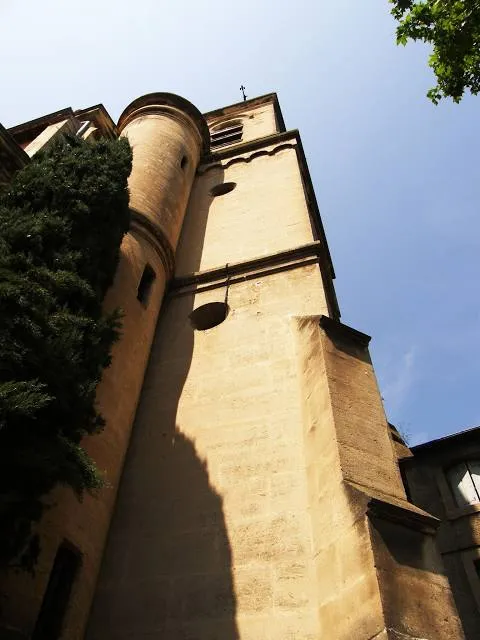
National Shrine of Saint Jude Thaddeus - San Miguel, Manila City (Archdiocese of Manila)
4.8
(636)
Click for details