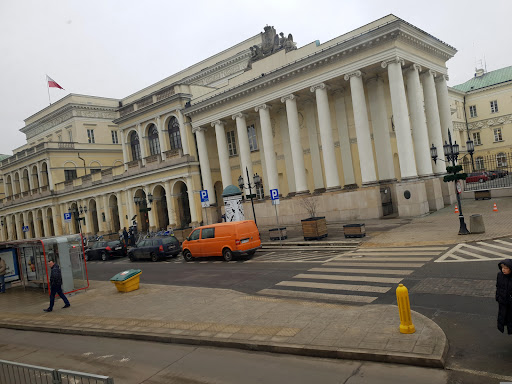
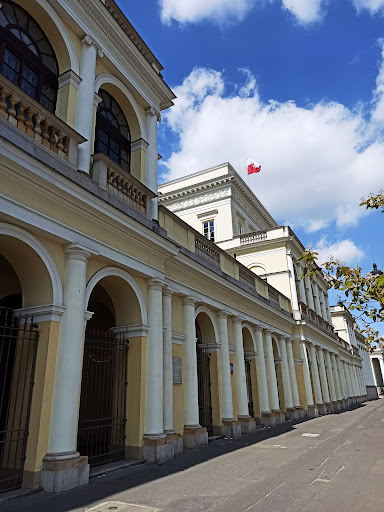
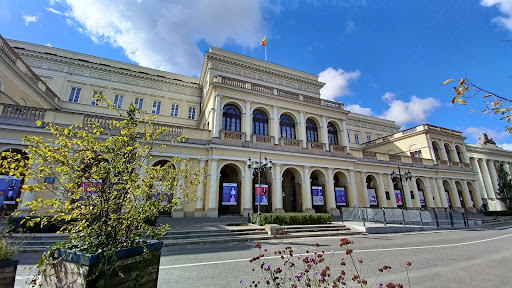
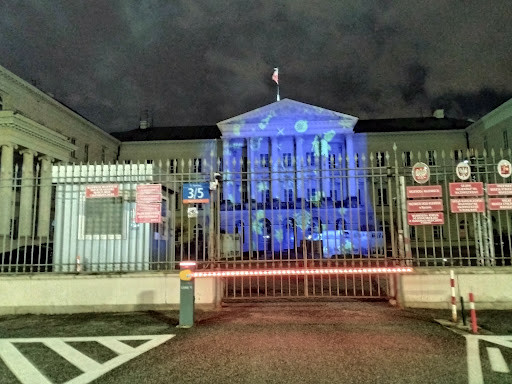
Palace of Treasury Ministers things to do, attractions, restaurants, events info and trip planning
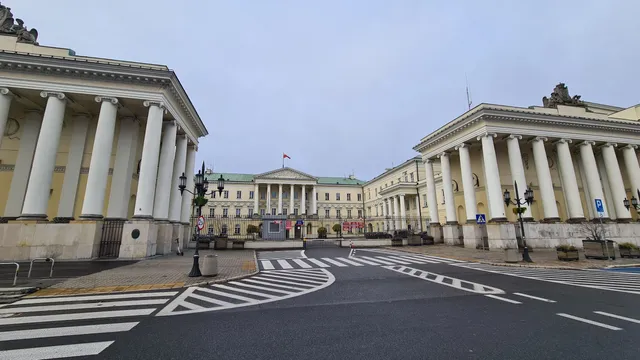
Basic Info
Palace of Treasury Ministers
plac Bankowy 5, 00-144 Warszawa, Poland
4.4(46)
Open until 12:00 AM
Save
spot
spot
Ratings & Description
Info
Cultural
Scenic
attractions: Museum of John Paul II Collection, Saxon Garden, National Archaeological Museum, Museum of Independence, National Theatre, Mniszech Palace, Teatr Wielki - Polish National Opera, Krasiński Garden, Przebendowski Palace, Plac Żelaznej Bramy, restaurants: THAISTY, Der Elefant, Si Ristorante & Cocktail Bar, Na Bank Specialty Coffee, Casa di Tuzza Pizza Napoletana, Sphinx, Pizza Hut Warszawa Gruba Kaśka, Viet-Thai Food, Falafel Bejrut, Tusz Tusz Bistro, local businesses: plac Bankowy 2, Healthy Food Zone (owoce,warzywa), Monument to the Ghetto Heroes, Kamienica przy al. „Solidarności” 93 w Warszawie, Observation deck, Łowickie ®, Monument Battles of Monte Cassino, Ludwika Zamenhofa 1, Nowolipie 23, al. Jana Pawła II 21
 Learn more insights from Wanderboat AI.
Open hoursSee all hours
Mon9 AM - 5 PMOpen
Plan your stay

Pet-friendly Hotels in Warsaw
Find a cozy hotel nearby and make it a full experience.

Affordable Hotels in Warsaw
Find a cozy hotel nearby and make it a full experience.

The Coolest Hotels You Haven't Heard Of (Yet)
Find a cozy hotel nearby and make it a full experience.

Trending Stays Worth the Hype in Warsaw
Find a cozy hotel nearby and make it a full experience.
Reviews
Live events
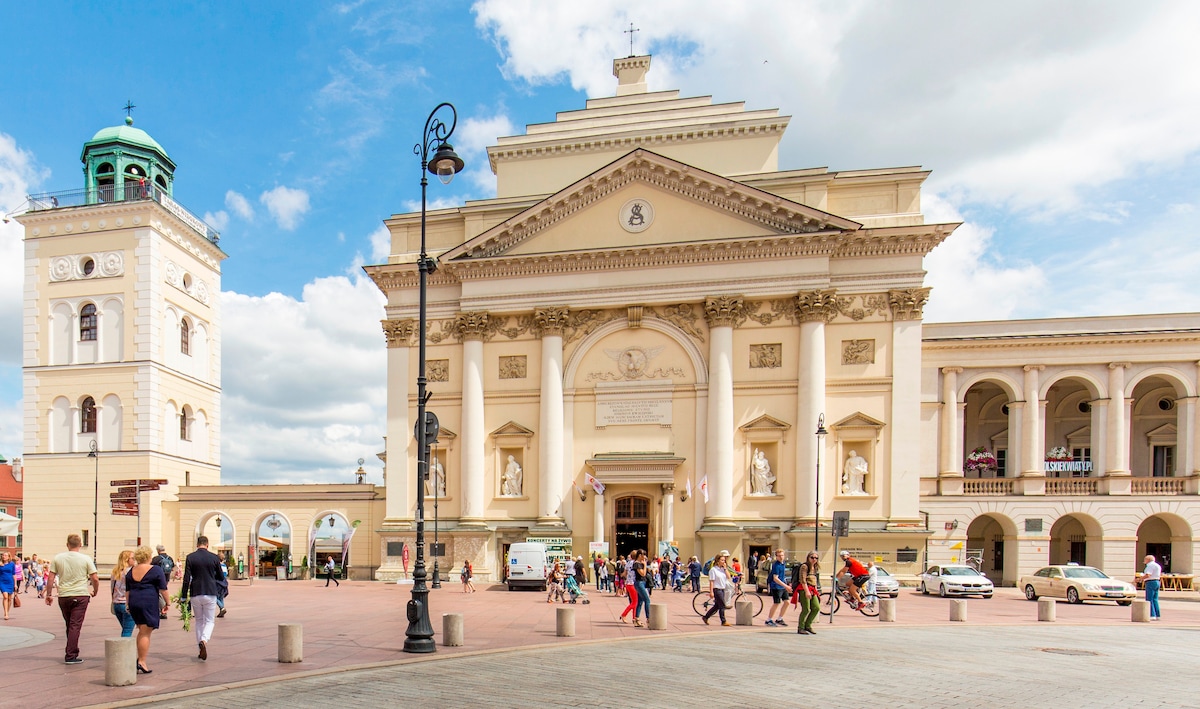
Warsaw Old Town and more with Antek and Tomek
Fri, Feb 13 • 10:30 AM
01-195, Warsaw, Masovian Voivodeship, Poland
View details
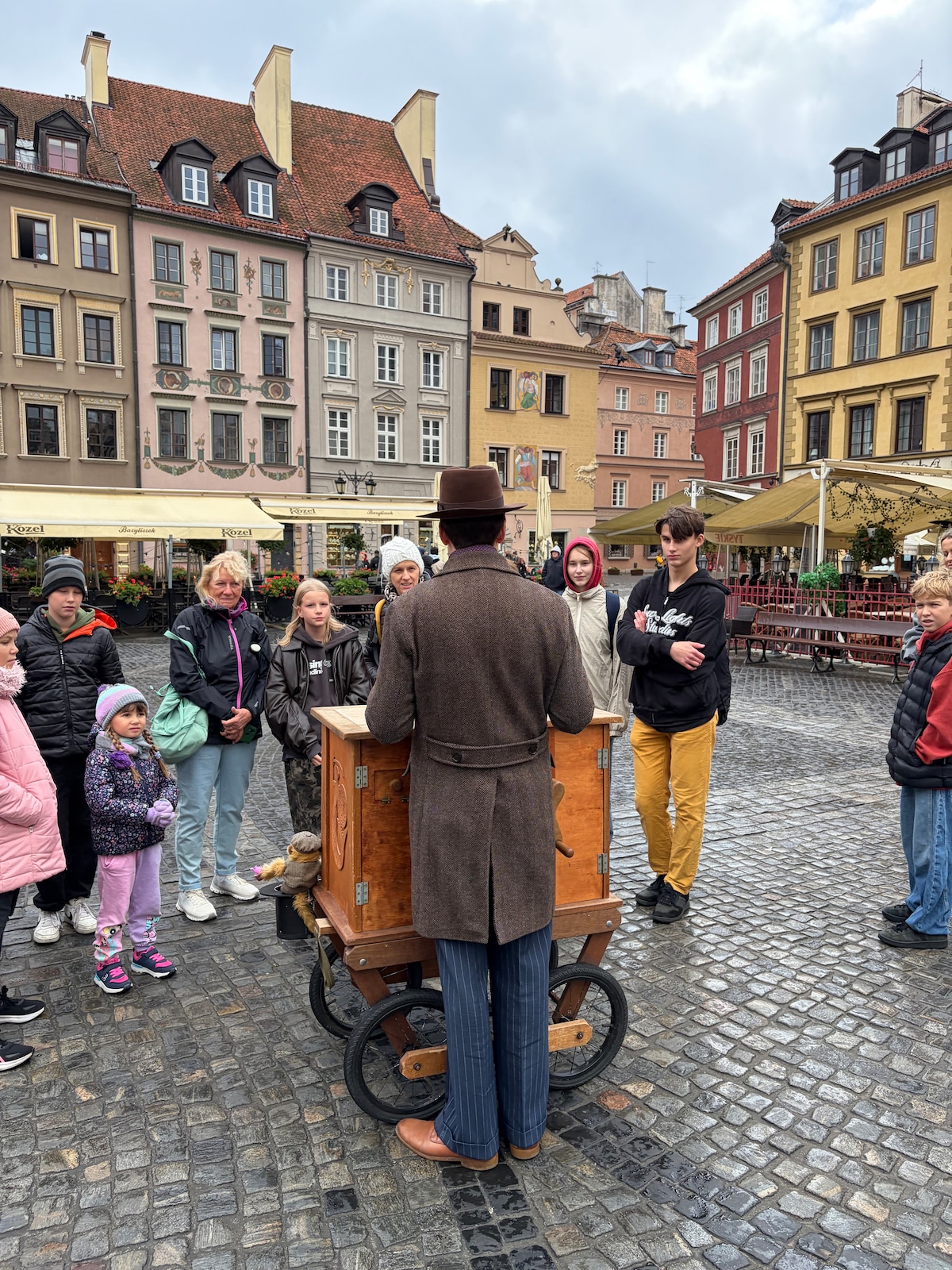
Warsaw’s Comfort Food & Hidden Stories Tour
Mon, Feb 9 • 10:30 AM
00-227, Warsaw, Masovian Voivodeship, Poland
View details

Make pierogi and try liqours with a Warsaw native
Mon, Feb 9 • 5:30 PM
02-353, Warsaw, Masovian Voivodeship, Poland
View details
Nearby attractions of Palace of Treasury Ministers
Museum of John Paul II Collection
Saxon Garden
National Archaeological Museum
Museum of Independence
National Theatre
Mniszech Palace
Teatr Wielki - Polish National Opera
Krasiński Garden
Przebendowski Palace
Plac Żelaznej Bramy
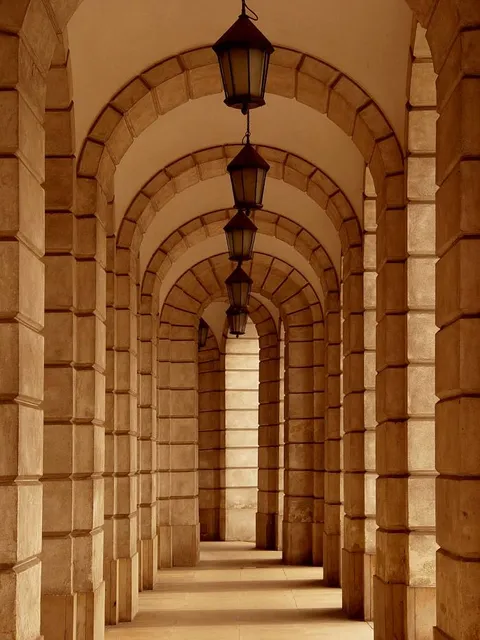
Museum of John Paul II Collection
4.1
(88)
Open until 12:00 AM
Click for details
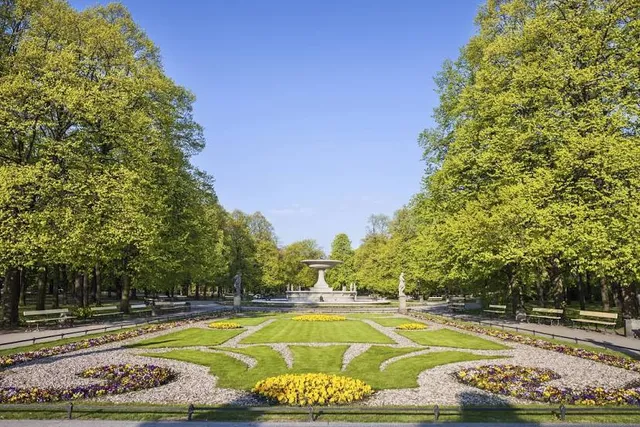
Saxon Garden
4.7
(10.7K)
Open until 12:00 AM
Click for details
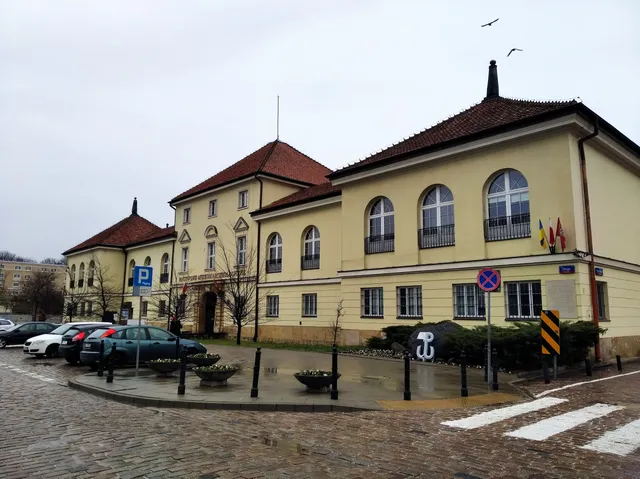
National Archaeological Museum
4.1
(206)
Open 24 hours
Click for details
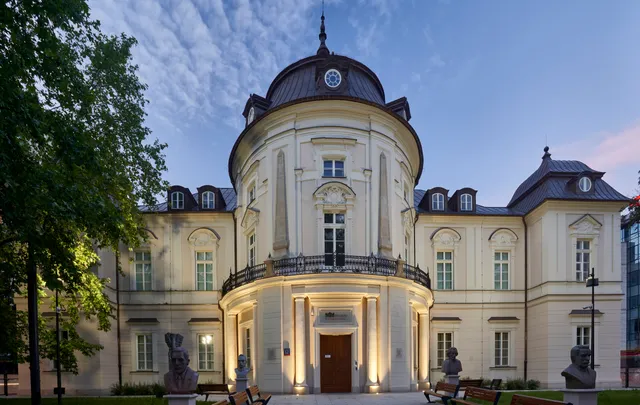
Museum of Independence
4.5
(200)
Open until 12:00 AM
Click for details
Nearby restaurants of Palace of Treasury Ministers
THAISTY
Der Elefant
Si Ristorante & Cocktail Bar
Na Bank Specialty Coffee
Casa di Tuzza Pizza Napoletana
Sphinx
Pizza Hut Warszawa Gruba Kaśka
Viet-Thai Food
Falafel Bejrut
Tusz Tusz Bistro
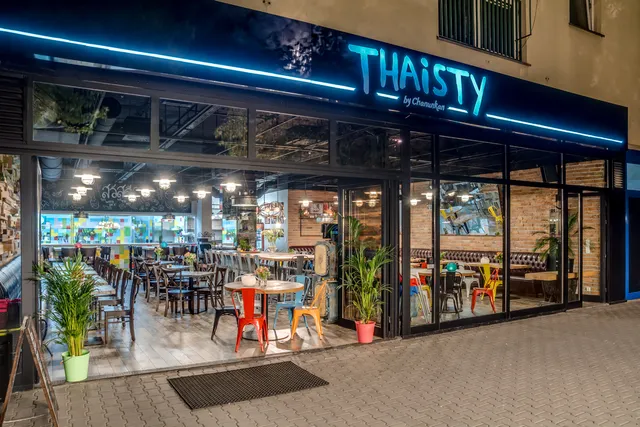
THAISTY
4.5
(3.6K)
Closed
Click for details
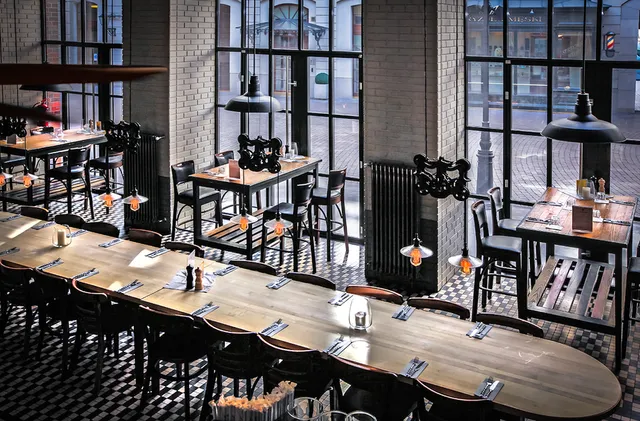
Der Elefant
4.6
(4.9K)
$$$
Open until 12:00 AM
Click for details
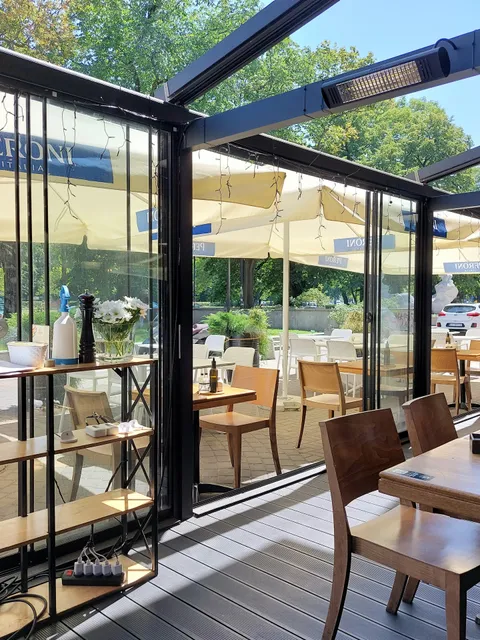
Si Ristorante & Cocktail Bar
4.6
(3.1K)
$$
Open until 11:00 PM
Click for details
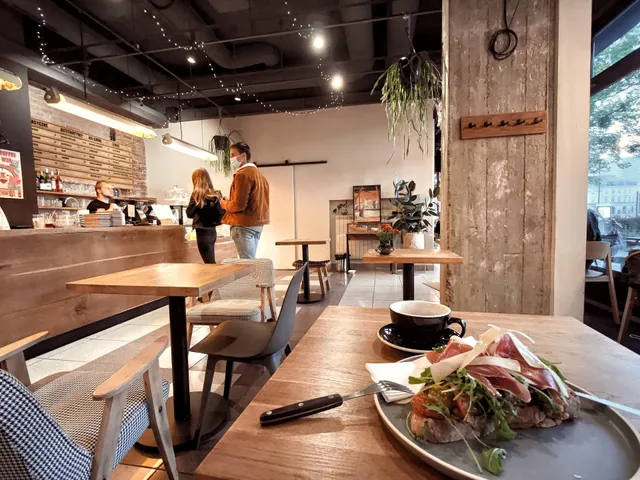
Na Bank Specialty Coffee
4.7
(764)
Open until 10:00 PM
Click for details
Nearby local services of Palace of Treasury Ministers
plac Bankowy 2
Healthy Food Zone (owoce,warzywa)
Monument to the Ghetto Heroes
Kamienica przy al. „Solidarności” 93 w Warszawie
Observation deck
Łowickie ®
Monument Battles of Monte Cassino
Ludwika Zamenhofa 1
Nowolipie 23
al. Jana Pawła II 21
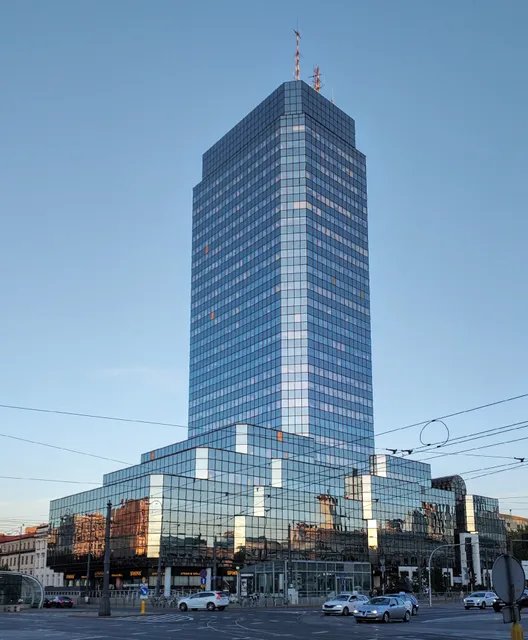
plac Bankowy 2
4.4
(1.8K)
Click for details
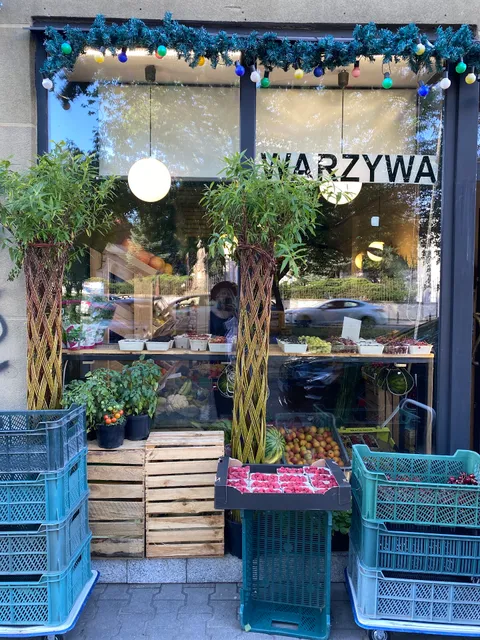
Healthy Food Zone (owoce,warzywa)
5.0
(189)
Click for details
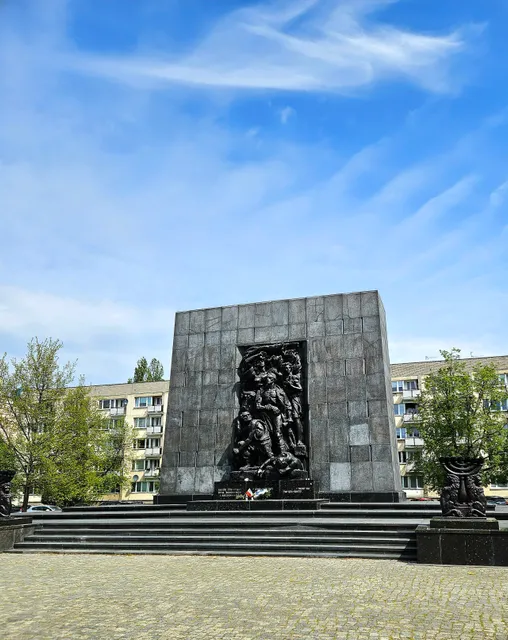
Monument to the Ghetto Heroes
4.6
(771)
Click for details
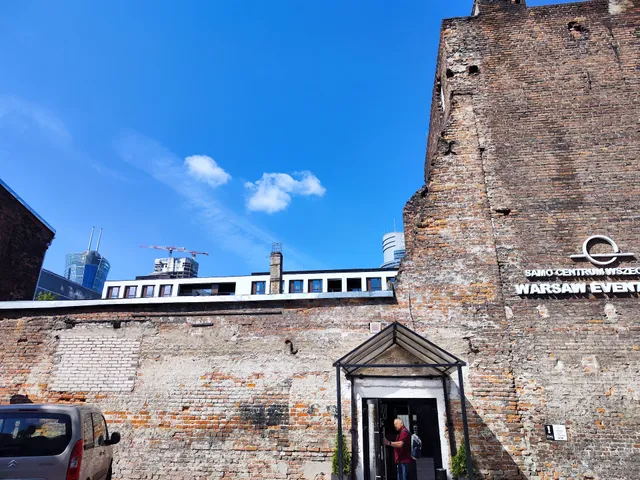
Kamienica przy al. „Solidarności” 93 w Warszawie
4.9
(9)
Click for details