Batalha Monastery things to do, attractions, restaurants, events info and trip planning
Basic Info
Batalha Monastery
Largo Infante Dom Henrique, 2440-109 Batalha, Portugal
4.7(17)
Closed
Save
spot
spot
Ratings & Description
Info
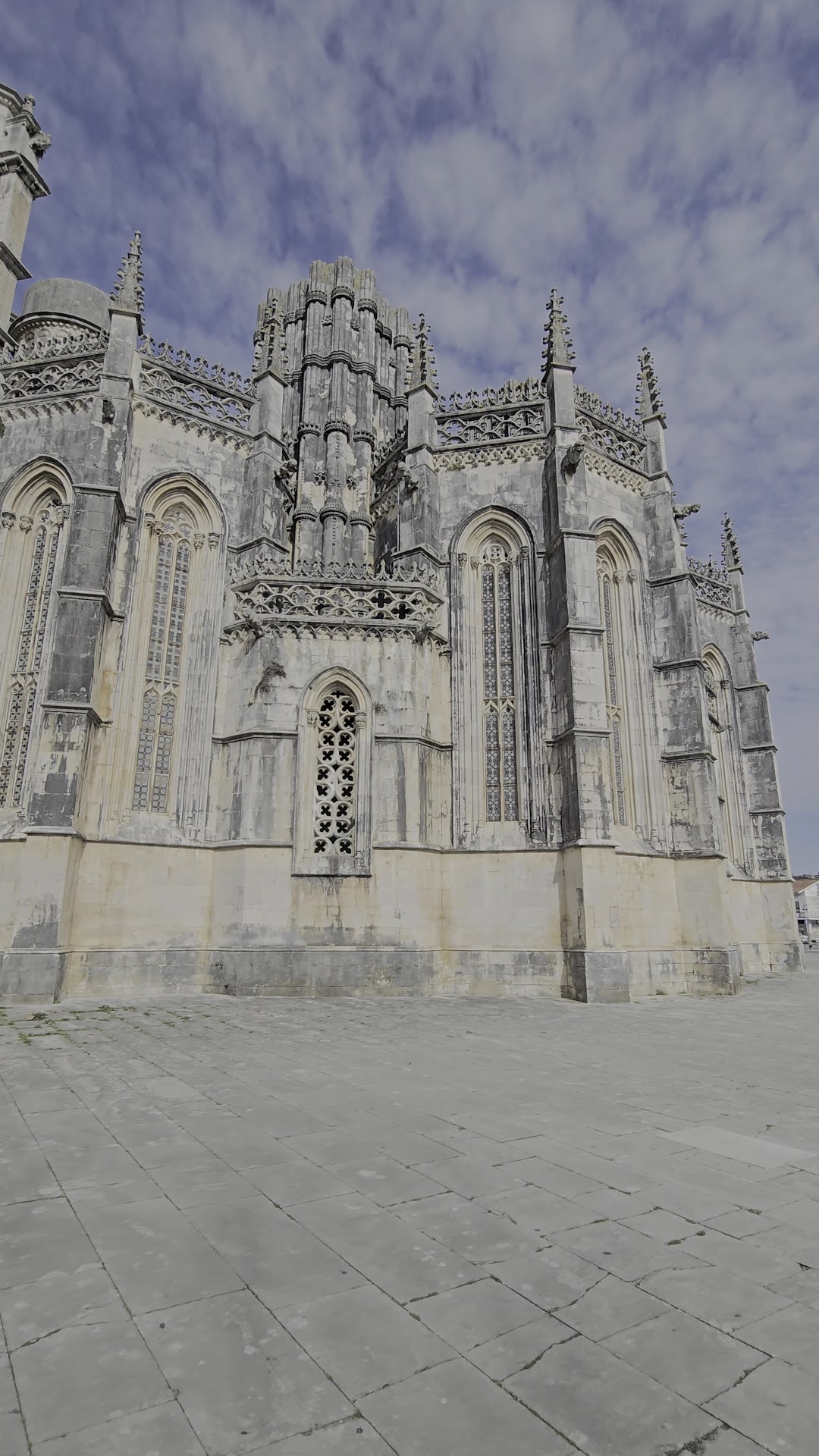
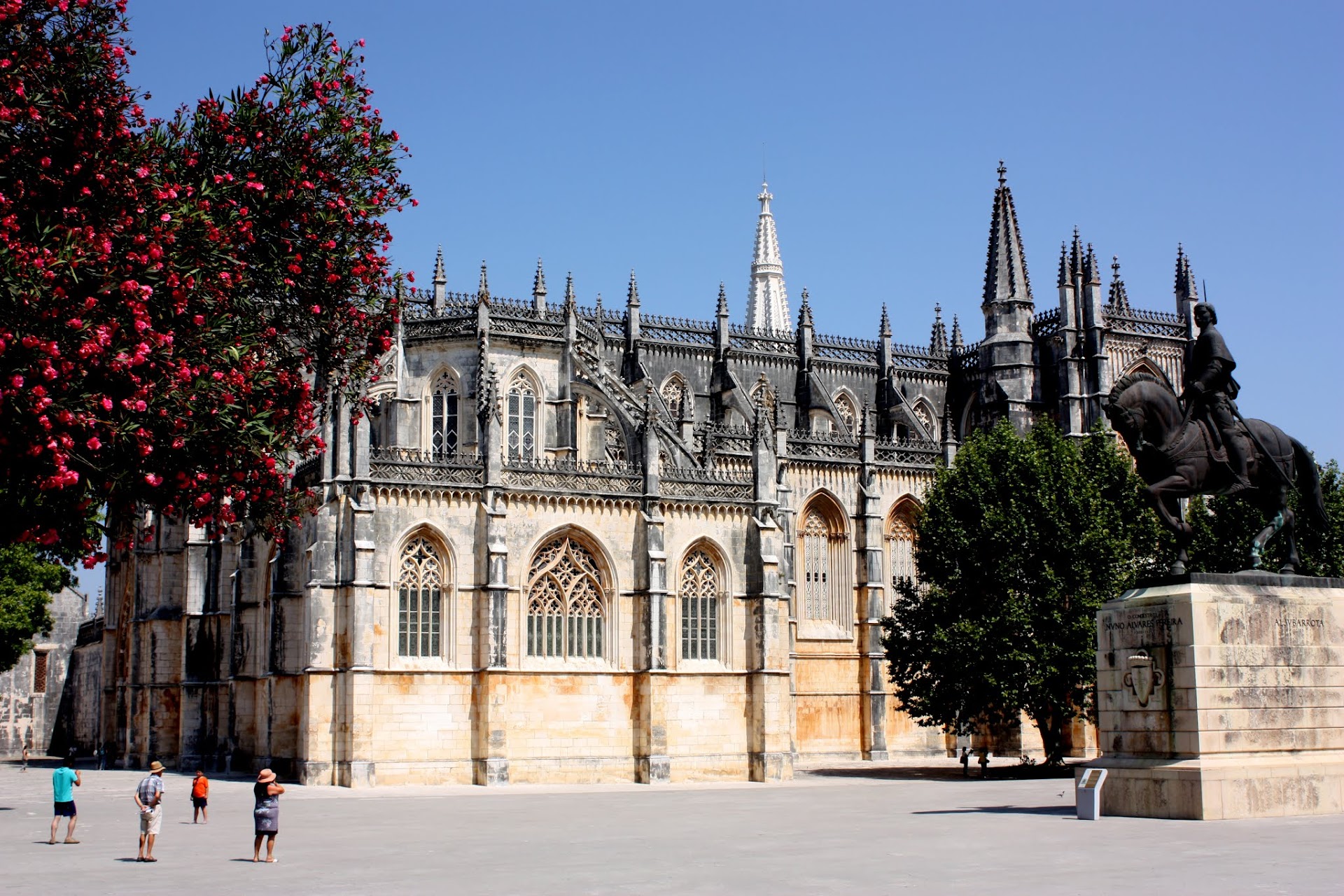
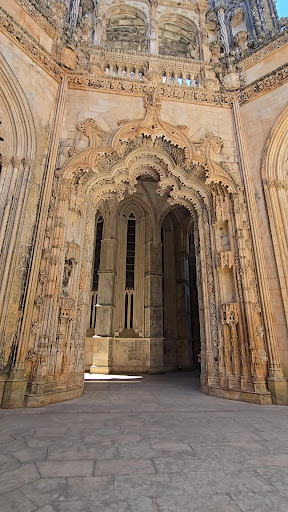
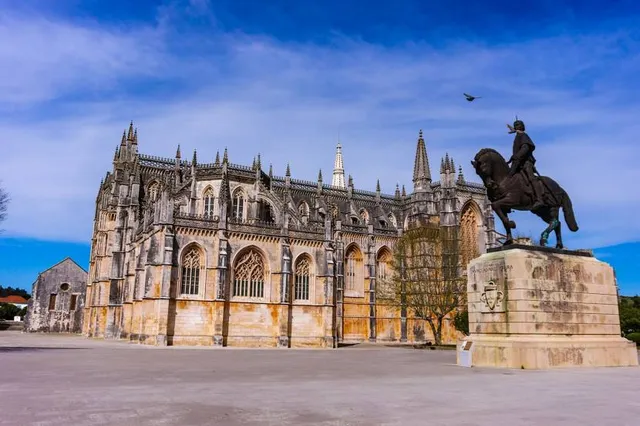
The Monastery of Batalha is a Dominican convent in the municipality of Batalha, in the district of Leiria, in the Centro Region of Portugal.
Cultural
Accessibility
attractions: Ponte da Boutaca, restaurants: Restaurante Burro Velho, Tasca da Tinouca, Enigma - Hamburgueria Artesanal - Batalha, Pap'Oliva - Espaço Sabores, Restaurante Vintage, Restaurante Churrasqueria Vitoria, Restaurante Dom Duarte, Pastelaria Arqueiro, Café O Brogueira, Churrasqueira Churrasco, local businesses: Capillas imperfectas, Capilla del Fundador, Iglesia parroquial de Batalha
 Learn more insights from Wanderboat AI.
Phone
+351 244 765 497
Website
mosteirobatalha.gov.pt
Open hoursSee all hours
SunClosed
Plan your stay

Pet-friendly Hotels in Batalha
Find a cozy hotel nearby and make it a full experience.

Affordable Hotels in Batalha
Find a cozy hotel nearby and make it a full experience.

The Coolest Hotels You Haven't Heard Of (Yet)
Find a cozy hotel nearby and make it a full experience.

Trending Stays Worth the Hype in Batalha
Find a cozy hotel nearby and make it a full experience.
Reviews
Live events
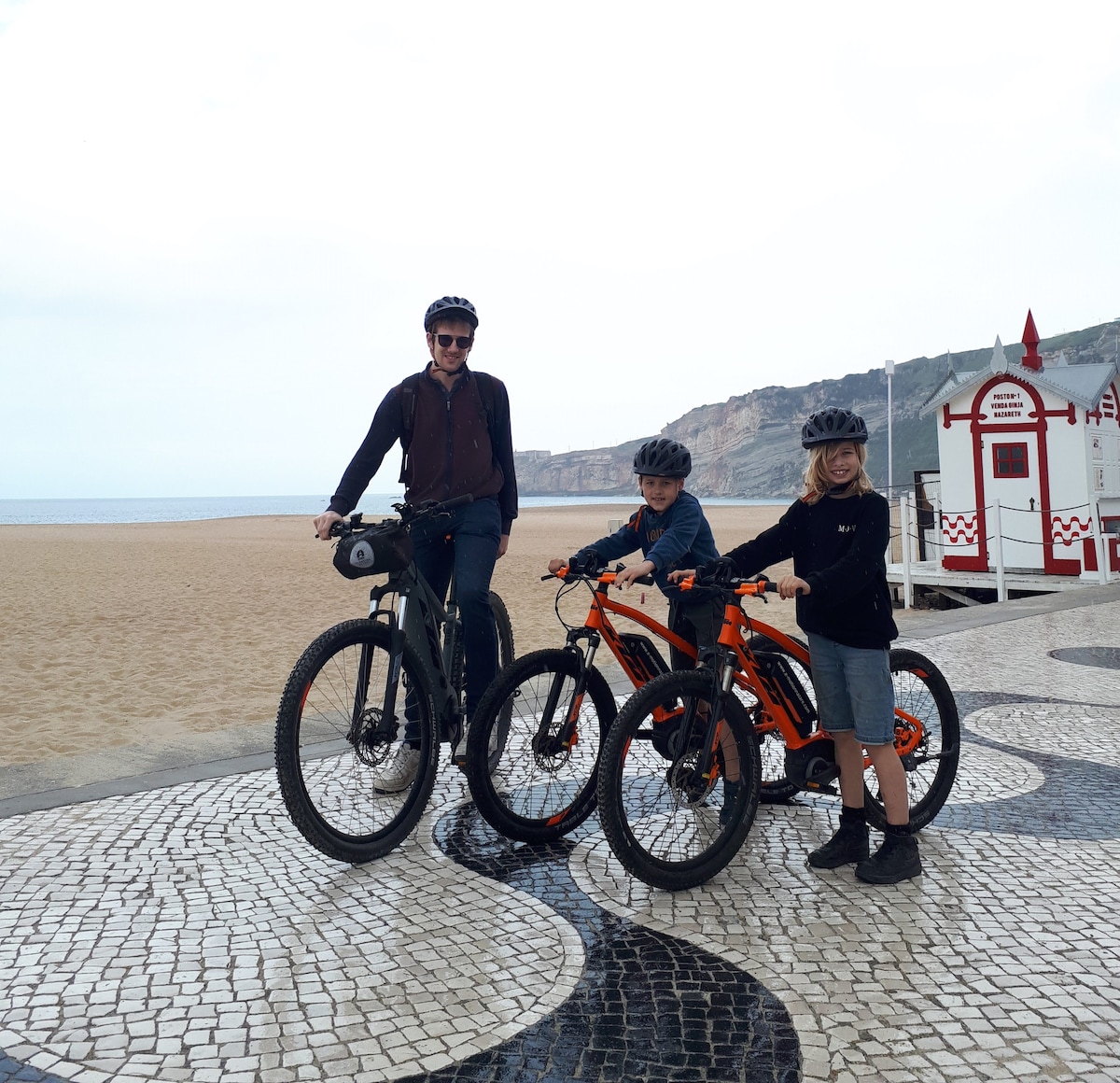
Discover the legend of Nazaré
Tue, Feb 24 • 10:00 AM
2450-199, Nazaré, Portugal
View details
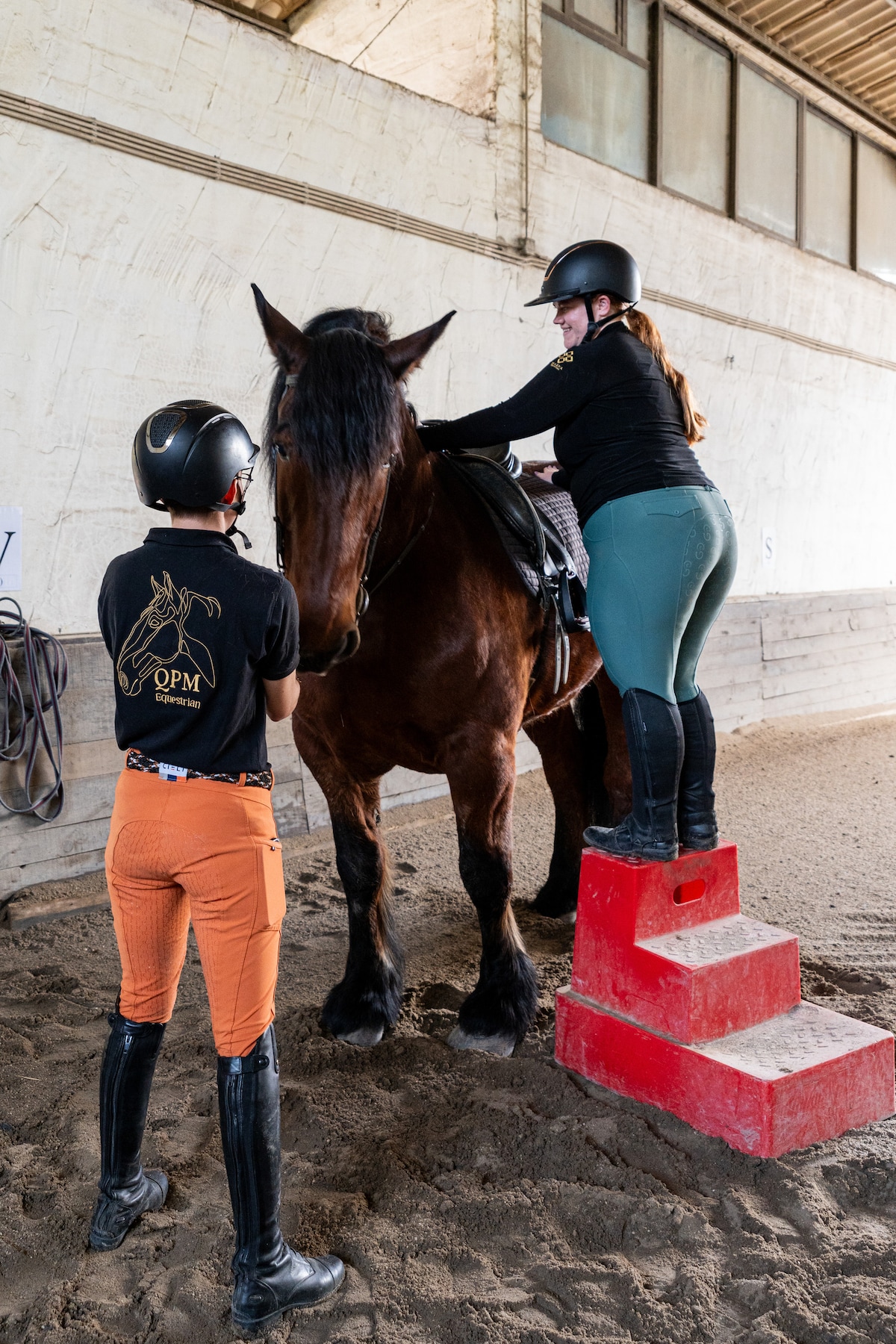
Ride through pine and eucalyptus forest
Tue, Feb 24 • 10:00 AM
2400, Leiria, Portugal
View details
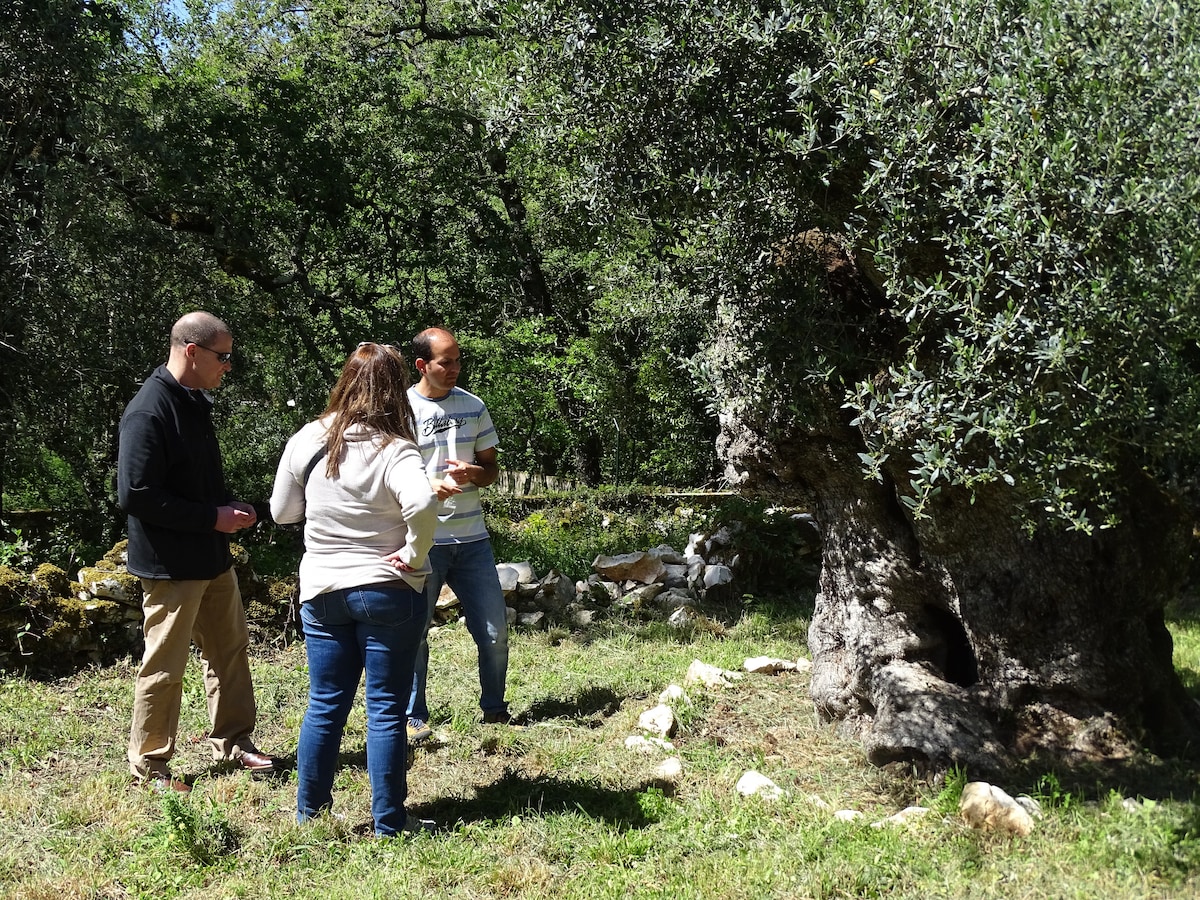
Learn & taste about the best portuguese olive oils
Mon, Feb 23 • 3:00 PM
2480, Alvados, Portugal
View details
Nearby attractions of Batalha Monastery
Ponte da Boutaca
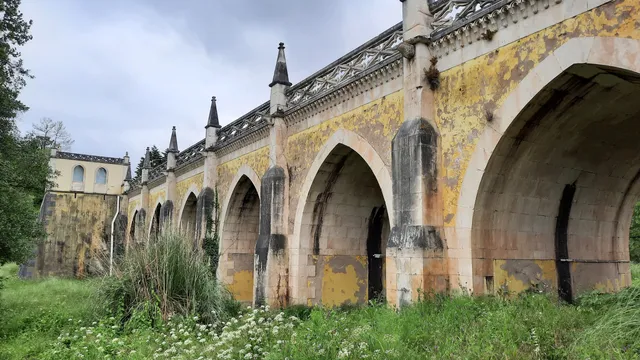
Ponte da Boutaca
4.2
(126)
Open 24 hours
Click for details
Nearby restaurants of Batalha Monastery
Restaurante Burro Velho
Tasca da Tinouca
Enigma - Hamburgueria Artesanal - Batalha
Pap'Oliva - Espaço Sabores
Restaurante Vintage
Restaurante Churrasqueria Vitoria
Restaurante Dom Duarte
Pastelaria Arqueiro
Café O Brogueira
Churrasqueira Churrasco
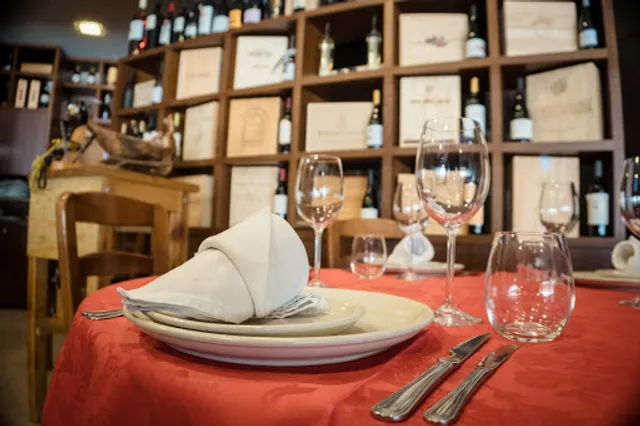
Restaurante Burro Velho
4.5
(1.2K)
$$
Open until 12:00 AM
Click for details
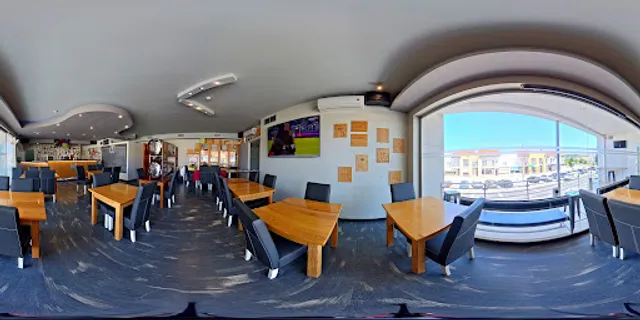
Tasca da Tinouca
4.6
(235)
Open until 12:00 AM
Click for details
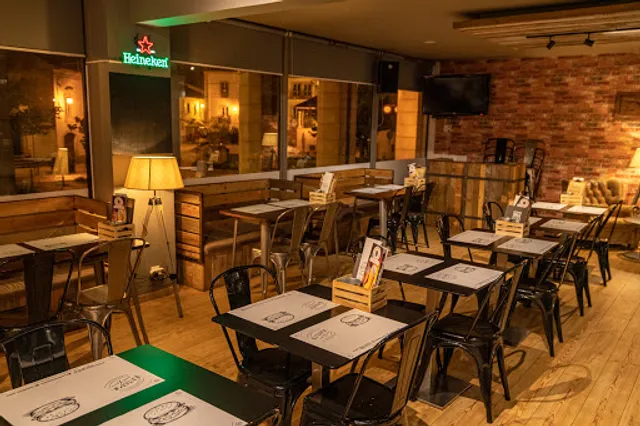
Enigma - Hamburgueria Artesanal - Batalha
4.7
(604)
Open until 12:00 AM
Click for details

Pap'Oliva - Espaço Sabores
4.0
(135)
Closed
Click for details
Nearby local services of Batalha Monastery
Capillas imperfectas
Capilla del Fundador
Iglesia parroquial de Batalha

Capillas imperfectas
4.7
(143)
Click for details
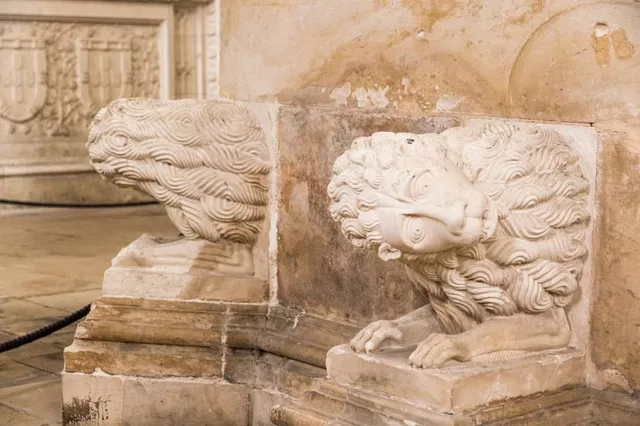
Capilla del Fundador
4.8
(29)
Click for details

Iglesia parroquial de Batalha
4.2
(25)
Click for details