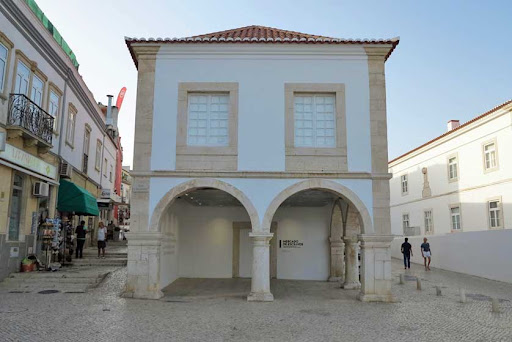
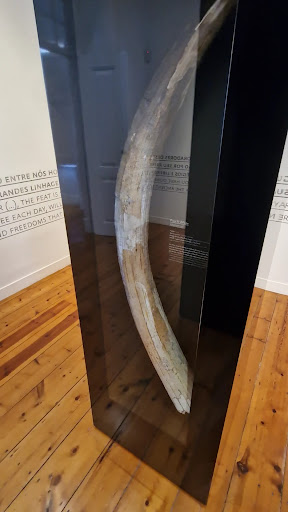
Mercado de Escravos - Núcleo Museológico Rota da Escravatura things to do, attractions, restaurants, events info and trip planning
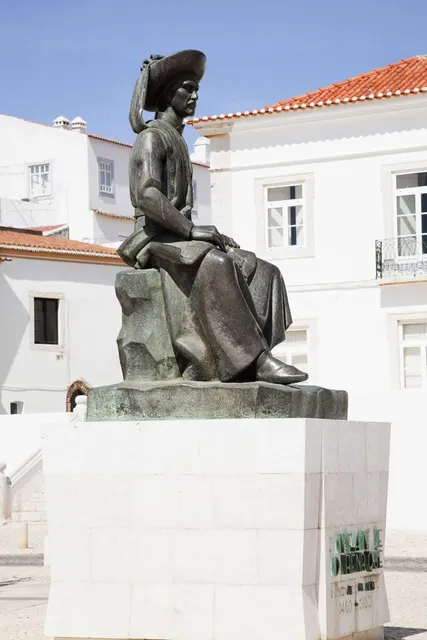
Basic Info
Mercado de Escravos - Núcleo Museológico Rota da Escravatura
R. da Sra. da Graça 26, 8600-315 Lagos, Portugal
3.6(448)
Open until 12:00 AM
Save
spot
spot
Ratings & Description
Info
Cultural
Accessibility
attractions: Old Town Lagos, Church of saint anthony in lagos city, Castle of Lagos, Messe Militar de Lagos, Museu de Lagos Dr. José Formosinho, Kayak Explorers, Forte Ponta da Bandeira, Centro Ciência Viva de Lagos, Beach Estudantes, Church of St. Sebastian, restaurants: 7 Hills Indian Restaurant, Taberna da mó, Casa do Prego, Bon Vivant, The Studio: Coffee Roaster & Cafe, Taninos Wine & Kitchen, CIUCCIO - Italian based kitchen & international food., Beats & Burritos, My Sushi, Mar d'Estórias, local businesses: Église de Saint Antoine, Igreja Paroquial de Santa Maria de Lagos, Mercado Municipal de Lagos, Gelateria Pinocchio, Kayak Tours, EZRide Ocean Kayak Tours, ProPuttingGarden, Alina's Bica, Castillo de los Gobernadores, Sign says Cafe Cubano
 Learn more insights from Wanderboat AI.
Website
museu.cm-lagos.pt
Open hoursSee all hours
Tue10 AM - 1 PM, 2 - 6 PMOpen
Plan your stay

Pet-friendly Hotels in Lagos
Find a cozy hotel nearby and make it a full experience.

Affordable Hotels in Lagos
Find a cozy hotel nearby and make it a full experience.

The Coolest Hotels You Haven't Heard Of (Yet)
Find a cozy hotel nearby and make it a full experience.

Trending Stays Worth the Hype in Lagos
Find a cozy hotel nearby and make it a full experience.
Reviews
Live events

Explore caves and coast
Tue, Feb 17 • 9:00 AM
8500, Portimão, Portugal
View details
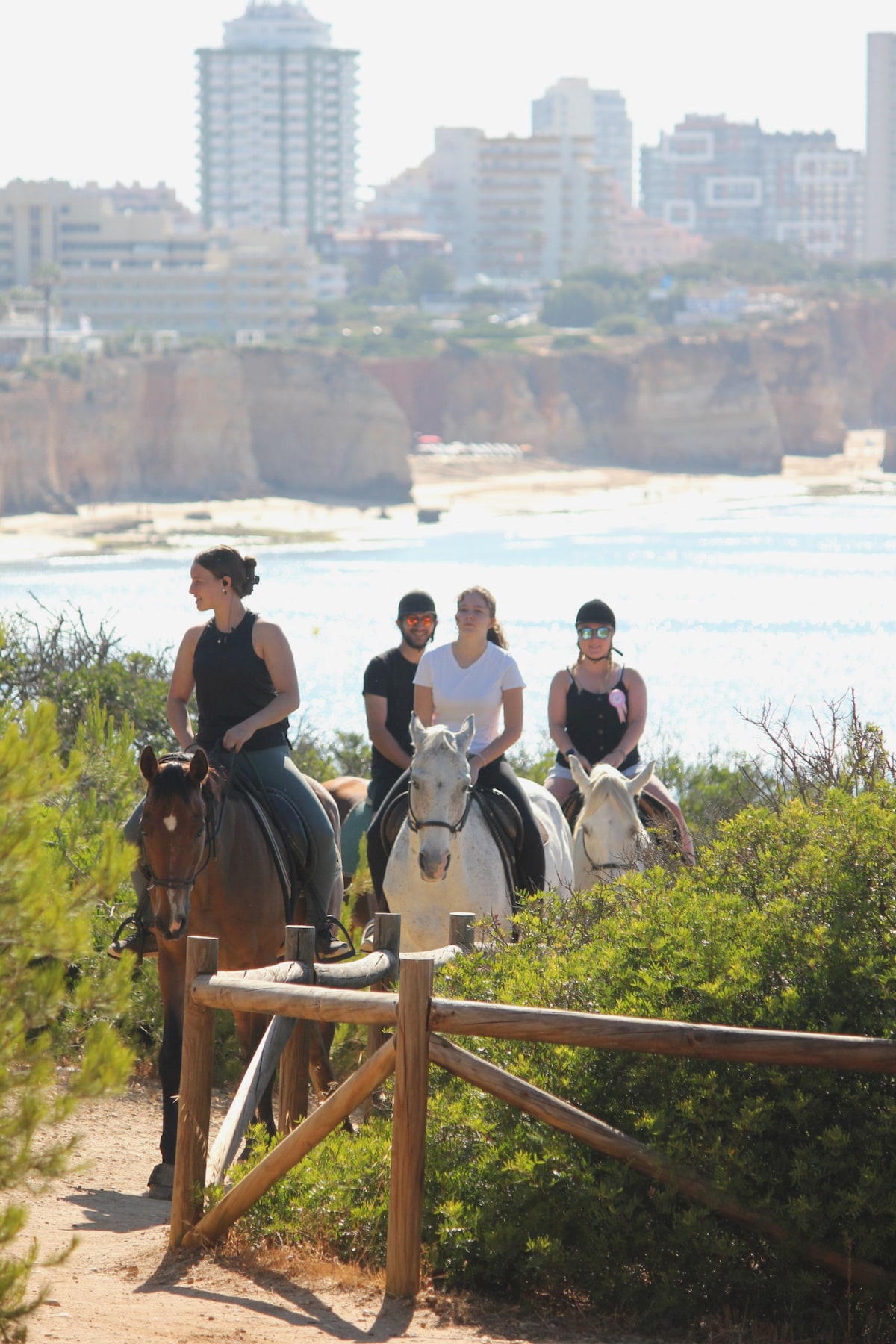
Exclusive Horseriding along the Algarve coast
Thu, Feb 19 • 10:00 AM
8500, Alvor, Portugal
View details
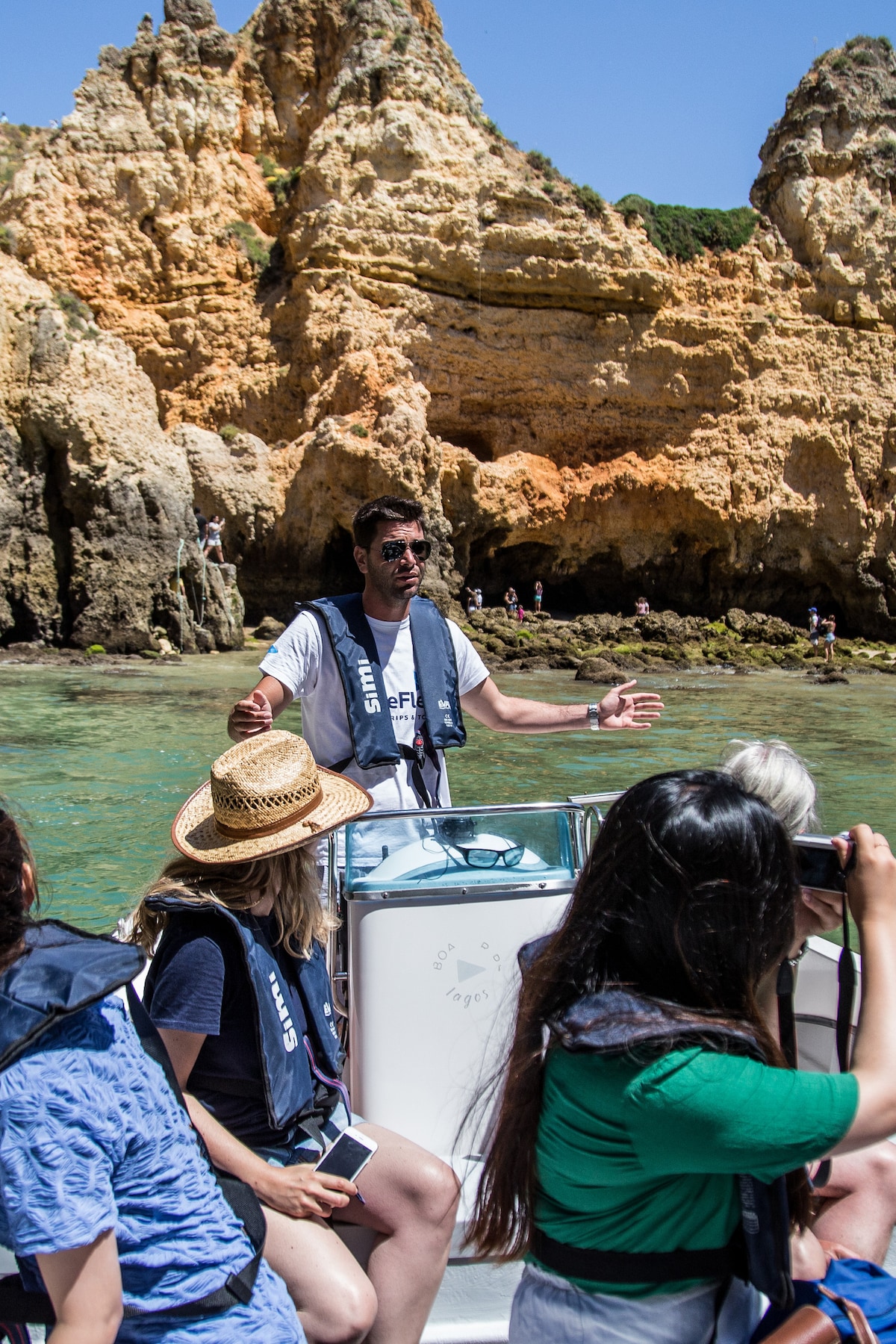
Encounter the Ponta da Piedade Caves by boat
Tue, Feb 17 • 9:30 AM
8600-315, Lagos, Portugal
View details
Nearby attractions of Mercado de Escravos - Núcleo Museológico Rota da Escravatura
Old Town Lagos
Church of saint anthony in lagos city
Castle of Lagos
Messe Militar de Lagos
Museu de Lagos Dr. José Formosinho
Kayak Explorers
Forte Ponta da Bandeira
Centro Ciência Viva de Lagos
Beach Estudantes
Church of St. Sebastian
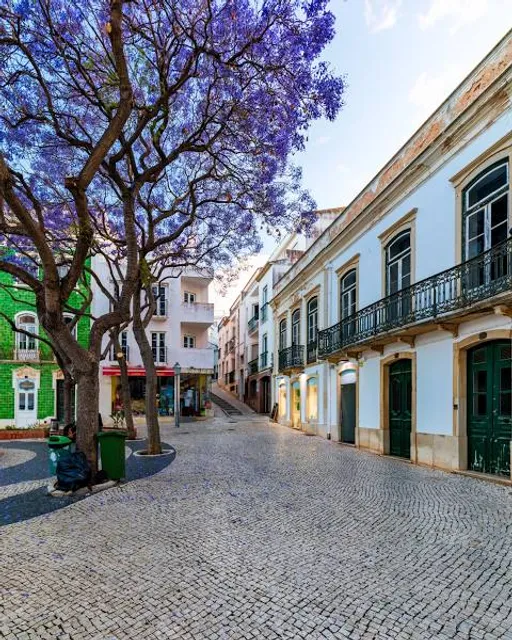
Old Town Lagos
4.6
(585)
Open 24 hours
Click for details
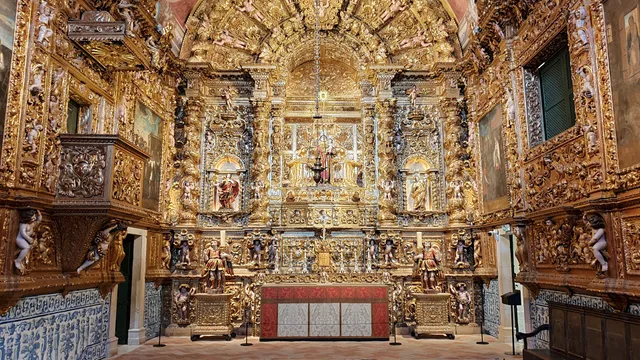
Church of saint anthony in lagos city
4.4
(564)
Open until 12:00 AM
Click for details
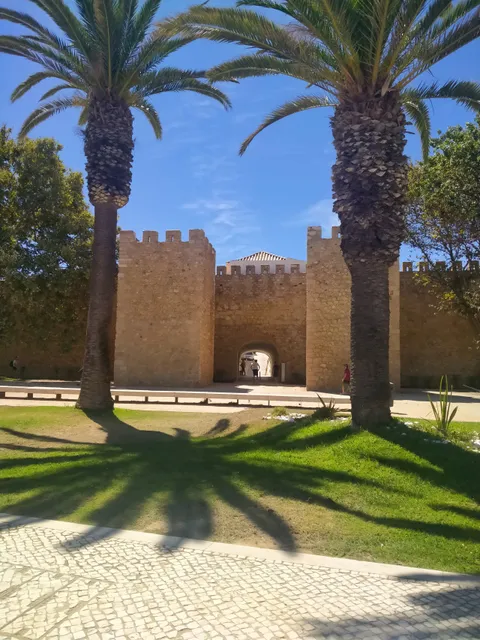
Castle of Lagos
4.4
(494)
Open until 12:00 AM
Click for details
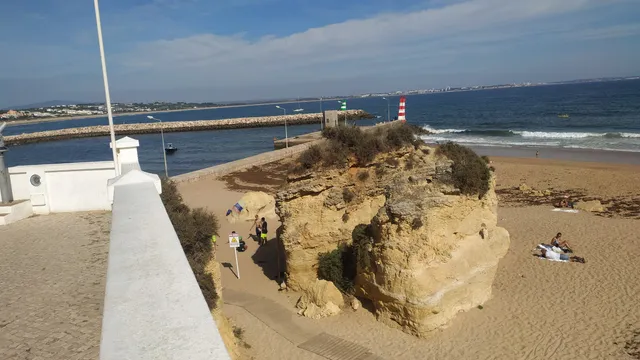
Messe Militar de Lagos
4.4
(45)
Open 24 hours
Click for details
Nearby restaurants of Mercado de Escravos - Núcleo Museológico Rota da Escravatura
7 Hills Indian Restaurant
Taberna da mó
Casa do Prego
Bon Vivant
The Studio: Coffee Roaster & Cafe
Taninos Wine & Kitchen
CIUCCIO - Italian based kitchen & international food.
Beats & Burritos
My Sushi
Mar d'Estórias
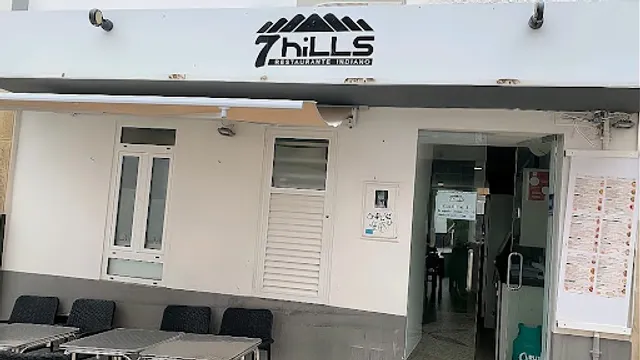
7 Hills Indian Restaurant
4.8
(1.3K)
Closed
Click for details
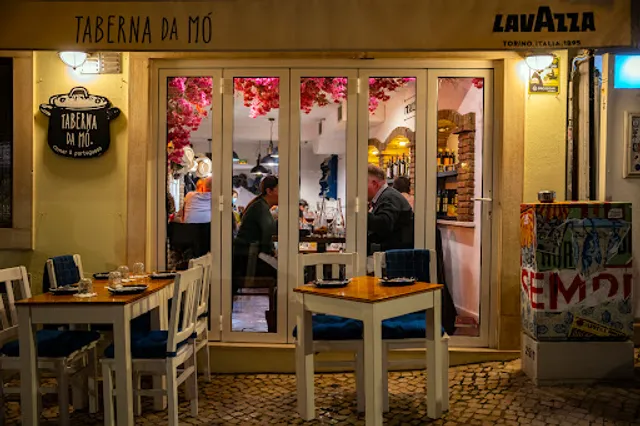
Taberna da mó
4.5
(720)
$$
Closed
Click for details
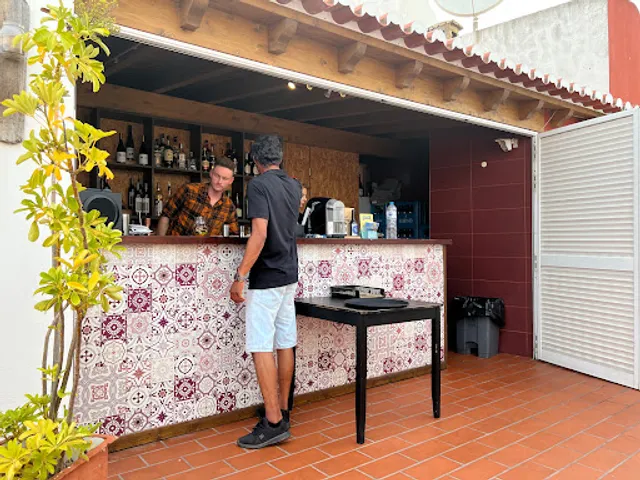
Casa do Prego
4.7
(2K)
Closed
Click for details
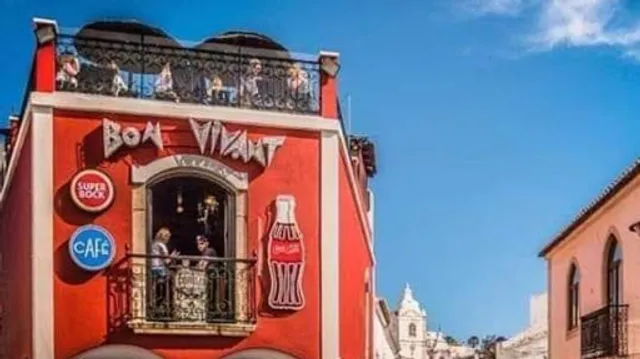
Bon Vivant
4.2
(766)
$$
Open until 4:00 AM
Click for details
Nearby local services of Mercado de Escravos - Núcleo Museológico Rota da Escravatura
Église de Saint Antoine
Igreja Paroquial de Santa Maria de Lagos
Mercado Municipal de Lagos
Gelateria Pinocchio
Kayak Tours
EZRide Ocean Kayak Tours
ProPuttingGarden
Alina's Bica
Castillo de los Gobernadores
Sign says Cafe Cubano
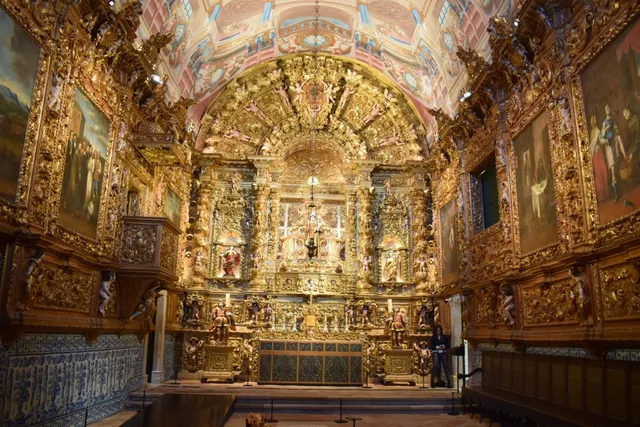
Église de Saint Antoine
4.3
(423)
Click for details
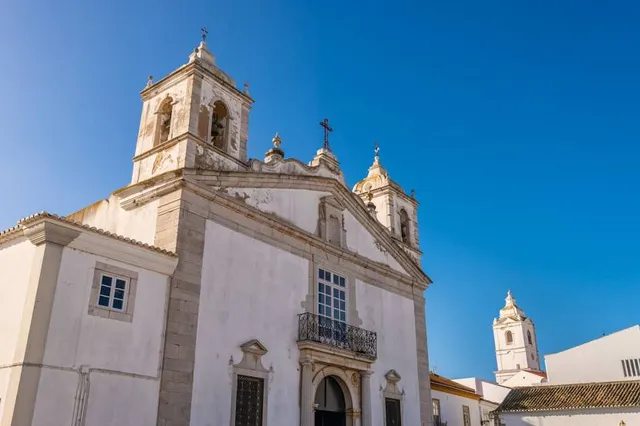
Igreja Paroquial de Santa Maria de Lagos
4.5
(240)
Click for details
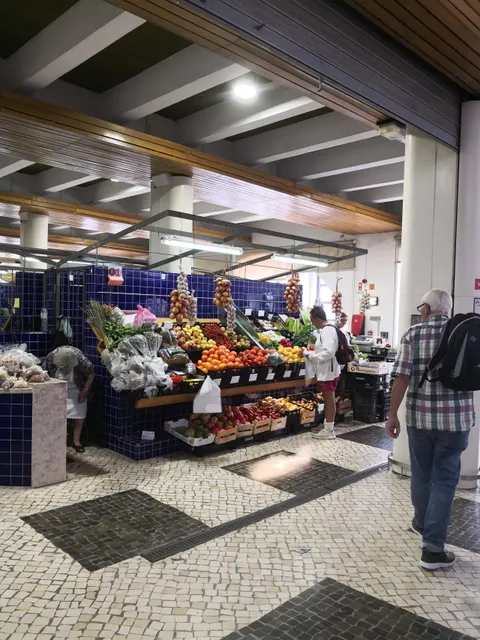
Mercado Municipal de Lagos
4.3
(2.4K)
Click for details
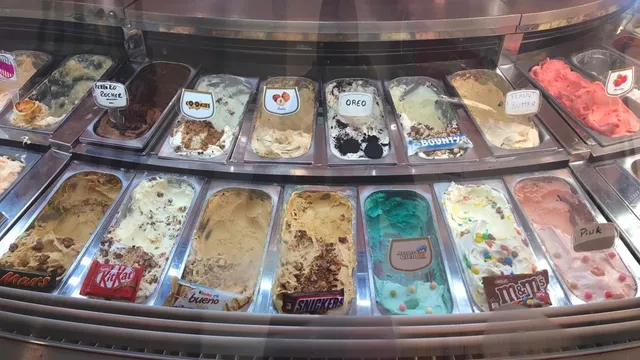
Gelateria Pinocchio
4.2
(131)
Click for details