Alcantarilha castle wall ruins things to do, attractions, restaurants, events info and trip planning
Basic Info
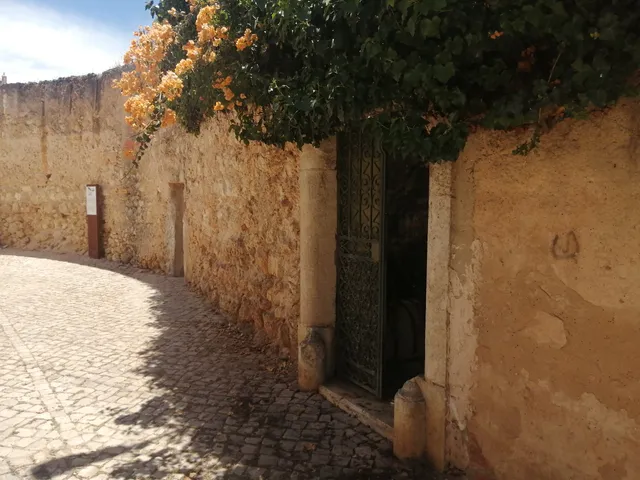
Alcantarilha castle wall ruins
Tv. do Castelo, 8365-032 Alcantarilha, Portugal
3.7(82)
Open until 12:00 AM
Save
spot
spot
Ratings & Description
Info
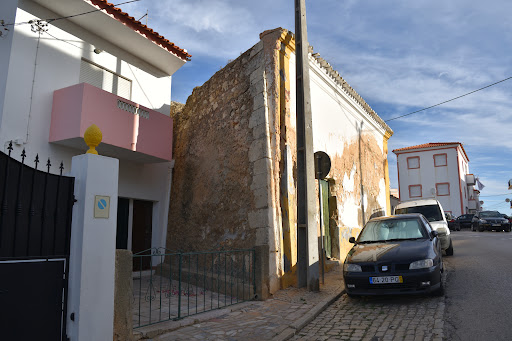
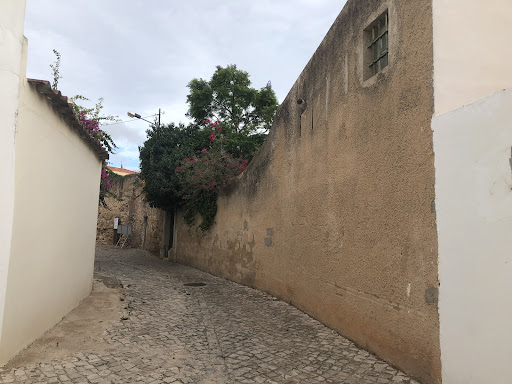
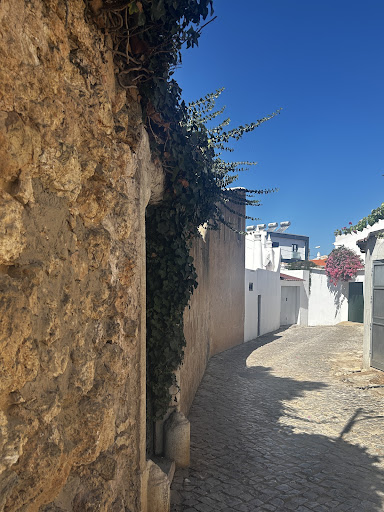
The Castle of Alcantarilha is a medieval fortress and its remnant walls in Portugal, in the civil parish of Alcantarilha, municipality of Silves, in the Portuguese Algarve region of southwestern Iberia.
Cultural
Outdoor
Scenic
Family friendly
attractions: , restaurants: Casa de Pasto A Cisterna, Restaurante o Cantinho, Restaurante Dona Helena, Restaurante Galo Douro, Tasquinha Do João, Restaurante D Mestres, local businesses:
 Learn more insights from Wanderboat AI.
Open hoursSee all hours
WedOpen 24 hoursOpen
Plan your stay

Pet-friendly Hotels in Silves
Find a cozy hotel nearby and make it a full experience.

Affordable Hotels in Silves
Find a cozy hotel nearby and make it a full experience.

The Coolest Hotels You Haven't Heard Of (Yet)
Find a cozy hotel nearby and make it a full experience.

Trending Stays Worth the Hype in Silves
Find a cozy hotel nearby and make it a full experience.
Reviews
Live events
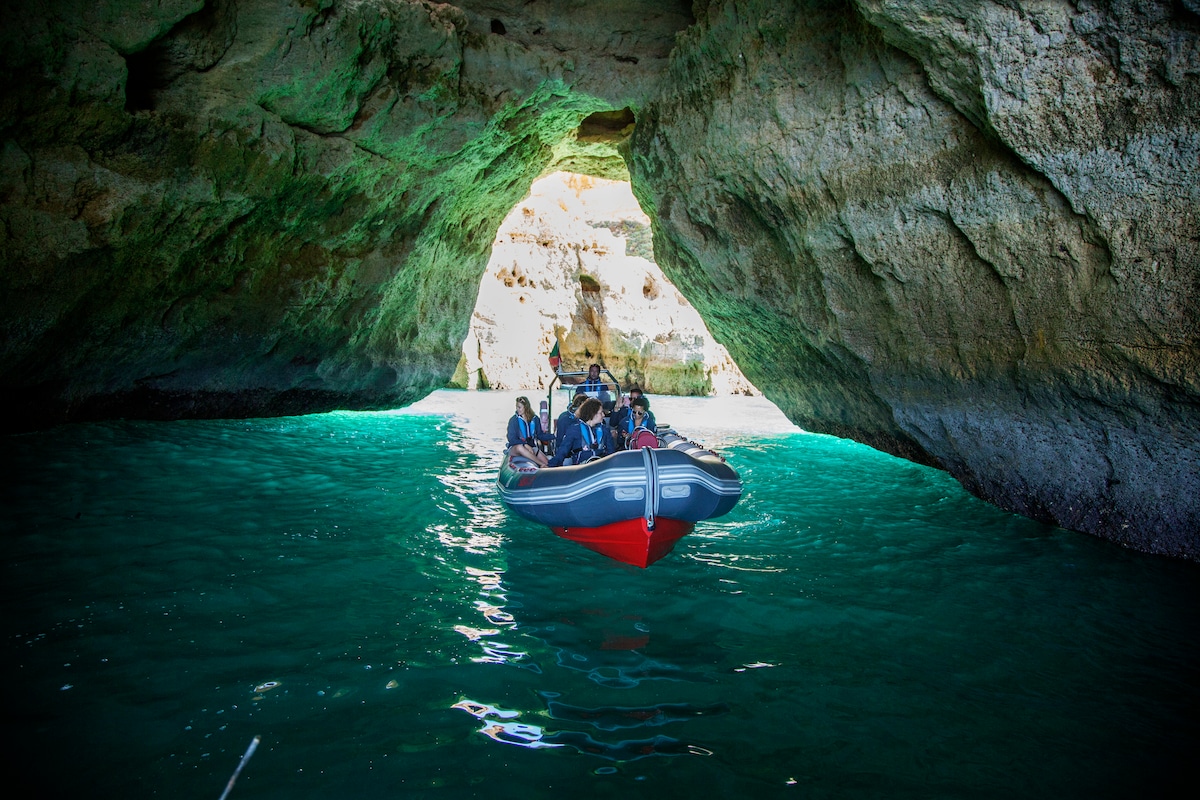
Explore dolphins and caves in Albufeira Marina
Wed, Feb 18 • 10:00 AM
8200, Albufeira, Portugal
View details
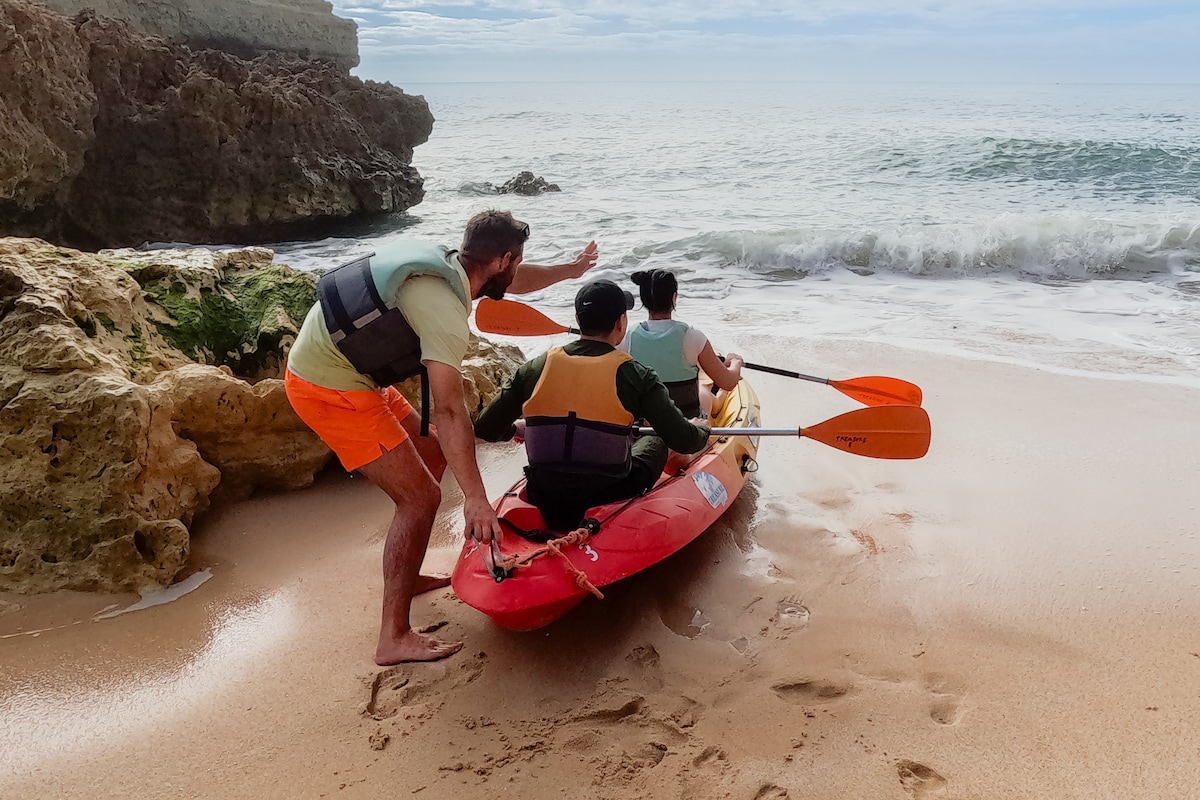
To the Benagil Cave and beyond, by kayak.
Wed, Feb 11 • 11:30 AM
8400, Porches, Portugal
View details
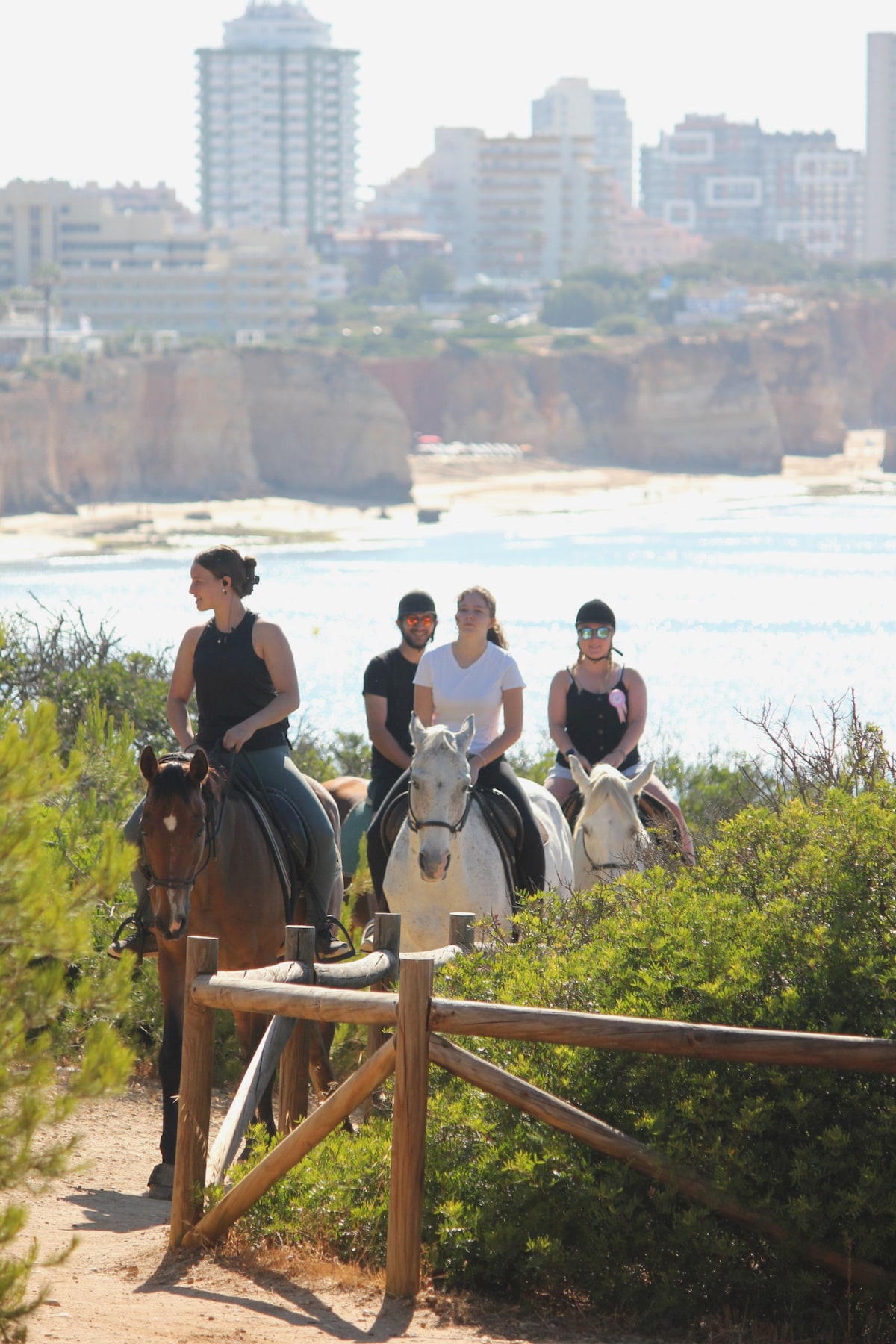
Exclusive Horseriding along the Algarve coast
Fri, Feb 13 • 10:00 AM
8500, Alvor, Portugal
View details
Nearby restaurants of Alcantarilha castle wall ruins
Casa de Pasto A Cisterna
Restaurante o Cantinho
Restaurante Dona Helena
Restaurante Galo Douro
Tasquinha Do João
Restaurante D Mestres
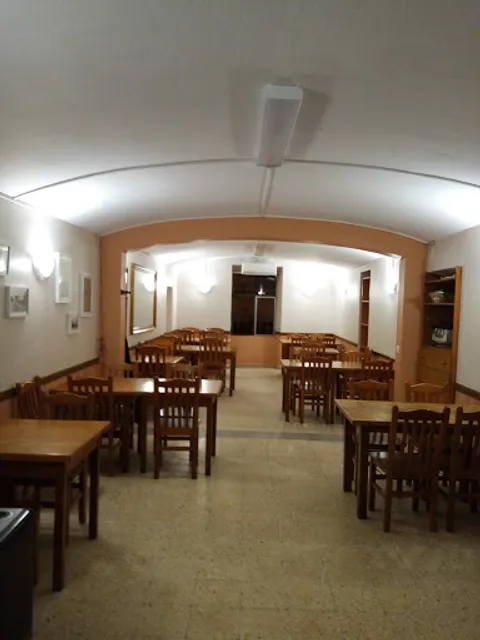
Casa de Pasto A Cisterna
4.4
(330)
Open until 3:00 PM
Click for details
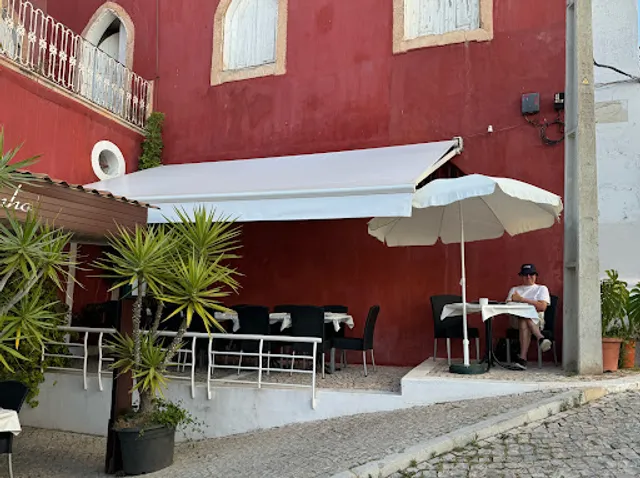
Restaurante o Cantinho
4.3
(230)
$$
Open until 12:00 AM
Click for details
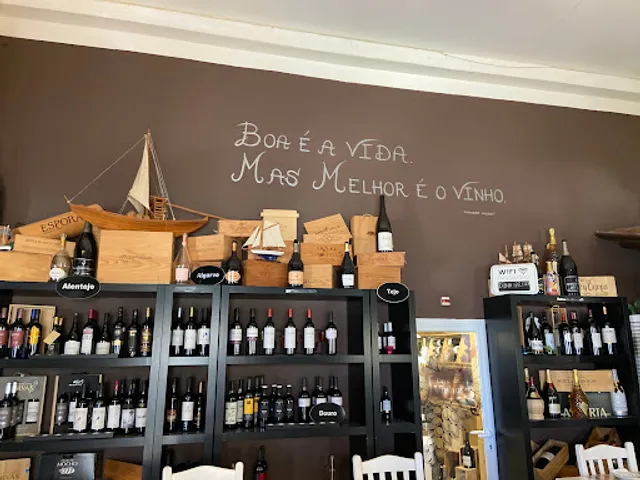
Restaurante Dona Helena
4.2
(128)
Open until 4:00 PM
Click for details
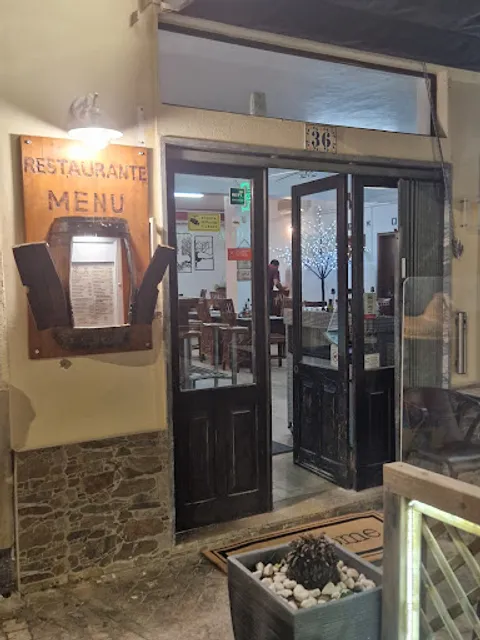
Restaurante Galo Douro
4.5
(143)
Open until 2:30 PM
Click for details