My visit to Cetatea de Scaun a Sucevei (Suceava Fortress) was a journey back in time to the captivating era of medieval history. This fortified stronghold in Romania stands as a testament to the region's rich cultural heritage and offers a fascinating glimpse into the past.
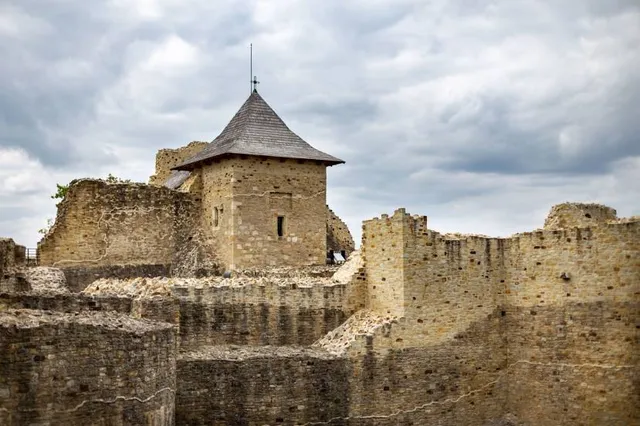
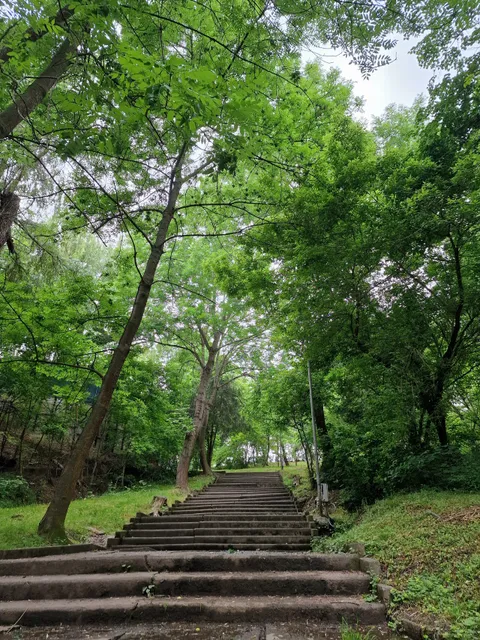
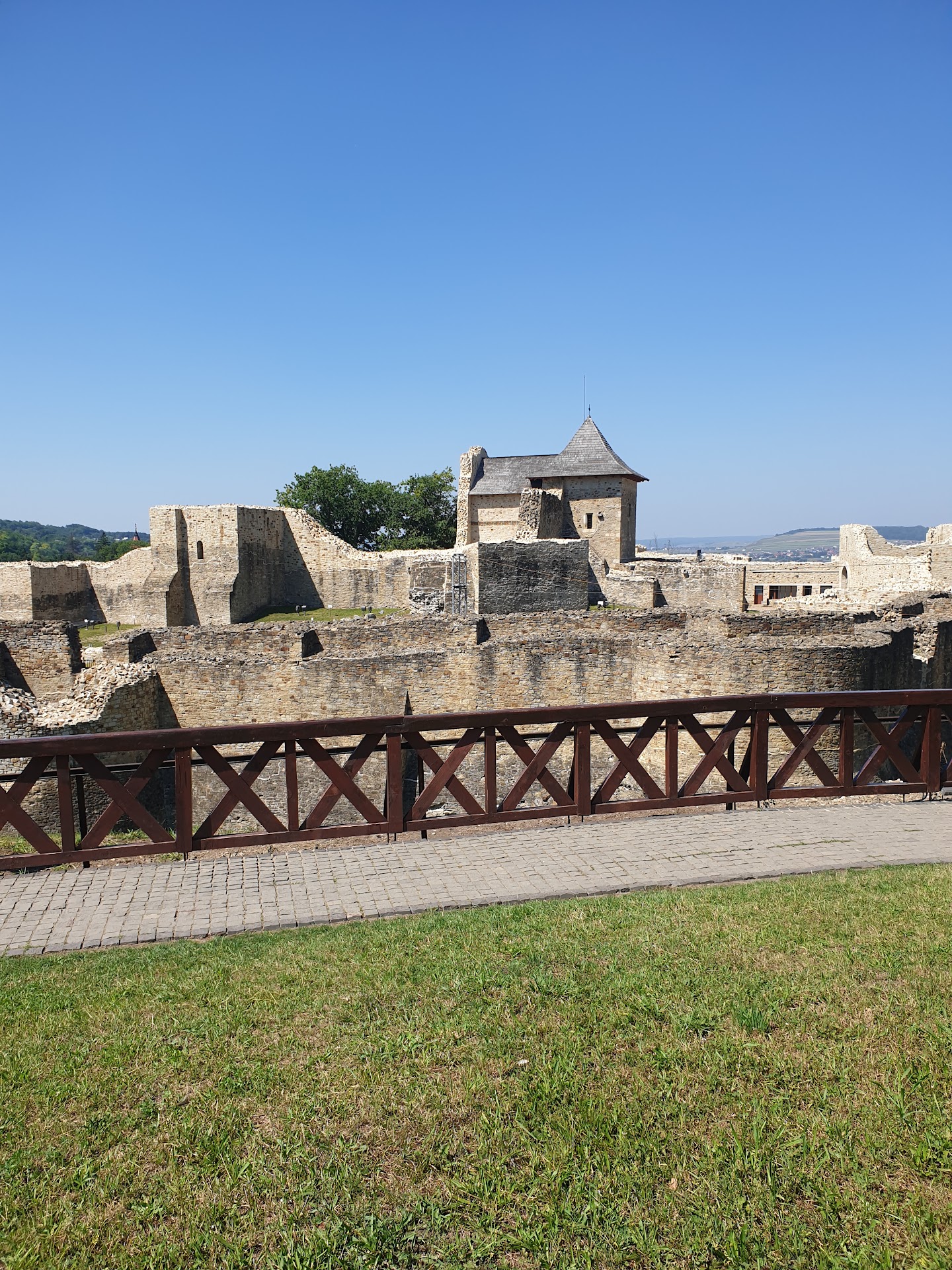
As I approached the fortress, its imposing walls and towering towers instantly evoked a sense of grandeur. The fortress, with its strategic location on a hilltop, commanded attention and admiration. The well-preserved architecture and intricate details transported me to a time when it was a center of power and governance.
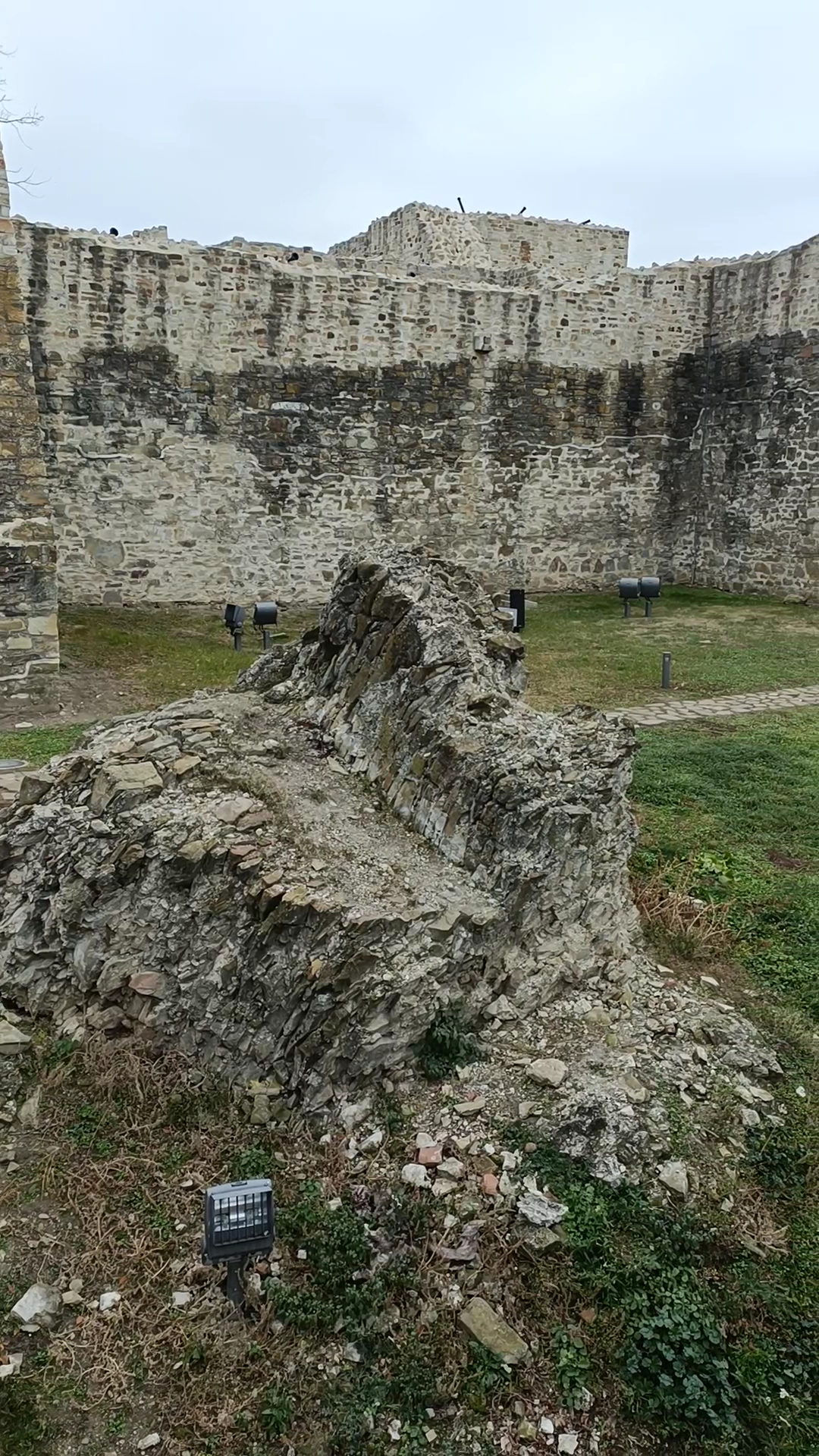
Stepping inside the fortress, I was greeted by a labyrinth of courtyards, chambers, and corridors. Exploring the various sections of the complex, I marveled at the craftsmanship and engineering prowess that went into its construction. The sturdy stone walls, the crenelated battlements, and the watchtowers stood as a testament to the fortress's defensive capabilities.
The fortress houses a museum that showcases a remarkable collection of artifacts, offering insight into the history and culture of the region. From weaponry and armor to religious artifacts and artwork, the exhibits provide a comprehensive understanding of the fortress's significance and the lives of its inhabitants.
One of the highlights of my visit was climbing the tower of the fortress, which provided panoramic views of the surrounding landscapes. From the top, I could see the sprawling city of Suceava, with its blend of historical charm and modern vibrancy. It was a mesmerizing sight that further enhanced my appreciation for the fortress's strategic position.
The fortress's historical importance is intertwined with the legacy of Stephen the Great, one of Romania's most renowned rulers. Stephen's reign is intricately connected to the fortress, and his presence is felt throughout the site. The museum exhibits and informational plaques shed light on his achievements and the pivotal role he played in shaping the region's history.
Visiting Cetatea de Scaun a Sucevei is not just an opportunity to delve into the past, but also a chance to immerse oneself in the ambiance of a bygone era. The fortress often hosts cultural events and reenactments, bringing history to life through theatrical performances, medieval markets, and traditional festivities. These events add an extra layer of authenticity and create a captivating atmosphere for visitors.
Cetatea de Scaun a Sucevei is a must-visit destination for history enthusiasts, architecture aficionados, and anyone seeking to experience the allure of medieval times. It is a place where the past comes alive, where stories of valor and cultural heritage are waiting to be discovered. My visit to the fortress left me with a profound appreciation for the region's rich history and a deep sense of admiration for the architectural marvel that is Cetatea de...
Read moreThat was my first time experience about any kind of European Fort. I was there in 2014 for attend the opening ceremony of 8th International Olympiad on Astronomy and Astrophysics. All off my past experience on Indian and Bangladeshi castle. First sight i noticed that the Structural design between European and Indian Fortress are totally different.Around the Fortress natural environment is pleasant. Inside the Fort, i thing very attractive for kids and adult also.
FORTRESS OF SUCEAVA – SUMMARY The Fortress of Suceava (Cetatea de Scaun a Sucevei) is a 14th-century fortification located in the city of Suceava, Romania. The fortress was built in the late 1300s by Moldavian ruler Peter Mușat (Petru II). Prince Mușat built the fortress to serve as his fortified residence and to protect the new Moldavian capital of Suceava from the threat posed by the Ottoman empire. Throughout its long history, the fortress underwent numerous repairs and many modifications that strengthened it against vulnerabilities. Over the nearly two hundred years since it was first erected, the fortress served as the residence for some of the most powerful and influential voivodes (rulers) of Moldavia. Some of the most famous rulers who lived within the fortress include Stephen the Great, Alexander the Good, Petru Rareș, and Vasile Lupu. The fortress has been the site of some of the bloodiest battles in Moldavia. Invaders ranging from Ottomans to traitors within the region have all tried to penetrate its defenses and capture the leaders within.
The fortress, also known as The Seat Fortress of Suceava, is one of the most visited tourist destinations in all of Bucovina. It holds a full-scale walkthrough museum that takes visitors through different interactive stages of the region’s history. The fortress, museum, and items found within are some of the most unique in the world. The Suceava Fortress also hosts yearly festivals and concerts that bring in tourists from all over the world. From history lovers to travelers and adventurers, the Fortress of Suceava has something...
Read moreIt's catered towards children more than anything. The way the information is presented and communicated to the visitors is at best amusing and at worst derogatory towards the historical values that it tries to describe. Good, solid information, but the way they recreated weapons, rooms, pictures, people and objects are reminding me of a bad, cheaply made fair ride.
Almost all of the projections or interactive materials were out of order. An audio guide was advertised as being available to listen to, but this seems to be a perk from the past as the app is no longer maintained or available. The rooms, at the beginning of the citadel tour are numbered, but you soon find out that that also is something that was once available as the numbers have disappeared almost entirely. Disrespectful and disappointing.
On the newly renovated area there is already a spot where the masonry is falling, which is not an issue on its own, but the fact that it is marked with an almost invisible sign advising good eyed visitors to avoid the area instead of isolating it or, better yet, fixing the problem is extremely disappointing. It reminded me of "atenție! Cade tencuiala!" signs from Bucharest.
It is clearly visible that there was a lot of thought and care, and most likely mountains of EU funds money put in this project at the beginning, but the state in which it is right now made me think about neglect, corruption, lack of respect for history and lack of respect for the visitors.
The entrance is not free, it is definitely not expensive also, if asked I would guess that there were some funds allocated at the beginning for the upcoming upkeep. But it seems that none of these income streams are enough to keep the projectors projecting, the building from not cracking and the historical depictions to be more true to life than a caricature of past times. Or for the administrative bodies to care and invest a sense of pride in this...
Read more