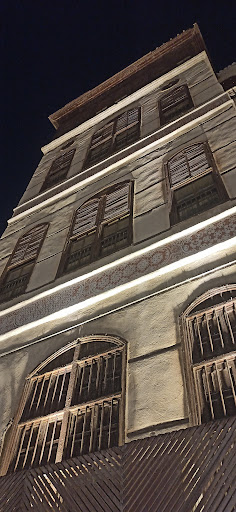
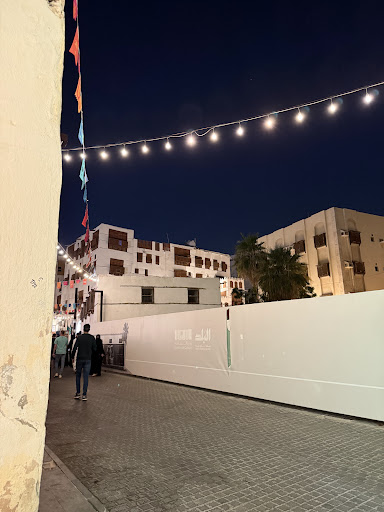
Old Jeddah, Al Balad things to do, attractions, restaurants, events info and trip planning
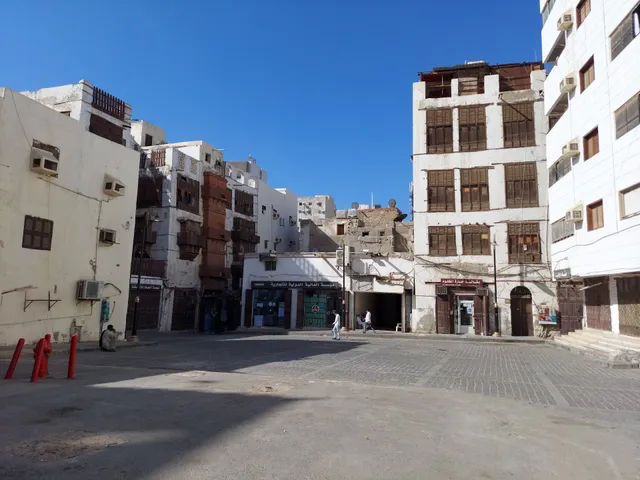
Basic Info
Old Jeddah, Al Balad
3022-3107 Bazan Ln, Al-Balad, Jeddah 22236, Saudi Arabia
4.5(2.2K)
Closed
Save
spot
spot
Ratings & Description
Info
Cultural
Scenic
Family friendly
Off the beaten path
attractions: Bab Jadid, Al Shafee Mosque, Jaffali Mosque, Nassif House Museum, Bayt Al-Balad, Akkash Mosque, Jeddah Historic District, Al Ma'amar Mosque, Lake Arbaeen, Tariq Abdulhakim Center, restaurants: Ba’eshen Seafood, مطعم الندى للاسماك, مطعم درة الصياد, مطعم نكهة تراثنا Granny’s Cuisine, مطعم الشيف الذهبي للأسماك, Rasela Resto & Cafe, مطعم اليم للاسماك, Shawly Restaurant, Albasali seafood restaurant, مطعم الدرج للأسماك و المأكولات البحرية . Al-Daraj Seafood Restaurant, local businesses: Jeddah Historic District – Al-Balad, Souk Al-Nada, Friday Market, قزاز, Al Rehab Perfumes, Banafa for Oud, teamLab Borderless Jeddah, Souk Bab Sharif, Al Balad jeddah, vegetable market
 Learn more insights from Wanderboat AI.
Open hoursSee all hours
Fri5 PM - 12 AMClosed
Plan your stay

Pet-friendly Hotels in Makkah Region
Find a cozy hotel nearby and make it a full experience.

Affordable Hotels in Makkah Region
Find a cozy hotel nearby and make it a full experience.

The Coolest Hotels You Haven't Heard Of (Yet)
Find a cozy hotel nearby and make it a full experience.

Trending Stays Worth the Hype in Makkah Region
Find a cozy hotel nearby and make it a full experience.
Reviews
Nearby attractions of Old Jeddah, Al Balad
Bab Jadid
Al Shafee Mosque
Jaffali Mosque
Nassif House Museum
Bayt Al-Balad
Akkash Mosque
Jeddah Historic District
Al Ma'amar Mosque
Lake Arbaeen
Tariq Abdulhakim Center
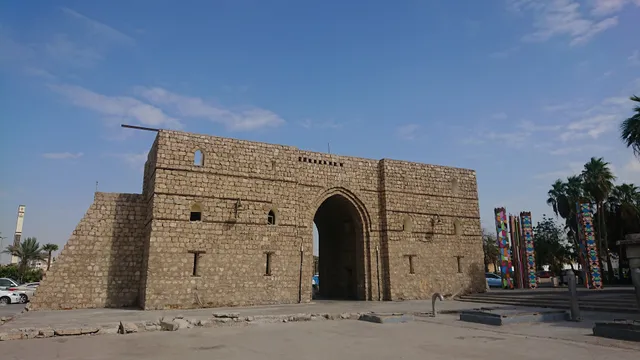
Bab Jadid
4.5
(886)
Open 24 hours
Click for details
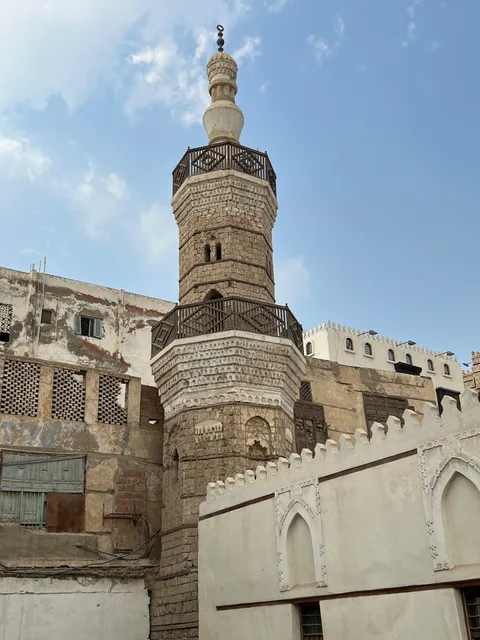
Al Shafee Mosque
4.8
(288)
Open 24 hours
Click for details
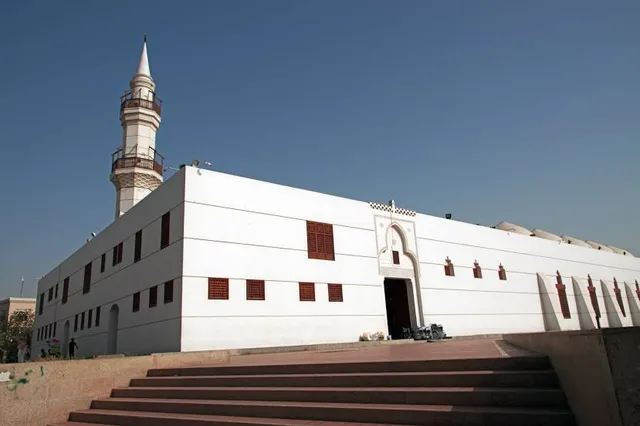
Jaffali Mosque
4.7
(2.8K)
Open until 12:00 AM
Click for details
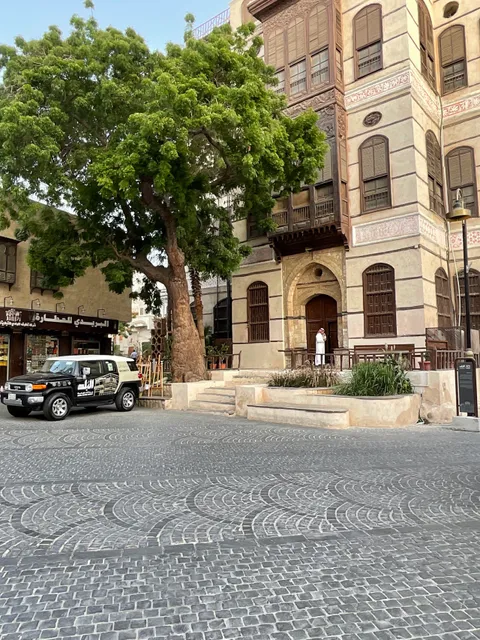
Nassif House Museum
4.4
(2.3K)
Closed
Click for details
Nearby restaurants of Old Jeddah, Al Balad
Ba’eshen Seafood
مطعم الندى للاسماك
مطعم درة الصياد
مطعم نكهة تراثنا Granny’s Cuisine
مطعم الشيف الذهبي للأسماك
Rasela Resto & Cafe
مطعم اليم للاسماك
Shawly Restaurant
Albasali seafood restaurant
مطعم الدرج للأسماك و المأكولات البحرية . Al-Daraj Seafood Restaurant

Ba’eshen Seafood
4.3
(2.5K)
$$
Closed
Click for details
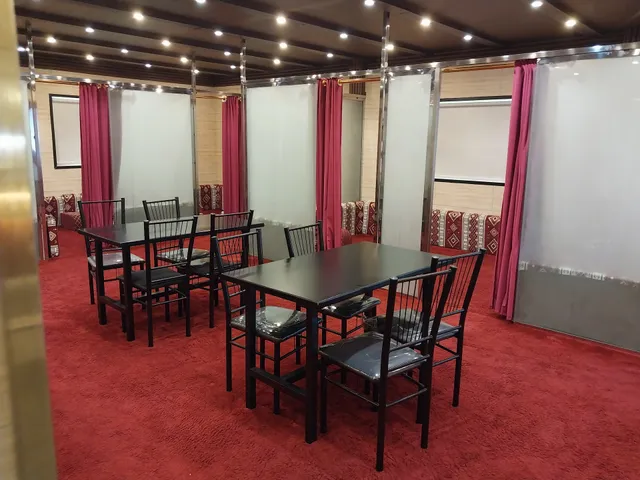
مطعم الندى للاسماك
4.2
(869)
Closed
Click for details
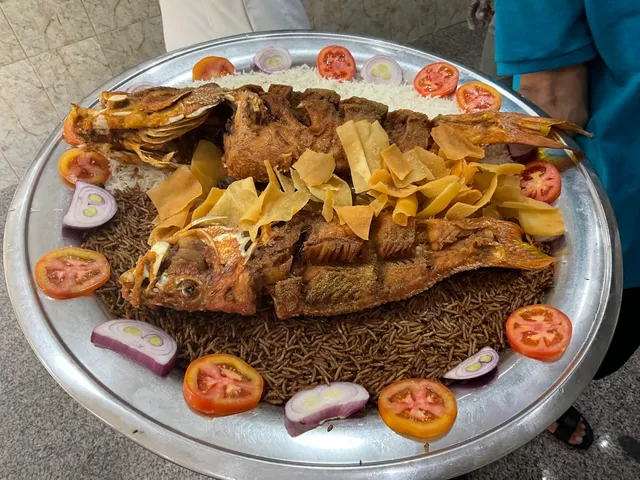
مطعم درة الصياد
4.5
(401)
Closed
Click for details
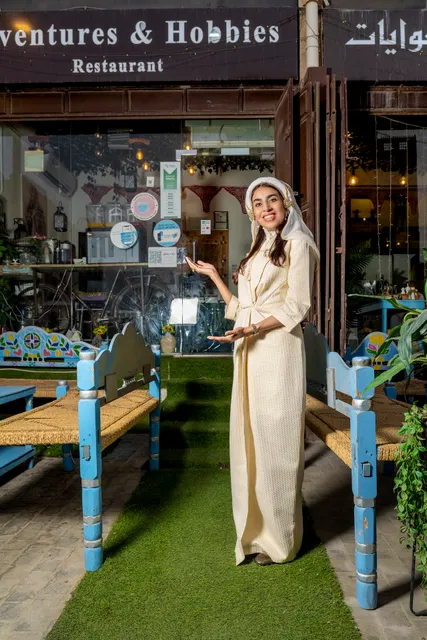
مطعم نكهة تراثنا Granny’s Cuisine
4.2
(84)
Open until 11:00 PM
Click for details
Nearby local services of Old Jeddah, Al Balad
Jeddah Historic District – Al-Balad
Souk Al-Nada
Friday Market
قزاز
Al Rehab Perfumes
Banafa for Oud
teamLab Borderless Jeddah
Souk Bab Sharif
Al Balad jeddah
vegetable market
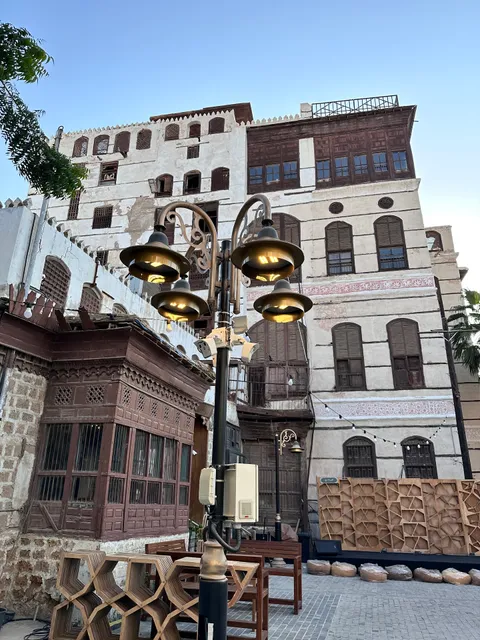
Jeddah Historic District – Al-Balad
4.5
(3.1K)
Click for details
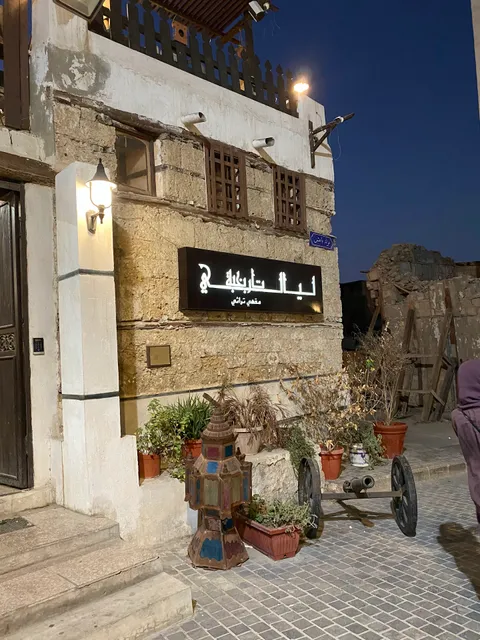
Souk Al-Nada
4.1
(749)
Click for details
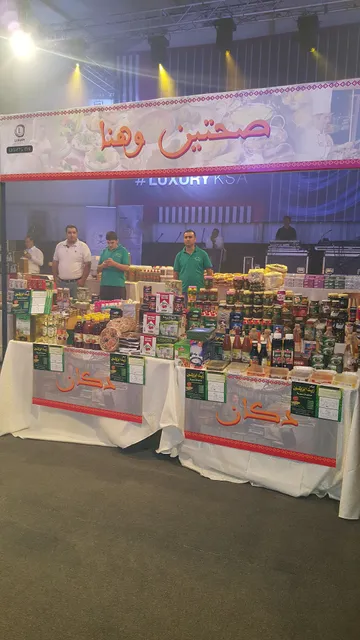
Friday Market
3.8
(165)
Click for details
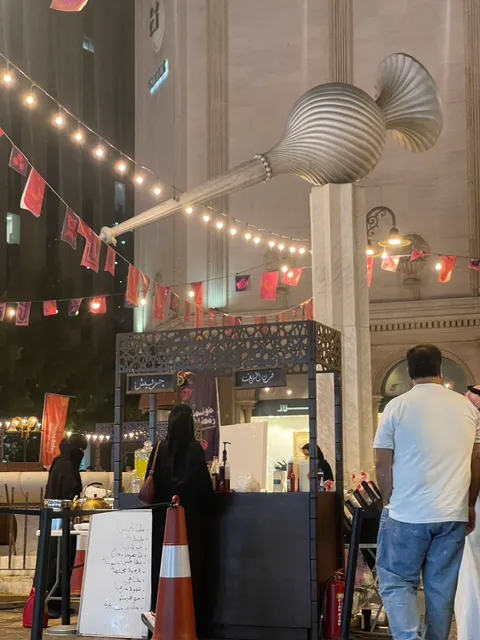
قزاز
4.3
(109)
Click for details