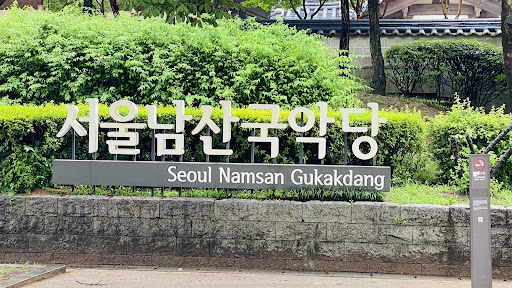
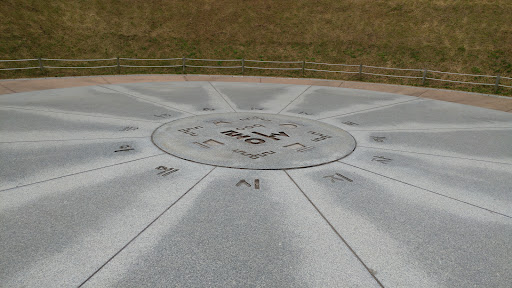
Namsangol Hanok Village things to do, attractions, restaurants, events info and trip planning
Basic Info
Namsangol Hanok Village
28 Toegye-ro 34-gil, Jung District, Seoul, South Korea
4.4(13)
Closed
Save
spot
spot
Ratings & Description
Info
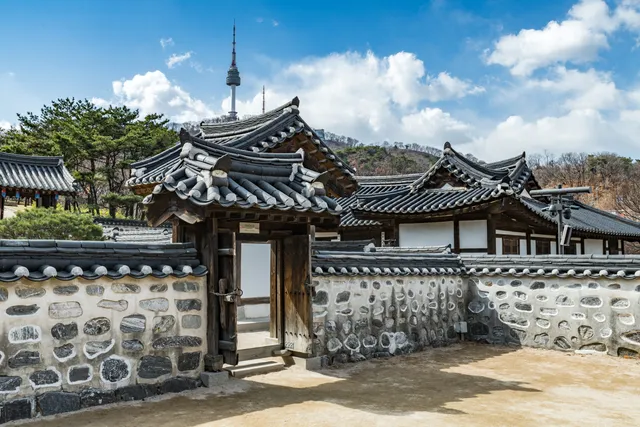
Namsangol Hanok Village is a recreated village of historical Korean buildings in Pil-dong, Jung District, Seoul, South Korea. The village contains several Korean traditional houses called hanok.
Cultural
Family friendly
attractions: Street Museum, Seoul 1000 Years Time Capsule, Seoul Millennium Time Capsule Square, JUMP, 명보아트홀, Myeongdong Cathedral, Seoul Institute of the Arts, Gallery Bresson, Namsan Yejang Park, 와일드 와일드 전용관, restaurants: Pildong Hambak, Holly's Coffee, 파스타마켓, Hebe coffee, 필동 해물, Cheonghae, 동방명주, Onsuban, Pint Room, Ciabatta Mong's, local businesses: Chungmuro, Gwanhun Dongmin Family House, Chungjeongsa, Inhyeon Traditional Market, Dongguk University - Seoul Campus, Daiso (Myeongdong Station Branch), 🌟JUNOHAIR MyeongdongStreet Branch🌟, Myeong Dong Night Market, SHILLA Esthetic, Myeongdong Underground Shopping Center
 Learn more insights from Wanderboat AI.
Phone
+82 2-6358-5533
Website
hanokmaeul.co.kr
Open hoursSee all hours
SunClosed
Plan your stay

Pet-friendly Hotels in Seoul
Find a cozy hotel nearby and make it a full experience.

Affordable Hotels in Seoul
Find a cozy hotel nearby and make it a full experience.

The Coolest Hotels You Haven't Heard Of (Yet)
Find a cozy hotel nearby and make it a full experience.

Trending Stays Worth the Hype in Seoul
Find a cozy hotel nearby and make it a full experience.
Reviews
Live events
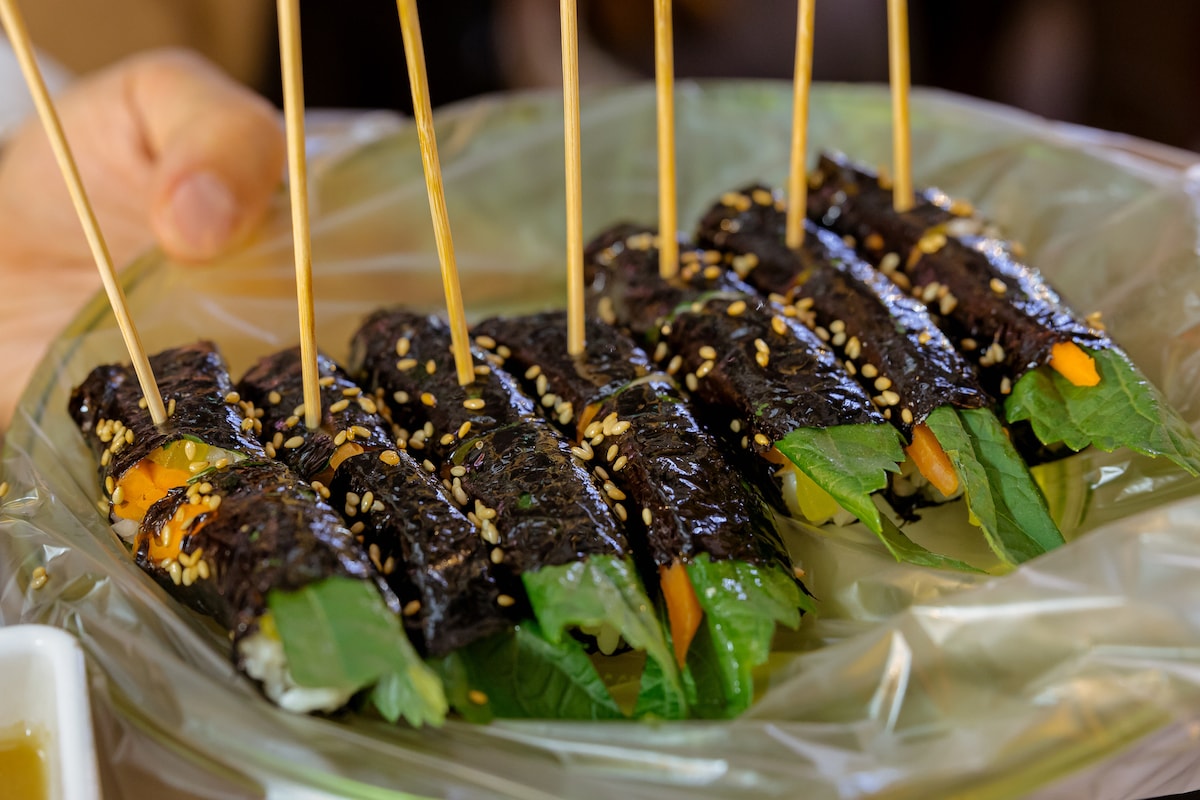
Explore night market food
Sun, Feb 22 • 6:00 PM
Seoul, 종로5.6가동, 종로구, 03195, South Korea
View details
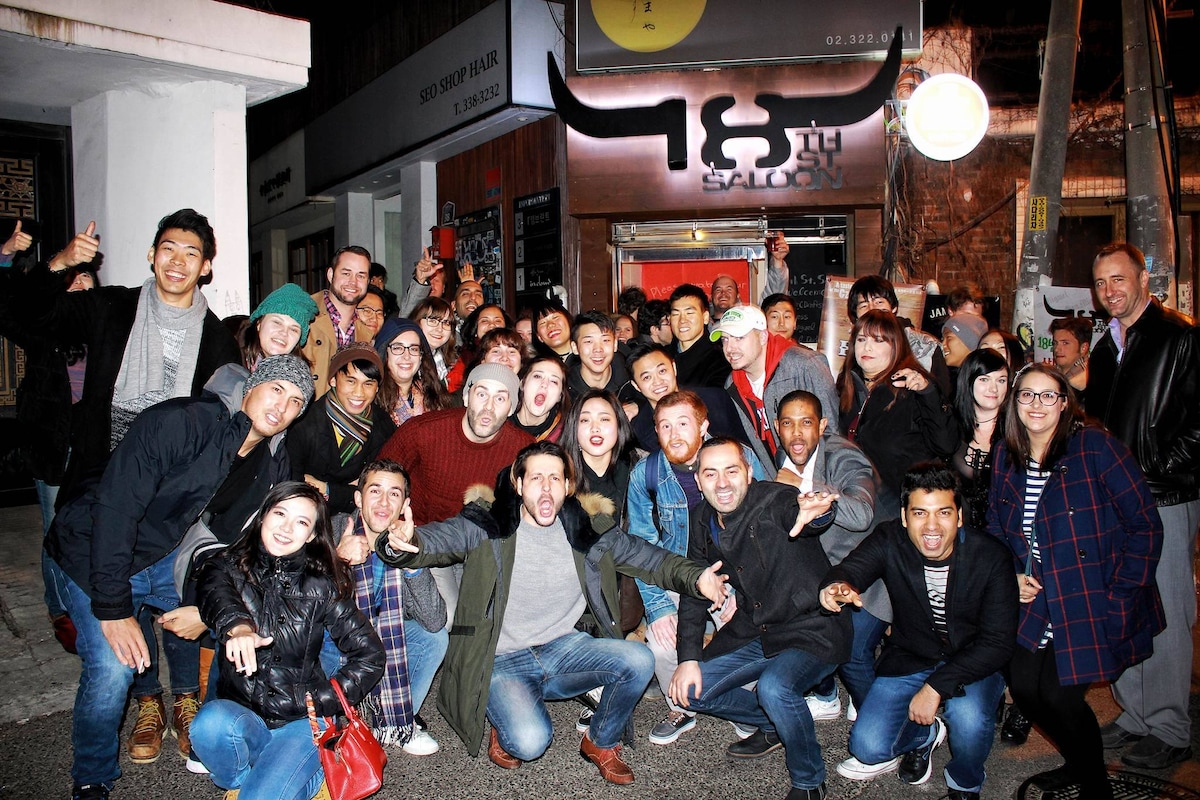
Seoul Pub Crawl
Sat, Feb 21 • 8:00 PM
Seoul, Mapo-gu, 04049, South Korea
View details
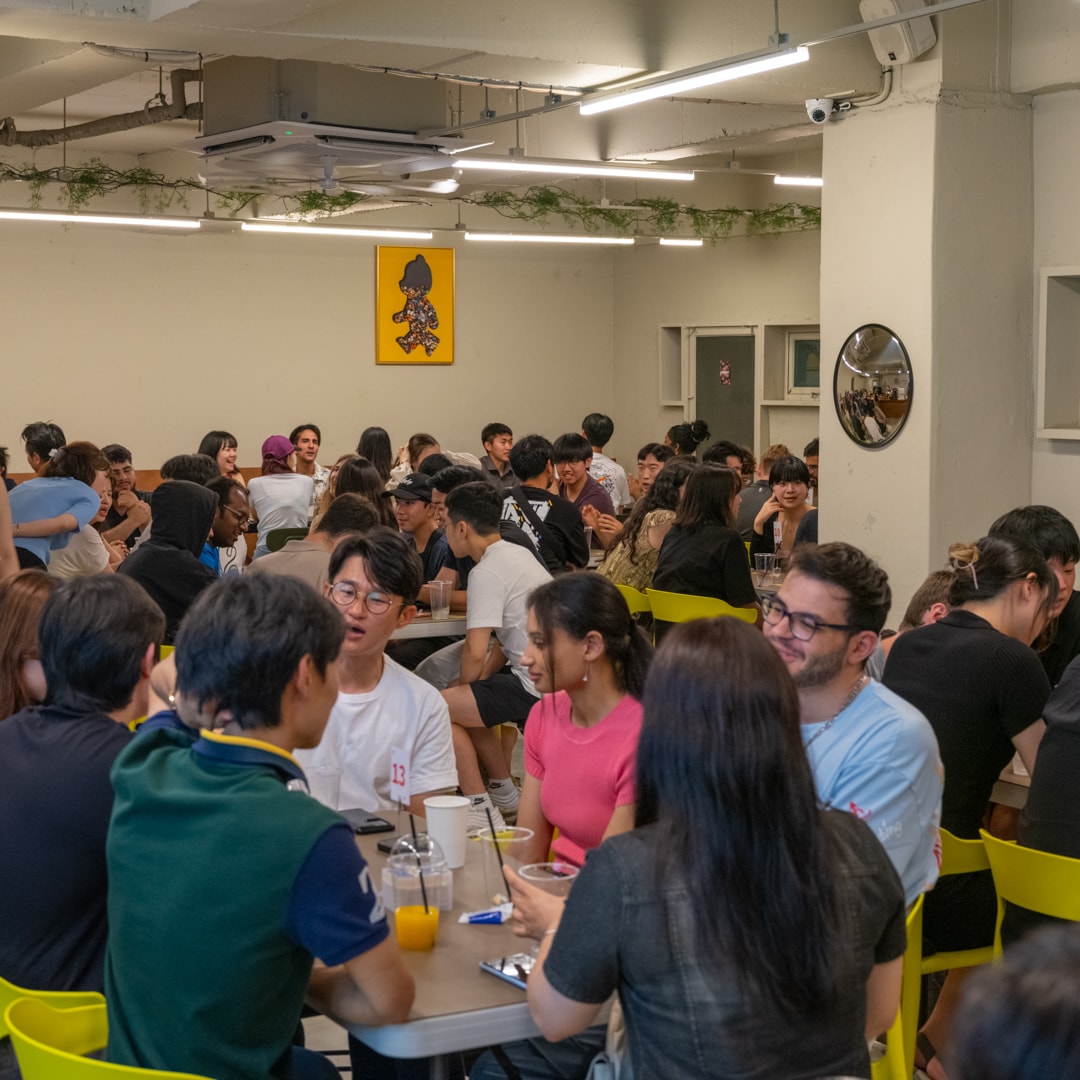
International Language Exchange In Hongdae
Wed, Feb 25 • 7:00 PM
Seoul, Seoul, 04049, South Korea
View details
Nearby attractions of Namsangol Hanok Village
Street Museum
Seoul 1000 Years Time Capsule
Seoul Millennium Time Capsule Square
JUMP
명보아트홀
Myeongdong Cathedral
Seoul Institute of the Arts
Gallery Bresson
Namsan Yejang Park
와일드 와일드 전용관
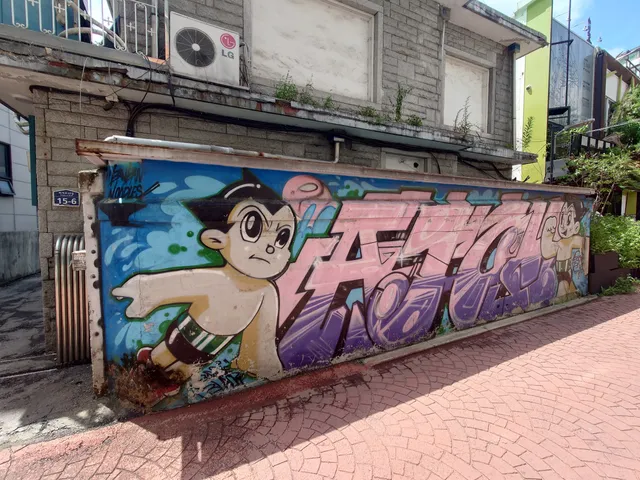
Street Museum
4.1
(19)
Open until 12:00 AM
Click for details
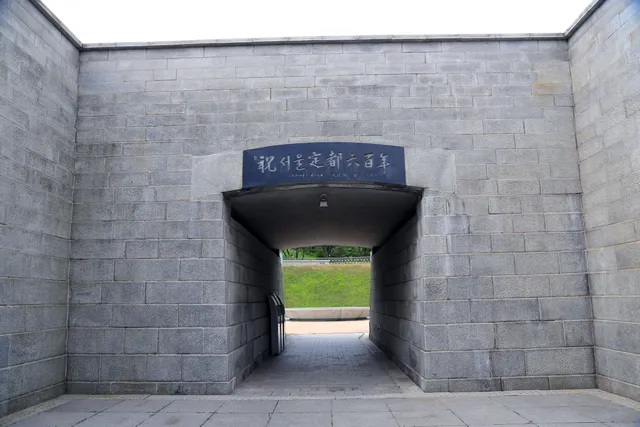
Seoul 1000 Years Time Capsule
4.4
(22)
Open 24 hours
Click for details
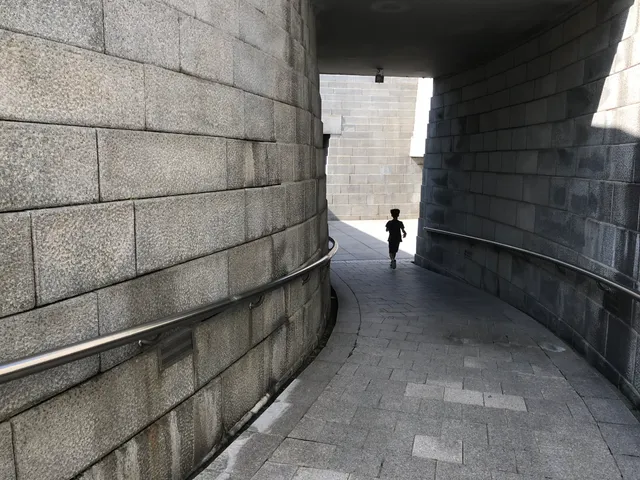
Seoul Millennium Time Capsule Square
4.4
(9)
Closed
Click for details
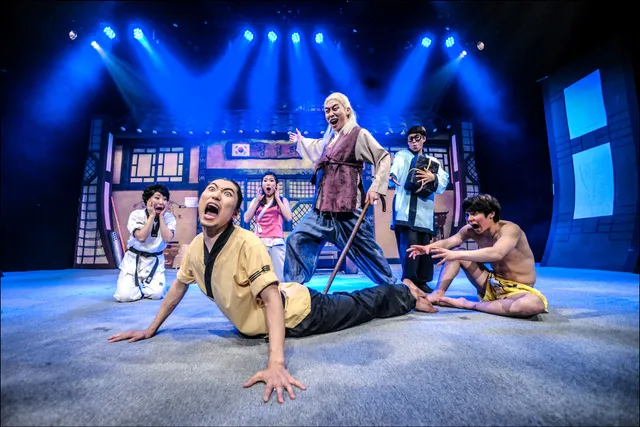
JUMP
4.5
(452)
Open 24 hours
Click for details
Nearby restaurants of Namsangol Hanok Village
Pildong Hambak
Holly's Coffee
파스타마켓
Hebe coffee
필동 해물
Cheonghae
동방명주
Onsuban
Pint Room
Ciabatta Mong's
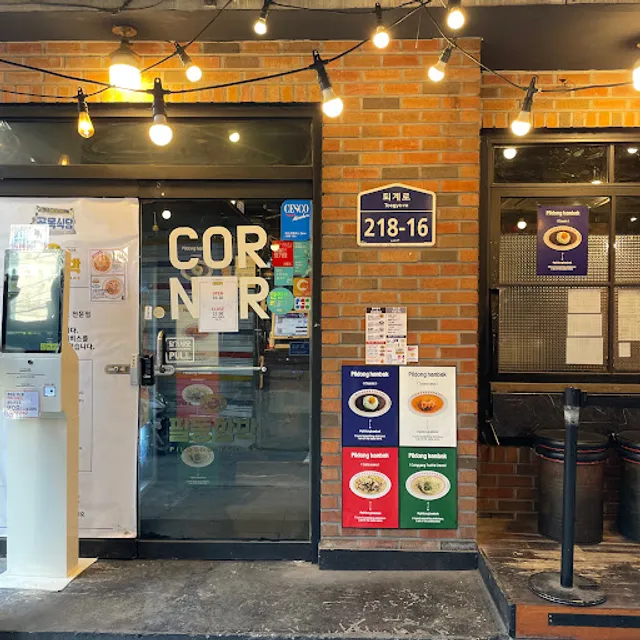
Pildong Hambak
4.2
(578)
Closed
Click for details
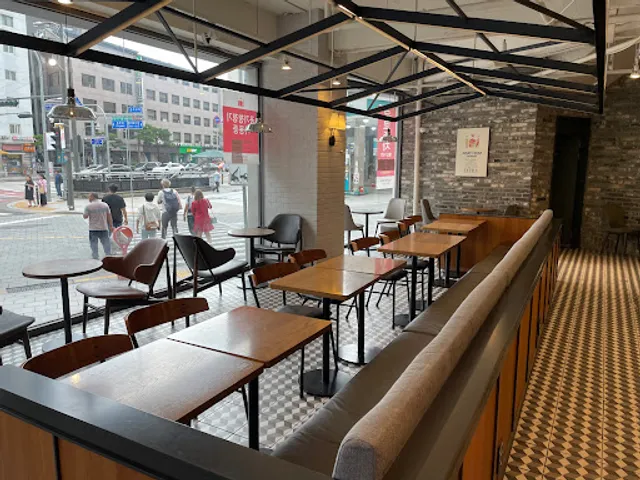
Holly's Coffee
4.0
(270)
Closed
Click for details
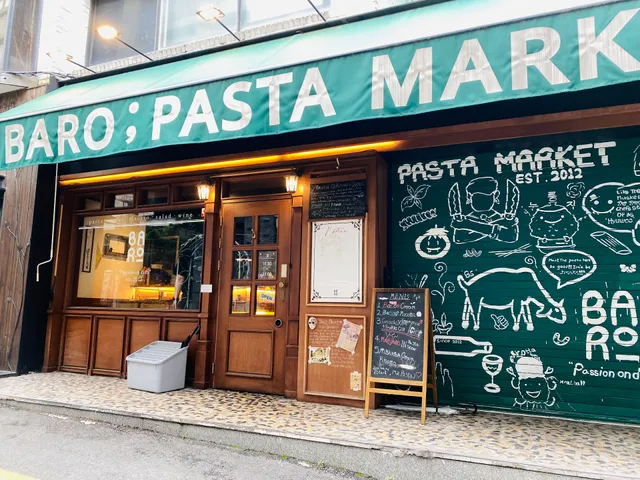
파스타마켓
4.5
(186)
Open until 12:00 AM
Click for details
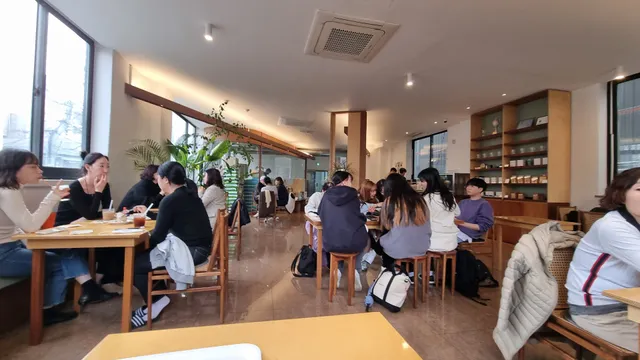
Hebe coffee
4.5
(91)
Closed
Click for details
Nearby local services of Namsangol Hanok Village
Chungmuro
Gwanhun Dongmin Family House
Chungjeongsa
Inhyeon Traditional Market
Dongguk University - Seoul Campus
Daiso (Myeongdong Station Branch)
🌟JUNOHAIR MyeongdongStreet Branch🌟
Myeong Dong Night Market
SHILLA Esthetic
Myeongdong Underground Shopping Center
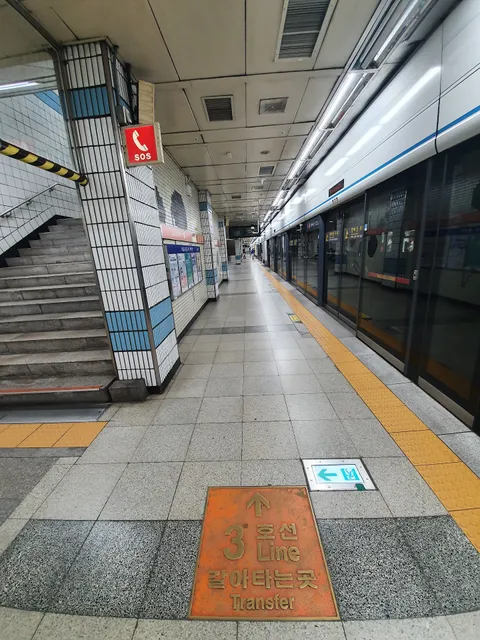
Chungmuro
4.1
(113)
Click for details
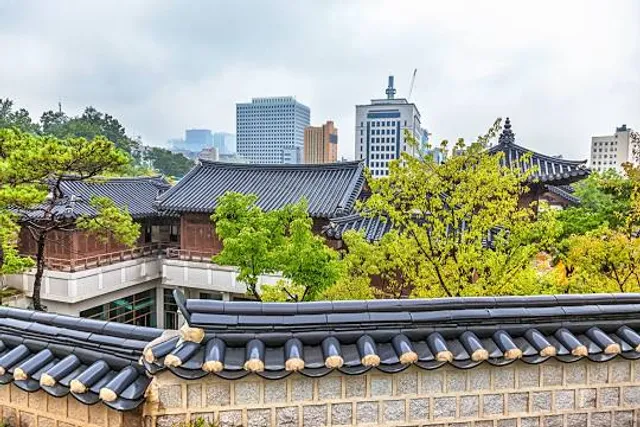
Gwanhun Dongmin Family House
3.9
(9)
Click for details
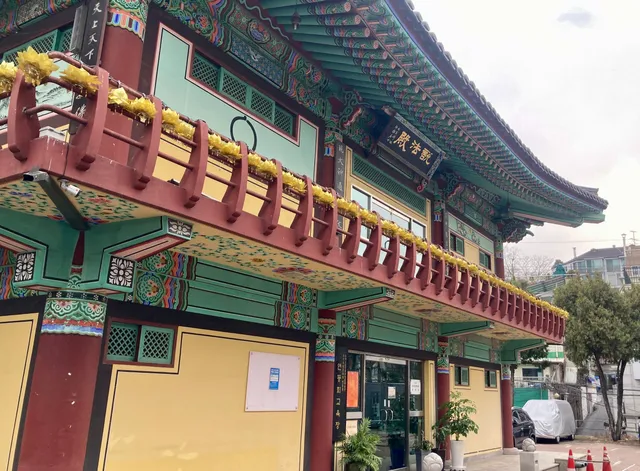
Chungjeongsa
3.9
(10)
Click for details
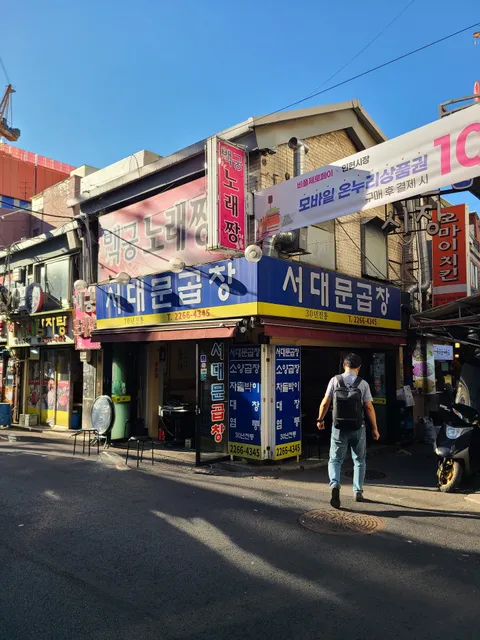
Inhyeon Traditional Market
4.1
(131)
Click for details