Almeria Cathedral things to do, attractions, restaurants, events info and trip planning
Basic Info
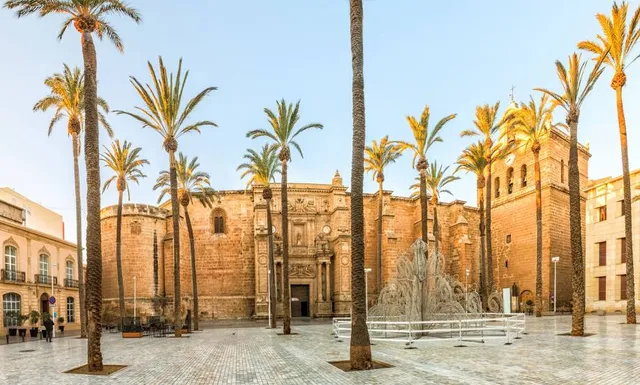
Almeria Cathedral
Pl. de la Catedral, 8, 04001 Almería, Spain
4.4(3K)
Closed


tickets
Save
spot
spot
Ratings & Description
Info
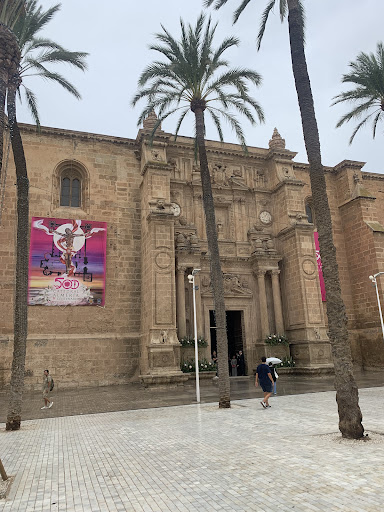
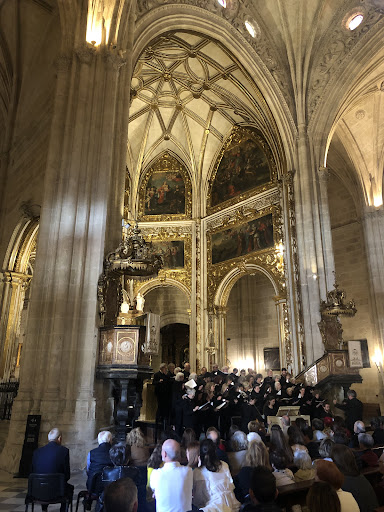
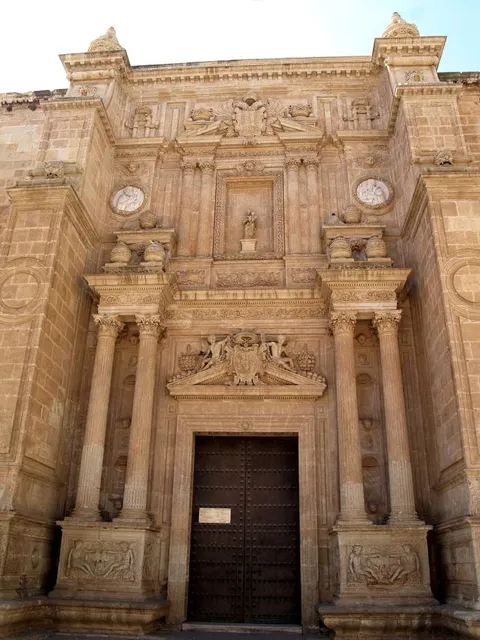
The Cathedral of Almería, in full the Cathedral of the Incarnation of Almería, is a Roman Catholic cathedral in the city of Almería, Andalusia. It is the seat of the Diocese of Almería.
Cultural
Accessibility
attractions: Museo de la Guitarra Almeria, Centro Andaluz de la Fotografía, Casa del Poeta José Ángel Valente, Parque Nicolás Salmerón, Oficina Municipal de Turismo, Refugios de la Guerra Civil Española de Almería, Heritage Interpretation Center of Almeria, Sanctuary of the Virgen del Mar (Convento de Santo Domingo), Monumento a los Mártires de la Libertad (Pingurucho de Los Coloraos), Palacio de los Marqueses de Cabra, restaurants: La Consentida Brasería, Casa Puga, Tortillería La Mala, Restaurante Cuatro Hojas (by Juanjo Carabajal), Rotterdam Tap Room, Patio de vecinas, Restaurante Las Patronas Almería, La Azotea, De Tal Palo - Taberna Gastronómica, Bar La Lupe, local businesses: OLÉ SOUVENIRS DE ALMERÍA, Monasterio de la Purísima Concepción, Bishopric of Almería, Mercado Central de Almería, Mercado central a domicilio, Centro de Interpretación Puerta de Almería (Abu-Nõah), Puerta de Purchena, Joyeria Canaima, Royal Monastery of the Incarnation (Las Claras), CO-Shopping Almería
 Learn more insights from Wanderboat AI.
Phone
+34 605 42 99 79
Website
catedralalmeria.com
Open hoursSee all hours
Wed10 AM - 2:30 PM, 4 - 7 PMClosed
Plan your stay

Pet-friendly Hotels in Almeria
Find a cozy hotel nearby and make it a full experience.

Affordable Hotels in Almeria
Find a cozy hotel nearby and make it a full experience.

The Coolest Hotels You Haven't Heard Of (Yet)
Find a cozy hotel nearby and make it a full experience.

Trending Stays Worth the Hype in Almeria
Find a cozy hotel nearby and make it a full experience.
Reviews
Live events
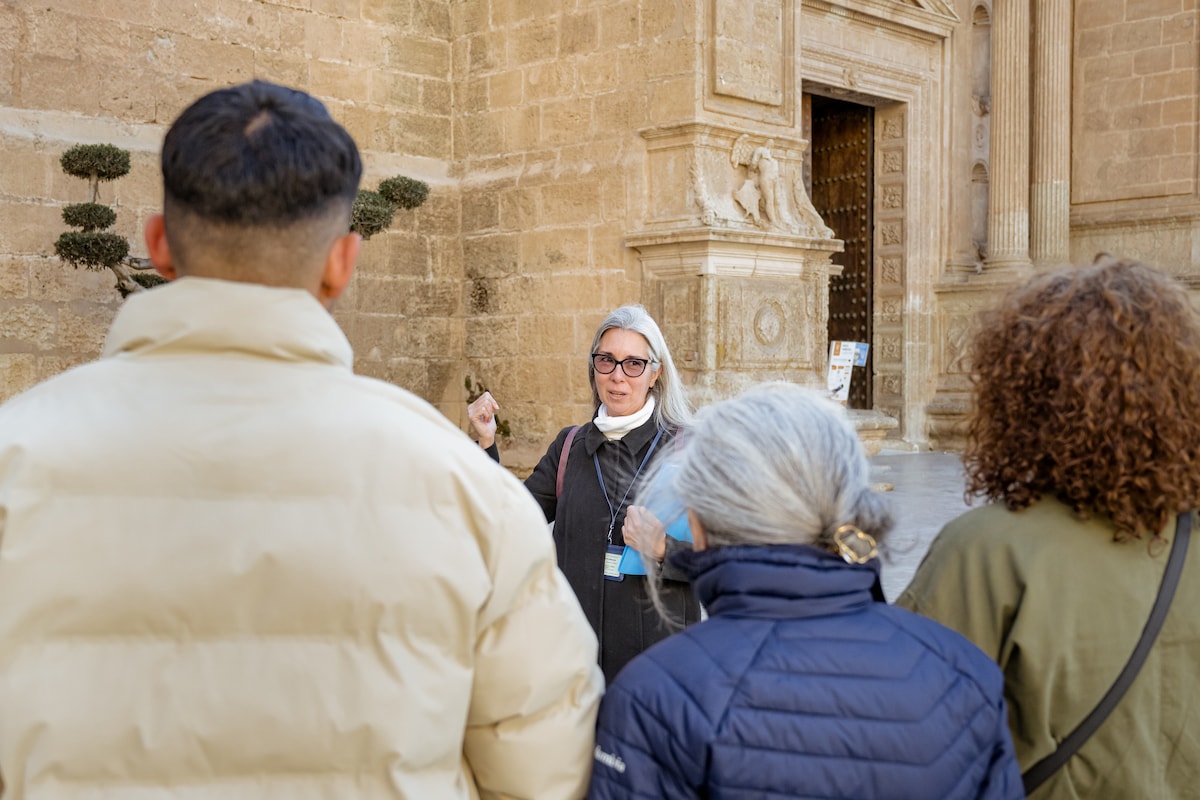
Guided tour of Almerías Old Town
Sat, Feb 28 • 10:00 AM
04001, Almería, Andalusia, Spain
View details

Language Exchange / Tandem Wednesdays in Almería
Wed, Feb 25 • 6:00 PM
36 Avenida de Cabo de Gata Entrance from the seafront. Entrada desde el paseo marítimo. 04007 Almería
View details

Cenas con Desconocidos en Almería
Wed, Feb 25 • 9:00 PM
Puerta de Purchena 04003 Almería
View details
Nearby attractions of Almeria Cathedral
Museo de la Guitarra Almeria
Centro Andaluz de la Fotografía
Casa del Poeta José Ángel Valente
Parque Nicolás Salmerón
Oficina Municipal de Turismo
Refugios de la Guerra Civil Española de Almería
Heritage Interpretation Center of Almeria
Sanctuary of the Virgen del Mar (Convento de Santo Domingo)
Monumento a los Mártires de la Libertad (Pingurucho de Los Coloraos)
Palacio de los Marqueses de Cabra
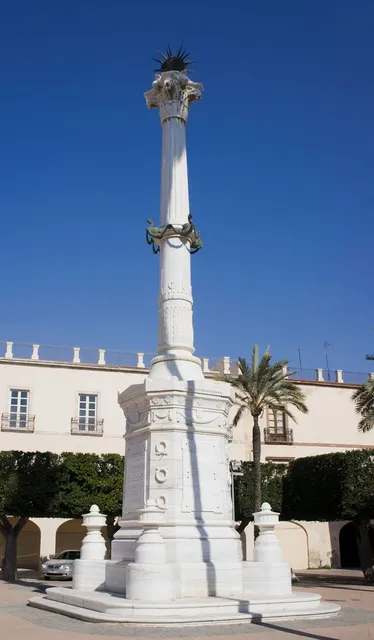
Museo de la Guitarra Almeria
4.4
(287)
Closed
Click for details
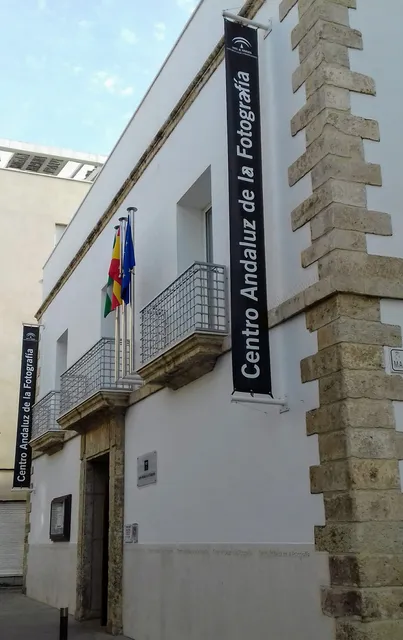
Centro Andaluz de la Fotografía
4.6
(305)
Closed
Click for details
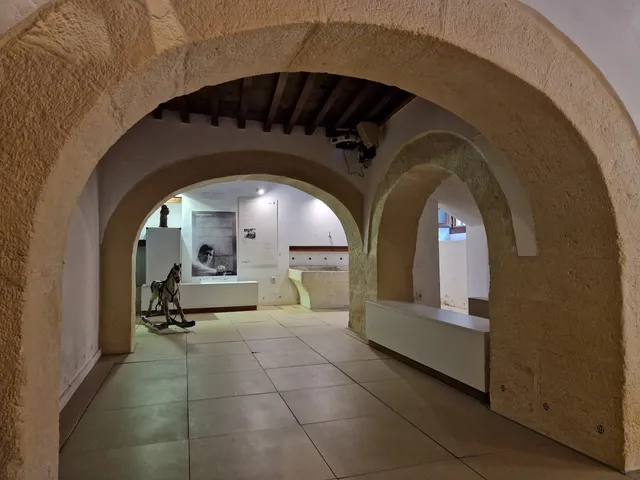
Casa del Poeta José Ángel Valente
4.8
(123)
Open until 12:00 AM
Click for details
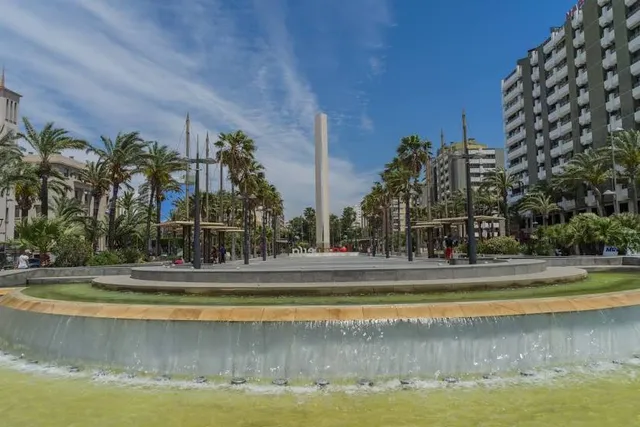
Parque Nicolás Salmerón
4.3
(1.7K)
Open until 12:00 AM
Click for details
Nearby restaurants of Almeria Cathedral
La Consentida Brasería
Casa Puga
Tortillería La Mala
Restaurante Cuatro Hojas (by Juanjo Carabajal)
Rotterdam Tap Room
Patio de vecinas
Restaurante Las Patronas Almería
La Azotea
De Tal Palo - Taberna Gastronómica
Bar La Lupe
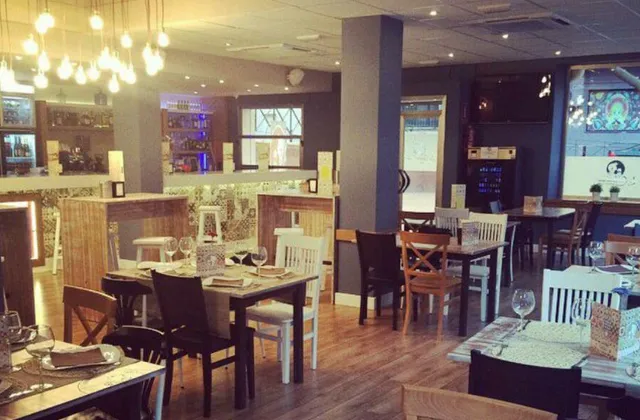
La Consentida Brasería
4.4
(2.4K)
Closed
Click for details
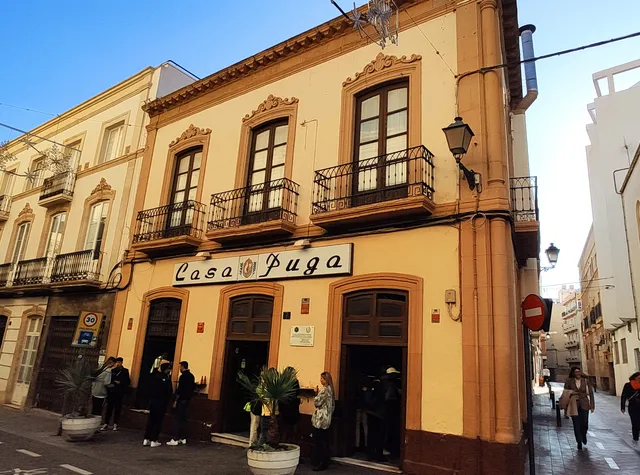
Casa Puga
4.4
(2.4K)
Closed
Click for details
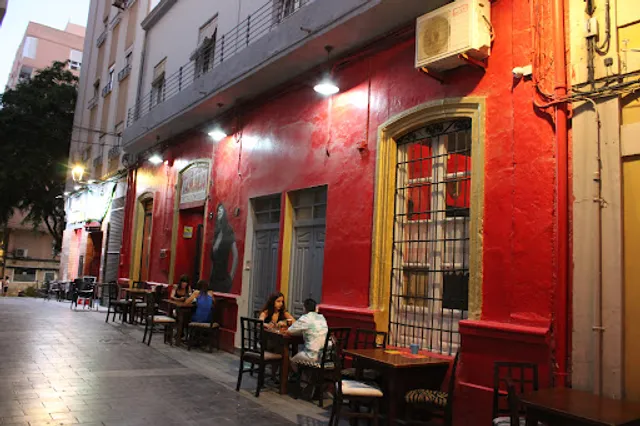
Tortillería La Mala
4.5
(931)
$
Closed
Click for details
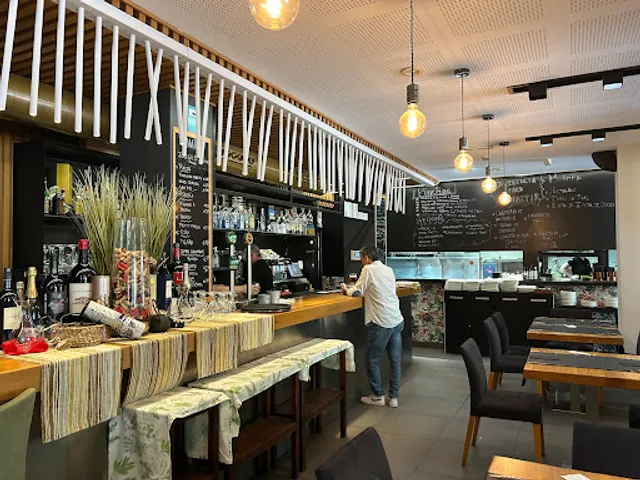
Restaurante Cuatro Hojas (by Juanjo Carabajal)
4.8
(827)
Open until 12:00 AM
Click for details
Nearby local services of Almeria Cathedral
OLÉ SOUVENIRS DE ALMERÍA
Monasterio de la Purísima Concepción
Bishopric of Almería
Mercado Central de Almería
Mercado central a domicilio
Centro de Interpretación Puerta de Almería (Abu-Nõah)
Puerta de Purchena
Joyeria Canaima
Royal Monastery of the Incarnation (Las Claras)
CO-Shopping Almería
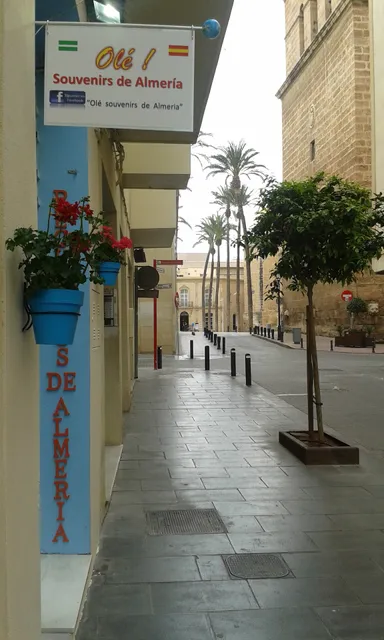
OLÉ SOUVENIRS DE ALMERÍA
4.7
(133)
Click for details
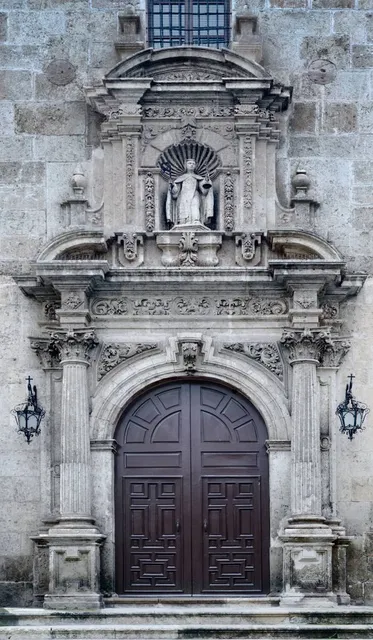
Monasterio de la Purísima Concepción
4.7
(63)
Click for details
Bishopric of Almería
4.3
(23)
Click for details
Mercado Central de Almería
4.4
(3K)
Click for details