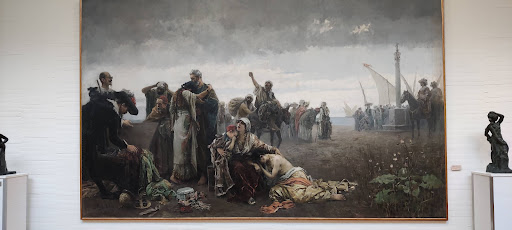
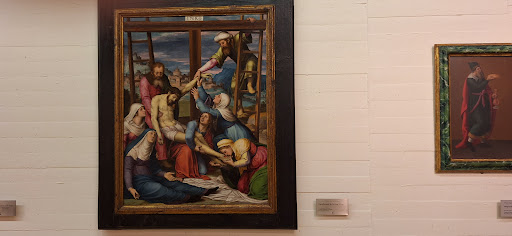
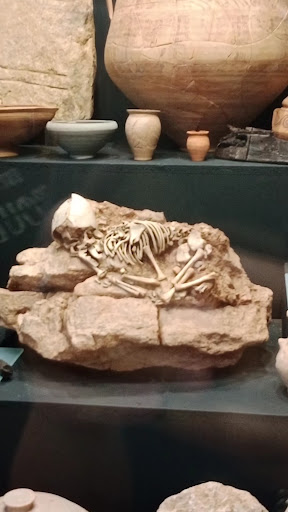
Museo de Bellas Artes de Castellón things to do, attractions, restaurants, events info and trip planning
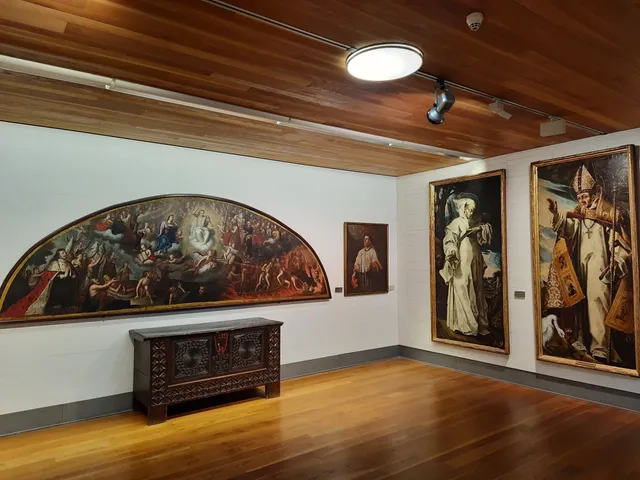
Basic Info
Museo de Bellas Artes de Castellón
Av. Hermanos Bou, 28, 12003 Castellón de la Plana, Castellón, Spain
4.5(630)
Closed
Save
spot
spot
Ratings & Description
Info
Cultural
Family friendly
Accessibility
attractions: EACC Espai d'Art Contemporani de Castelló, Plaza de las Aulas, El Fadrí, Llotja del Cànem, LES AULES Espacio Cultural Abierto, restaurants: Restaurante La Tagliatella | Carrer de Lagasca 9, Castellón, Aturuxo Bar-Restaurant, Pizzeria Peppone Castellón, Dublin House, Sopa de Lletres, Temple Smash Burger, Taberna El Roble, Bombay Night Club, Saona Castellón, Black and White, local businesses: ESMOKINGSPAIN.ES | Tienda Online de Vapeo y Cigarrillos Electrónicos | Vape shop Castellon, MonarcaTech, Piruleta Candy Shop, Concatedral de Santa María de Castellón, Druni Perfumerías ®, Taller Planauto, JaponShop, Heladería La Jijonenca, Castelló City Hall, Museo de Etnología de Castellón
 Learn more insights from Wanderboat AI.
Phone
+34 964 46 45 25
Website
mbacas.ivc.gva.es
Open hoursSee all hours
Fri10 AM - 1:50 PM, 4 - 7:50 PMClosed
Plan your stay

Pet-friendly Hotels in Castelló de la Plana
Find a cozy hotel nearby and make it a full experience.

Affordable Hotels in Castelló de la Plana
Find a cozy hotel nearby and make it a full experience.

The Coolest Hotels You Haven't Heard Of (Yet)
Find a cozy hotel nearby and make it a full experience.

Trending Stays Worth the Hype in Castelló de la Plana
Find a cozy hotel nearby and make it a full experience.
Reviews
Live events

TEATRO: LAS ARRECOGÍAS DEL BEATERIO DE SANTA MARÍA EGIPCIACA
Fri, Feb 27 • 7:30 PM
C/ Figueroles, 10 bajo 12006 Castellón de la Plana
View details

DETECTIUS DE COLUMBRETES / DETECTIVES DE COLUMBRETES
Sat, Feb 28 • 10:30 AM
1 Paseo Marítimo 12100 Grao de Castellón
View details

Flamenco art, karaoke and Sevillana classes
Sat, Feb 28 • 7:00 PM
12003, Castellón de la Plana, Valencian Community, Spain
View details
Nearby attractions of Museo de Bellas Artes de Castellón
EACC Espai d'Art Contemporani de Castelló
Plaza de las Aulas
El Fadrí
Llotja del Cànem
LES AULES Espacio Cultural Abierto
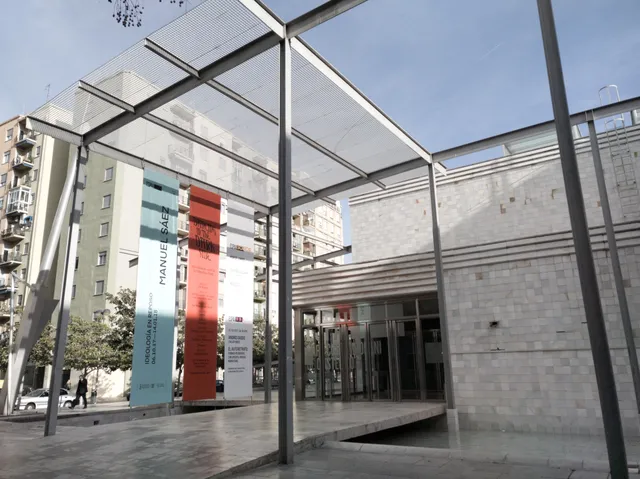
EACC Espai d'Art Contemporani de Castelló
4.2
(185)
Closed
Click for details
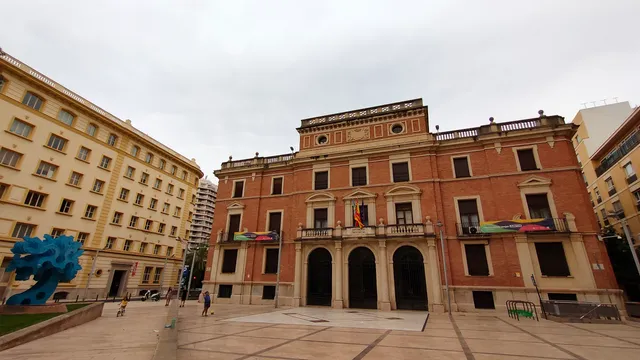
Plaza de las Aulas
4.2
(884)
Open until 12:00 AM
Click for details
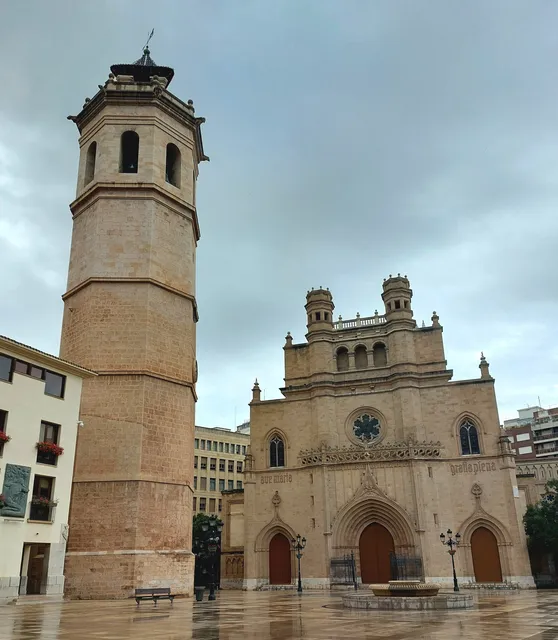
El Fadrí
4.6
(305)
Open 24 hours
Click for details
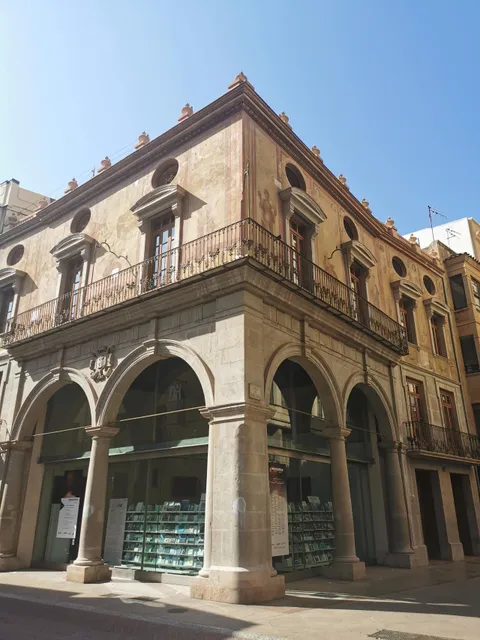
Llotja del Cànem
4.5
(56)
Closed
Click for details
Nearby restaurants of Museo de Bellas Artes de Castellón
Restaurante La Tagliatella | Carrer de Lagasca 9, Castellón
Aturuxo Bar-Restaurant
Pizzeria Peppone Castellón
Dublin House
Sopa de Lletres
Temple Smash Burger
Taberna El Roble
Bombay Night Club
Saona Castellón
Black and White
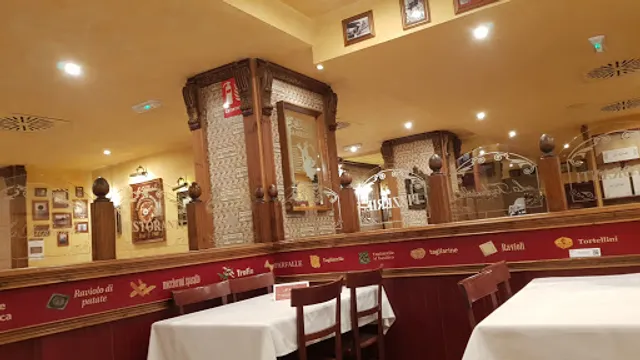
Restaurante La Tagliatella | Carrer de Lagasca 9, Castellón
4.0
(608)
Open until 4:00 PM
Click for details
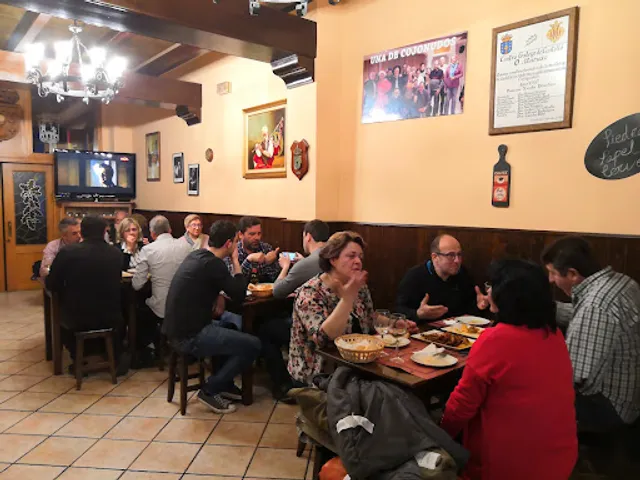
Aturuxo Bar-Restaurant
4.5
(105)
Open until 5:00 PM
Click for details
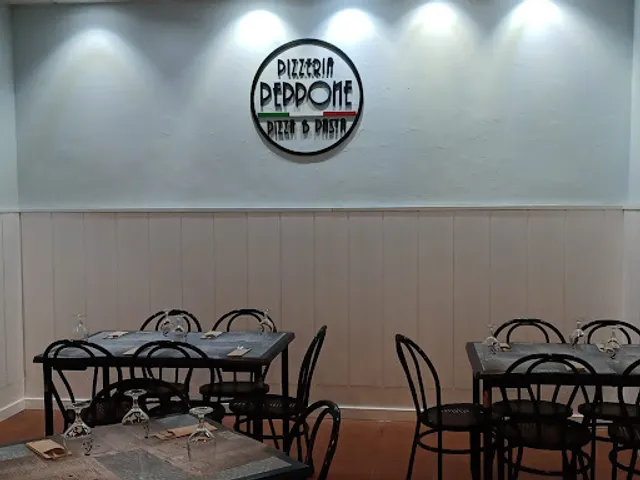
Pizzeria Peppone Castellón
4.4
(314)
Open until 4:00 PM
Click for details
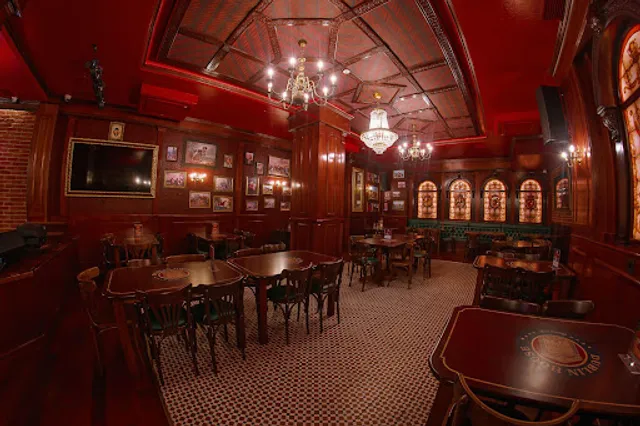
Dublin House
4.3
(1.1K)
Closed
Click for details
Nearby local services of Museo de Bellas Artes de Castellón
ESMOKINGSPAIN.ES | Tienda Online de Vapeo y Cigarrillos Electrónicos | Vape shop Castellon
MonarcaTech
Piruleta Candy Shop
Concatedral de Santa María de Castellón
Druni Perfumerías ®
Taller Planauto
JaponShop
Heladería La Jijonenca
Castelló City Hall
Museo de Etnología de Castellón

ESMOKINGSPAIN.ES | Tienda Online de Vapeo y Cigarrillos Electrónicos | Vape shop Castellon
4.8
(1.1K)
Click for details

MonarcaTech
5.0
(32)
Click for details
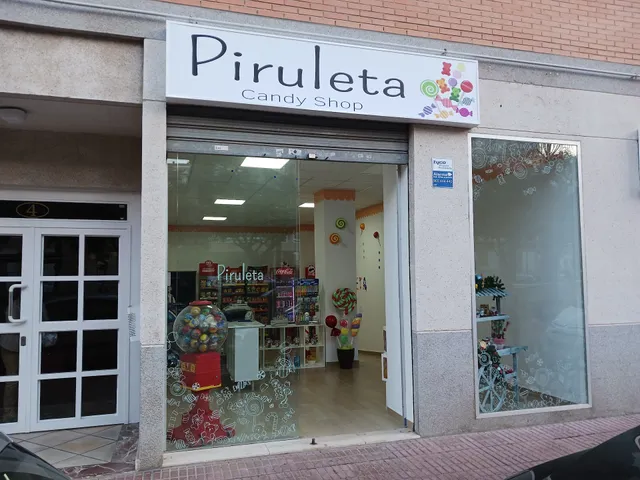
Piruleta Candy Shop
5.0
(29)
Click for details
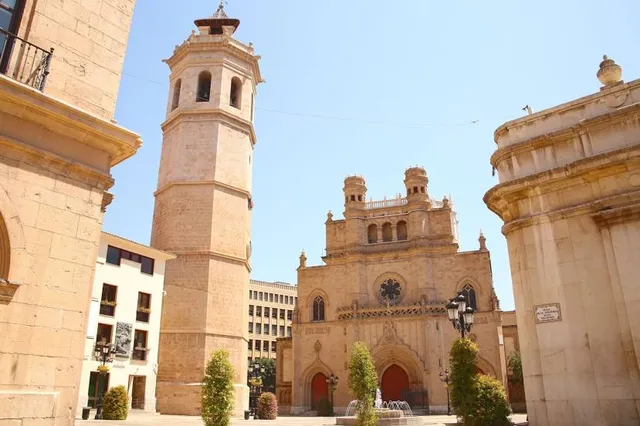
Concatedral de Santa María de Castellón
4.4
(690)
Click for details