Museo Ferrocarril things to do, attractions, restaurants, events info and trip planning
Basic Info
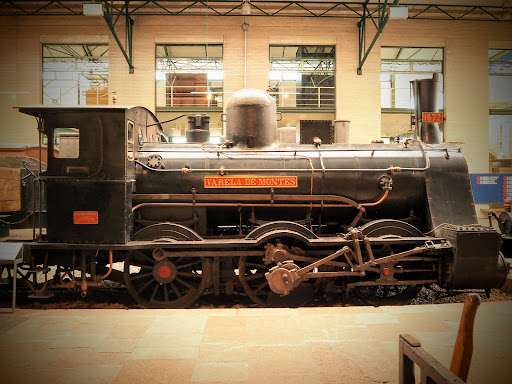
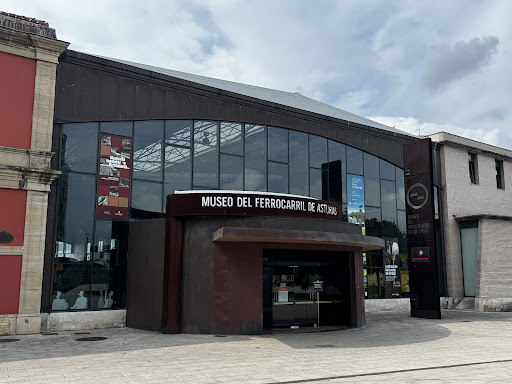
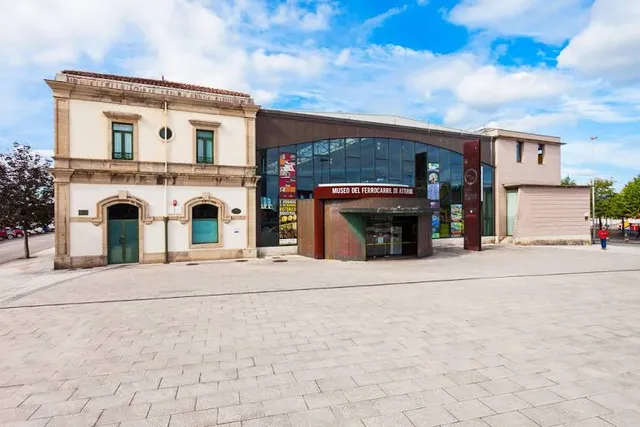
Museo Ferrocarril
Plaza Estación del Nte., s/n, Gijon-Oeste, 33212 Gijón, Asturias, Spain
4.5(2.2K)
Closed
Save
spot
spot
Ratings & Description
Info
Cultural
Family friendly
Accessibility
attractions: Playa de Poniente, BIOPARC Acuario de Gijón, Las Letronas, Plaza del Humedal, Puerto Deportivo de Gijón, Plaza del Parchís, Palacio de Revillagigedo, Basilica of the Sacred Heart of Jesus, Reina Garden, Árbol de la Sidra, restaurants: Sidrería Tierra Astur Poniente, Sidrería El Otru Mallu, Pulpería Mar de Rinlo Gijón, Arion, La Buena Vida Fomento, La Volanta, Los Mexicanos, La Bodeguita del Medio, La'rrecha, Sidrería El Mallu, local businesses: C. Luanco, 16, Fit Açaí - G.D.S, Tienda de Juegos de Cartas y Minaturas - RAVNICA GAMES, Talasoponiente, TCG Mansion, La Alacena Gijón - Gourmet, Casino de Asturias, Perfumerías de la Uz - Calle Magnus Blikstad, Gijón -, Casa Lúpulo Taproom, Paradiso
 Learn more insights from Wanderboat AI.
Phone
+34 985 18 17 77
Website
gijon.es
Open hoursSee all hours
FriClosed
Plan your stay

Pet-friendly Hotels in Gijón
Find a cozy hotel nearby and make it a full experience.

Affordable Hotels in Gijón
Find a cozy hotel nearby and make it a full experience.

The Coolest Hotels You Haven't Heard Of (Yet)
Find a cozy hotel nearby and make it a full experience.

Trending Stays Worth the Hype in Gijón
Find a cozy hotel nearby and make it a full experience.
Reviews
Live events

Acuario Bioparc Gijón
Fri, Feb 20 • 10:30 AM
Playa De Poniente, S/N, Gijón, 33212
View details

Candlelight: Tributo a Hans Zimmer
Sun, Feb 22 • 9:00 PM
Calle Gil de Jaz, 16, Oviedo, 33004
View details
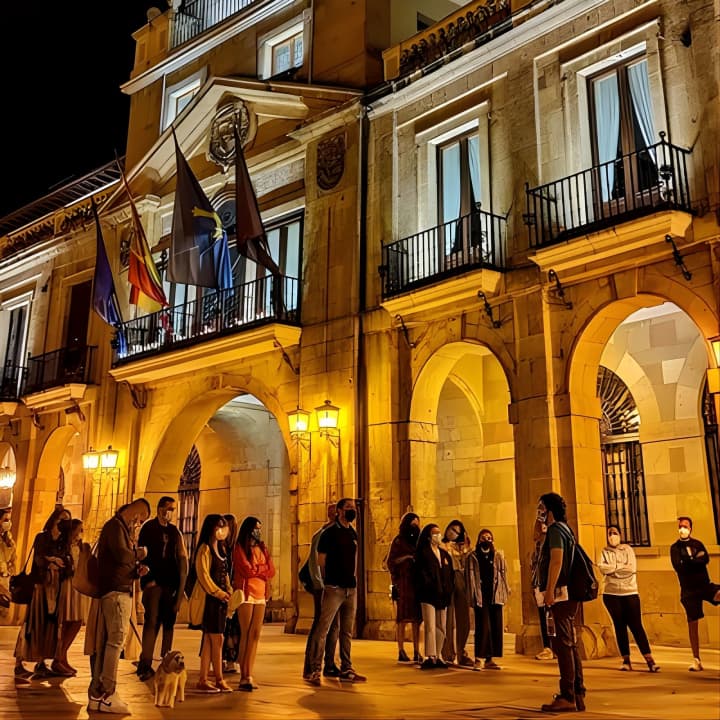
OVIEDO ¡ASUSTA! Recorrido de Leyendas y Misterios
Fri, Feb 20 • 8:00 PM
Plaza Alfonso II el Casto, s , Oviedo, 33003
View details
Nearby attractions of Museo Ferrocarril
Playa de Poniente
BIOPARC Acuario de Gijón
Las Letronas
Plaza del Humedal
Puerto Deportivo de Gijón
Plaza del Parchís
Palacio de Revillagigedo
Basilica of the Sacred Heart of Jesus
Reina Garden
Árbol de la Sidra
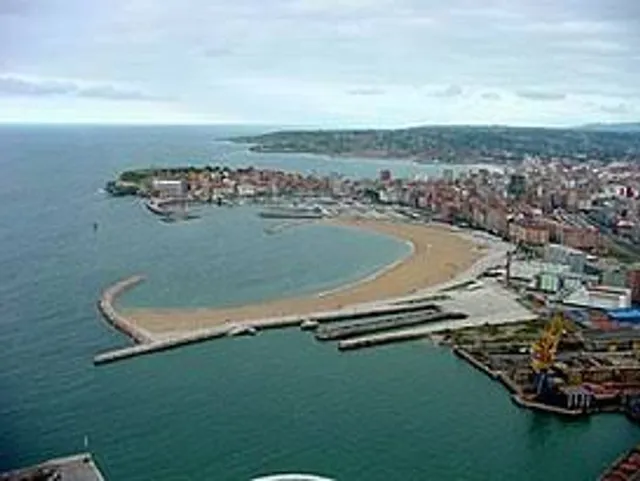
Playa de Poniente
4.4
(582)
Open 24 hours
Click for details
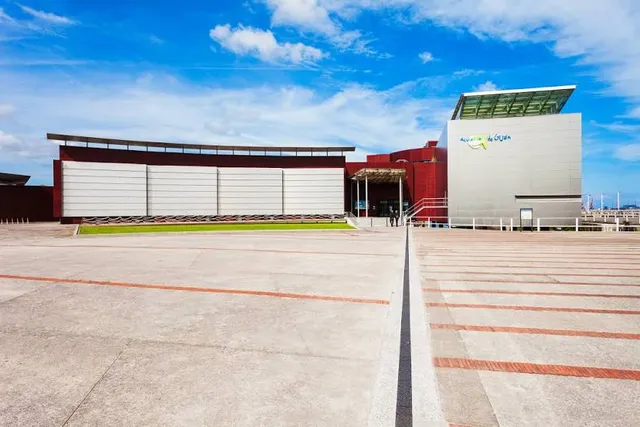
BIOPARC Acuario de Gijón
4.5
(5.3K)
Closed
Click for details
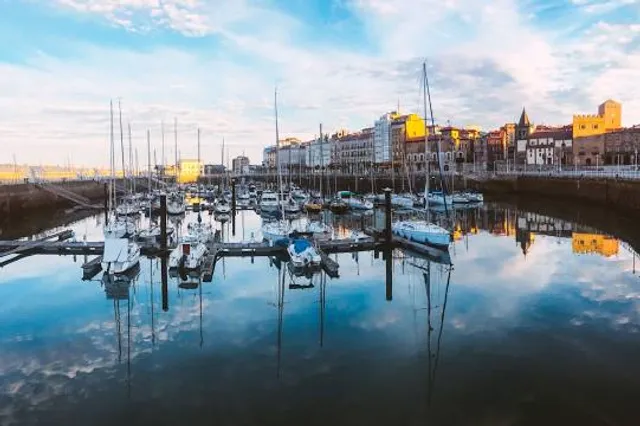
Las Letronas
4.5
(2.3K)
Open until 12:00 AM
Click for details
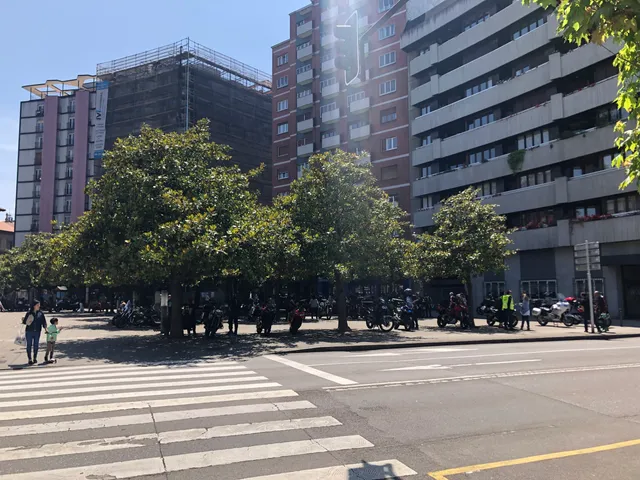
Plaza del Humedal
4.3
(24)
Open until 12:00 AM
Click for details
Nearby restaurants of Museo Ferrocarril
Sidrería Tierra Astur Poniente
Sidrería El Otru Mallu
Pulpería Mar de Rinlo Gijón
Arion
La Buena Vida Fomento
La Volanta
Los Mexicanos
La Bodeguita del Medio
La'rrecha
Sidrería El Mallu
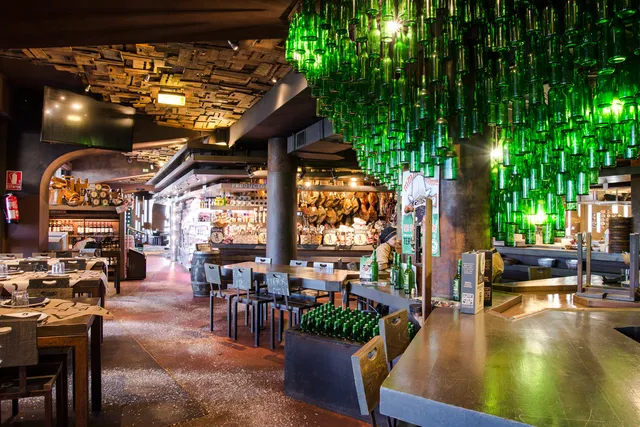
Sidrería Tierra Astur Poniente
4.4
(8K)
Open until 2:30 AM
Click for details
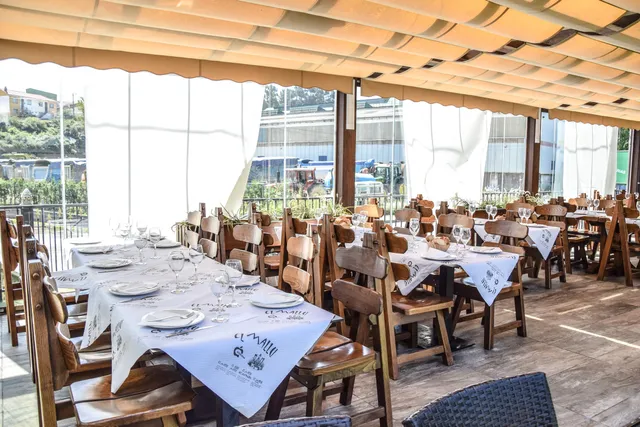
Sidrería El Otru Mallu
4.0
(1.5K)
Open until 12:00 AM
Click for details
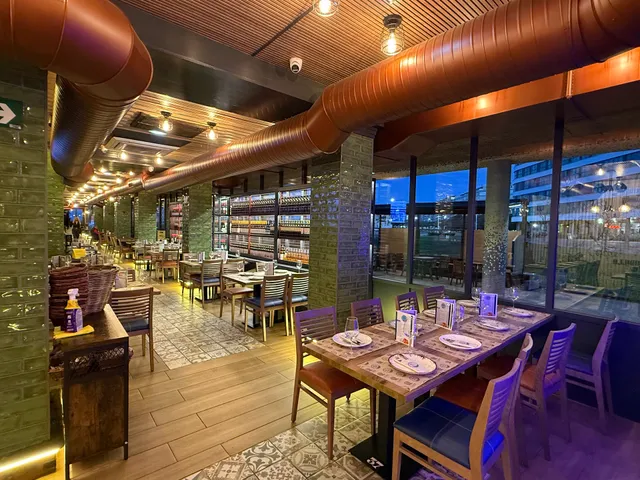
Pulpería Mar de Rinlo Gijón
4.6
(770)
Closed
Click for details
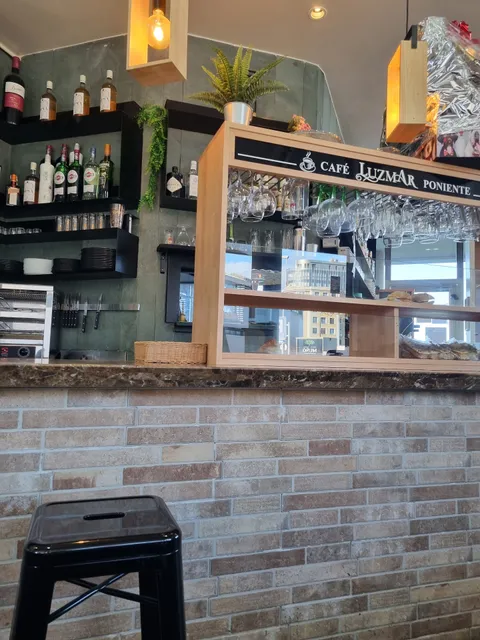
Arion
3.2
(193)
Open until 11:00 PM
Click for details
Nearby local services of Museo Ferrocarril
C. Luanco, 16
Fit Açaí - G.D.S
Tienda de Juegos de Cartas y Minaturas - RAVNICA GAMES
Talasoponiente
TCG Mansion
La Alacena Gijón - Gourmet
Casino de Asturias
Perfumerías de la Uz - Calle Magnus Blikstad, Gijón -
Casa Lúpulo Taproom
Paradiso
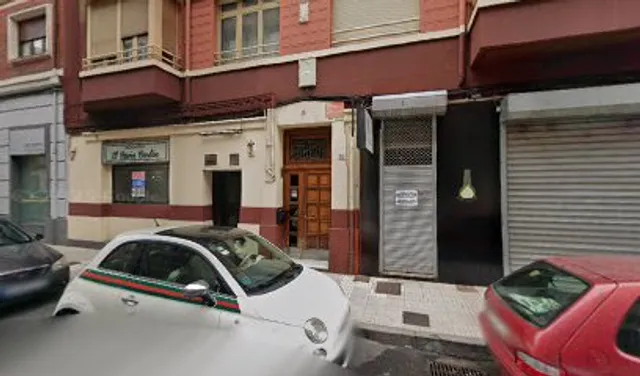
C. Luanco, 16
4.6
(828)
Click for details

Fit Açaí - G.D.S
4.5
(61)
Click for details

Tienda de Juegos de Cartas y Minaturas - RAVNICA GAMES
4.7
(80)
Click for details
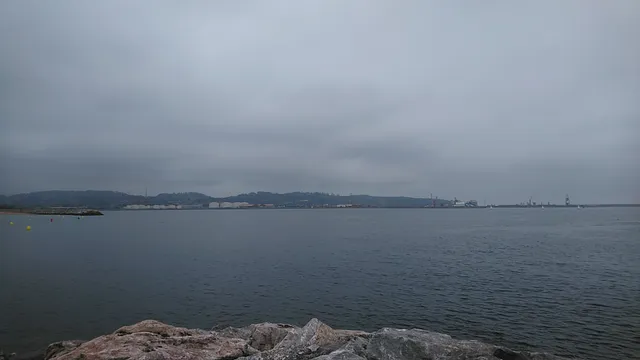
Talasoponiente
2.9
(274)
Click for details