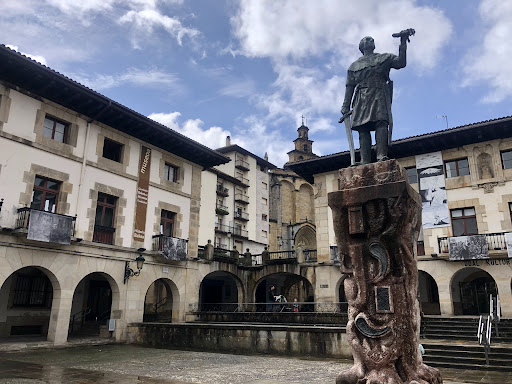
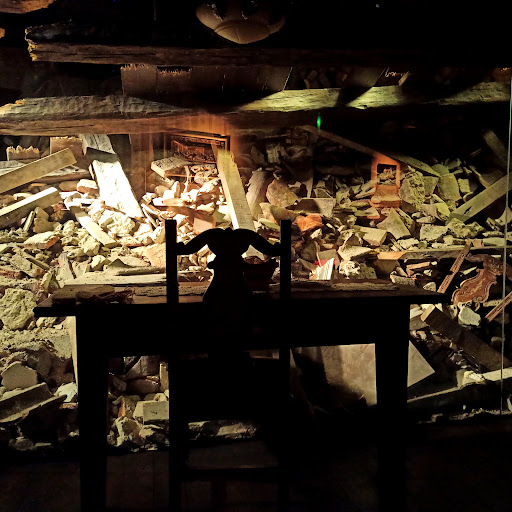
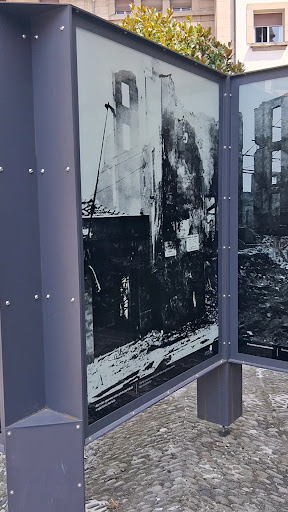
Museo de la Paz de Guernica things to do, attractions, restaurants, events info and trip planning
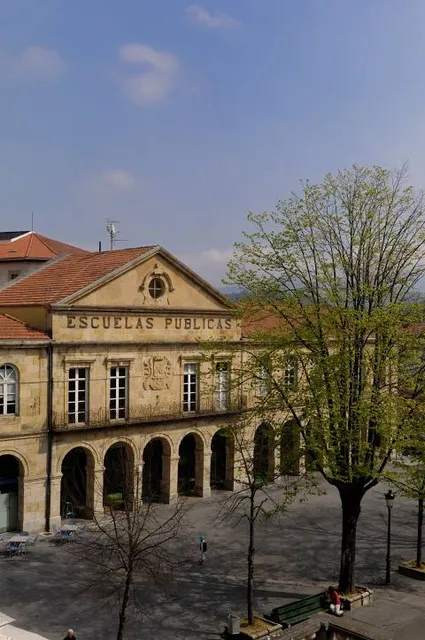
Basic Info
Museo de la Paz de Guernica
Foru Plaza, 1, 48300 Gernika-Lumo, Bizkaia, Spain
4.6(1.4K)
Open until 12:00 AM

tickets
Save
spot
spot
Ratings & Description
Info
Cultural
Accessibility
attractions: St. Mary Church, Parque de los Pueblos de Europa, Euskal Herria Museoa, Pasealekua, restaurants: Restaurante Boliña El Viejo, Sasoie Jatetxea, Azules, Cafetería Etxarte, ARRIEN TABERNA, Cuatro y Medio, Hiru Saku, Omago Txiki Heladería Artesanal, Restaurante Simbo, Gernikako Batzokia, local businesses: Mural del "Guernica" de Picasso, Casa de Juntas de Gernika - Gernikako Batzar Etxea, Euskal Souvenirs
 Learn more insights from Wanderboat AI.
Phone
+34 946 27 02 13
Website
museodelapaz.eus
Open hoursSee all hours
WedClosedOpen
Plan your stay

Pet-friendly Hotels in Guernica
Find a cozy hotel nearby and make it a full experience.

Affordable Hotels in Guernica
Find a cozy hotel nearby and make it a full experience.

The Coolest Hotels You Haven't Heard Of (Yet)
Find a cozy hotel nearby and make it a full experience.

Trending Stays Worth the Hype in Guernica
Find a cozy hotel nearby and make it a full experience.
Reviews
Live events

The Jury Experience — Muerte por IA: ¿Quién Paga el precio?
Fri, Feb 13 • 8:00 PM
Portuko Markesaren Kalea, 2, Bilbao, 48009
View details
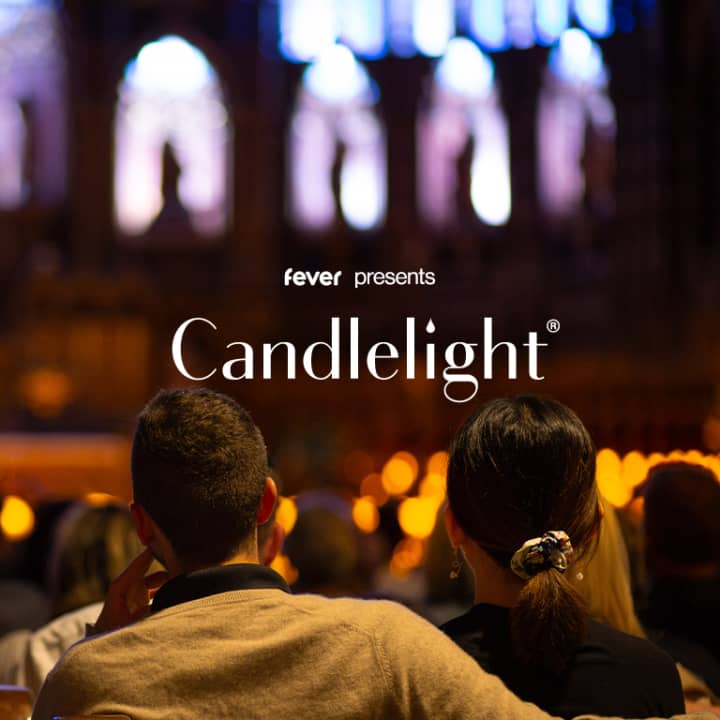
Candlelight: Especial Día de San Valentín
Sat, Feb 14 • 9:00 PM
Encarnacion Plaza, 9, Bilbao, 48006
View details
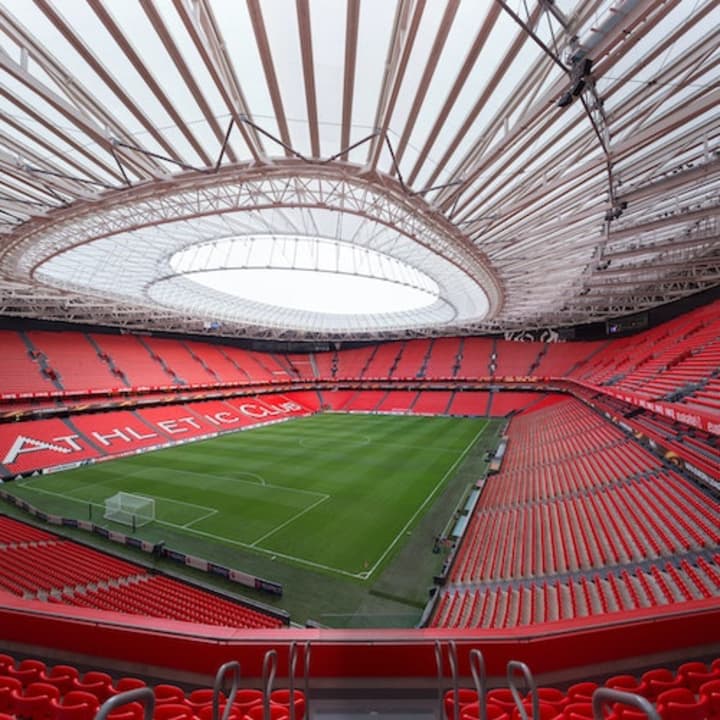
Visita del estadio y museo del Athletic Club, San Mamés + audioguía
Wed, Feb 11 • 10:00 AM
Paseo Rafael Moreno "Pitxitxi", s , Bilbao, 48013
View details
Nearby attractions of Museo de la Paz de Guernica
St. Mary Church
Parque de los Pueblos de Europa
Euskal Herria Museoa
Pasealekua
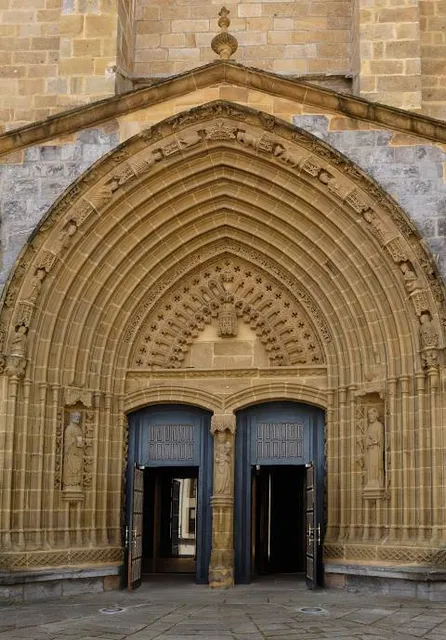
St. Mary Church
4.4
(101)
Closed
Click for details
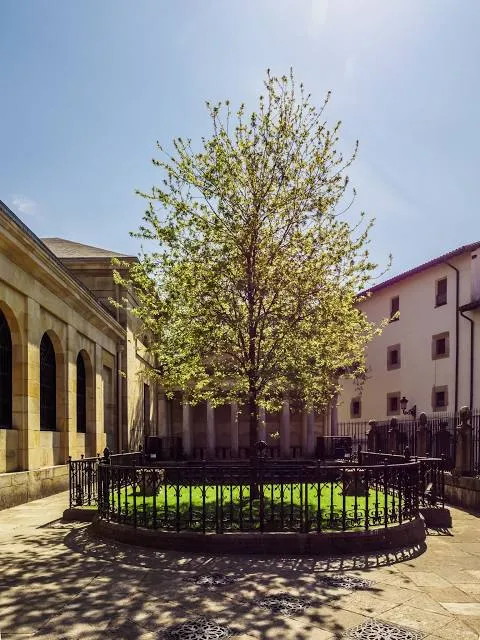
Parque de los Pueblos de Europa
4.5
(379)
Open until 7:00 PM
Click for details
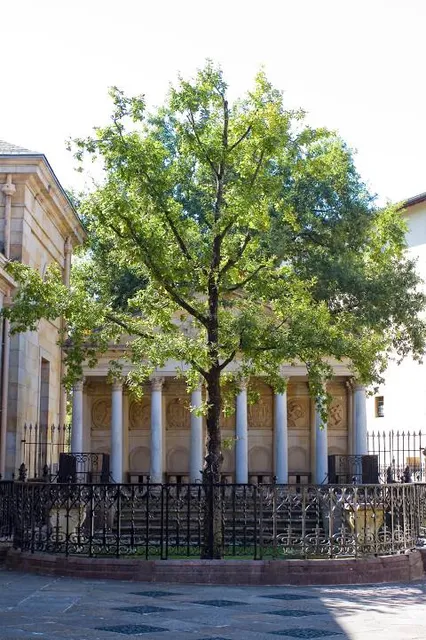
Euskal Herria Museoa
4.4
(90)
Open until 5:00 PM
Click for details
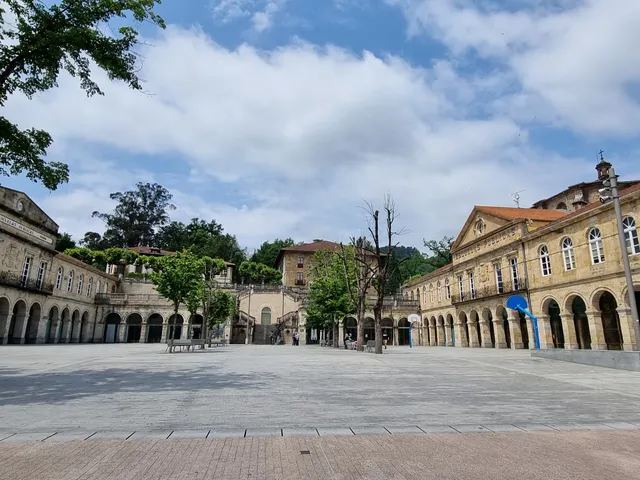
Pasealekua
4.5
(42)
Open until 12:00 AM
Click for details
Nearby restaurants of Museo de la Paz de Guernica
Restaurante Boliña El Viejo
Sasoie Jatetxea
Azules
Cafetería Etxarte
ARRIEN TABERNA
Cuatro y Medio
Hiru Saku
Omago Txiki Heladería Artesanal
Restaurante Simbo
Gernikako Batzokia
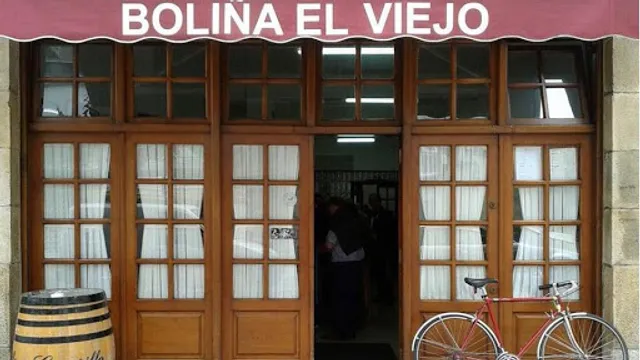
Restaurante Boliña El Viejo
4.3
(743)
Click for details
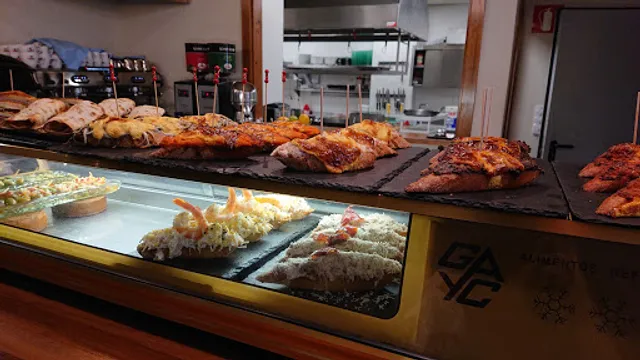
Sasoie Jatetxea
4.4
(582)
Open until 12:00 AM
Click for details
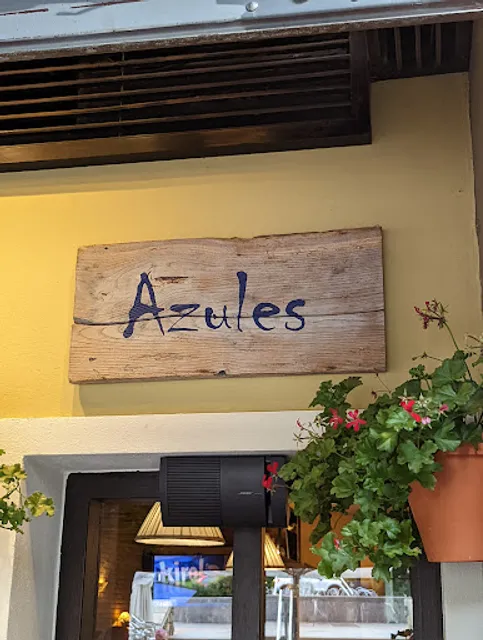
Azules
4.1
(253)
Open until 1:00 AM
Click for details
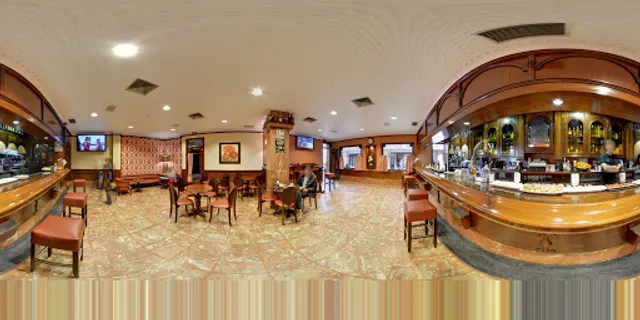
Cafetería Etxarte
4.4
(177)
Open until 12:00 AM
Click for details
Nearby local services of Museo de la Paz de Guernica
Mural del "Guernica" de Picasso
Casa de Juntas de Gernika - Gernikako Batzar Etxea
Euskal Souvenirs
Mural del "Guernica" de Picasso
4.5
(811)
Click for details
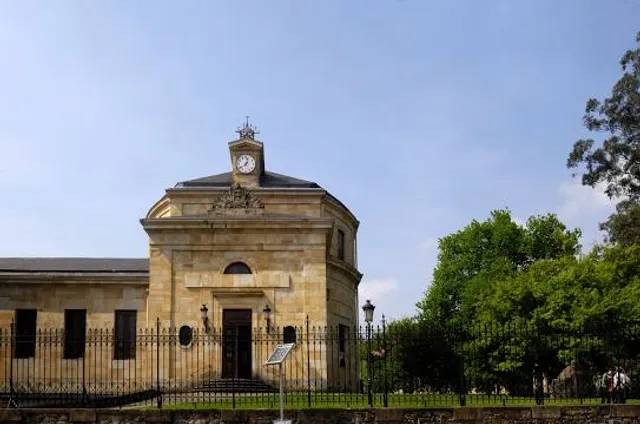
Casa de Juntas de Gernika - Gernikako Batzar Etxea
4.5
(1.6K)
Click for details
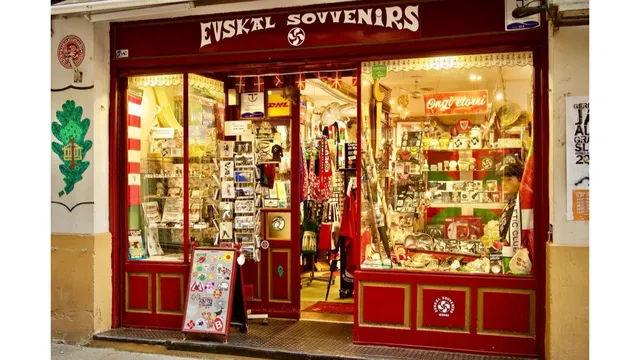
Euskal Souvenirs
4.9
(98)
Click for details