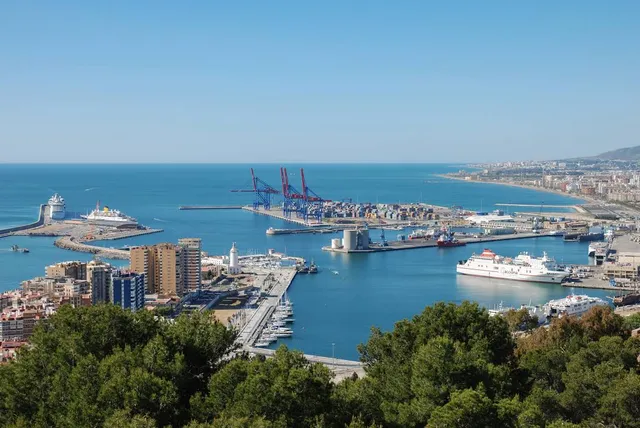
The Port of Málaga is an international seaport located in the city of Málaga in southern Spain, on the Costa del Sol coast of the Mediterranean. It is the oldest continuously-operated port in Spain and one of the oldest in the Mediterranean.
Principal port activities include cruise shipping and the importation of containerised manufactured products, break bulk and vehicles. A small fishing fleet also operates from the port.
Ancient and medieval times
The Port of Malaga was founded by Phoenicians from Tyre in around 1000 BC. The name Malaka is probably derived from the Phoenician word for salt because fish was salted on the first dock; in other Semitic languages the word for salt is still Hebrew מלח mélaḥ or Arabic ملح milḥ. This first dock was a single waterfront quay parallel to the shore and extending for about 500 metres from the customs house to the Puerta Oscura.
By Roman times Malaga had become an important export port for minerals, pottery, almonds, wine and oil. An Iberian delicacy was fish prepared with garum, large quantities of which were also exported to Rome.
Trade continued to grow, peaking when Malaga (now Mālaqah (Arabic مالقة) was declared the capital of the Islamic kingdom of Granada. When the kingdom passed into Catholic control in 1487 the port assumed a strategic importance as an embarkation point for Spanish soldiers in the conquest of the Rif, Melilla, Peñon de Velez and Oran, and was renamed the Port of Málaga.
Imperial Spain
The Port of Málaga grew swiftly throughout the 16th and 17th centuries, establishing itself as Spain's major export port for cereals and manufactures during the Habsburg and Enlightenment eras. In 1720 King Philip V appointed French engineer Bartolome Thurus to prepare a project of port expansion for commercial and military needs, culminating in the construction of both the East Dock and the New Quay. The first lighthouse was built in 1814.
Twentieth century
Between 1900 and 1910 an extensive reconstruction of port facilities resulted in the modernization of the existing quays and the completion of the current passenger terminal. The Málaga-Puertollano oil pipeline was completed by 1920, permitting oil exports directly from the port.
After the Second World War the importance of the port declined as new ports opened in North Africa and the Middle East, and post-war reconstruction led to the massive expansion of facilities at Port of Rotterdam and elsewhere. The Puertotollano pipeline ceased operation in the 1990s. Port operations were concentrated around ten wharves on the southern border of the existing port. The northern and central port areas were then progressively returned to the control of the city and converted for...
Read moreNestled along the stunning coastline of southern Spain, the Malaga Board is a true gem that embodies the essence of Mediterranean charm and beauty. My recent visit left me enchanted by its vibrant atmosphere, breathtaking views, and array of delightful attractions.
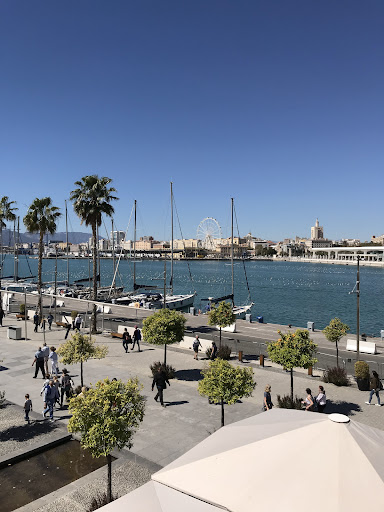
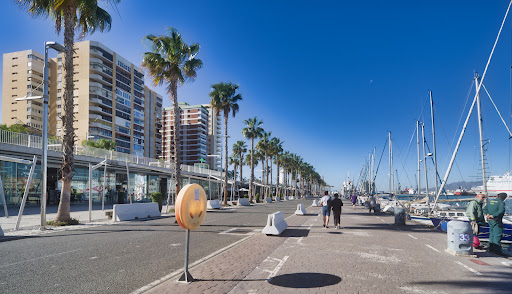
First and foremost, the board's picturesque promenade offers a scenic stroll along the azure waters of the Mediterranean Sea. Lined with palm trees and dotted with charming cafes and restaurants, it's the perfect place to soak up the sun, savor delicious cuisine, and immerse oneself in the laid-back ambiance of coastal living.
Moreover, the board boasts a wealth of cultural and historical landmarks that showcase Malaga's rich heritage. From the majestic Alcazaba fortress overlooking the city to the awe-inspiring Cathedral of Malaga with its stunning architecture, each site tells a story of centuries past and invites visitors to delve into the city's fascinating past.
For art enthusiasts, the Malaga Board is a veritable paradise, home to world-class museums such as the Picasso Museum and the Centre Pompidou Malaga. These cultural institutions house an impressive collection of artworks spanning various genres and styles, offering a comprehensive overview of artistic expression through the ages.
Furthermore, the board is a haven for foodies, with a plethora of dining options to suit every palate and preference. Whether indulging in traditional Andalusian cuisine at a cozy taverna or sampling innovative tapas at a trendy bistro, culinary delights await at every turn, making each dining experience a culinary adventure to remember.
Overall, the Malaga Board is a destination that captivates the senses and leaves a lasting impression on all who visit. With its blend of natural beauty, cultural richness, and gastronomic delights, it's no wonder that Malaga continues to enchant travelers from around the globe. Whether you're seeking relaxation, exploration, or simply a taste of the good life, the Malaga Board offers it all and more, ensuring an unforgettable experience that will leave you longing to return...
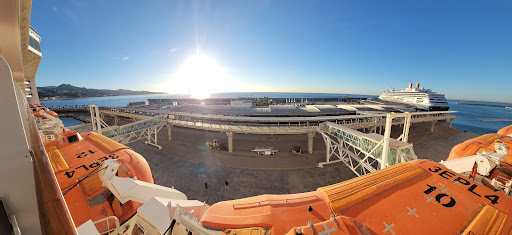
Read moreRecently we took a 10-night MSC Lirica Western Mediterranean Cruise and the seventh stop was Malaga. From the cruise ship there is about a 30-minute walk to the end of the port which costs approximately 10€ by taxi. This is a very pretty port with lots of attractions including the art gallery Centre Pompidou (identifiable by colourful cubes outside). To the East of the port is Playa de la Malagueta (beach), Farola de Málaga light house, hotels, restaurants, bars and quirky gift shops. More information on the port is available on the Google site What's in Port (cruise guide for 1200 ports).
The end of the port is about a 15 minute walk from the centre of Malaga which has lots of attractions (in and around Malaga). There was an array of museums including Malaga Museum, Picasso Museum, Museo Carmen Thyssen, the art museum CAC Málaga, Museo del Vidrio y Cristal de Málaga, Colección del Museo Ruso, Museo Automovilístico de Malaga, Museo Aeronáutico de Málaga, the Interactive Music Museum and Teatro Romano de Málaga
There were also a number of parks and gardens including the botanical gardens (Jardin Botanico Historic), Parque de Huelin, Jardines de Pedro Luis Alonso, as well as the National Park Montes de Málaga. Other attractions included Alcazaba fort, the Cathedral, the market Mercado Central de Atarazanas, the fort Castillo de Gibralfaro, the retail centre Vialia Centro Comercial and the Catholic church Santuario de...
Read more