Castle La Mota things to do, attractions, restaurants, events info and trip planning
Basic Info
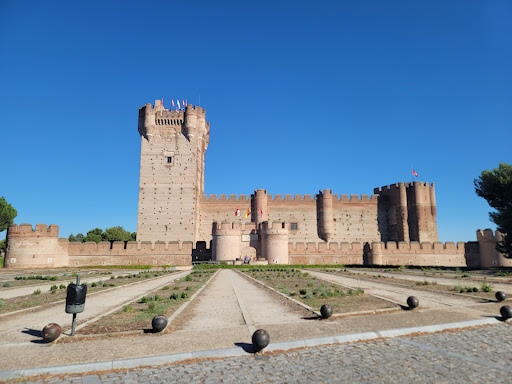
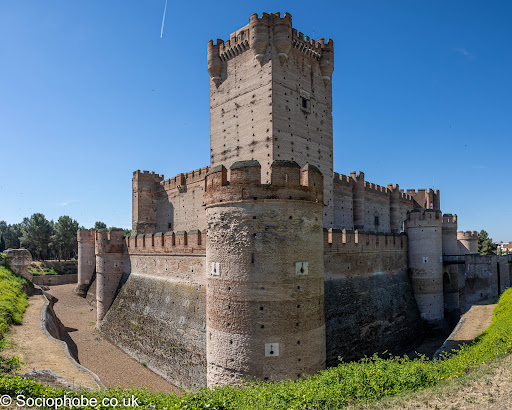
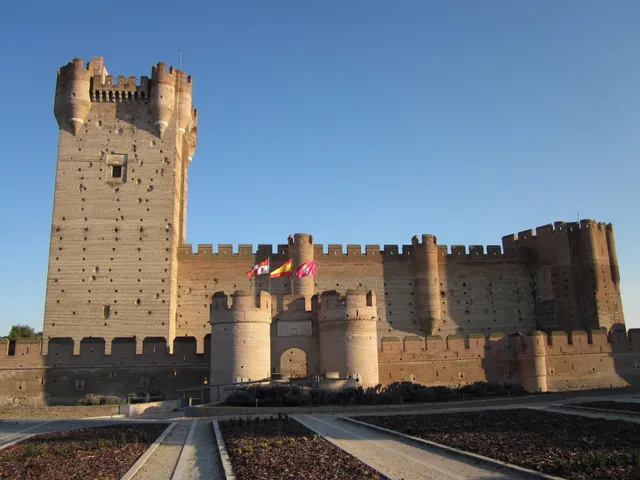
Castle La Mota
Av. Castillo, s/n, 47400 Medina del Campo, Valladolid, Spain
4.5(4K)
Closed

tickets
Save
spot
spot
Ratings & Description
Info
Cultural
Scenic
Adventure
Family friendly
Accessibility
attractions: Royal Testamentary Palace of Isabel the Catholic, Museo de las Ferias, restaurants: Hamburguesería Marbella, Restaurante Taberna Mohino, Hamburguesería Hermán, King Doner Kebab, Restaurante-Cafetería Módenav 87, Mónaco Restauración, Restaurante El Arte, Restaurante Alegría, Bar-Restaurante Mejillonera, Cervecería Baviera, local businesses: Castle La Mota, Castillo de la Mota
 Learn more insights from Wanderboat AI.
Phone
+34 983 81 27 24
Website
castillodelamota.es
Open hoursSee all hours
Sun11 AM - 2 PMClosed
Plan your stay

Pet-friendly Hotels in Medina del Campo
Find a cozy hotel nearby and make it a full experience.

Affordable Hotels in Medina del Campo
Find a cozy hotel nearby and make it a full experience.

The Coolest Hotels You Haven't Heard Of (Yet)
Find a cozy hotel nearby and make it a full experience.

Trending Stays Worth the Hype in Medina del Campo
Find a cozy hotel nearby and make it a full experience.
Reviews
Live events
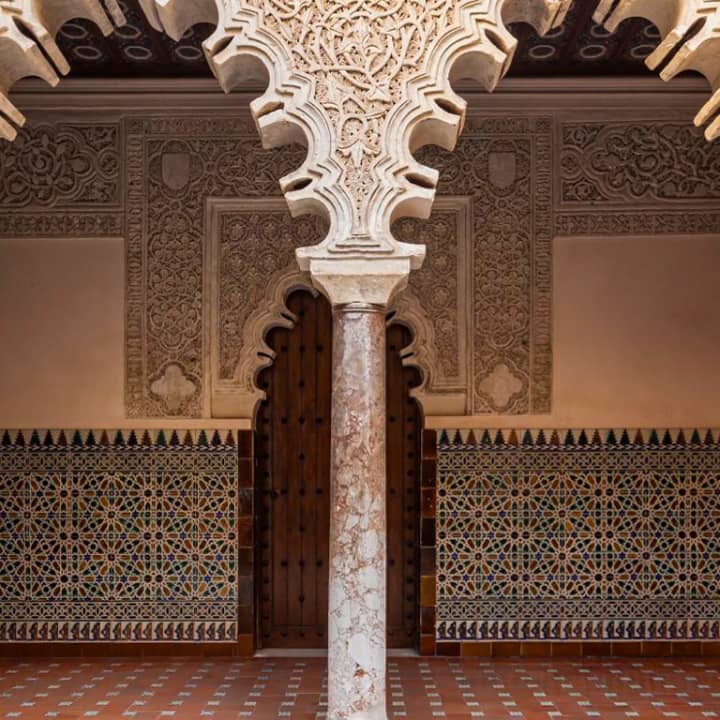
Real Monasterio de Santa Clara de Tordesillas
Tue, Feb 24 • 10:15 AM
Calle Alonso Castillo Solorzano, 23, Tordesillas, 47100
View details
Nearby attractions of Castle La Mota
Royal Testamentary Palace of Isabel the Catholic
Museo de las Ferias
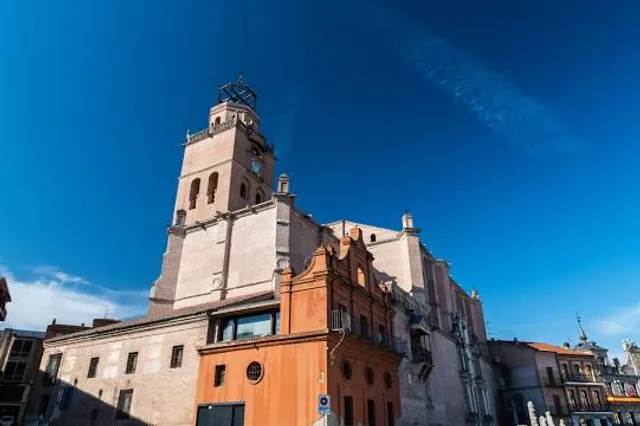
Royal Testamentary Palace of Isabel the Catholic
4.3
(629)
Closed
Click for details

Museo de las Ferias
4.6
(148)
Closed
Click for details
Nearby restaurants of Castle La Mota
Hamburguesería Marbella
Restaurante Taberna Mohino
Hamburguesería Hermán
King Doner Kebab
Restaurante-Cafetería Módenav 87
Mónaco Restauración
Restaurante El Arte
Restaurante Alegría
Bar-Restaurante Mejillonera
Cervecería Baviera
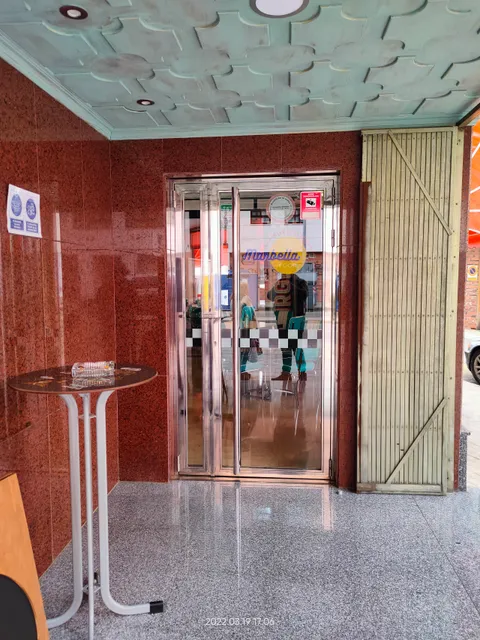
Hamburguesería Marbella
4.4
(233)
Open until 4:30 PM
Click for details
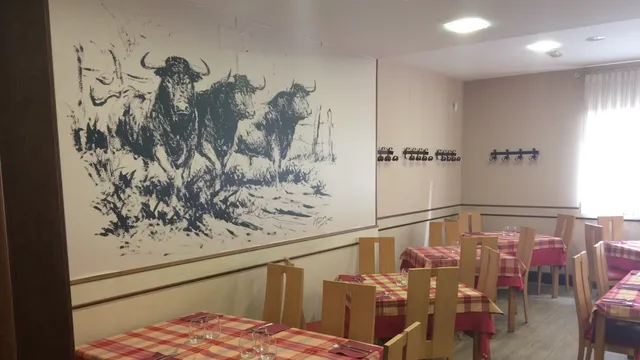
Restaurante Taberna Mohino
4.4
(1.1K)
Open until 5:00 PM
Click for details

Hamburguesería Hermán
4.3
(316)
Closed
Click for details

King Doner Kebab
4.0
(179)
Open until 12:00 AM
Click for details
Nearby local services of Castle La Mota
Castle La Mota
Castillo de la Mota
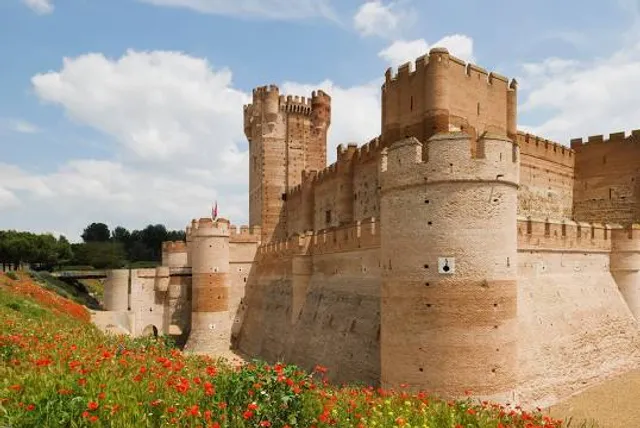
Castle La Mota
4.5
(3.3K)
Click for details
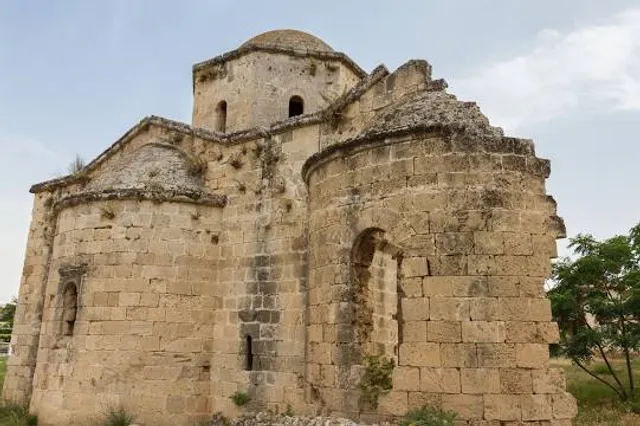
Castillo de la Mota
4.3
(196)
Click for details