Catedral de Zamora things to do, attractions, restaurants, events info and trip planning
Basic Info
Catedral de Zamora
Pl. la Catedral, 1, 49001 Zamora, Spain
4.5(2.4K)
Open 24 hours
Save
spot
spot
Ratings & Description
Info
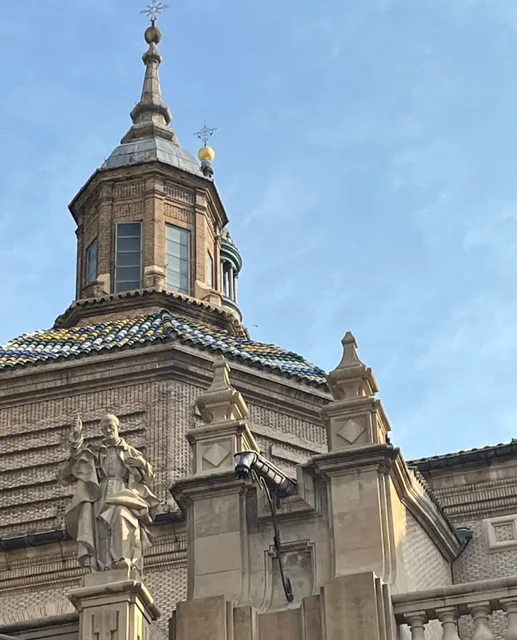
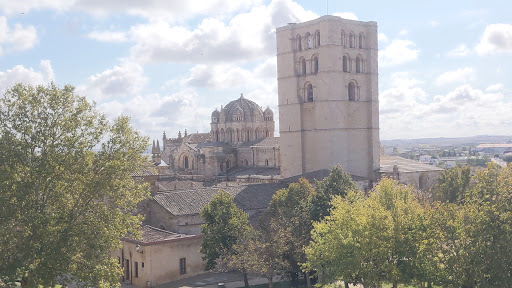
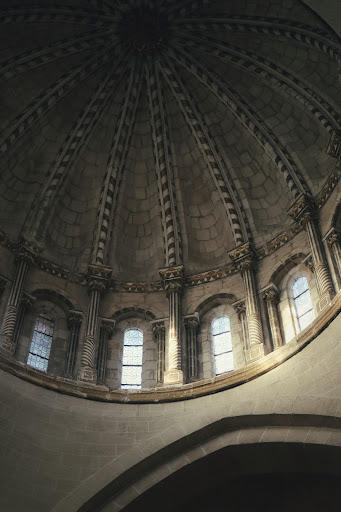
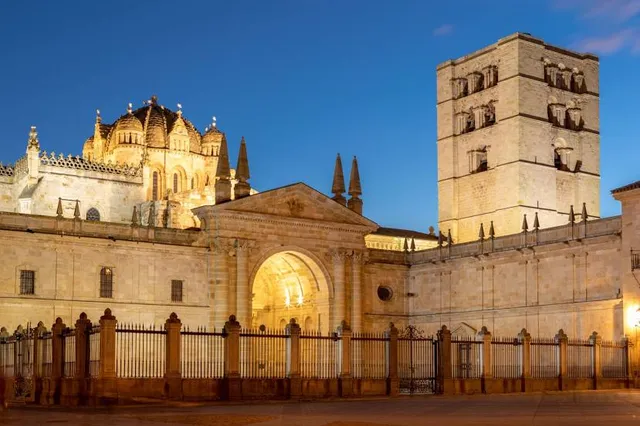
The Cathedral of Zamora is a Catholic cathedral in Zamora, in Castile and León, Spain, located above the right bank of the Duero It remains surrounded by its old walls and gates. Built between 1151 and 1174, it is one of the finest examples of Spanish Romanesque architecture.
Cultural
Accessibility
attractions: Zamora Castle, Plaza de la Catedral, Museo Baltasar Lobo, Aceñas de Olivares, Portillo de la Lealtad, Iglesia de San Claudio de Olivares, Church of San Pedro y San Ildefonso, Iglesia de Santiago el Viejo o de los Caballeros, Puente de Piedra, Santa María Magdalena de Zamora, restaurants: Bar Los Tilos, La Tahona de la Rúa, Mesón La Vega, Café Medieval, Restaurante las Espadañas, Taberna Entretejas, Restaurante Puente de Piedra, La Rúa Restaurante, Cuzeo, Mesón el Duende, local businesses: Puerta del Obispo, Iglesia de San Isidoro, Puente de Piedra, Church of San Juan, El Rincón De Zamora, Gate of Doña Urraca, Board Pro Easter Zamora
 Learn more insights from Wanderboat AI.
Phone
+34 980 53 06 44
Website
catedralzamora.com
Plan your stay

Pet-friendly Hotels in Zamora
Find a cozy hotel nearby and make it a full experience.

Affordable Hotels in Zamora
Find a cozy hotel nearby and make it a full experience.

The Coolest Hotels You Haven't Heard Of (Yet)
Find a cozy hotel nearby and make it a full experience.

Trending Stays Worth the Hype in Zamora
Find a cozy hotel nearby and make it a full experience.
Reviews
Nearby attractions of Catedral de Zamora
Zamora Castle
Plaza de la Catedral
Museo Baltasar Lobo
Aceñas de Olivares
Portillo de la Lealtad
Iglesia de San Claudio de Olivares
Church of San Pedro y San Ildefonso
Iglesia de Santiago el Viejo o de los Caballeros
Puente de Piedra
Santa María Magdalena de Zamora
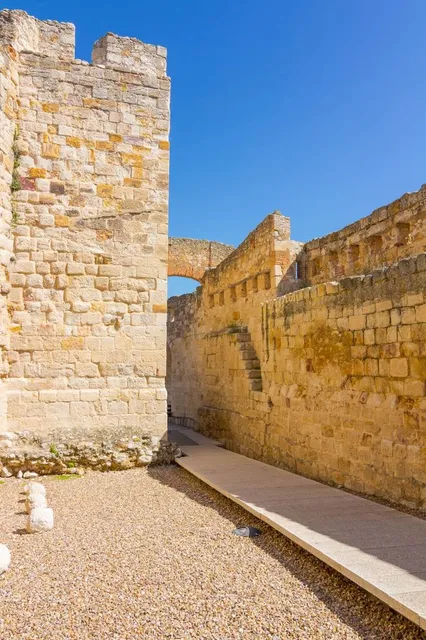
Zamora Castle
4.4
(1.7K)
Open until 12:00 AM
Click for details
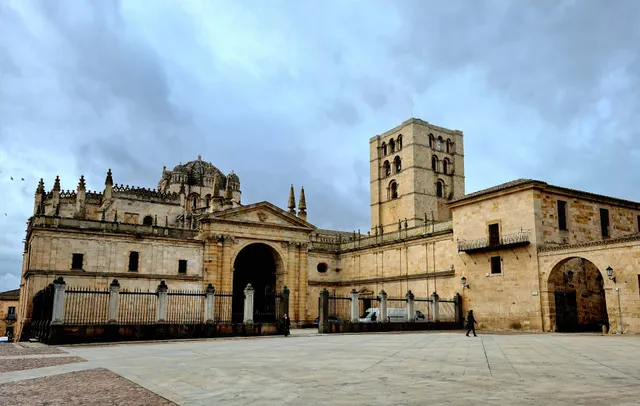
Plaza de la Catedral
4.7
(93)
Open until 12:00 AM
Click for details
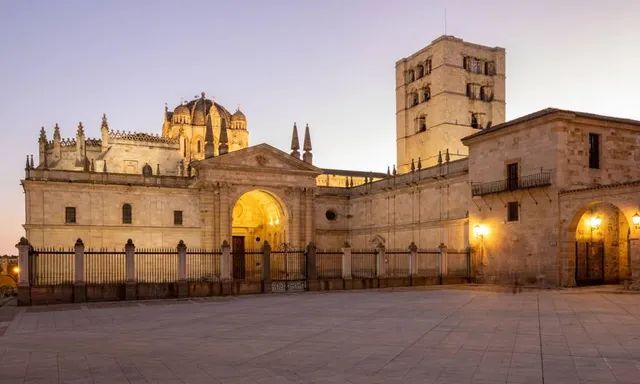
Museo Baltasar Lobo
4.3
(60)
Open until 12:00 AM
Click for details
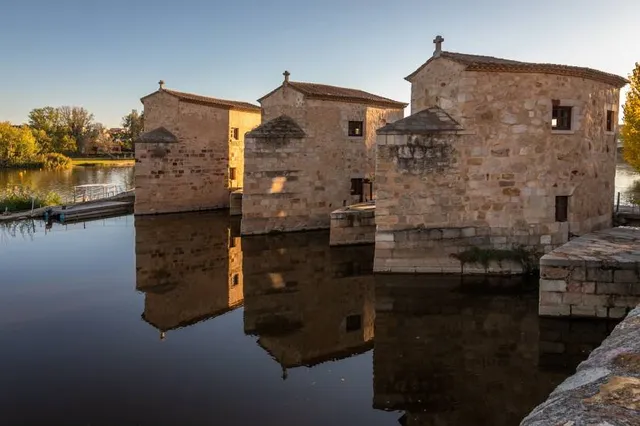
Aceñas de Olivares
4.6
(259)
Open until 12:00 AM
Click for details
Nearby restaurants of Catedral de Zamora
Bar Los Tilos
La Tahona de la Rúa
Mesón La Vega
Café Medieval
Restaurante las Espadañas
Taberna Entretejas
Restaurante Puente de Piedra
La Rúa Restaurante
Cuzeo
Mesón el Duende
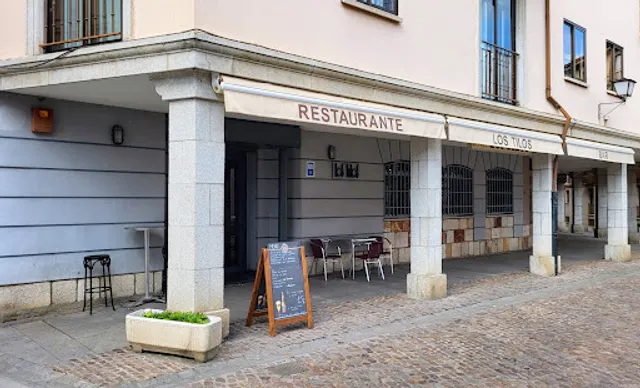
Bar Los Tilos
3.7
(242)
Open until 12:00 AM
Click for details
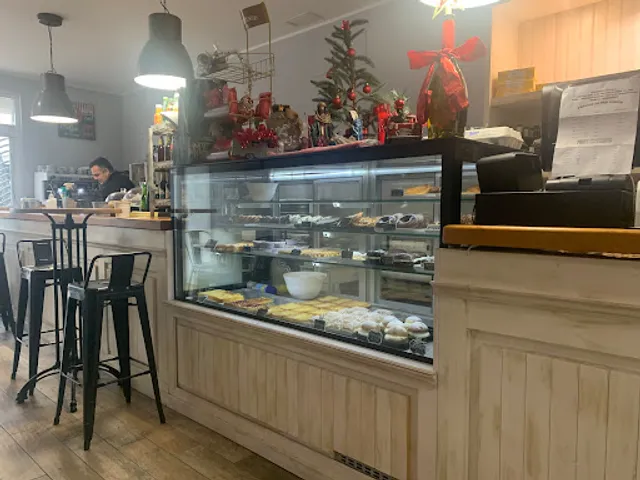
La Tahona de la Rúa
4.3
(277)
Open until 9:00 PM
Click for details

Mesón La Vega
4.4
(262)
Click for details
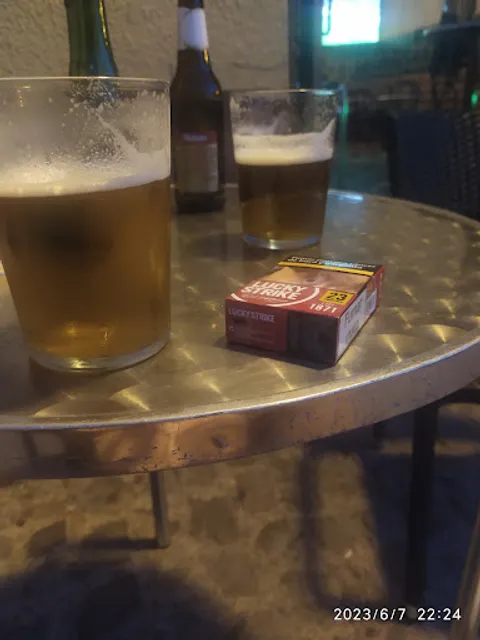
Café Medieval
4.5
(145)
Click for details
Nearby local services of Catedral de Zamora
Puerta del Obispo
Iglesia de San Isidoro
Puente de Piedra
Church of San Juan
El Rincón De Zamora
Gate of Doña Urraca
Board Pro Easter Zamora
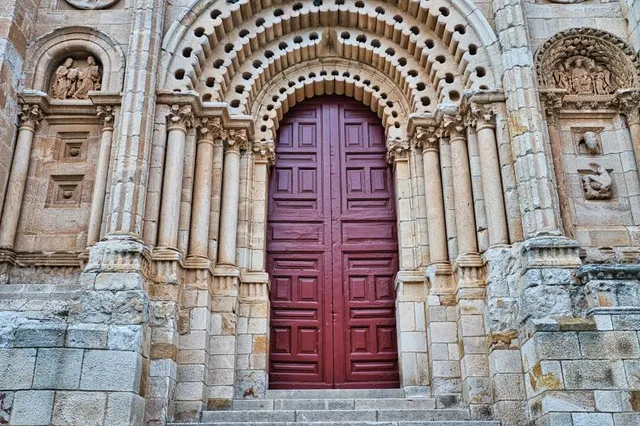
Puerta del Obispo
4.5
(121)
Click for details
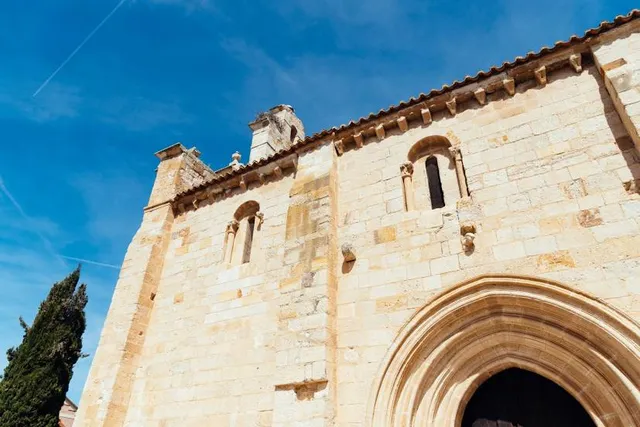
Iglesia de San Isidoro
4.4
(35)
Click for details
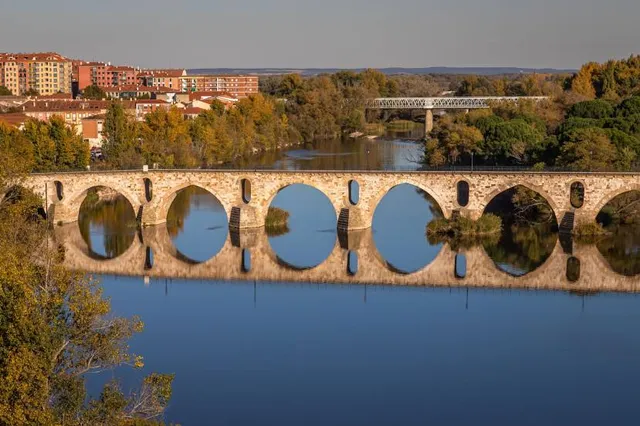
Puente de Piedra
4.7
(1.2K)
Click for details
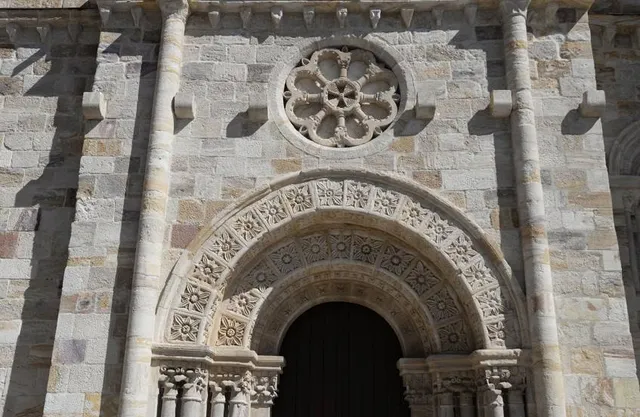
Church of San Juan
4.4
(222)
Click for details