HTML SitemapExplore
logo
Find Things to DoFind The Best Restaurants

Star Fort - Matara | තාරකා කොටුව - මාතර — Attraction in Matara

Name
Star Fort - Matara | තාරකා කොටුව - මාතර
Description
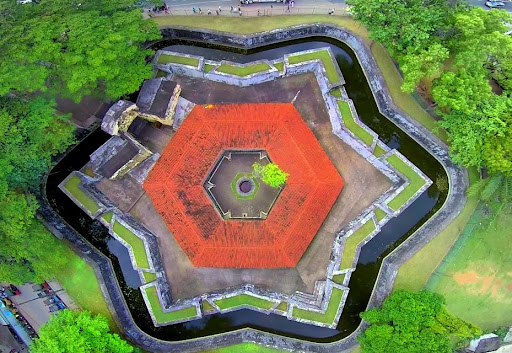
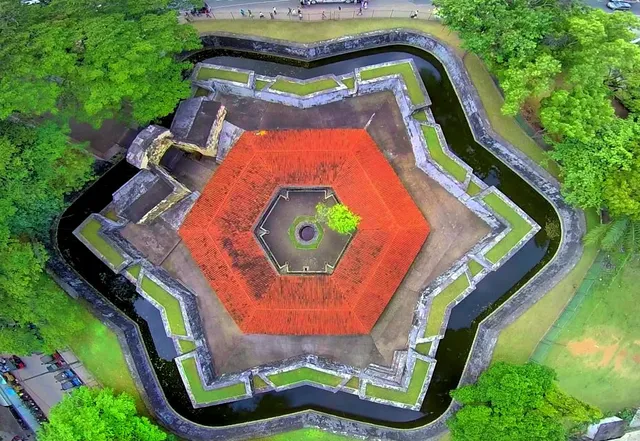
The Star Fort is a fort in Matara, Sri Lanka, located on the eastern bank of the Nilwala River, approximately 350 metres from the gate to the Matara fort. It was constructed by the Dutch in 1765, and was originally called Redoute Van Eck.
Nearby attractions
Matara Fort
WGVX+P8R, Matara, Sri Lanka
Matara Beach
Matara, Sri Lanka
Nearby restaurants
Nearby hotels
Devoni Nature Resort
Uyanwatta, 57/2 Udyana Mawatha, Matara 81000, Sri Lanka
Matara Rest House
Buddhika P. Senevirathne, Matara 81000, Sri Lanka
Hotel Nawathana
no 15, 4 Sri Dharmarama Rd, Matara 81000, Sri Lanka
River Inn
96/1 Wilfred Gunasekera Mawatha, Matara 81000, Sri Lanka
Himana Beach Rest
63/5 Kanda udawatta Mawatha Sri Dharmarama Road, Matara 81000, Sri Lanka
Fort Sea View Hotel
77/7 Sri Dharmarama Rd, Matara, Sri Lanka
The Grand Navro
WHV4+679, Matara, Sri Lanka
Estuary Hotel
Buddhika P. Senevirathne No 1/14 , Old Ferry Road, Fort, Matara 81000, Sri Lanka
Related posts
Keywords
Star Fort - Matara | තාරකා කොටුව - මාතර tourism.Star Fort - Matara | තාරකා කොටුව - මාතර hotels.Star Fort - Matara | තාරකා කොටුව - මාතර bed and breakfast. flights to Star Fort - Matara | තාරකා කොටුව - මාතර.Star Fort - Matara | තාරකා කොටුව - මාතර attractions.Star Fort - Matara | තාරකා කොටුව - මාතර restaurants.Star Fort - Matara | තාරකා කොටුව - මාතර travel.Star Fort - Matara | තාරකා කොටුව - මාතර travel guide.Star Fort - Matara | තාරකා කොටුව - මාතර travel blog.Star Fort - Matara | තාරකා කොටුව - මාතර pictures.Star Fort - Matara | තාරකා කොටුව - මාතර photos.Star Fort - Matara | තාරකා කොටුව - මාතර travel tips.Star Fort - Matara | තාරකා කොටුව - මාතර maps.Star Fort - Matara | තාරකා කොටුව - මාතර things to do.
Star Fort - Matara | තාරකා කොටුව - මාතර things to do, attractions, restaurants, events info and trip planning
Star Fort - Matara | තාරකා කොටුව - මාතර
Sri LankaSouthern ProvinceMataraStar Fort - Matara | තාරකා කොටුව - මාතර

Basic Info

Star Fort - Matara | තාරකා කොටුව - මාතර

WGXX+898, B535, Matara, Sri Lanka
4.4(408)
Open 24 hours
Save
spot

Ratings & Description

Info

The Star Fort is a fort in Matara, Sri Lanka, located on the eastern bank of the Nilwala River, approximately 350 metres from the gate to the Matara fort. It was constructed by the Dutch in 1765, and was originally called Redoute Van Eck.

Cultural
Scenic
Family friendly
attractions: Matara Fort, Matara Beach, restaurants:
logoLearn more insights from Wanderboat AI.
Website
archaeology.gov.lk

Plan your stay

hotel
Pet-friendly Hotels in Matara
Find a cozy hotel nearby and make it a full experience.

hotel
Affordable Hotels in Matara
Find a cozy hotel nearby and make it a full experience.

hotel
The Coolest Hotels You Haven't Heard Of (Yet)
Find a cozy hotel nearby and make it a full experience.

hotel
Trending Stays Worth the Hype in Matara
Find a cozy hotel nearby and make it a full experience.

Reviews

Nearby attractions of Star Fort - Matara | තාරකා කොටුව - මාතර

Matara Fort

Matara Beach
Matara Fort

Matara Fort

4.3

(268)

Open until 12:00 AM
Click for details
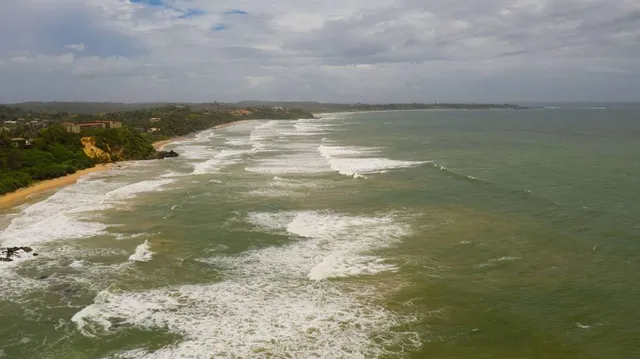
Matara Beach

Matara Beach

4.5

(294)

Open 24 hours
Click for details

Things to do nearby

Surf Weligama
Surf Weligama
Thu, Dec 11 • 8:00 AM
Mirissa, Southern Province 81740, Sri Lanka
View details
Love Afloat-Romantic sunset kayak n Bird watching
Thu, Dec 11 • 7:15 AM
Tangalle, Southern Province 82200, Sri Lanka
View details
Authentic Sri Lankan cooking class in Mirissa
Thu, Dec 11 • 4:00 PM
Mirissa, Southern Province, Sri Lanka
View details
Get the Appoverlay
Get the AppOne tap to find yournext favorite spots!
Wanderboat LogoWanderboat

Your everyday Al companion for getaway ideas

CompanyAbout Us
InformationAI Trip PlannerSitemap
SocialXInstagramTiktokLinkedin
LegalTerms of ServicePrivacy Policy

Get the app

© 2025 Wanderboat. All rights reserved.
logo

Posts

Amila KariyawasamAmila Kariyawasam
n 1640 the Dutch completed the main fort at Matara but found it to be vulnerable from attacks coming from land. In 1762 Singhalese forces backed by Kandyan Kingdom attacked and took control of the fort.[1] In 1763 the Dutch regained control of the fort and that year commenced construction of another smaller fort on the east bank of the Nilwala River, in order to protect the main fort from attacks originating from the river. The Star Fort was built to a unique shape of a six pointed star with space for 12 large cannons to cover approaches from all directions. The glacis or outer wall is approximately 7.5 metres (25 ft) wide and is surrounded by a 6 metres (20 ft) wide and 3.1 metres (10 ft) deep moat.[1] The rampart walls of the fort are constructed out of granite rock and coral, and are 14 feet (4.3 m) in width.[1] The fort was built to hold a small garrison, food supplies and enough ammunition to withstand an attack before being re-inforced from the main fort. The fort also had a two prison cells and a 2.75 metres (9.0 ft) diameter well in its centre to supply water.[1] The drainage system was internal and disposed of the water collected from the monsoon rains to the moat. The date of construction (1765) is embossed over the main gate with the Dutch East India Company insignia and the coat of arms of the governor flanked by two rampart lions. The entrance gate of the Star Fort, which is faced with coral, is also emblazoned "Redoute Van Eck 1763", commemorating the Dutch Governor of Ceylon, Lubbert Jan baron van Eck (1719 - 1765). The roof of the building originally was roofed with cadjan leaves, which were later replaced with clay tiles. The fort is said to be the last major defence post built by the Dutch but never had the chance to prove its effectiveness. In 1796 the fort was handed over to the British with the surrender of the Sri Lankan territory by the Dutch. The British used it as an administrative office and in 1965 it was used as a library until 1975 when it was acquired by the Department of Archeology.[1] The fort has subsequently been restored and currently houses a museum, which showcases the history of Matara.
Akila GunasekaraAkila Gunasekara
Matara is located close to the most southern point of Sri Lanka and its about 170 kilometres away from Colombo. Matara has a history going back over 2000 years but the modern Matara becomes an important city only during the Dutch occupation as it was used as a main port for the exportation of cinnamon and elephants. The dutch completed the main Matara fort around 1640 but found it to be vulnerable from attacks coming from land during the matara rebellion when the Singhalese forces backed by Kandyan Kingdom took hold of the fort in 1762. The dutch managed to take back the fort and built a another on the west bank of the Nilwala River to protect the main fort form attacks originating from the river. Map of Star Fort of Matara Map of Star Fort of Matara Source : Illustrations and views of Dutch Ceylon, 1602-1796 by By Rajpal Kumar De Silva, Willemina G. M. Beumer This Star Fort was built to an unique shape of an six pointed star with space for 12 large cannons to cover approaches from all directions. The fort was surrounded by an deep moat and was built to hold a small garrison, food supplies and enough ammunition. It also had a two prison cells and a well in the centre to supply water. On the arch of the main entrance the year 1765 is embossed (year of construction) along with the VOC emblem and the coat of arms of Governor Van Eck. This is said to be the last major defence post built by the Dutch and was never had the chance to prove its effectiveness. The fort was handed over to the British with the surrender of the Sri Lankan territory by them. The British used it as a residence for government officials and as a library until recently.
SAHANSAHAN
*Matara star fort -❤ 🕯️ The Star Box is an unusual construction with an attractive appearance. The box has twelve sides because it is shaped like a six-pointed star.✨️ Bridge - You have to go through the moat to the entrance of the fort. It is a two-part wooden bridge. One part is fixed and the other part is raised by a lever. It also acts as an additional door that closes when you lift it up.🎉️🎉️ The arched entrance with two large pillars exemplifies Dutch architecture. Very attractive place for both local and foreign tourist. Martha Fort is sort of an administrative district🎖️️🎖️️. The court is situated their as well as the election commission and the Divisional secretariat. You can also go farther to see where the river Nilwala meets the sea. There is a fishing harbour at that point as well. Very tidy small fort with some interesting info inside on Matara and surrounding area. Free of charge and definitely well worth a look if your in Matara.🎖️🪔
See more posts
See more posts
hotel
Find your stay

Pet-friendly Hotels in Matara

Find a cozy hotel nearby and make it a full experience.

n 1640 the Dutch completed the main fort at Matara but found it to be vulnerable from attacks coming from land. In 1762 Singhalese forces backed by Kandyan Kingdom attacked and took control of the fort.[1] In 1763 the Dutch regained control of the fort and that year commenced construction of another smaller fort on the east bank of the Nilwala River, in order to protect the main fort from attacks originating from the river. The Star Fort was built to a unique shape of a six pointed star with space for 12 large cannons to cover approaches from all directions. The glacis or outer wall is approximately 7.5 metres (25 ft) wide and is surrounded by a 6 metres (20 ft) wide and 3.1 metres (10 ft) deep moat.[1] The rampart walls of the fort are constructed out of granite rock and coral, and are 14 feet (4.3 m) in width.[1] The fort was built to hold a small garrison, food supplies and enough ammunition to withstand an attack before being re-inforced from the main fort. The fort also had a two prison cells and a 2.75 metres (9.0 ft) diameter well in its centre to supply water.[1] The drainage system was internal and disposed of the water collected from the monsoon rains to the moat. The date of construction (1765) is embossed over the main gate with the Dutch East India Company insignia and the coat of arms of the governor flanked by two rampart lions. The entrance gate of the Star Fort, which is faced with coral, is also emblazoned "Redoute Van Eck 1763", commemorating the Dutch Governor of Ceylon, Lubbert Jan baron van Eck (1719 - 1765). The roof of the building originally was roofed with cadjan leaves, which were later replaced with clay tiles. The fort is said to be the last major defence post built by the Dutch but never had the chance to prove its effectiveness. In 1796 the fort was handed over to the British with the surrender of the Sri Lankan territory by the Dutch. The British used it as an administrative office and in 1965 it was used as a library until 1975 when it was acquired by the Department of Archeology.[1] The fort has subsequently been restored and currently houses a museum, which showcases the history of Matara.
Amila Kariyawasam

Amila Kariyawasam

hotel
Find your stay

Affordable Hotels in Matara

Find a cozy hotel nearby and make it a full experience.

Get the Appoverlay
Get the AppOne tap to find yournext favorite spots!
Matara is located close to the most southern point of Sri Lanka and its about 170 kilometres away from Colombo. Matara has a history going back over 2000 years but the modern Matara becomes an important city only during the Dutch occupation as it was used as a main port for the exportation of cinnamon and elephants. The dutch completed the main Matara fort around 1640 but found it to be vulnerable from attacks coming from land during the matara rebellion when the Singhalese forces backed by Kandyan Kingdom took hold of the fort in 1762. The dutch managed to take back the fort and built a another on the west bank of the Nilwala River to protect the main fort form attacks originating from the river. Map of Star Fort of Matara Map of Star Fort of Matara Source : Illustrations and views of Dutch Ceylon, 1602-1796 by By Rajpal Kumar De Silva, Willemina G. M. Beumer This Star Fort was built to an unique shape of an six pointed star with space for 12 large cannons to cover approaches from all directions. The fort was surrounded by an deep moat and was built to hold a small garrison, food supplies and enough ammunition. It also had a two prison cells and a well in the centre to supply water. On the arch of the main entrance the year 1765 is embossed (year of construction) along with the VOC emblem and the coat of arms of Governor Van Eck. This is said to be the last major defence post built by the Dutch and was never had the chance to prove its effectiveness. The fort was handed over to the British with the surrender of the Sri Lankan territory by them. The British used it as a residence for government officials and as a library until recently.
Akila Gunasekara

Akila Gunasekara

hotel
Find your stay

The Coolest Hotels You Haven't Heard Of (Yet)

Find a cozy hotel nearby and make it a full experience.

hotel
Find your stay

Trending Stays Worth the Hype in Matara

Find a cozy hotel nearby and make it a full experience.

*Matara star fort -❤ 🕯️ The Star Box is an unusual construction with an attractive appearance. The box has twelve sides because it is shaped like a six-pointed star.✨️ Bridge - You have to go through the moat to the entrance of the fort. It is a two-part wooden bridge. One part is fixed and the other part is raised by a lever. It also acts as an additional door that closes when you lift it up.🎉️🎉️ The arched entrance with two large pillars exemplifies Dutch architecture. Very attractive place for both local and foreign tourist. Martha Fort is sort of an administrative district🎖️️🎖️️. The court is situated their as well as the election commission and the Divisional secretariat. You can also go farther to see where the river Nilwala meets the sea. There is a fishing harbour at that point as well. Very tidy small fort with some interesting info inside on Matara and surrounding area. Free of charge and definitely well worth a look if your in Matara.🎖️🪔
SAHAN

SAHAN

See more posts
See more posts

Reviews of Star Fort - Matara | තාරකා කොටුව - මාතර

4.4
(408)
avatar
5.0
6y

The Star Fort (Sinhala: මාතර තාරකා කොටුව Mathara Tharaka Kotuwa; Tamil: விண்மீன் கோட்டை, romanized: Viṇmīṉ Kōṭṭai) is a fort in Matara, Sri Lanka, located on the eastern bank of the Nilwala River, approximately 350 metres (1,150 ft) from the gate to the Matara fort. It was constructed by the Dutch in 1765, and was originally called Redoute Van Eck.

In 1640 the Dutch completed the main fort at Matara but found it to be vulnerable from attacks coming from land. In 1762 Singhalese forces backed by Kandyan Kingdom attacked and took control of the fort. In 1763 the Dutch regained control of the fort and that year commenced construction of another smaller fort on the east bank of the Nilwala River, in order to protect the main fort from attacks originating from the river.

The Star Fort was built to a unique shape of a six pointed star with space for 12 large cannons to cover approaches from all directions. The glacis or outer wall is approximately 7.5 metres (25 ft) wide and is surrounded by a 6 metres (20 ft) wide and 3.1 metres (10 ft) deep moat. The rampart walls of the fort are constructed out of granite rock and coral, and are 14 feet (4.3 m) in width. The fort was built to hold a small garrison, food supplies and enough ammunition to withstand an attack before being re-inforced from the main fort. The fort also had a two prison cells and a 2.75 metres (9.0 ft) diameter well in its centre to supply water. The drainage system was internal and disposed of the water collected from the monsoon rains to the moat. The date of construction (1765) is embossed over the main gate with the Dutch East India Company insignia and the coat of arms of the governor flanked by two rampart lions. The entrance gate of the Star Fort, which is faced with coral, is also emblazoned "Redoute Van Eck 1763", commemorating the Dutch Governor of Ceylon, Lubbert Jan baron van Eck (1719 - 1765). The roof of the building originally was roofed with cadjan leaves, which were later replaced with clay tiles.

The fort is said to be the last major defence post built by the Dutch but never had the chance to prove its effectiveness. In 1796 the fort was handed over to the British with the surrender of the Sri Lankan territory by the Dutch. The British used it as an administrative office and in 1965 it was used as a library until 1975 when it was acquired by the Department of Archeology. The fort has subsequently been restored and currently houses a museum, which showcases the history of Matara.

මාතර තාරකා කොටුව, ශ්‍රී ලංකාවේ මාතර නගරයෙහි, දොරටුවේ සිට මාතර කොටුවට ආසන්න වශයෙන් මීටර් 350 ක් (අඩි 1,150) දුරින් නැගෙනහිර නිල්වලා ගං ඉවුරේ පිහිටා ඇති කොටුවකි. 1765 වර්ෂයෙහි ලන්දේසීන් විසින් ඉදිකර ඇති මෙම කොටුව මුලින් හඳුන්වා ඇත්තේ “ර’ ඩූට් වන් එක්” (Redoute Van Eck) යන නමිනි.

වර්ෂ 1640 වන විට ලන්දේසීන් මාතර ප්‍රධාන බල කොටුව ඉදි කර තිබූ නමුත් එය රට තුලින් පැමිණෙන ප්‍රහාර වලින් අවදානමකට ලක්විය හැකි බව සොයා ගන්නා ලදී. වර්ෂ 1762 දී මහනුවර රාජධානියේ පිටු බලය රැගත් සිංහල හමුදා කොටුවට පහර දී එහි බලය අත්පත් කර ගත්හ. 1763 හිදී ලන්දේසීන් කොටුවෙහි පාලනය නැවත ලබා ගත් අතර එම වර්ෂයෙහිදී ගංඟාවෙන් බිහි වන ප්‍රහාර වලින් ප්‍රධාන කොටුව රැක ගැනීම සඳහා නැගෙනහිර නිල්වලා ගං ඉවුරෙහි තවත් කුඩා කොටුවක් ඉදිකිරීම ආරම්භ කළහ.

මෙම තාරකා කොටුව, සෑම දිශාවකම ප්‍රවේශයන් ආවරණය කිරීමට විශාල කාලතුවක්කු 12 ක් සඳහා අවකාශය සපයන කොන් හයේ තරුවක අසමසම හැඩයකින් ඉදි කර ඇත. ප්‍රකාර බෑවුම හෙවත් පිටත බිත්තිය මීටර් 7.5 (අඩි 25) පමණ පළල අතර මීටර් 6ක් (අඩි 20) පළල හා මීටර් 3.1 ක් (අඩි 10) ගැඹුරු දිය අගලකින් වට වී ඇත. කොටුවේ ප්‍රාකාර බිත්ති ග්රැනයිට් පාෂාණ සහ කොරල් වලින් ඉදිකර ඇති අතර අඩි 14 ක් (මීටර්...

   Read more
avatar
4.0
6y

n 1640 the Dutch completed the main fort at Matara but found it to be vulnerable from attacks coming from land. In 1762 Singhalese forces backed by Kandyan Kingdom attacked and took control of the fort.[1] In 1763 the Dutch regained control of the fort and that year commenced construction of another smaller fort on the east bank of the Nilwala River, in order to protect the main fort from attacks originating from the river.

The Star Fort was built to a unique shape of a six pointed star with space for 12 large cannons to cover approaches from all directions. The glacis or outer wall is approximately 7.5 metres (25 ft) wide and is surrounded by a 6 metres (20 ft) wide and 3.1 metres (10 ft) deep moat.[1] The rampart walls of the fort are constructed out of granite rock and coral, and are 14 feet (4.3 m) in width.[1] The fort was built to hold a small garrison, food supplies and enough ammunition to withstand an attack before being re-inforced from the main fort. The fort also had a two prison cells and a 2.75 metres (9.0 ft) diameter well in its centre to supply water.[1] The drainage system was internal and disposed of the water collected from the monsoon rains to the moat. The date of construction (1765) is embossed over the main gate with the Dutch East India Company insignia and the coat of arms of the governor flanked by two rampart lions. The entrance gate of the Star Fort, which is faced with coral, is also emblazoned "Redoute Van Eck 1763", commemorating the Dutch Governor of Ceylon, Lubbert Jan baron van Eck (1719 - 1765). The roof of the building originally was roofed with cadjan leaves, which were later replaced with clay tiles.

The fort is said to be the last major defence post built by the Dutch but never had the chance to prove its effectiveness. In 1796 the fort was handed over to the British with the surrender of the Sri Lankan territory by the Dutch. The British used it as an administrative office and in 1965 it was used as a library until 1975 when it was acquired by the Department of Archeology.[1] The fort has subsequently been restored and currently houses a museum, which showcases the...

   Read more
avatar
4.0
5y

Matara is located close to the most southern point of Sri Lanka and its about 170 kilometres away from Colombo. Matara has a history going back over 2000 years but the modern Matara becomes an important city only during the Dutch occupation as it was used as a main port for the exportation of cinnamon and elephants.

The dutch completed the main Matara fort around 1640 but found it to be vulnerable from attacks coming from land during the matara rebellion when the Singhalese forces backed by Kandyan Kingdom took hold of the fort in 1762. The dutch managed to take back the fort and built a another on the west bank of the Nilwala River to protect the main fort form attacks originating from the river.

Map of Star Fort of Matara Map of Star Fort of Matara Source : Illustrations and views of Dutch Ceylon, 1602-1796 by By Rajpal Kumar De Silva, Willemina G. M. Beumer

This Star Fort was built to an unique shape of an six pointed star with space for 12 large cannons to cover approaches from all directions. The fort was surrounded by an deep moat and was built to hold a small garrison, food supplies and enough ammunition. It also had a two prison cells and a well in the centre to supply water. On the arch of the main entrance the year 1765 is embossed (year of construction) along with the VOC emblem and the coat of arms of Governor Van Eck.

This is said to be the last major defence post built by the Dutch and was never had the chance to prove its effectiveness. The fort was handed over to the British with the surrender of the Sri Lankan territory by them. The British used it as a residence for government officials and as a library...

   Read more
Page 1 of 7
Previous
Next