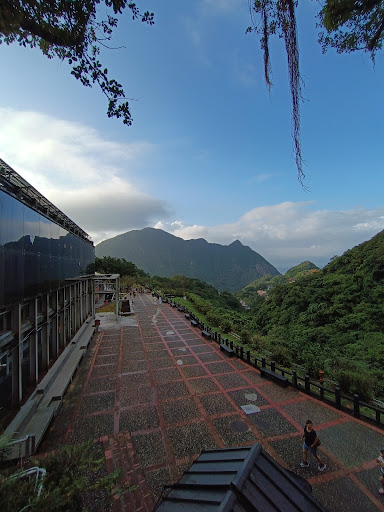
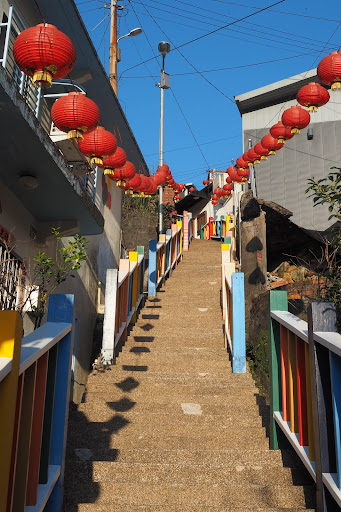
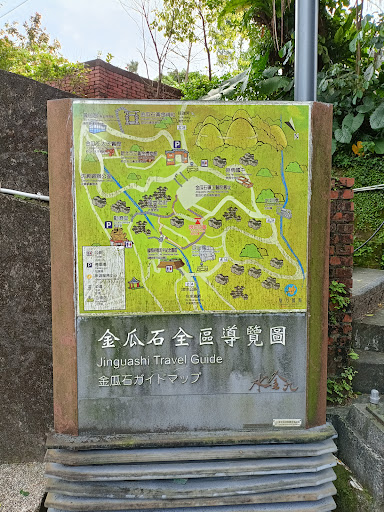
Qitang Old Street things to do, attractions, restaurants, events info and trip planning
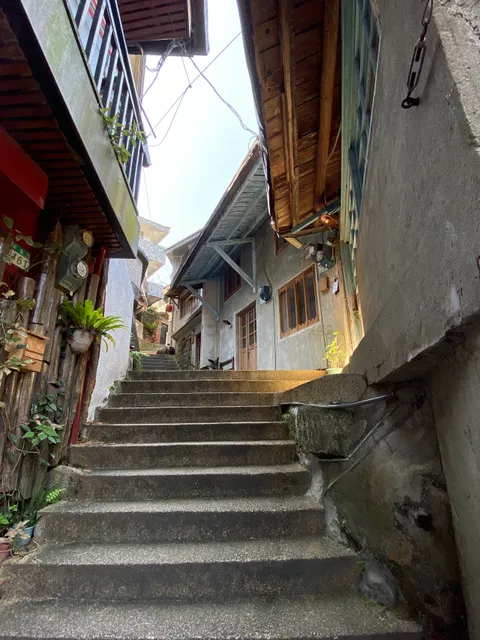
Basic Info
Qitang Old Street
No. 165號, Qitang Rd, Ruifang District, New Taipei City, Taiwan 224
4.3(747)
Open until 12:00 AM
Save
spot
spot
Ratings & Description
Info
Cultural
Scenic
Outdoor
Off the beaten path
attractions: Chuen Ji Hall, Gold Museum, New Taipei City Government, Taiwan POW Memorial and Peace Park (Kinkaseki POW Camp), Teapot Mountain Trail, 報時山棧道, Jinguashi Shrine, Golden Waterfall, restaurants: Gold Mine Crystal Cafeteria, 茶壺山下小吃 - 金瓜石美食 食尚玩家推薦 豆花 挫冰 便當, 食不厭(一夜干專賣)無預約, local businesses:
 Learn more insights from Wanderboat AI.
Phone
+886 2 2496 2800
Website
tour.ntpc.gov.tw
Open hoursSee all hours
FriOpen 24 hoursOpen
Plan your stay

Pet-friendly Hotels in New Taipei
Find a cozy hotel nearby and make it a full experience.

Affordable Hotels in New Taipei
Find a cozy hotel nearby and make it a full experience.

The Coolest Hotels You Haven't Heard Of (Yet)
Find a cozy hotel nearby and make it a full experience.

Trending Stays Worth the Hype in New Taipei
Find a cozy hotel nearby and make it a full experience.
Reviews
Nearby attractions of Qitang Old Street
Chuen Ji Hall
Gold Museum, New Taipei City Government
Taiwan POW Memorial and Peace Park (Kinkaseki POW Camp)
Teapot Mountain Trail
報時山棧道
Jinguashi Shrine
Golden Waterfall

Chuen Ji Hall
4.5
(451)
Open until 9:00 PM
Click for details
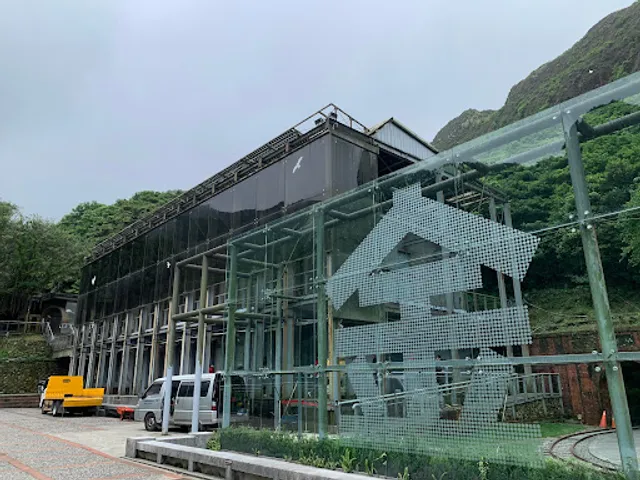
Gold Museum, New Taipei City Government
4.2
(7.3K)
Closed
Click for details

Taiwan POW Memorial and Peace Park (Kinkaseki POW Camp)
4.3
(110)
Open until 12:00 AM
Click for details

Teapot Mountain Trail
4.7
(1.9K)
Open until 12:00 AM
Click for details
Nearby restaurants of Qitang Old Street
Gold Mine Crystal Cafeteria
茶壺山下小吃 - 金瓜石美食 食尚玩家推薦 豆花 挫冰 便當
食不厭(一夜干專賣)無預約

Gold Mine Crystal Cafeteria
4.2
(248)
Closed
Click for details
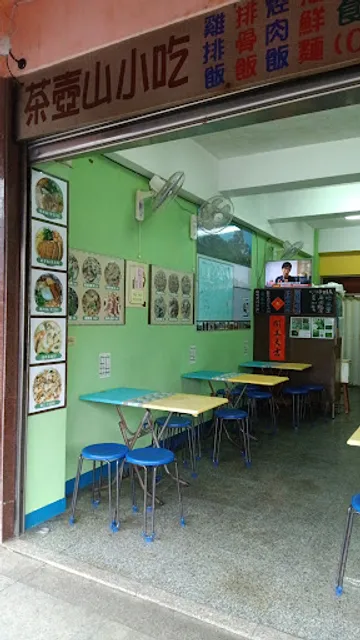
茶壺山下小吃 - 金瓜石美食 食尚玩家推薦 豆花 挫冰 便當
4.7
(107)
Open until 12:00 AM
Click for details
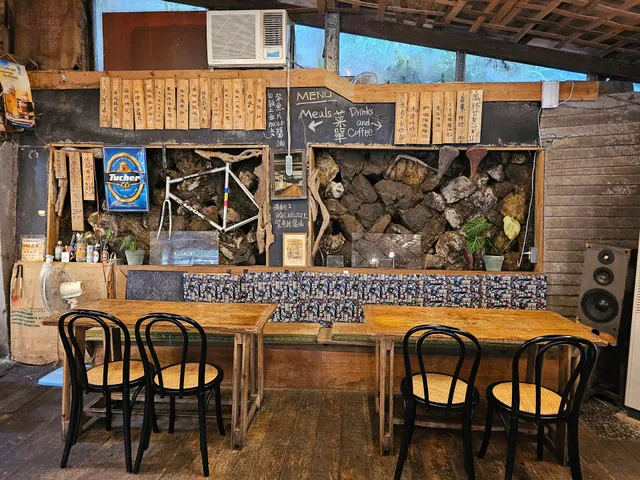
食不厭(一夜干專賣)無預約
4.4
(1.3K)
Open until 8:00 PM
Click for details