Warning ! Beware of box jellyfish, they are poisonous and life-threatening, Box jellysh or Sea wasp is a poisonous jellyfish that has been reported. cause death more often compared to Other types of jellyfish: In Thailand, the highly poisonous box jellyfish can be found in almost every coastal province. Both the Gulf of Thailand and Andaman coast
box jellyfish It is an invertebrate animal that is transparent or light blue, light brown, pink, or colorless, making it difficult to notice when in water. Its shape is similar to a cube, similar to an umbrella or an inverted bell, with different sizes. Each corner of its square body has protruding legs. Come out before it splits into tentacles. There may be as many as 15 tentacles, each one up to 3 meters long. The tentacles can extend far to release nematocysts to catch fish and small aquatic animals as food. The more jellyfish The larger the size, the more poisonous it is because there are more pods that contain toxins. They have 4 groups of eyes. They can swim quickly and can move up to the surface of the water as quickly as 5. feet per second
Box jellyfish can be classified into 2 large groups.
Type with many tentacles - has branched tentacles, the branches may have as many as 60, has gastric saccules, often found on coastal areas in shallow water at waist level. or knee level in areas that are bays and the sea floor is sandy, with no coral reefs or rock reefs Especially in the beach area Sand near mangrove forests and river mouths can be found in every season but is more common during the warmer months from November - April, especially after rain and strong winds. The poison from some box jellyfish in this group makes the area affected by the poison. Severe pain, which will subside within 4-12 hours and Appears as burn marks in cases with severe symptoms. Can cause the skin in the area poisoned to death And in the case of receiving a large amount of poison, there may be symptoms of confusion or loss of consciousness. before leading to Coma and death, most of which died from cardiac or respiratory system failure.
Became more severe after that Approximately 5 - 40 minutes. Symptoms found include headache, back pain, stomach pain, nausea, vomiting, sweating, difficulty breathing, coughing, cramps, muscle spasms, high blood pressure, and irregular heartbeat. It's normal, but it usually doesn't cause death. It just makes you feel uncomfortable, which may lead to drowning more easily.
Diagnosis of injuries from venomous jellyfish Because catching the jellyfish that is the cause is quite difficult, making classification of the type of Jellyfish that are the cause of Most injuries can't do it Therefore, diagnosis must rely on
History, area information Symptoms and characteristics Symptoms are mainly expressed by the patient. that is considered to be caused by a box jellyfish with many tentacles Symptoms immediately after touching the beard -Red rash in lines Coiled back and forth like a string Jellyfish: If you get a lot of them, you'll see burns. Pain in the part that touches the jellyfish. Patients often Severe pain like never before - loss of consciousness, stopping breathing Patients considered to be suffering from box jellyfish, which has a single tentacle. • Symptoms appear within 5 - 40 minutes after touching the beard. • There may be no visible scars. If there is, you Advise the injured person to stay still. Becareful and prevent others from touching it. Orscrub the area that touches the jellyfish'sstrings, tentacles. The area touched by the jellyfish should bedoused with household vinegar (concentration4-6 percent) continuously for at least 30seconds. The vinegar will stop the venom fromshooting the needles. The poison does notreduce pain, but prevents it. Injuries occur incases where there is no vinegar in the area. Ifthere is no vinegar, use seawater instead, butthe effectiveness will not be as good as vinegar. Do not use plain water, soft drinks, sourwater or water. -Use forceps to...
Read moreTropical paradise 🏝️
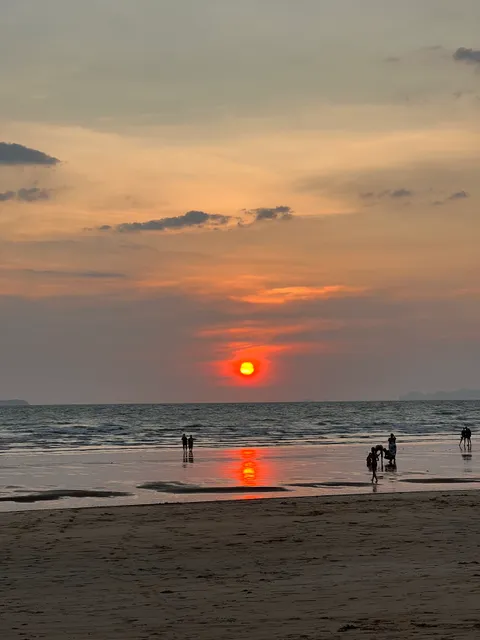
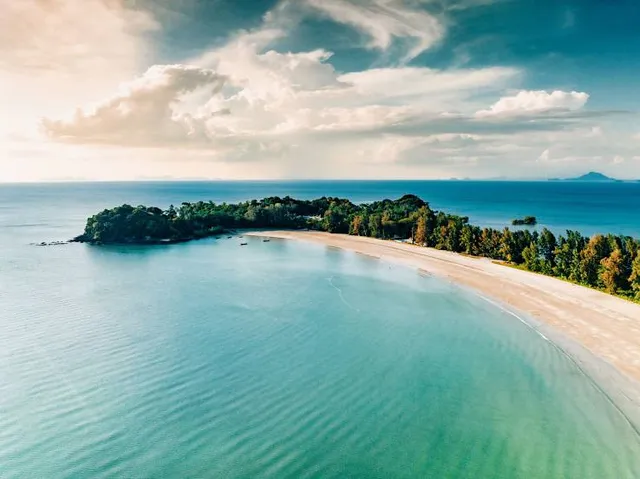
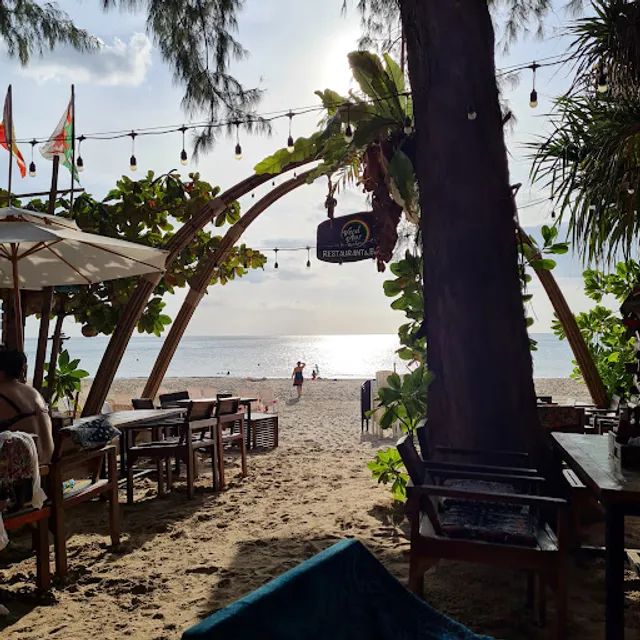
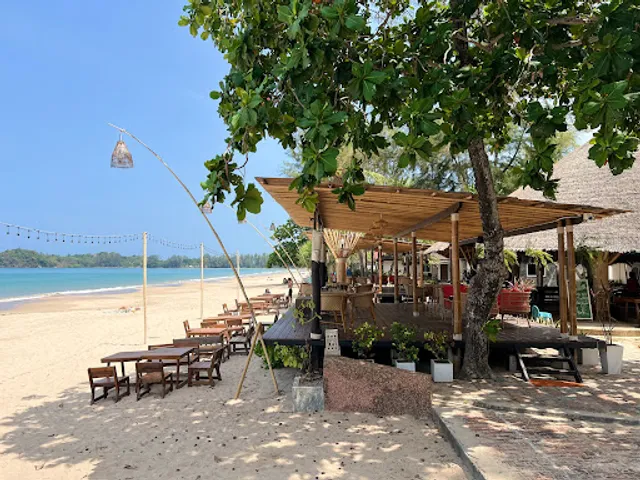
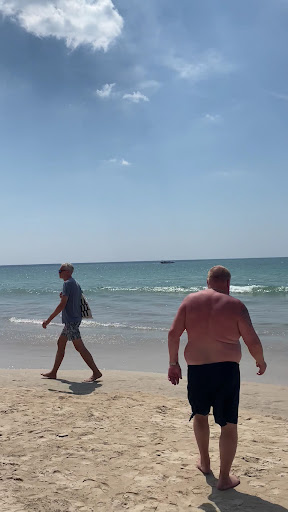
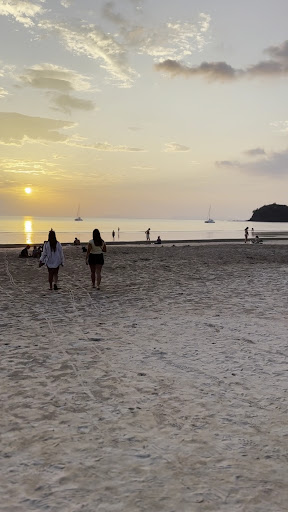
Wide long sandy beach, clean water, calm and quiet atmosphere. While swimming, you can enjoy the views of Koh Lanta's lush green mountains, distant islands, and eagles soaring in the sky. I felt like I was in a movie.
There were very few people (it was April), and lots of baby crabs. You can also find hermit crabs the farther south you go, though you can also spot them in the northern part at night. I even saw a flathead fish near the shore! Which was scary but still exciting.
Nothing else was spotted in the water, and the water isn’t clear. Not because it’s dirty though, but because it’s full of tiny organisms like plankton (which create a rich ecosystem that supports so many crabs in the area). The sea here is clean and pleasant, just not suitable for snorkeling.
I’ve been to the beaches in the south as well and didn’t notice much of a difference - maybe fewer crabs, so if you're wondering if you'll miss anything by staying only in the north, then no, it's already...
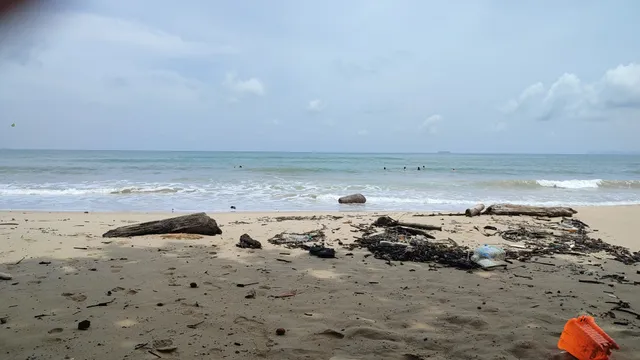
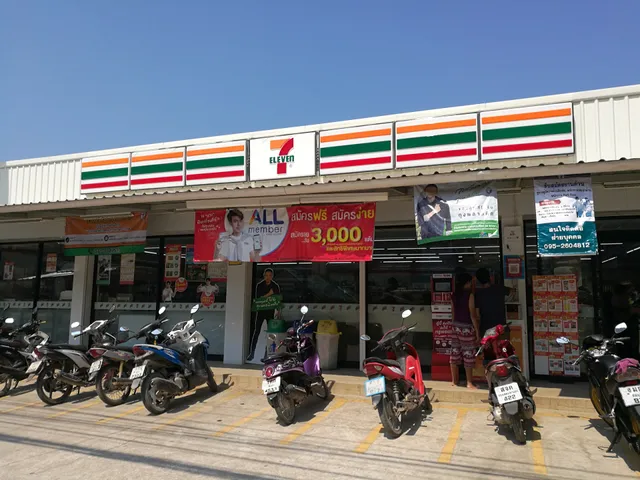
Read moreWe love it here! We were only supposed to be on Koh Lanta for 2 weeks but within 2 days of being here we knew we needed to stay. (We are retired nomads so we had the flexibility) Immediately booked 2 more weeks (thank goodness as it was mid January and very little available). Would highly recommend this beach for its long walkable beach. Very clean now in January, (have heard from locals that the trash may arrive in the summer from Phuket, but it’s obvious that it gets cleaned up well). Very family friendly with a few play areas beside restaurants and the beach is shallow and has soft lovely sand. Beautiful sunsets with happy hours! Loads of restaurants, massage places (Soul Fitness massage was amazing!), a couple little mini-marts too. The main road is just a minute walk from beach and has restaurants, bakeries, bars, groceries and markets. Would highly recommend this beach, at least in...
Read more