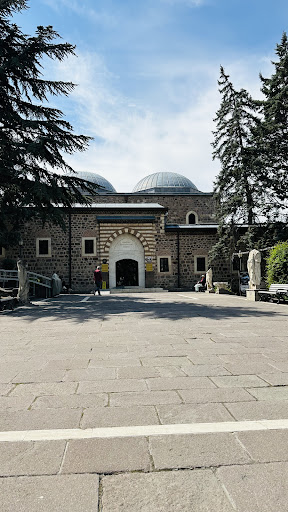
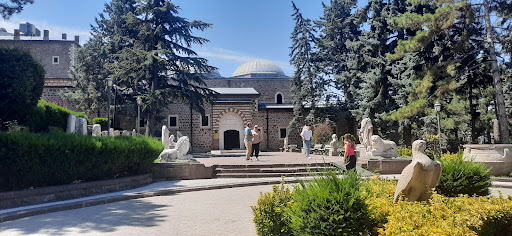
Museum of Anatolian Civilizations things to do, attractions, restaurants, events info and trip planning
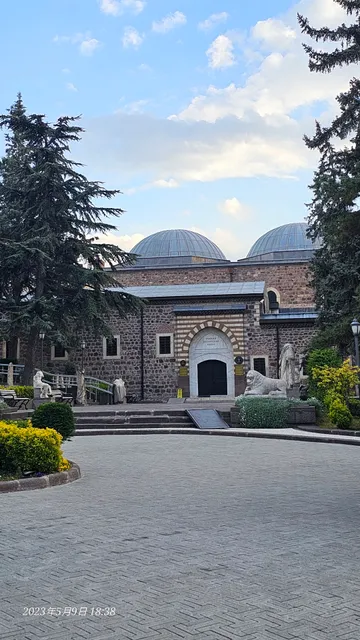
Basic Info
Museum of Anatolian Civilizations
Kale, Gözcü Sk. No:2, 06240 Ulus/Altındağ/Ankara, Türkiye
4.8(6.3K)
Open until 5:30 PM

tickets
Save
spot
spot
Ratings & Description
Info
Cultural
Family friendly
Accessibility
attractions: Rahmi M. Koc Museum Ankara, Erimtan Archaeology and Art Museum, Ankara Castle, Türkpusat Geleneksel Savaş Pusatları Müzesi, Aslanhane Mosque, Gokyay Foundation Chess Museum, Intangible Cultural Heritage Museum, Ancient Roman Theater, Haci Bayram Mosque, Hacı Bayram-ı Veli Tomb, restaurants: Bogazici Lokantasi, Urfa Halil Ibrahim Sark Sofrasi, Tarihi Kale Çorbacısı, Yalçın piknik, Uludağ Kebap, Urfali Haci Mehmet, Şöhretler ASPAVA, Aspava Pide Kebap Salonu, Aspava Pide Kebap, Gaziantep Harlı Fırın Lahmacun, local businesses: Museum of Anatolian Civilizations, Historical Pilavoğlu Han Bazaar, Culture & Tourism Directorate, Poets and Writers Home Museum, PTT Pul Müzesi
 Learn more insights from Wanderboat AI.
Phone
+90 312 324 31 60
Website
muze.gov.tr
Open hoursSee all hours
Tue8:30 AM - 5:30 PMOpen
Plan your stay

Pet-friendly Hotels in Altındağ
Find a cozy hotel nearby and make it a full experience.

Affordable Hotels in Altındağ
Find a cozy hotel nearby and make it a full experience.

The Coolest Hotels You Haven't Heard Of (Yet)
Find a cozy hotel nearby and make it a full experience.

Trending Stays Worth the Hype in Altındağ
Find a cozy hotel nearby and make it a full experience.
Reviews
Live events
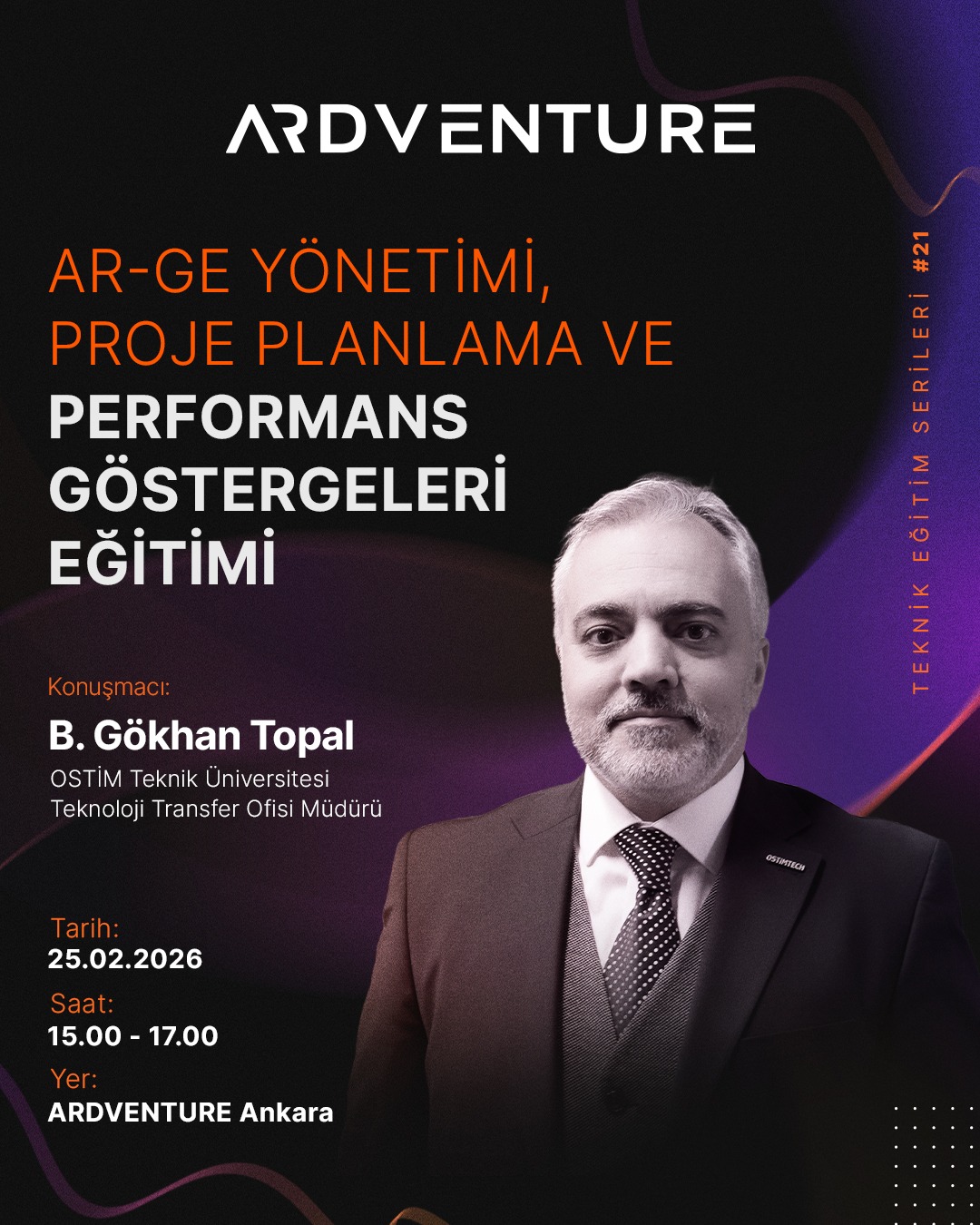
AR-GE YÖNETİMİ, PROJE PLANLAMA VE PERFORMANS GÖSTERGELERİ EĞİTİMİ
Wed, Feb 25 • 12:00 PM
ARDVENTURE Ankara – Sanal Ofis ve Teknoloji Geliştirme Alanı, Söğütözü, Söğütözü Cd. No: 2, Koç Kuleleri C Blok 17, Söğütözü, 06510 Çankaya/Ankara, Türkiye
View details
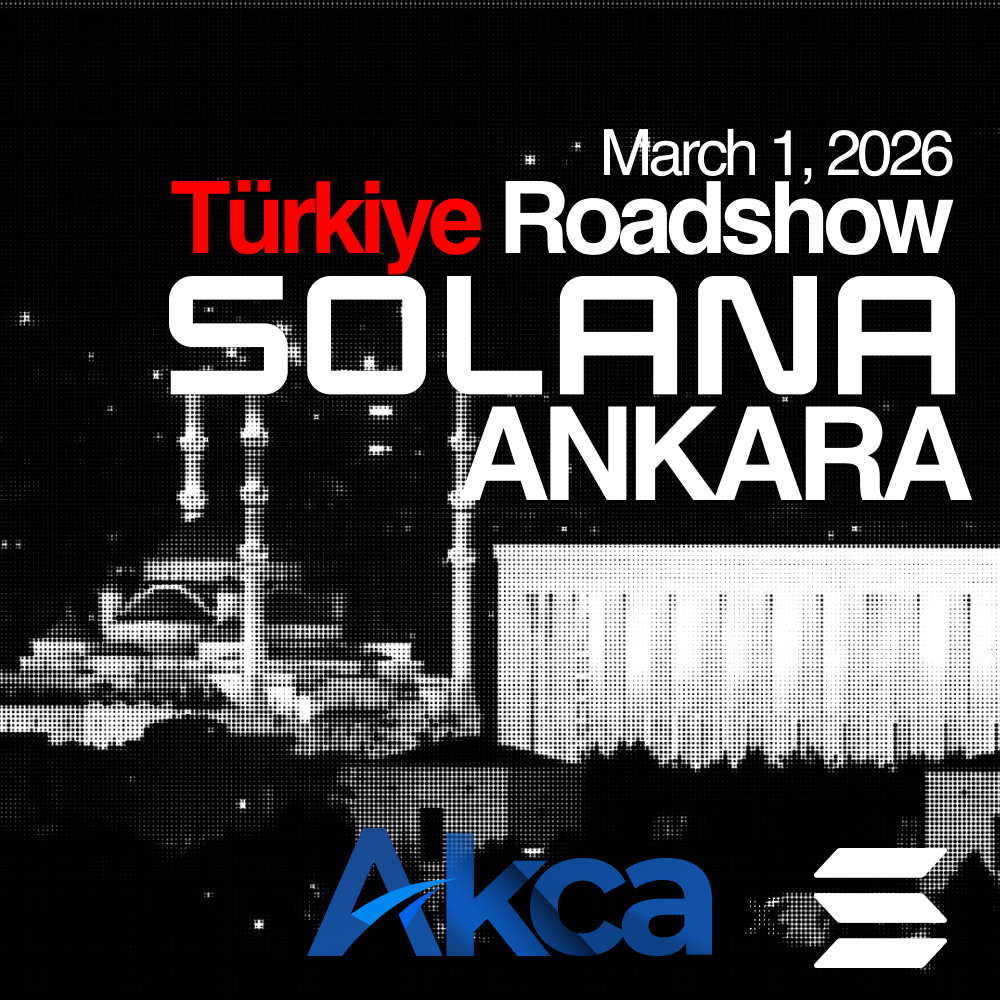
Akca x Solana Türkiye Roadshow: Ankara
Sun, Mar 1 • 9:00 AM
Altındağ, Ankara
View details
Nearby attractions of Museum of Anatolian Civilizations
Rahmi M. Koc Museum Ankara
Erimtan Archaeology and Art Museum
Ankara Castle
Türkpusat Geleneksel Savaş Pusatları Müzesi
Aslanhane Mosque
Gokyay Foundation Chess Museum
Intangible Cultural Heritage Museum
Ancient Roman Theater
Haci Bayram Mosque
Hacı Bayram-ı Veli Tomb
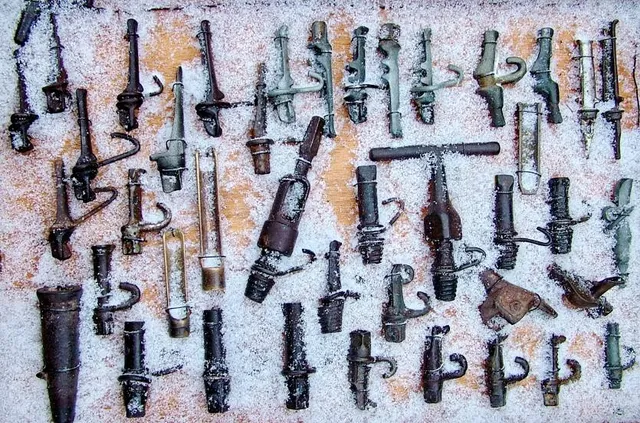
Rahmi M. Koc Museum Ankara
4.8
(3.1K)
Open until 12:00 AM
Click for details
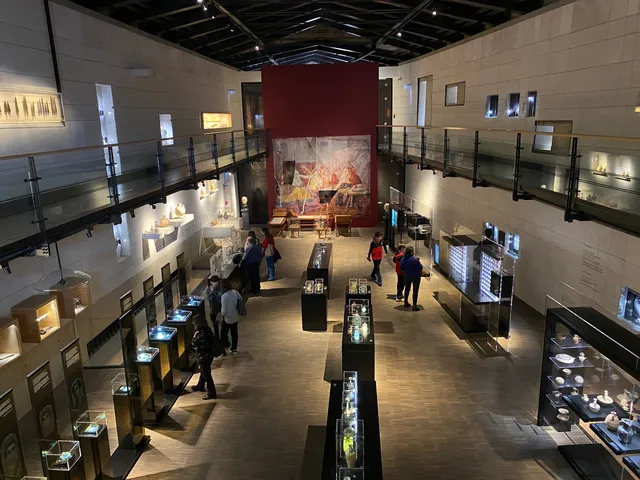
Erimtan Archaeology and Art Museum
4.5
(819)
Open until 12:00 AM
Click for details
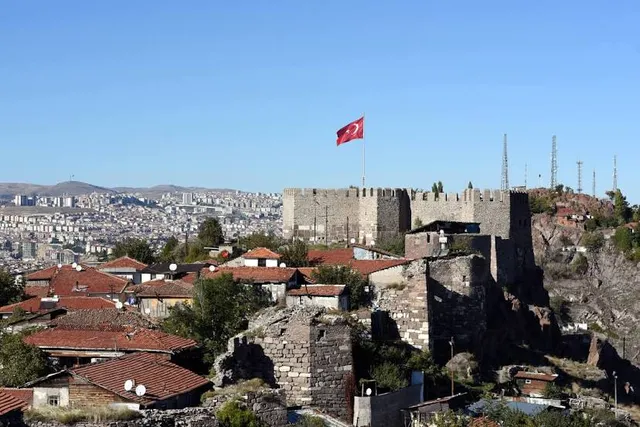
Ankara Castle
4.4
(8.7K)
Open until 8:00 PM
Click for details
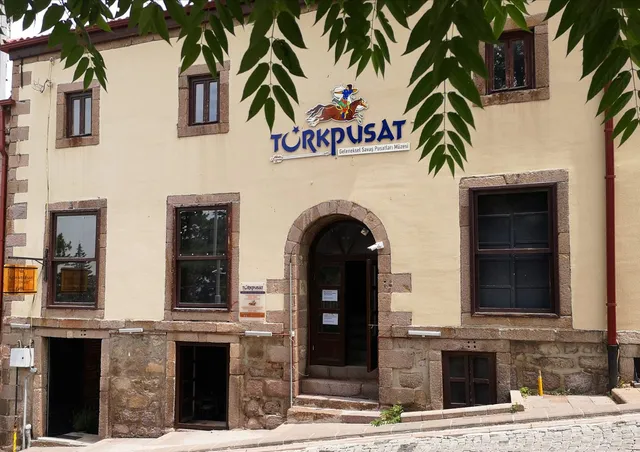
Türkpusat Geleneksel Savaş Pusatları Müzesi
4.7
(113)
Open until 12:00 AM
Click for details
Nearby restaurants of Museum of Anatolian Civilizations
Bogazici Lokantasi
Urfa Halil Ibrahim Sark Sofrasi
Tarihi Kale Çorbacısı
Yalçın piknik
Uludağ Kebap
Urfali Haci Mehmet
Şöhretler ASPAVA
Aspava Pide Kebap Salonu
Aspava Pide Kebap
Gaziantep Harlı Fırın Lahmacun
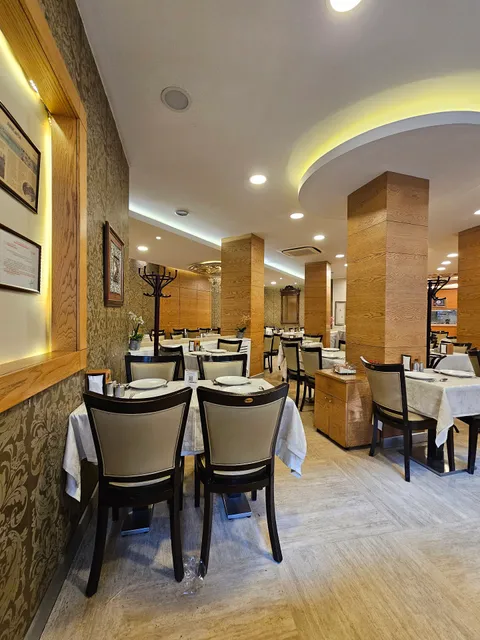
Bogazici Lokantasi
4.3
(1.4K)
Open until 9:00 PM
Click for details
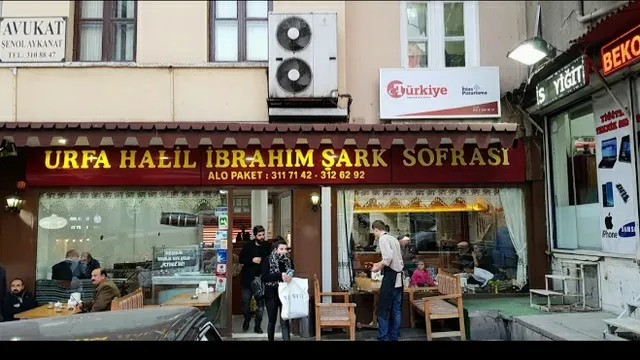
Urfa Halil Ibrahim Sark Sofrasi
4.2
(267)
Open until 10:30 PM
Click for details
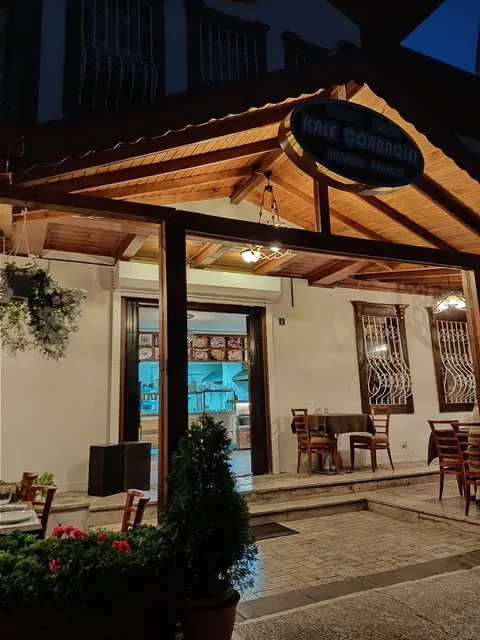
Tarihi Kale Çorbacısı
4.2
(73)
Open until 12:00 AM
Click for details
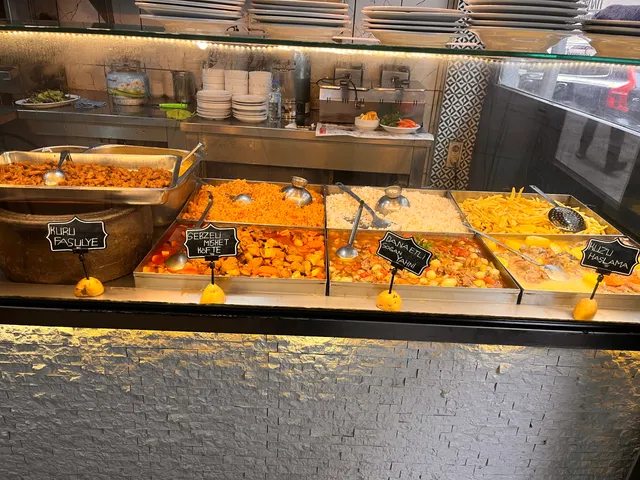
Yalçın piknik
4.9
(33)
Open until 6:00 PM
Click for details
Nearby local services of Museum of Anatolian Civilizations
Museum of Anatolian Civilizations
Historical Pilavoğlu Han Bazaar
Culture & Tourism Directorate
Poets and Writers Home Museum
PTT Pul Müzesi
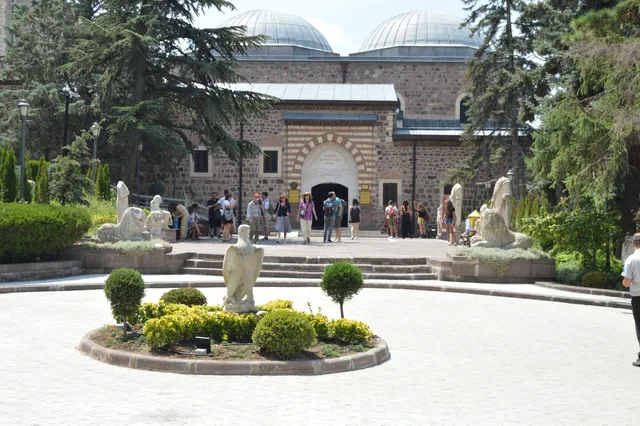
Museum of Anatolian Civilizations
4.7
(4.6K)
Click for details
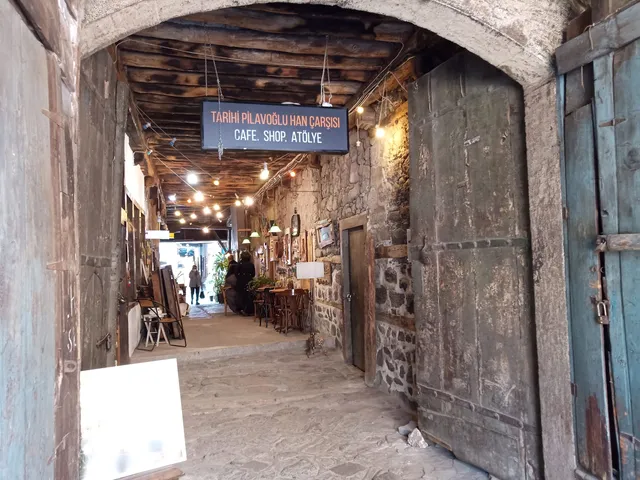
Historical Pilavoğlu Han Bazaar
4.6
(113)
Click for details
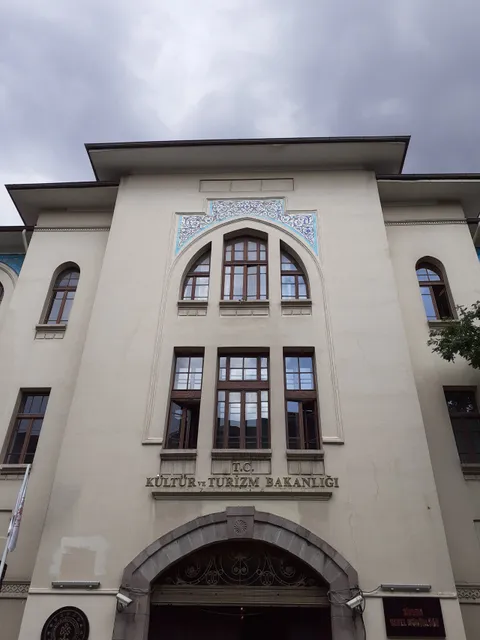
Culture & Tourism Directorate
4.2
(78)
Click for details
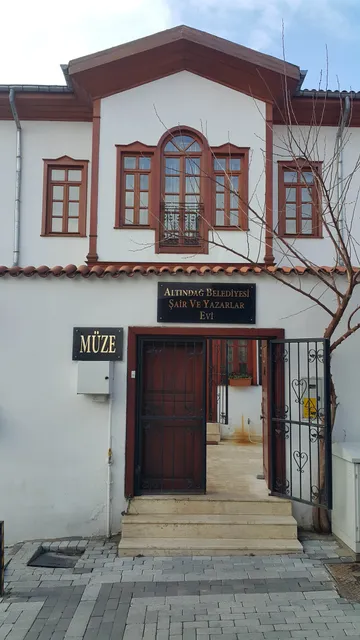
Poets and Writers Home Museum
4.4
(46)
Click for details