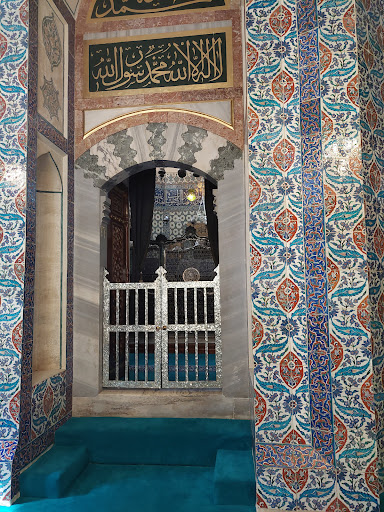
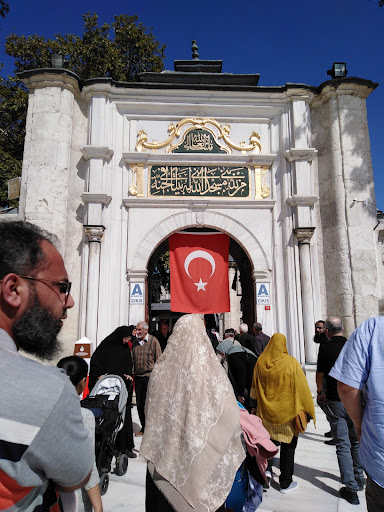
Abu Ayyub al-Ansari things to do, attractions, restaurants, events info and trip planning
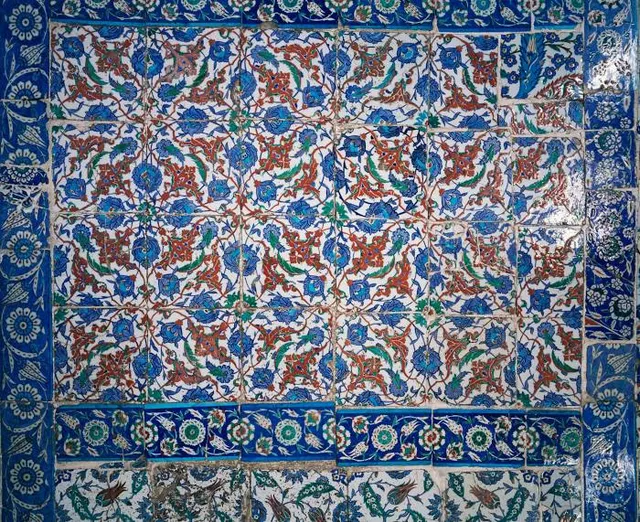
Basic Info
Abu Ayyub al-Ansari
Merkez, Kalenderhane Cd. No:12, 34050 Eyüpsultan/İstanbul, Türkiye
4.9(567)
Open 24 hours
Save
spot
spot
Ratings & Description
Info
Abu Ayyub al-Ansari — born Khalid ibn Zayd ibn Kulayb ibn Tha'laba in Yathrib — was from the tribe of Banu Najjar, was a close companion and the standard-bearer of the Islamic prophet Muhammad. Abu Ayyub was one of the Ansar of the early Islamic history, those who supported Muhammad after the hijra to Medina in 622.
Cultural
Scenic
Relaxation
Family friendly
Accessibility
attractions: Eyüp Sultan Mosque, Suleiman the Magnificent Fountain, Zal Mahmud Pasha Mosque, Sütlüce Park, Golden Horn Bridge, Defterdar Mahmut Efendi Mosque, restaurants: Ensar Lokantası, Emirgan Sütiş Eyüpsultan, Ensari Konağı Sosyal Tesisleri, Burger King - Eyüp, Mado, Kuzina Pide, Pierre Loti, Nazmi Babanın Yeri, local businesses: Eyüp Ağa Güveç Börek ve Pide, Eyüp Cuma Pazarı, Golden Horn Bridge, Cağistan Erzurum Cağ Kebabi
 Learn more insights from Wanderboat AI.
Plan your stay

Pet-friendly Hotels in Eyüpsultan
Find a cozy hotel nearby and make it a full experience.

Affordable Hotels in Eyüpsultan
Find a cozy hotel nearby and make it a full experience.

The Coolest Hotels You Haven't Heard Of (Yet)
Find a cozy hotel nearby and make it a full experience.

Trending Stays Worth the Hype in Eyüpsultan
Find a cozy hotel nearby and make it a full experience.
Reviews
Live events

Perfume Making Workshop with Bosphorus View
Thu, Feb 26 • 10:00 AM
34425, Beyoğlu, İstanbul, Turkey
View details
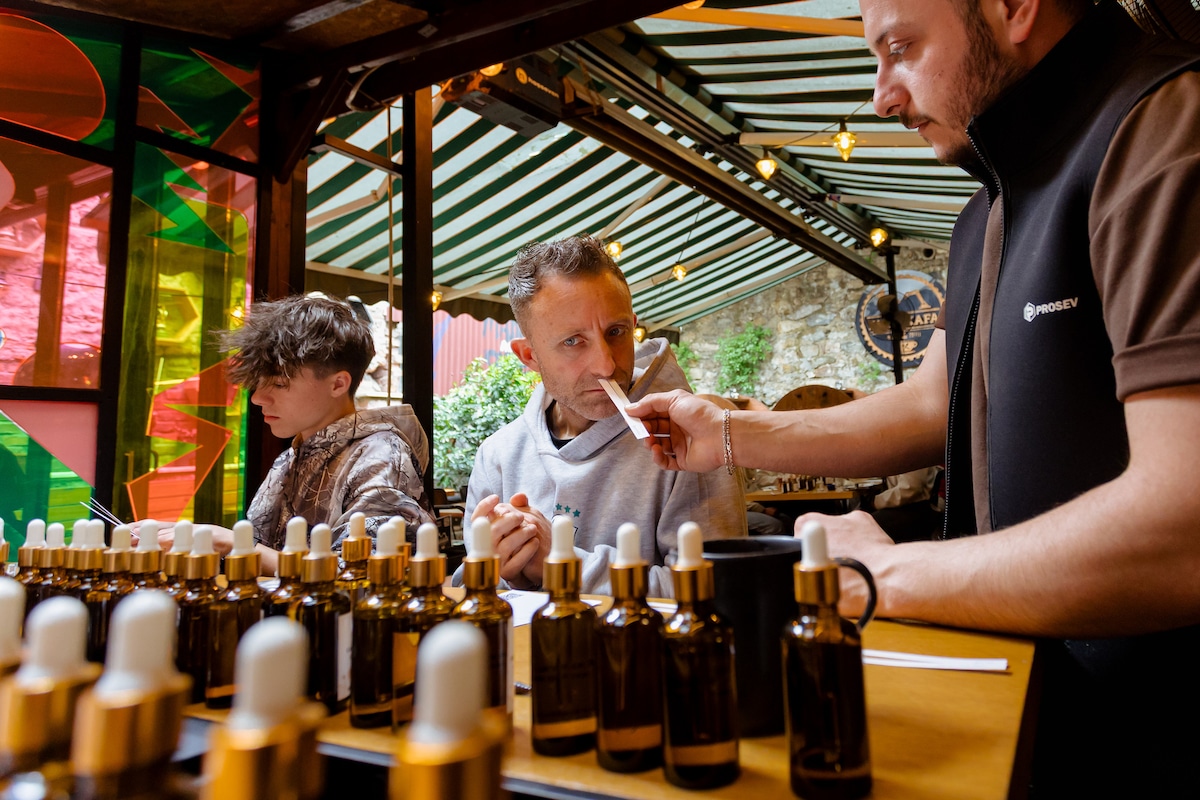
Create a signature scent in Istanbul
Thu, Feb 26 • 10:00 AM
34110, Fatih, İstanbul, Turkey
View details

Small Group Yacht Tour, Unlimited Wine & Fruits
Thu, Feb 26 • 5:00 PM
34421, Beyoğlu, İstanbul, Turkey
View details
Nearby attractions of Abu Ayyub al-Ansari
Eyüp Sultan Mosque
Suleiman the Magnificent Fountain
Zal Mahmud Pasha Mosque
Sütlüce Park
Golden Horn Bridge
Defterdar Mahmut Efendi Mosque
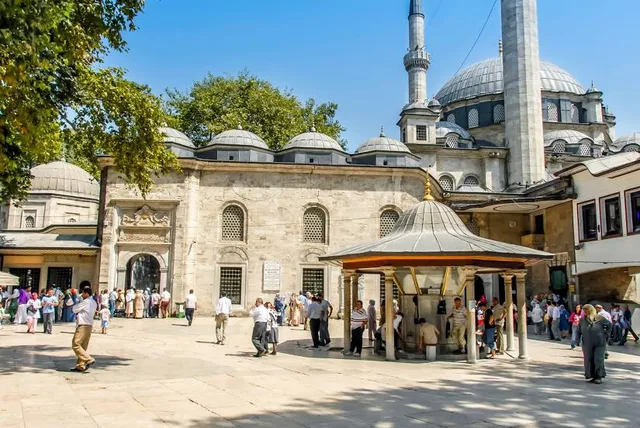
Eyüp Sultan Mosque
4.8
(21.8K)
Open until 12:00 AM
Click for details
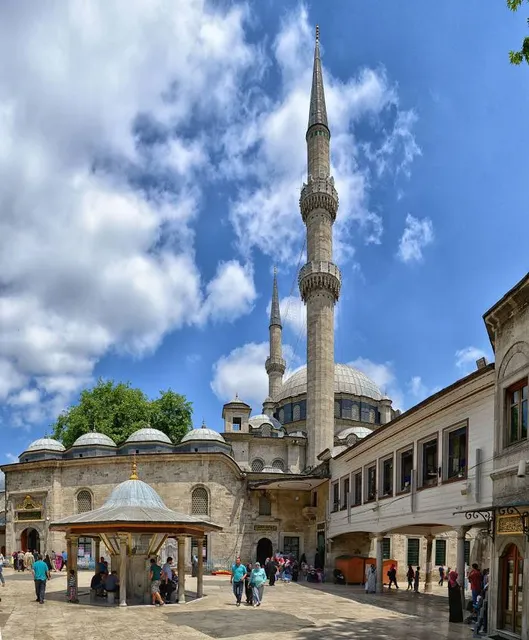
Suleiman the Magnificent Fountain
4.5
(39)
Open 24 hours
Click for details
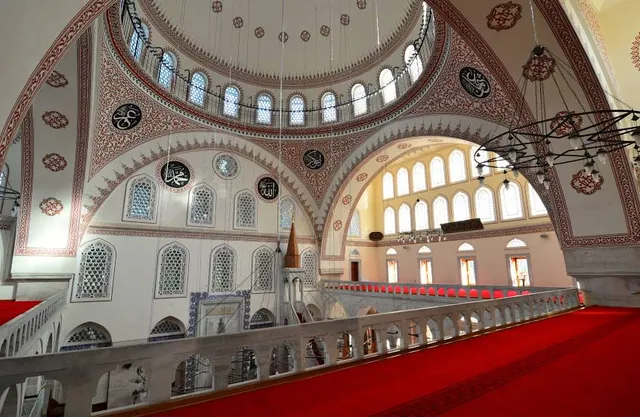
Zal Mahmud Pasha Mosque
4.6
(604)
Open 24 hours
Click for details
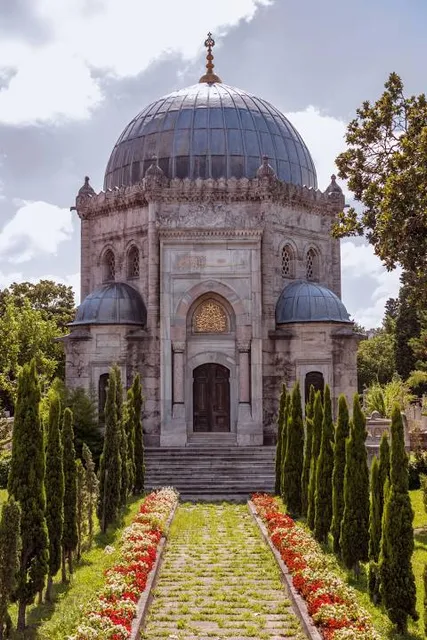
Sütlüce Park
4.5
(344)
Open until 12:00 AM
Click for details
Nearby restaurants of Abu Ayyub al-Ansari
Ensar Lokantası
Emirgan Sütiş Eyüpsultan
Ensari Konağı Sosyal Tesisleri
Burger King - Eyüp
Mado
Kuzina Pide
Pierre Loti
Nazmi Babanın Yeri
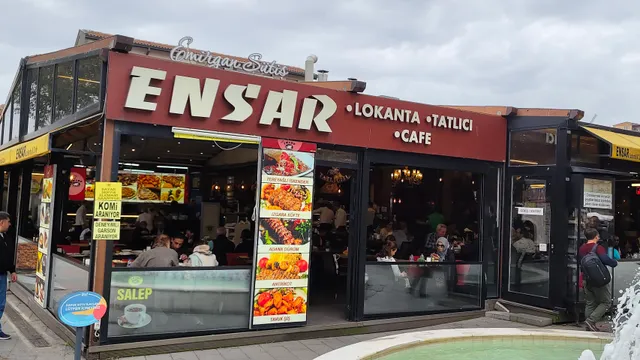
Ensar Lokantası
3.9
(625)
Closed
Click for details
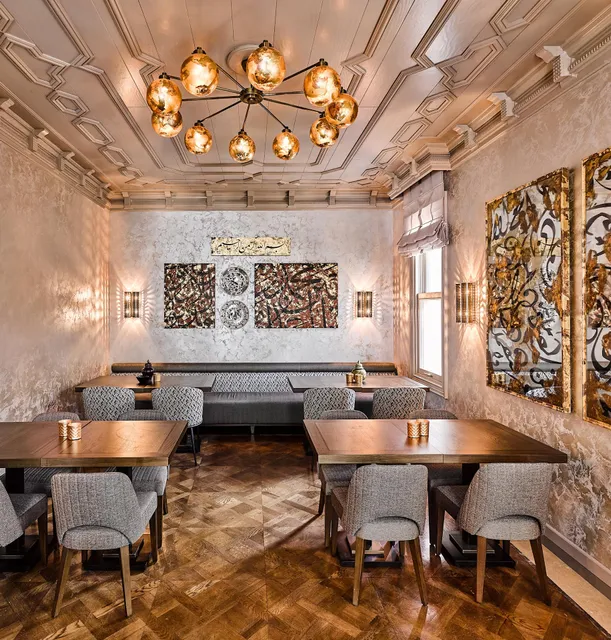
Emirgan Sütiş Eyüpsultan
3.7
(627)
Closed
Click for details
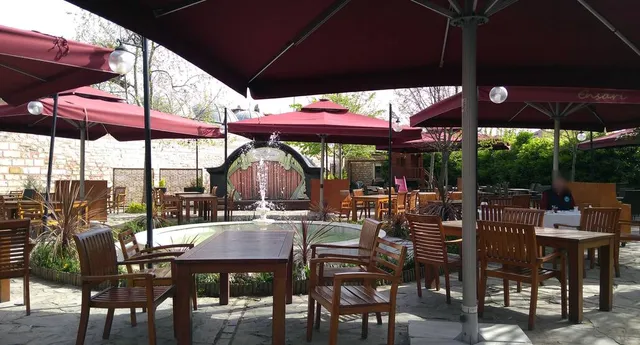
Ensari Konağı Sosyal Tesisleri
3.8
(912)
Closed
Click for details
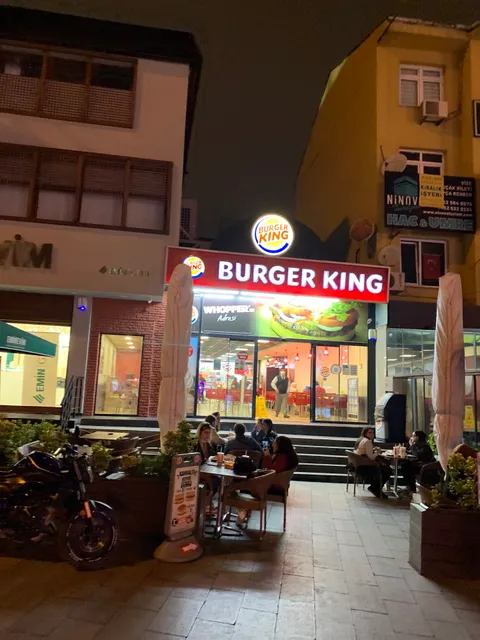
Burger King - Eyüp
3.7
(531)
Closed
Click for details
Nearby local services of Abu Ayyub al-Ansari
Eyüp Ağa Güveç Börek ve Pide
Eyüp Cuma Pazarı
Golden Horn Bridge
Cağistan Erzurum Cağ Kebabi
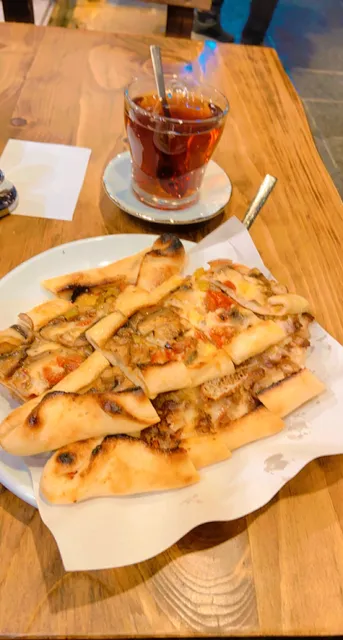
Eyüp Ağa Güveç Börek ve Pide
4.2
(162)
Click for details

Eyüp Cuma Pazarı
4.1
(507)
Click for details

Golden Horn Bridge
4.5
(3.5K)
Click for details

Cağistan Erzurum Cağ Kebabi
4.3
(810)
Click for details