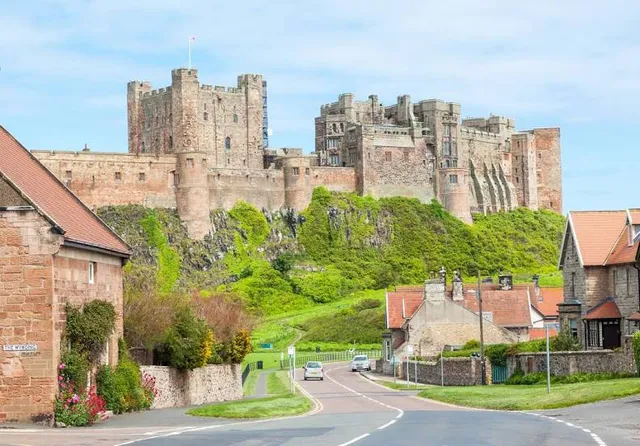
Bamburgh Castle, perched majestically on the dramatic Northumbrian coast, is a fortress that seems plucked from a storybook, blending history, grandeur, and breathtaking natural beauty.
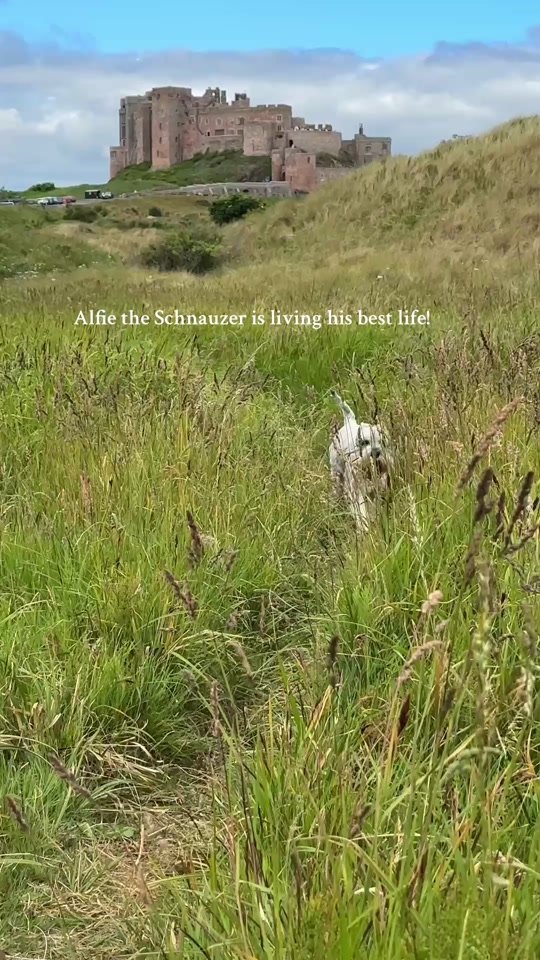
Its strategic location atop a 45-meter basalt outcrop overlooking the North Sea has made it a symbol of resilience and power since its origins as an Anglo-Saxon stronghold in AD 547. The castle’s silhouette against the clear North East sky is nothing short of iconic, with its undulating walls and towers evoking a sense of timeless defiance.
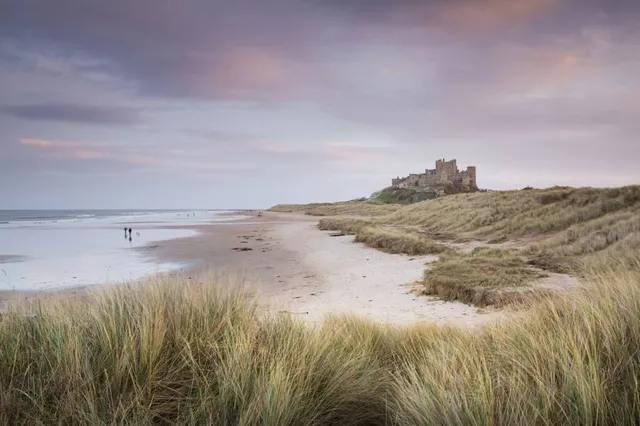
Approaching Bamburgh along the B1342, the first glimpse of the castle as you crest the hill near Budle Bay is unforgettable. The view, a harmonious collision of rugged coastline, golden sands, and the castle’s imposing presence captivates visitors instantly.
The village of Bamburgh, nestled at its feet, adds to the charm with its quaint pubs, tearooms like The Potted Lobster, and a sense of quiet coastal life. Parking near the castle is straightforward, with options like the £4/day castle car park or the larger Links Road Car Park, though the walk uphill from the latter rewards you with ever-expanding vistas.
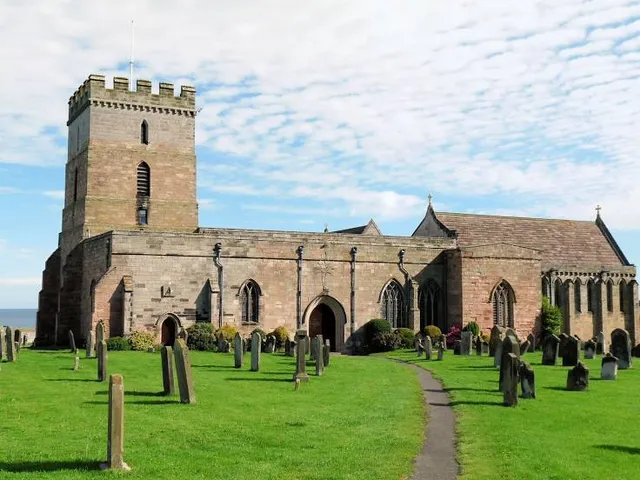
The castle’s exterior is its crowning glory. The nine-acre grounds, including St. Peter’s Chapel and ancient windmill ruins, invite leisurely exploration. Cannons line the walls, offering playful photo opportunities for children and adults alike, while the views stretch across the Farne Islands and, on clear days, to Lindisfarne (Holy Island).
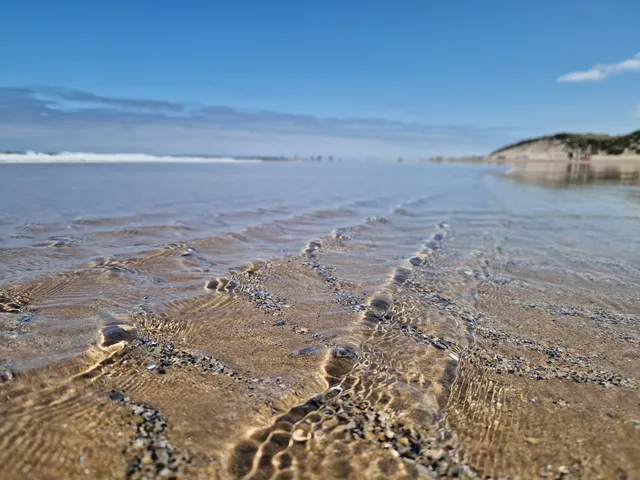
The beach below, a sweeping expanse of golden sand dotted with rock pools teeming with marine life complements the castle’s grandeur. Families often picnic here before or after their visit, savoring the salty breeze and the sound of crashing waves.
Inside, Bamburgh reveals layers of history. The Keep, with its 11-foot-thick walls, stands as the oldest surviving section, a testament to medieval engineering. The state rooms, particularly the King’s Hall with its Thai teak ceiling and the Cross Hall’s Tudor fireplace, are opulent yet intimate, filled with artifacts that whisper tales of royal inhabitants and bloody battles.
The Armoury’s collection, including weapons with traces of centuries-old DNA, adds a macabre fascination. For those unable to navigate the castle’s steep steps, a DVD tour fills in the gaps, though the accessible areas, like the ground-floor museum dedicated to industrialist William Armstrong are thoughtfully curated.
Visitors often spend 2–3 hours here, though the castle’s magic lingers long after. The staff’s warmth and the owners’ dedication to preserving its legacy shine through, whether in the friendly guides’ anecdotes or the thoughtful touches like audio tours for children. Nearby, Seahouses offers boat trips to the Farne Islands for seal and puffin spotting, while Lindisfarne’s tidal causeway demands careful timing but rewards with spiritual and historical depth.
Bamburgh Castle isn’t just a monument; it’s an experience. From the nostalgia of bucket-and-spade holidays to the awe of standing where kings once ruled, it captures the essence of Northumberland’s wild, poetic soul. Whether you’re drawn by history, views, or simply the dream of living in a castle, even for a day Bamburgh...
Read moreBamburgh Castle
We visited on the August bank holiday Saturday and it was absolutely packed. The castle sits in a commanding position, perched high above the vast sweep of golden Northumberland beaches on one side and looking down over the neat little town on the other. Car parking isn’t free here, so that’s something to factor into your visit—but the view from the castle itself is priceless.
As we wandered through, it was clear this place carries far more layers of history than many other castles we’ve visited. The site has been occupied for over 3,000 years, beginning as a Celtic fort before becoming the royal seat of the Anglo-Saxon kings of Northumbria. In fact, Bamburgh was once the stronghold of King Ida in the 6th century, giving it the nickname “the first castle of England.”
The stone walls and flagstone floors are plain and robust, reflecting their ancient purpose more than decoration. The armory, housed in what was originally the castle’s chapel in the 1160’s, is particularly striking. Rows of pikes, swords, and shields line the walls—I couldn’t help but wonder how anyone could possibly wield a pike in battle, given its sheer size and weight. Amongst the collection, one piece stood out to me: a Silesian flintlock sporting rifle from around 1700, beautifully inlaid with mother-of-pearl and bone animals, with a magnificent stag on the butt. It seemed almost too delicate and artistic to have ever been intended for use.
The castle also reveals treasures from much earlier times. We paused at the Anglo-Saxon well, a vital lifeline in times of siege, and admired a delicate French enamel angel from around 1250—a rare survival of medieval craftsmanship. Climbing the narrow Pink Passage steps, we reached the massive Keep, built in the late 1100s. Standing within its thick walls, it was humbling to imagine the dramas of war, siege, and royal intrigue that must have unfolded here over the centuries.
The views from the upper rooms are nothing short of breathtaking, with endless horizons of sand and sea. In stark contrast, the dungeons plunged us into darkness, a reminder that life here was not always privileged or picturesque.
As our visit drew to a close, we enjoyed the artwork displayed in one of the galleries—modern touches set against ancient stone. Bamburgh Castle today is still a private family home, though the parts open to the public feel less “lived in” than some other castles we’ve explored. It has a slightly more commercial feel, perhaps, but the depth of its history more than compensates.
We came away impressed and inspired, and would love to return on a quieter day, when the crowds have thinned and we could take our time uncovering more of this remarkable place. For history buffs, Bamburgh Castle is an...
Read moreWe were really looking forward to visiting Bamburgh but our visit was a massive disappointment. We've been visiting alot of National Trust and Historic Houses properties over the last 2 weeks in Northern England and Scotland and the visitor experience here was by far the worst.
It just feels like a tourist trap and cash cow . Extremely busy even for a Tuesday morning in September (I dread to think what it is like in July & August). £6 charge for parking including blue badge holders is not a good start when you think of what most will then to pay to enter (£18 pp). We are Historic Houses members so thankfully had our disappointing visit at no extra cost.
Long queues to get in without access to seating or toilets at this point for those who need it. Those who have booked online get fast-tracked so definitely do this if you are paying, I did check whilst in the queue to see if this was an option for free entry tickets too with Historic Houses but no....
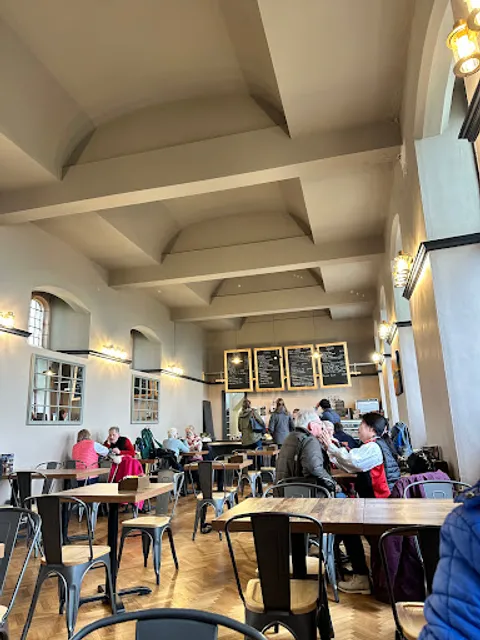
The 1* is really that the castle seems to operate way in excess of the number of visitors it can handle with the facilities and indeed sights that it has. Long queue to get in, queue for the toilets, long queue for the cafes.
The best thing about the castle is the views of it from outside. It really does look stunning but you could appreciate this from the village or the beach. The views looking out from the castle are also stunning but not enough for me to pay for entry if I had to, you are not really missing out on anything too if you don't see the interior of the castle.
Next time I'll just visit the village or stroll along the beach even if I am still entitled to free entry, that says it...
Read more