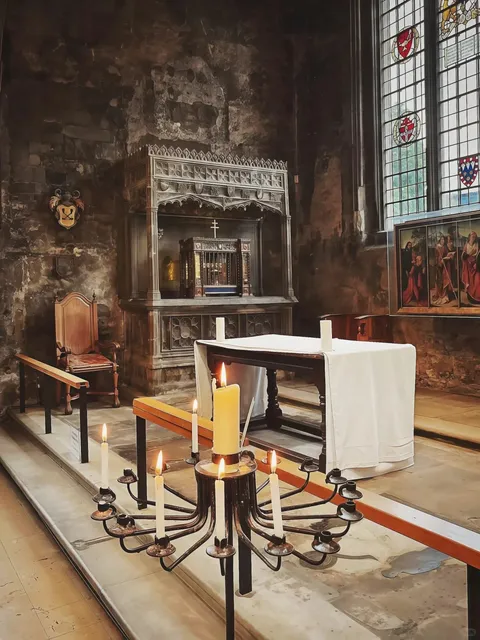
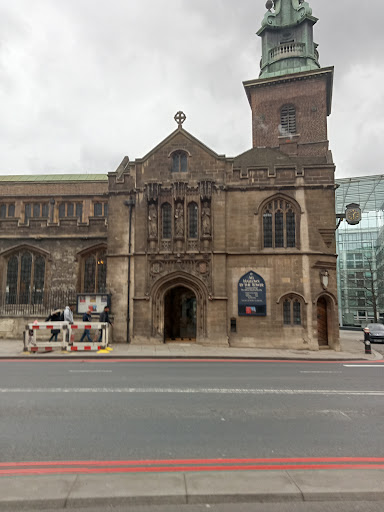
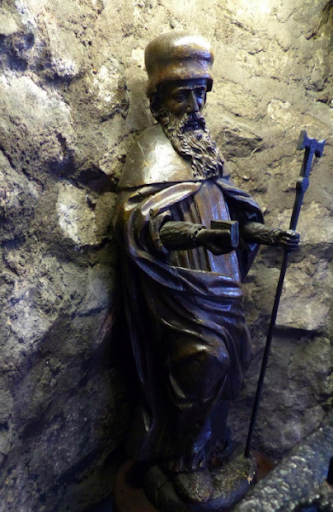
All Hallows by the Tower things to do, attractions, restaurants, events info and trip planning
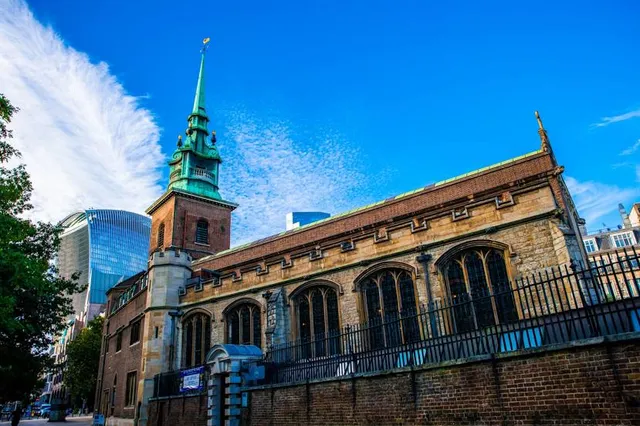
Basic Info
All Hallows by the Tower
Byward St, London EC3R 5BJ, United Kingdom
4.7(440)
Closed
Save
spot
spot
Ratings & Description
Info
All Hallows-by-the-Tower, at one time dedicated jointly to All Hallows and the Virgin Mary and sometimes known as All Hallows Barking, is an ancient Anglican church on Byward Street in the City of London, England, overlooking the Tower of London.
Cultural
Family friendly
Accessibility
attractions: Tower of London, St Dunstan in the East Church Garden, The Fenchurch Building (The Walkie-Talkie), HMS Belfast, Tower Bridge, The Garden at 120, The Crown Jewels, Tower of London Ice Rink, Tower of London Welcome Centre, London Wall, restaurants: The Liberty Bounds - JD Wetherspoon, Bodean's Tower Hill, Zizzi - Tower Hill, All Bar One Tower Of London, Crispies Tower Hill, Coppa Club Tower Bridge, wagamama tower place, Byward Kitchen and Bar, The Hung Drawn & Quartered, EC3, KFC London - Tower Hill, local businesses: British signature collection - Tower Hill, GB Gifts and Souvenirs - Tower Hill, Third Space City, InnoDerm Aesthetic Clinic, Josef Traditional Fish & Chips, Tower of London Shop, Marsh, Traders Gate, Noir, Leadenhall Market
 Learn more insights from Wanderboat AI.
Phone
+44 20 7481 2928
Website
ahbtt.org.uk
Open hoursSee all hours
Fri9 AM - 5 PMClosed
Plan your stay

Pet-friendly Hotels in London
Find a cozy hotel nearby and make it a full experience.

Affordable Hotels in London
Find a cozy hotel nearby and make it a full experience.

The Coolest Hotels You Haven't Heard Of (Yet)
Find a cozy hotel nearby and make it a full experience.

Trending Stays Worth the Hype in London
Find a cozy hotel nearby and make it a full experience.
Reviews
Live events
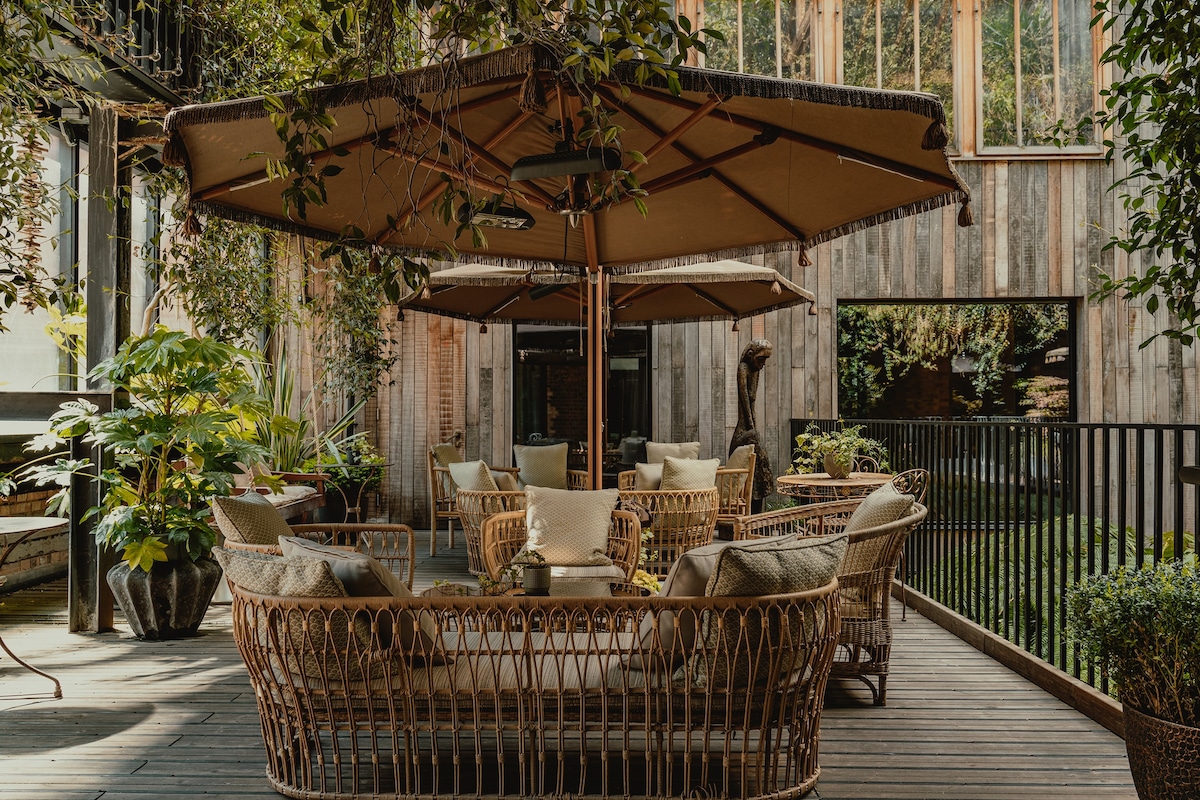
Visit unique bars in London
Fri, Feb 27 • 7:00 PM
Greater London, EC3M, United Kingdom
View details

Explore Shoreditchs Street Art and Workshop
Fri, Feb 27 • 2:00 PM
Greater London, E1 6AN, United Kingdom
View details
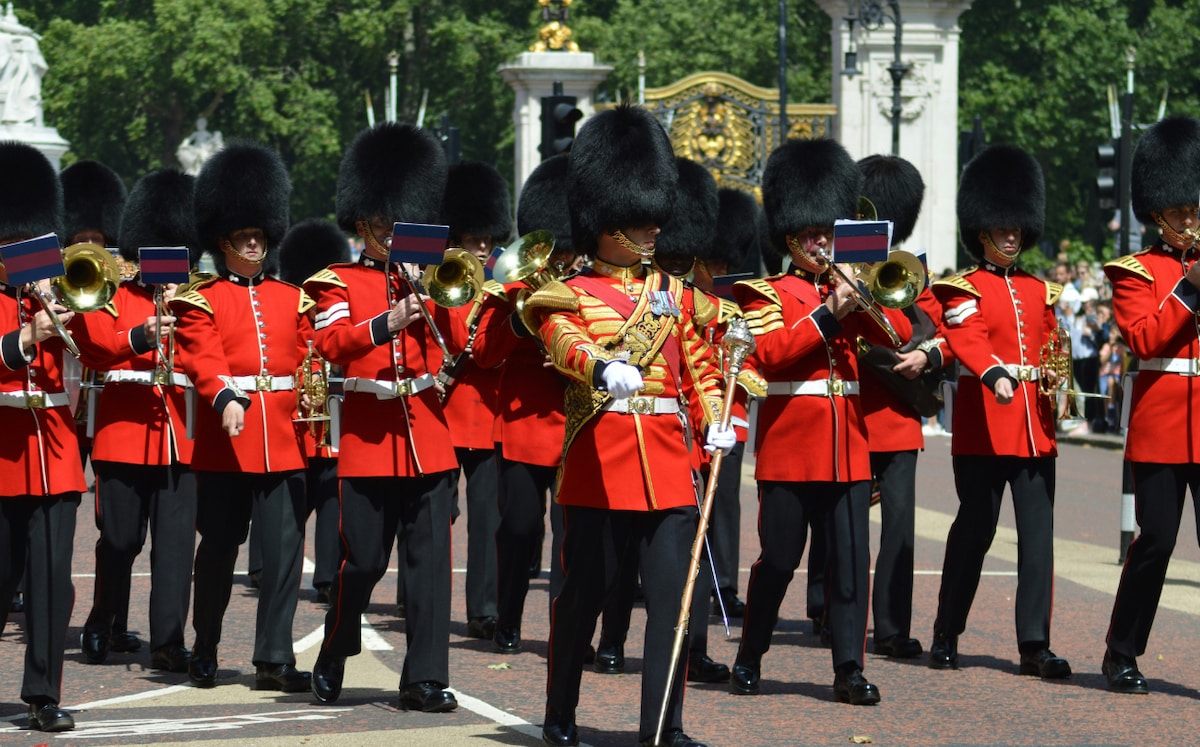
Changing of the Guard Walking Tour
Fri, Feb 27 • 10:00 AM
Greater London, SW1E 5EA, United Kingdom
View details
Nearby attractions of All Hallows by the Tower
Tower of London
St Dunstan in the East Church Garden
The Fenchurch Building (The Walkie-Talkie)
HMS Belfast
Tower Bridge
The Garden at 120
The Crown Jewels
Tower of London Ice Rink
Tower of London Welcome Centre
London Wall
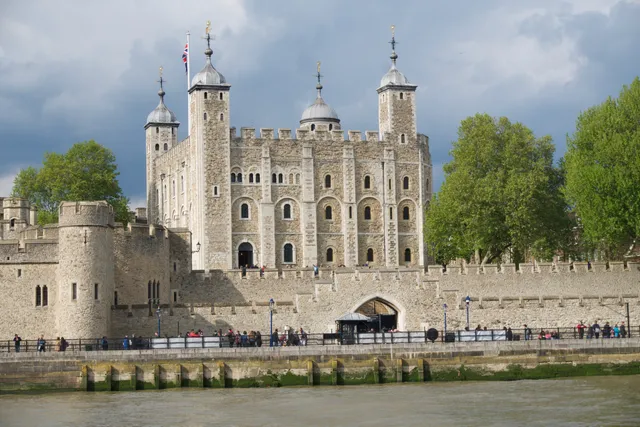
Tower of London
4.7
(38.3K)
Closed
Click for details
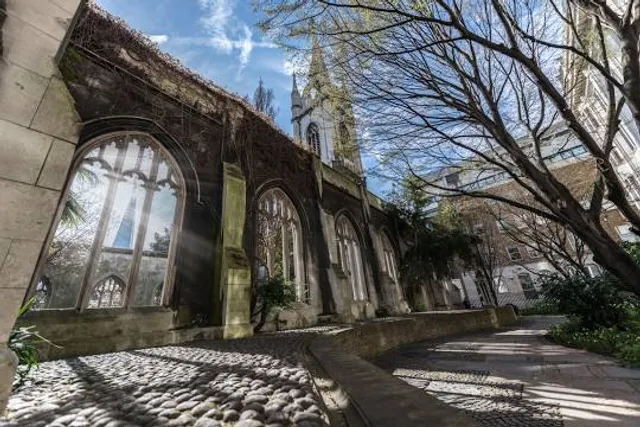
St Dunstan in the East Church Garden
4.7
(3.3K)
Closed
Click for details
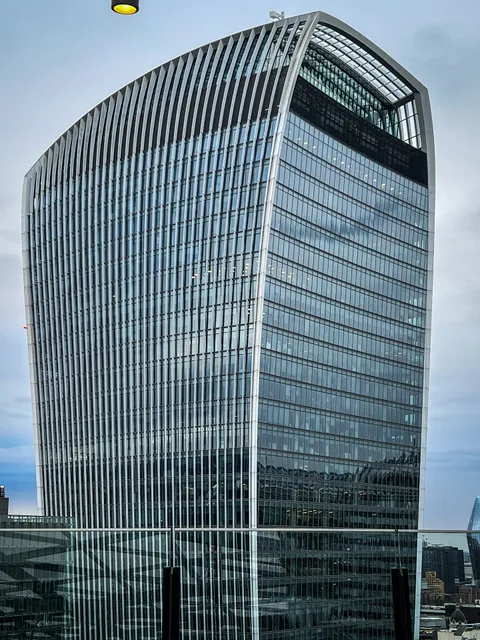
The Fenchurch Building (The Walkie-Talkie)
4.7
(26.5K)
Closed
Click for details
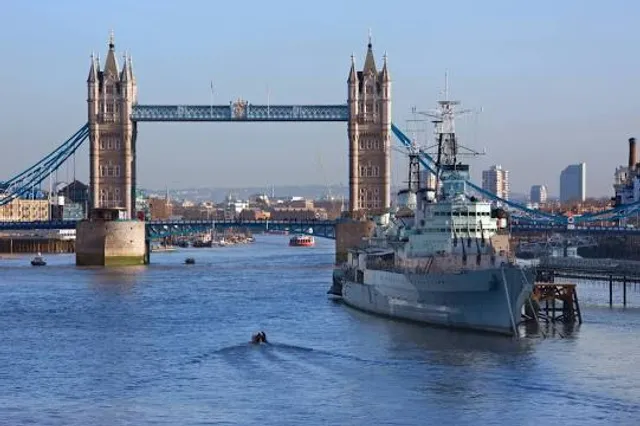
HMS Belfast
4.7
(5.8K)
Closed
Click for details
Nearby restaurants of All Hallows by the Tower
The Liberty Bounds - JD Wetherspoon
Bodean's Tower Hill
Zizzi - Tower Hill
All Bar One Tower Of London
Crispies Tower Hill
Coppa Club Tower Bridge
wagamama tower place
Byward Kitchen and Bar
The Hung Drawn & Quartered, EC3
KFC London - Tower Hill
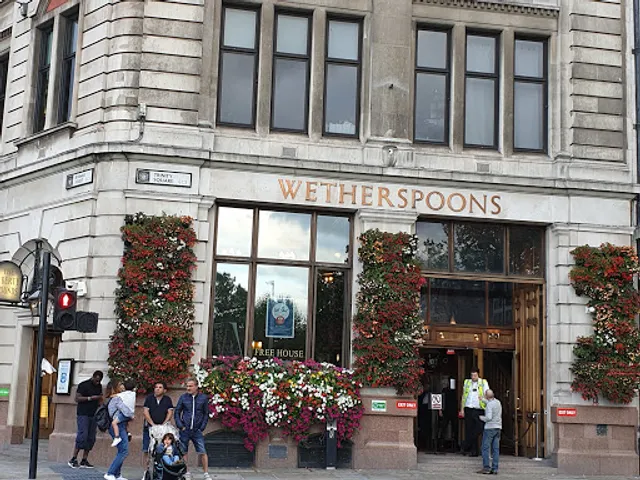
The Liberty Bounds - JD Wetherspoon
4.2
(3.5K)
Closed
Click for details
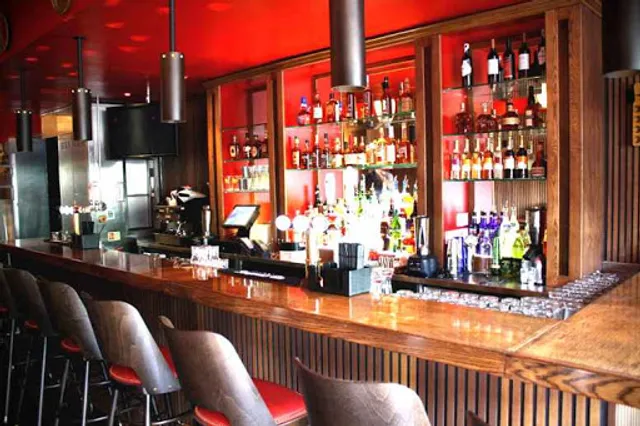
Bodean's Tower Hill
4.3
(1.9K)
Closed
Click for details
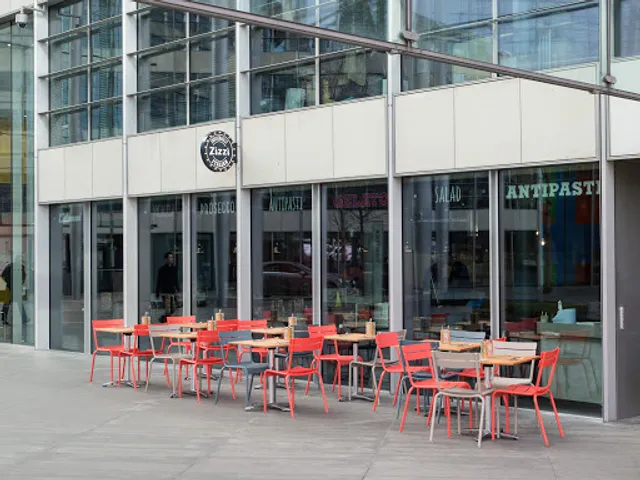
Zizzi - Tower Hill
4.2
(1.6K)
Closed
Click for details
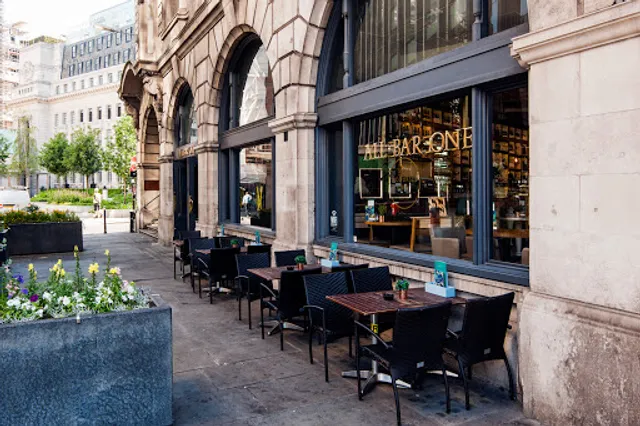
All Bar One Tower Of London
4.5
(912)
$$
Closed
Click for details
Nearby local services of All Hallows by the Tower
British signature collection - Tower Hill
GB Gifts and Souvenirs - Tower Hill
Third Space City
InnoDerm Aesthetic Clinic
Josef Traditional Fish & Chips
Tower of London Shop
Marsh
Traders Gate
Noir
Leadenhall Market

British signature collection - Tower Hill
5.0
(473)
Click for details

GB Gifts and Souvenirs - Tower Hill
5.0
(532)
Click for details
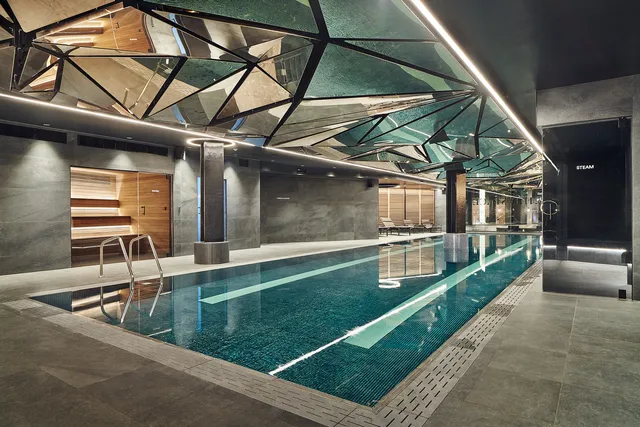
Third Space City
4.8
(548)
Click for details

InnoDerm Aesthetic Clinic
4.8
(235)
Click for details


The hit list

Plan your trip with Wanderboat
Welcome to Wanderboat AI, your AI search for local Eats and Fun, designed to help you explore your city and the world with ease.
Powered by Wanderboat AI trip planner.