Monument to the Great Fire of London things to do, attractions, restaurants, events info and trip planning
Basic Info
Monument to the Great Fire of London
Fish St Hill, London EC3R 8AH, United Kingdom
4.5(5.4K)
Closed


tickets
Save
spot
spot
Ratings & Description
Info
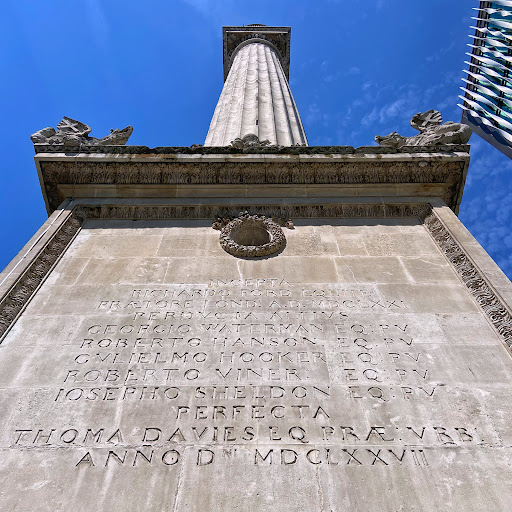
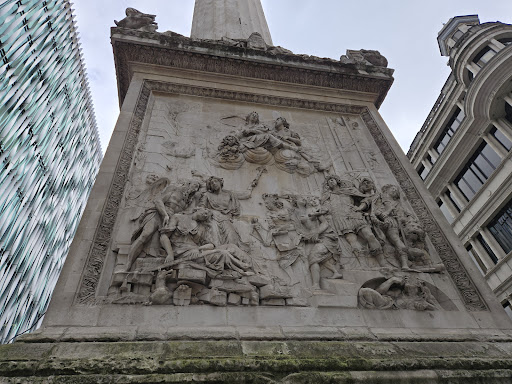
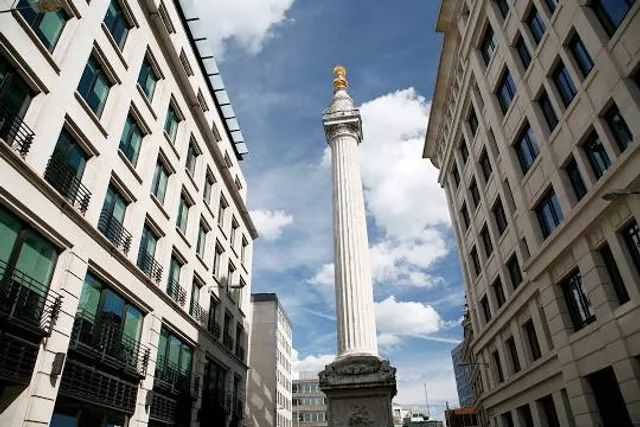
The Monument to the Great Fire of London, more commonly known simply as the Monument, is a fluted Doric column in London, England, situated near the northern end of London Bridge.
Cultural
Accessibility
attractions: London Bridge, The Fenchurch Building (The Walkie-Talkie), St Dunstan in the East Church Garden, Church of Saint Magnus-the-Martyr, The Garden at 120, St Mary-at-Hill, Escape Entertainment London, London Mithraeum Bloomberg SPACE, HMS Belfast, Billingsgate Roman House & Baths, restaurants: The Hydrant, Monument, The Monument, The Folly, The Cocktail Club - Cocktail Bar near Monument, The Britannia Monument, MBER, Blacklock City, Be At One - Monument, AL DENTE Monument, Wagtail, local businesses: Monument, TK Maxx, Leadenhall Market, Old Billingsgate, American Golf - London Monument, Aldwych Consulting, Bank Tube Station, Tiger Recruitment - City of London, The Gym Group London Monument, Happy Valley
 Learn more insights from Wanderboat AI.
Phone
+44 20 7403 3761
Website
themonument.org.uk
Open hoursSee all hours
Wed9:30 a.m. - 1 p.m., 2 - 6 p.m.Closed
Plan your stay

Pet-friendly Hotels in London
Find a cozy hotel nearby and make it a full experience.

Affordable Hotels in London
Find a cozy hotel nearby and make it a full experience.

The Coolest Hotels You Haven't Heard Of (Yet)
Find a cozy hotel nearby and make it a full experience.

Trending Stays Worth the Hype in London
Find a cozy hotel nearby and make it a full experience.
Reviews
Live events
Explore 30+ London sights
Wed, Feb 18 • 10:00 AM
Greater London, W1J 9BR, United Kingdom
View details

Top-Rated London Harry Potter Tour—Family Friendly
Wed, Feb 18 • 9:30 AM
Greater London, N1 9AP, United Kingdom
View details
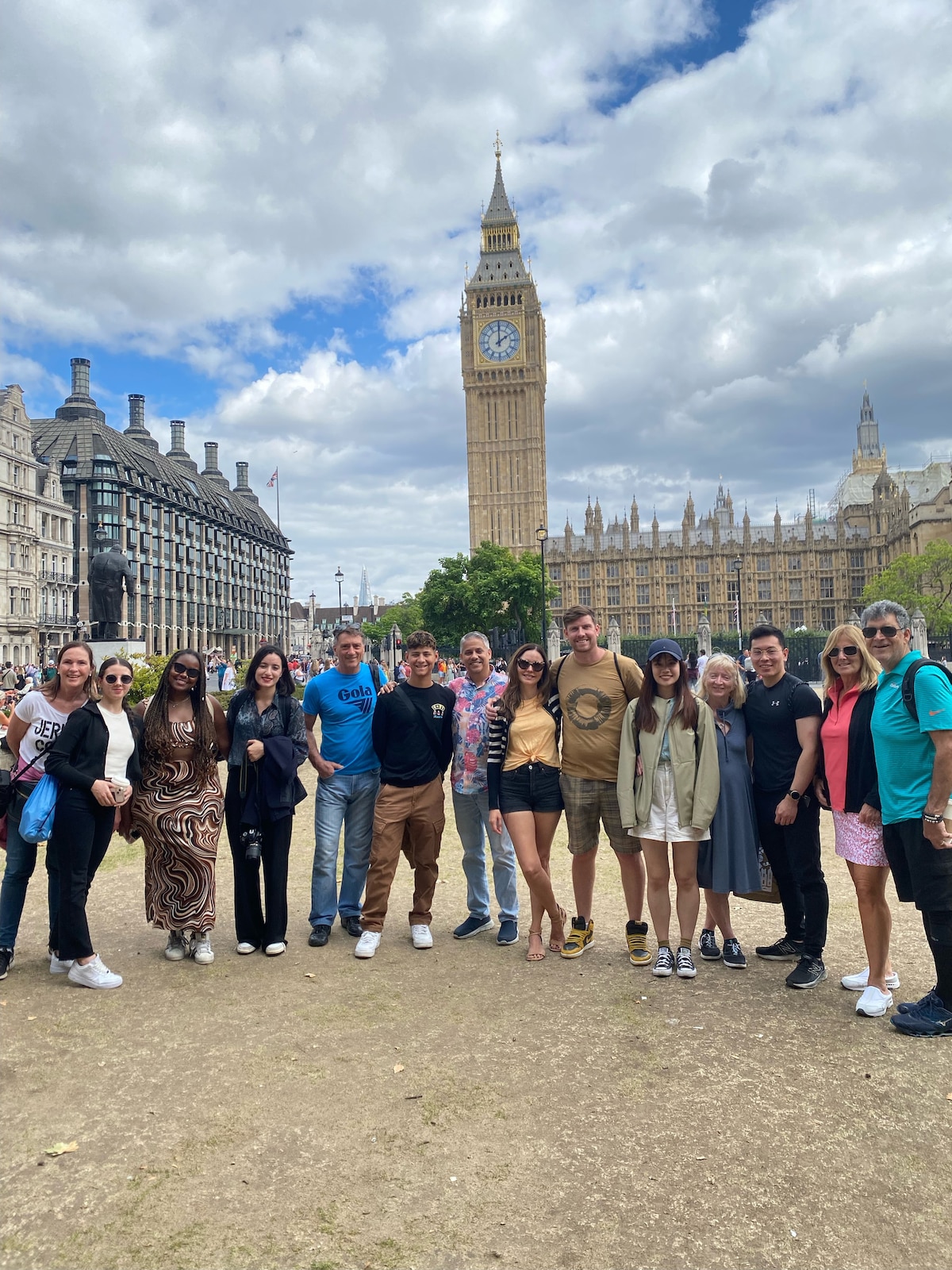
London sightseeing walking tour with 30 sights
Fri, Feb 20 • 10:00 AM
Greater London, SW1E 5EA, United Kingdom
View details
Nearby attractions of Monument to the Great Fire of London
London Bridge
The Fenchurch Building (The Walkie-Talkie)
St Dunstan in the East Church Garden
Church of Saint Magnus-the-Martyr
The Garden at 120
St Mary-at-Hill
Escape Entertainment London
London Mithraeum Bloomberg SPACE
HMS Belfast
Billingsgate Roman House & Baths
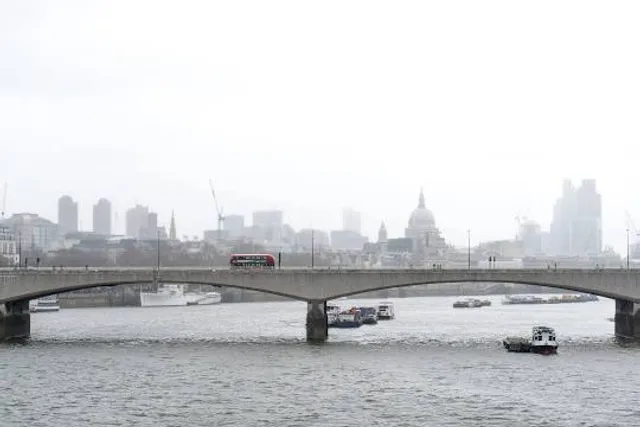
London Bridge
4.6
(21.4K)
Open 24 hours
Click for details
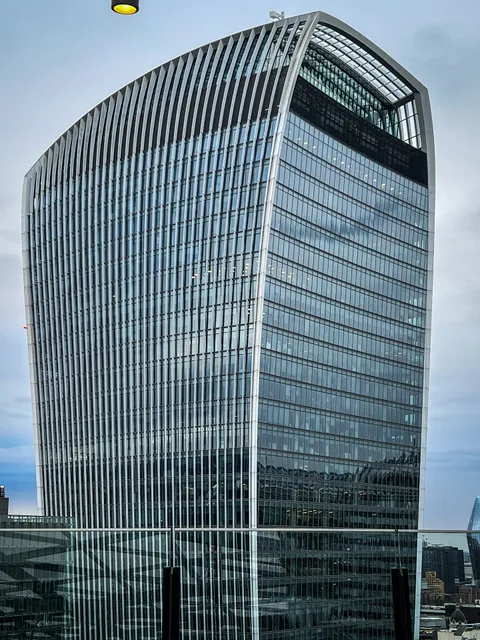
The Fenchurch Building (The Walkie-Talkie)
4.7
(5K)
Closed
Click for details
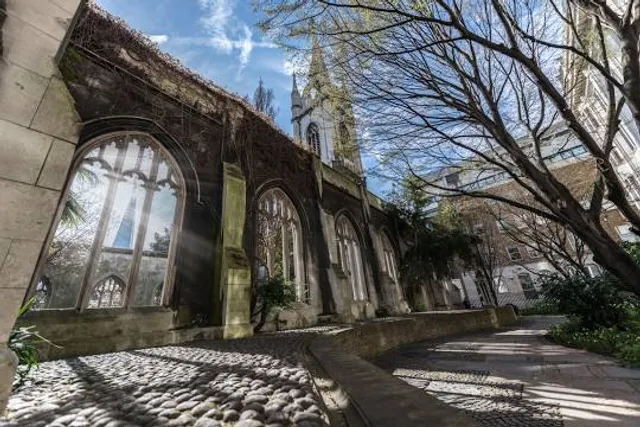
St Dunstan in the East Church Garden
4.7
(3.4K)
Closed
Click for details
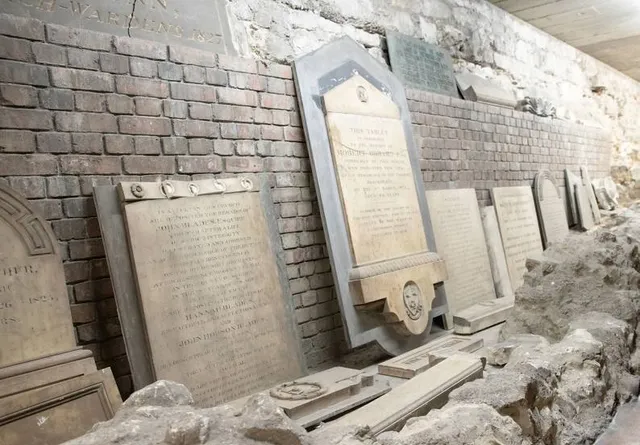
Church of Saint Magnus-the-Martyr
4.6
(124)
Closed
Click for details
Nearby restaurants of Monument to the Great Fire of London
The Hydrant, Monument
The Monument
The Folly
The Cocktail Club - Cocktail Bar near Monument
The Britannia Monument
MBER
Blacklock City
Be At One - Monument
AL DENTE Monument
Wagtail
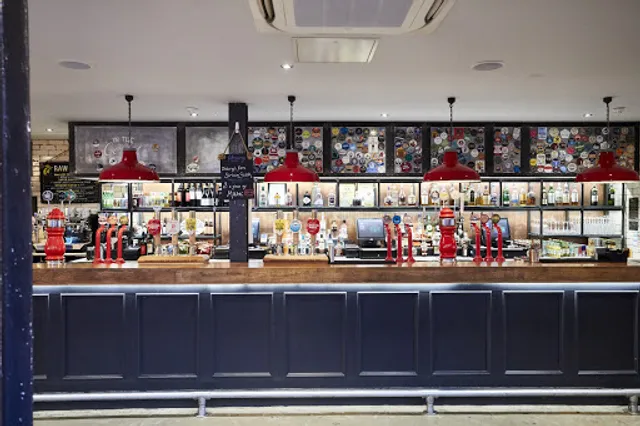
The Hydrant, Monument
4.1
(1.0K)
$$
Closed
Click for details
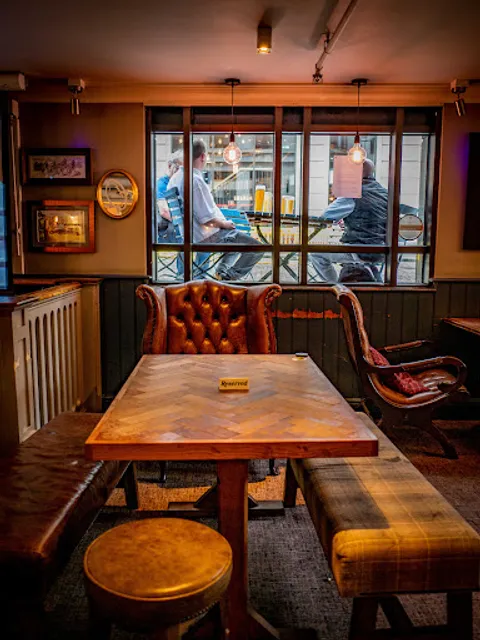
The Monument
4.2
(715)
Closed
Click for details

The Folly
4.1
(2.5K)
$$
Closed
Click for details
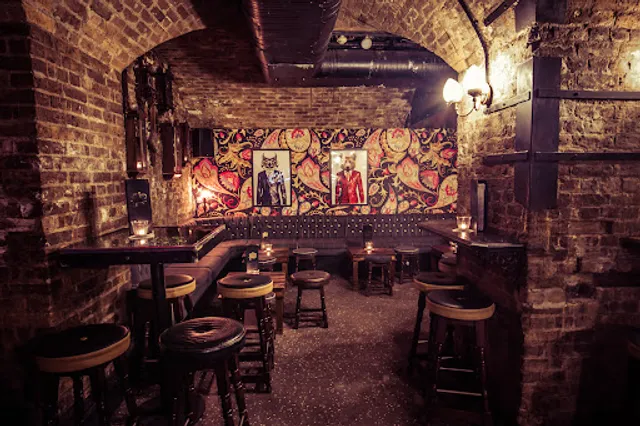
The Cocktail Club - Cocktail Bar near Monument
4.5
(753)
Open until 1:00 AM
Click for details
Nearby local services of Monument to the Great Fire of London
Monument
TK Maxx
Leadenhall Market
Old Billingsgate
American Golf - London Monument
Aldwych Consulting
Bank Tube Station
Tiger Recruitment - City of London
The Gym Group London Monument
Happy Valley
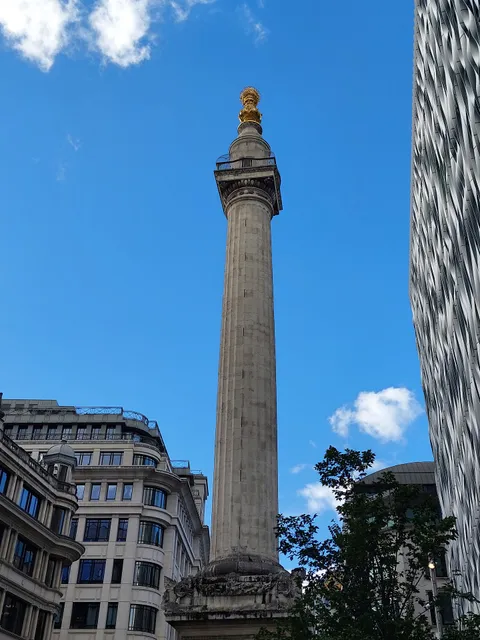
Monument
4.3
(734)
Click for details
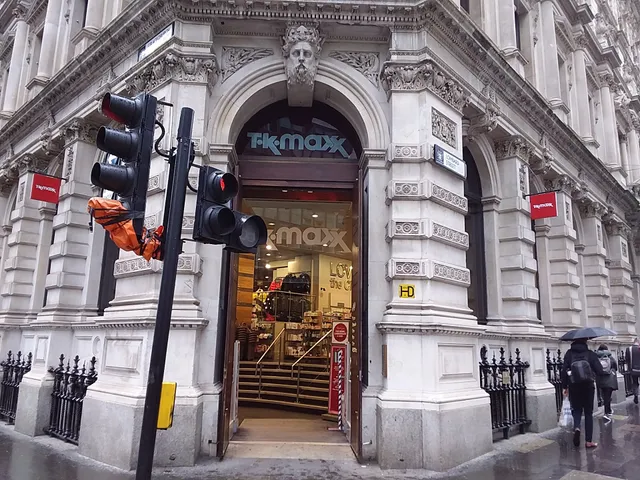
TK Maxx
4.2
(1.6K)
Click for details
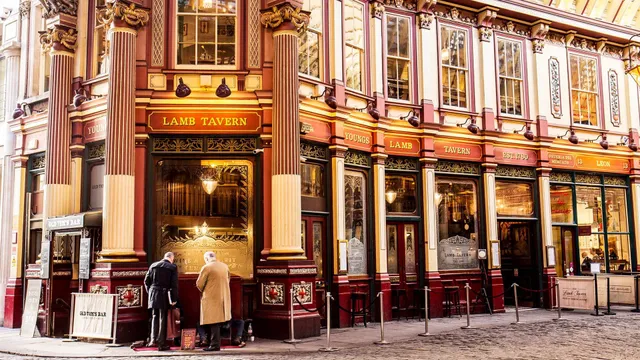
Leadenhall Market
4.4
(8.8K)
Click for details

Old Billingsgate
4.4
(731)
Click for details


The hit list


Plan your trip with Wanderboat
Welcome to Wanderboat AI, your AI search for local Eats and Fun, designed to help you explore your city and the world with ease.
Powered by Wanderboat AI trip planner.