London Wall things to do, attractions, restaurants, events info and trip planning
Basic Info
London Wall
Tower Hill, London EC3N 4DJ, United Kingdom
4.5(467)
Open 24 hours
Save
spot
spot
Ratings & Description
Info
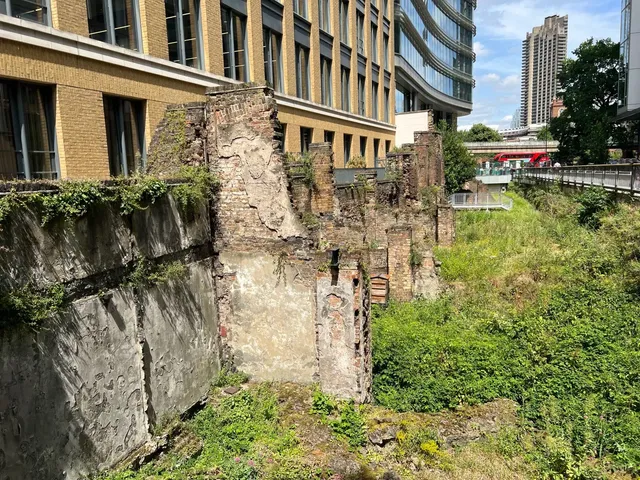
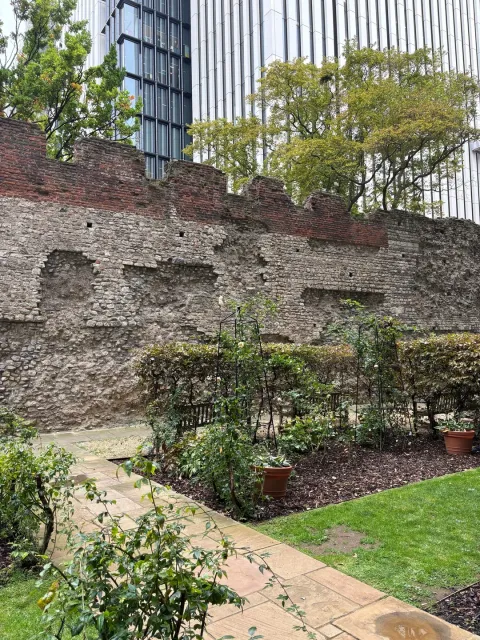
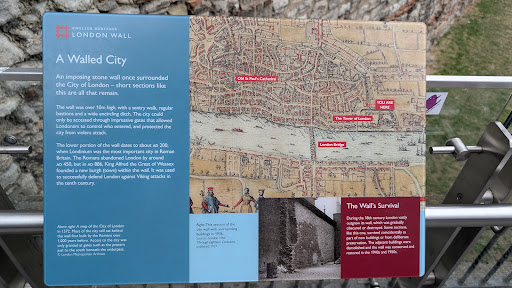
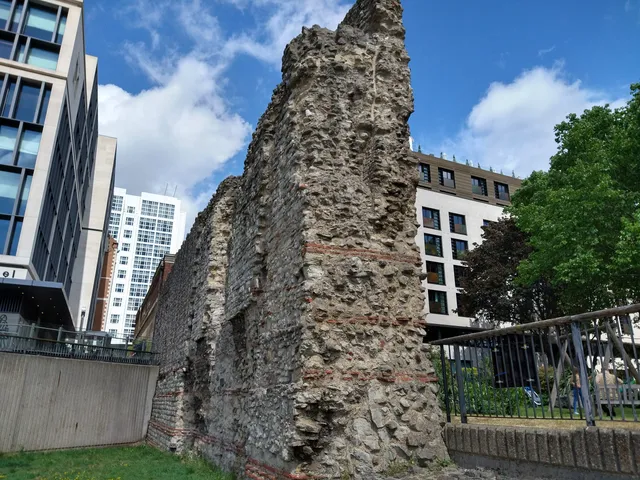
The London Wall is a defensive wall first built by the Romans around the strategically important port town of Londinium in c. AD 200, as well as the name of a modern street in the City of London, England.
Cultural
Scenic
Outdoor
attractions: Tower of London, Tower Hill Garden, The Crown Jewels, Tower Bridge, Tower Hill, Emperor Trajan, Chapel Royal of St Peter ad Vincula, Tower of London Ice Rink, Roman Wall, Trinity Square Gardens, restaurants: Cento Alla Torre, De Vine, Keepers Kitchen & Bar, The Liberty Bounds - JD Wetherspoon, Bodean's Tower Hill, Crispies Tower Hill, cloudM Tower of London, Slug & Lettuce Tower Bridge, Coppa Club Tower Bridge, Traitors Gate, local businesses: London College of Contemporary Arts (LCCA), Adamo Spa, Piccadilly Whip, British signature collection - Tower Hill, Gielly Green at Tower Bridge, GB Gifts and Souvenirs - Tower Hill, Third Space City, Tower of London Shop, The War of The Worlds: The Immersive Experience, The Spa at Four Seasons London at Tower Bridge
 Learn more insights from Wanderboat AI.
Phone
+44 370 333 1181
Website
english-heritage.org.uk
Plan your stay

Pet-friendly Hotels in London
Find a cozy hotel nearby and make it a full experience.

Affordable Hotels in London
Find a cozy hotel nearby and make it a full experience.

The Coolest Hotels You Haven't Heard Of (Yet)
Find a cozy hotel nearby and make it a full experience.

Trending Stays Worth the Hype in London
Find a cozy hotel nearby and make it a full experience.
Reviews
Live events
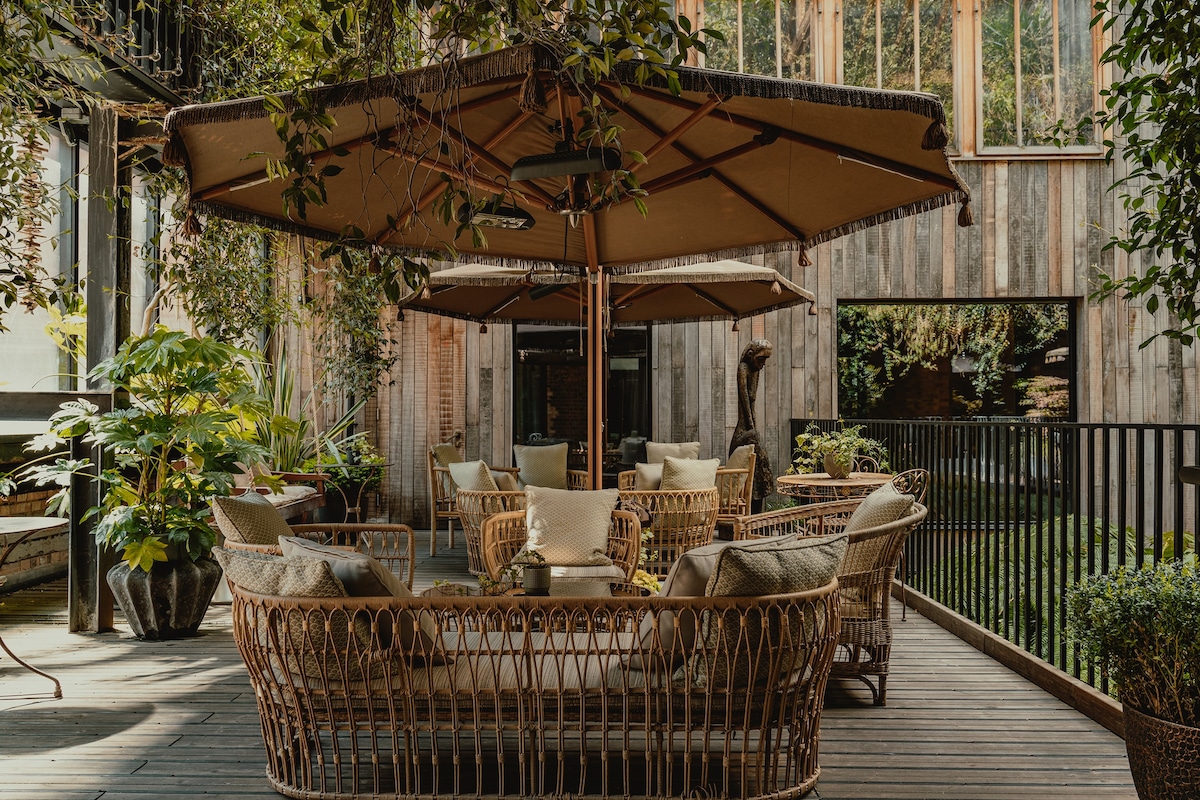
Visit unique bars in London
Fri, Feb 27 • 7:00 PM
Greater London, EC3M, United Kingdom
View details

Explore Shoreditchs Street Art and Workshop
Fri, Feb 27 • 2:00 PM
Greater London, E1 6AN, United Kingdom
View details
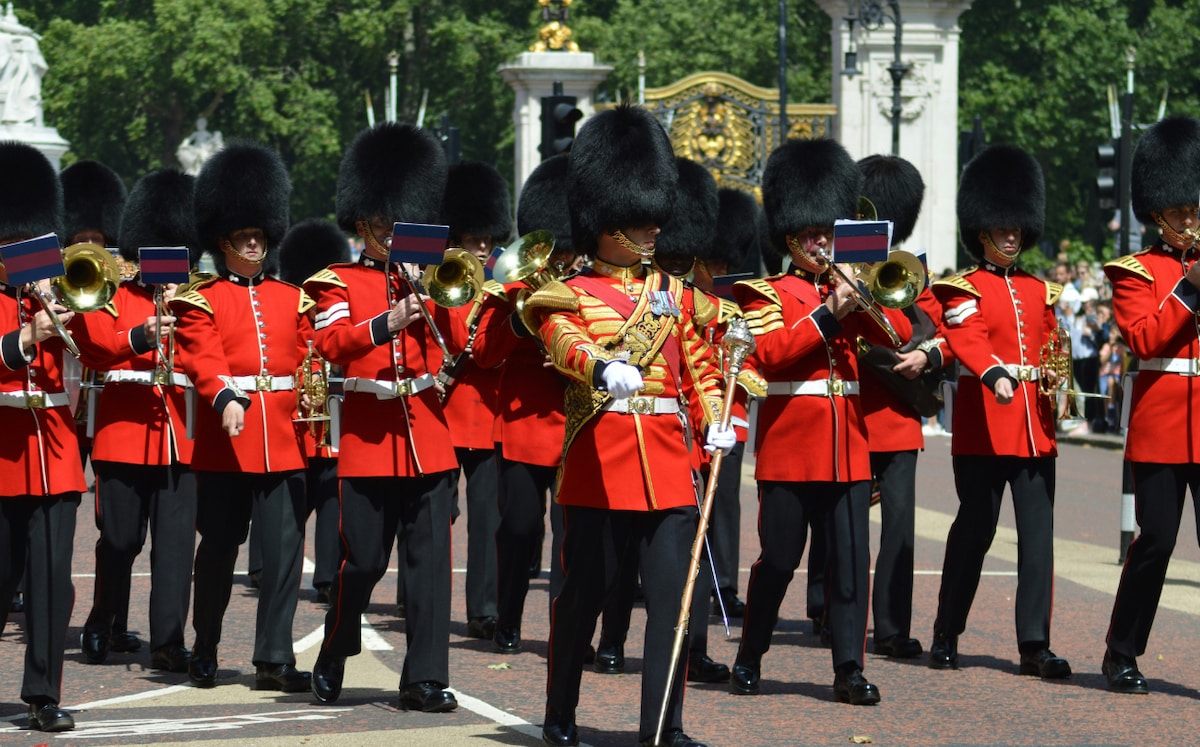
Changing of the Guard Walking Tour
Mon, Mar 2 • 10:00 AM
Greater London, SW1E 5EA, United Kingdom
View details
Nearby attractions of London Wall
Tower of London
Tower Hill Garden
The Crown Jewels
Tower Bridge
Tower Hill
Emperor Trajan
Chapel Royal of St Peter ad Vincula
Tower of London Ice Rink
Roman Wall
Trinity Square Gardens
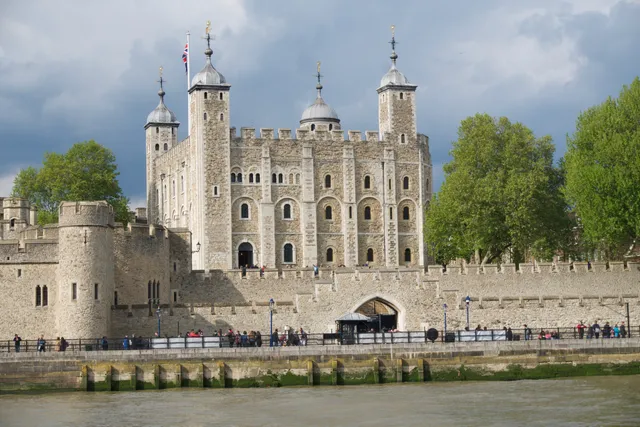
Tower of London
4.7
(38.3K)
Open until 4:30 PM
Click for details
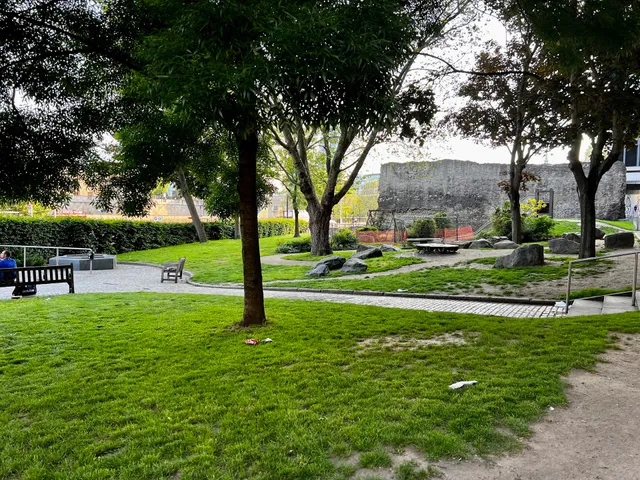
Tower Hill Garden
4.3
(458)
Open until 12:00 AM
Click for details

The Crown Jewels
4.6
(763)
Open until 4:30 PM
Click for details
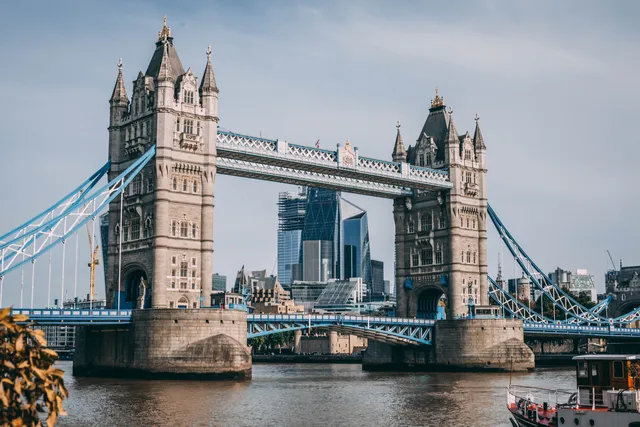
Tower Bridge
4.8
(54.6K)
Open until 6:00 PM
Click for details
Nearby restaurants of London Wall
Cento Alla Torre
De Vine
Keepers Kitchen & Bar
The Liberty Bounds - JD Wetherspoon
Bodean's Tower Hill
Crispies Tower Hill
cloudM Tower of London
Slug & Lettuce Tower Bridge
Coppa Club Tower Bridge
Traitors Gate
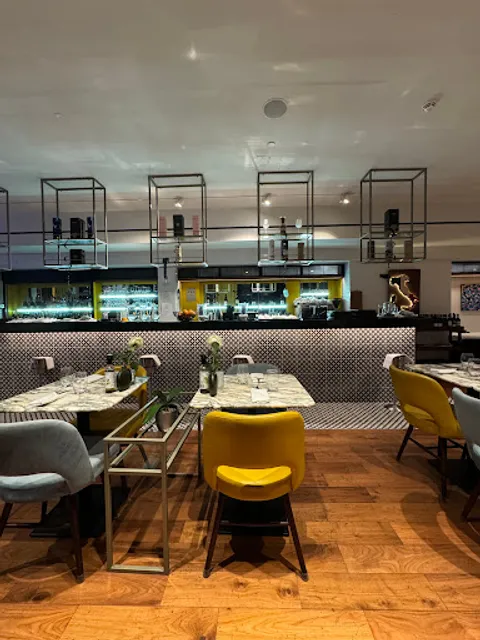
Cento Alla Torre
4.6
(1.1K)
Open until 10:00 PM
Click for details

De Vine
5.0
(2.3K)
Open until 1:30 PM
Click for details

Keepers Kitchen & Bar
4.7
(1.6K)
Open until 10:15 PM
Click for details
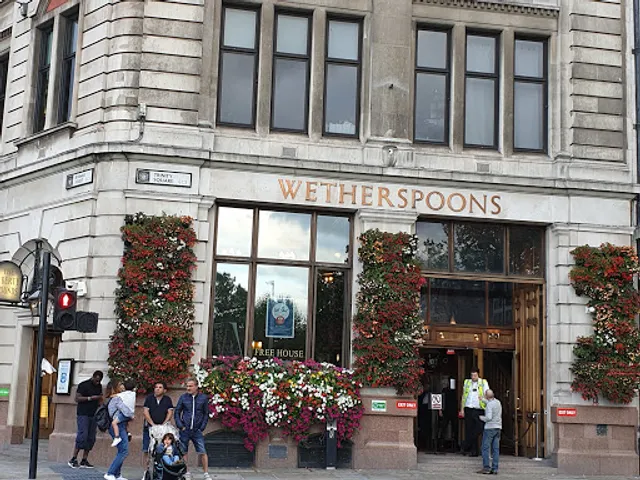
The Liberty Bounds - JD Wetherspoon
4.2
(3.5K)
Open until 12:00 AM
Click for details
Nearby local services of London Wall
London College of Contemporary Arts (LCCA)
Adamo Spa
Piccadilly Whip
British signature collection - Tower Hill
Gielly Green at Tower Bridge
GB Gifts and Souvenirs - Tower Hill
Third Space City
Tower of London Shop
The War of The Worlds: The Immersive Experience
The Spa at Four Seasons London at Tower Bridge

London College of Contemporary Arts (LCCA)
4.6
(323)
Click for details

Adamo Spa
4.9
(89)
Click for details

Piccadilly Whip
2.4
(74)
Click for details

British signature collection - Tower Hill
5.0
(473)
Click for details


The hit list



Plan your trip with Wanderboat
Welcome to Wanderboat AI, your AI search for local Eats and Fun, designed to help you explore your city and the world with ease.
Powered by Wanderboat AI trip planner.