Royal Festival Hall things to do, attractions, restaurants, events info and trip planning
Basic Info
Royal Festival Hall
Southbank Centre, Belvedere Rd, London SE1 8XX, United Kingdom
4.6(4.7K)
Open 24 hours
Save
spot
spot
Ratings & Description
Info
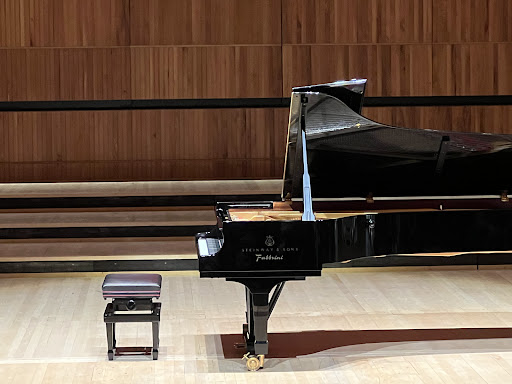
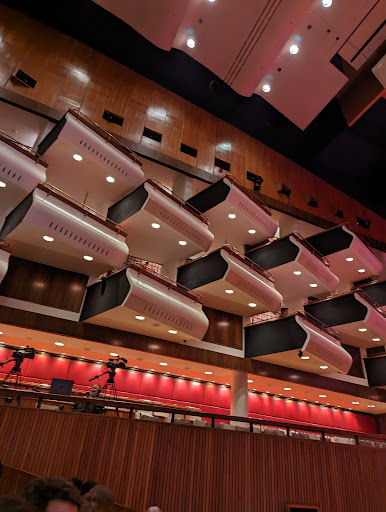
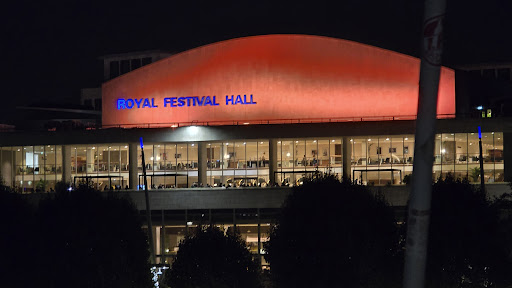
The Royal Festival Hall is a 2,700-seat concert, dance and talks venue within Southbank Centre in London, England. It is situated on the South Bank of the River Thames, not far from Hungerford Bridge, in the London Borough of Lambeth. It is a Grade I listed building, the first post-war building to become so protected.
Cultural
Entertainment
Accessibility
attractions: London Eye, Hayward Gallery, National Theatre, Southbank Skate Space, Hungerford Bridge and Golden Jubilee Bridges, Jubilee Gardens, The London Dungeon, National Poetry Library, Lyttelton Theatre, Purcell Room, restaurants: Las Iguanas - London - Royal Festival Hall, Strada Southbank, Giraffe, Flat Iron Southbank, Honest Burgers South Bank, Côte Royal Festival Hall, Comptoir Libanais, wagamama royal festival hall, Wahaca Southbank, Skylon, local businesses: BFI Southbank, Foyles at Royal Festival Hall, Southbank Centre Winter Market, Southbank Centre Food Market, Southbank Skate Space, London Party Boats Ltd, Hop On Hop Off Plus, Waterloo Bridge, South Bank Market, London Eye Ticket Office
 Learn more insights from Wanderboat AI.
Phone
+44 20 3879 9555
Website
southbankcentre.co.uk
Plan your stay

Pet-friendly Hotels in London
Find a cozy hotel nearby and make it a full experience.

Affordable Hotels in London
Find a cozy hotel nearby and make it a full experience.

The Coolest Hotels You Haven't Heard Of (Yet)
Find a cozy hotel nearby and make it a full experience.

Trending Stays Worth the Hype in London
Find a cozy hotel nearby and make it a full experience.
Reviews
Live events
Walk London with a local - in easy English
Sun, Feb 8 • 9:30 AM
Greater London, W1J 9BT, United Kingdom
View details

London Pottery Workshop
Sun, Feb 8 • 11:00 AM
Greater London, HA0 1RQ, United Kingdom
View details
Visit London landmarks and royal parks
Sat, Feb 14 • 10:00 AM
Greater London, W2 4RJ, United Kingdom
View details
Nearby attractions of Royal Festival Hall
London Eye
Hayward Gallery
National Theatre
Southbank Skate Space
Hungerford Bridge and Golden Jubilee Bridges
Jubilee Gardens
The London Dungeon
National Poetry Library
Lyttelton Theatre
Purcell Room
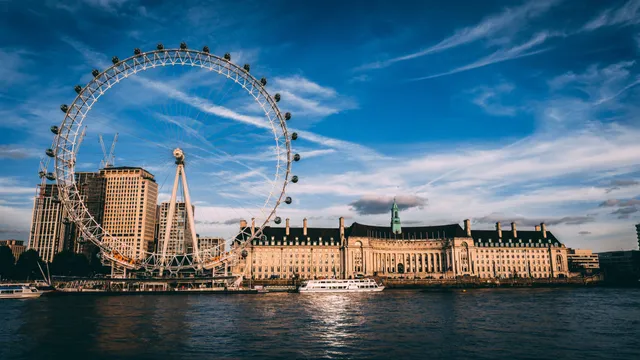
London Eye
4.5
(62.9K)
Closed
Click for details
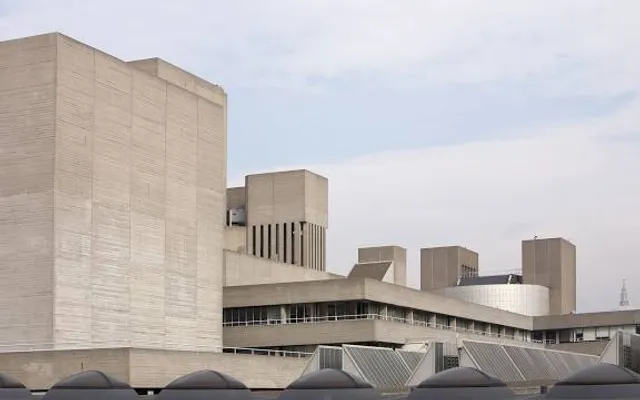
Hayward Gallery
4.6
(744)
Open until 12:00 AM
Click for details
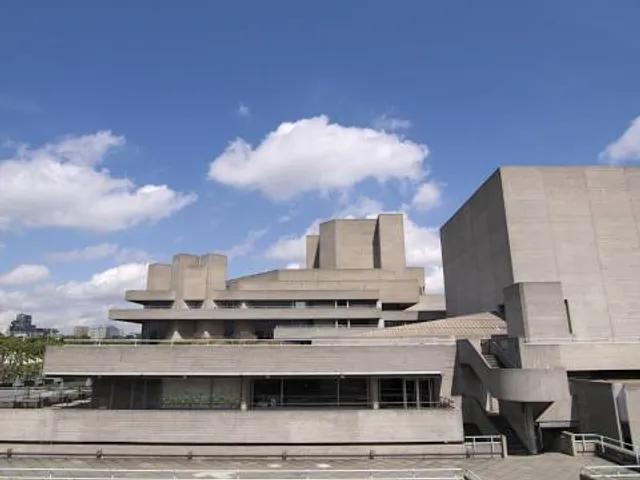
National Theatre
4.7
(4K)
Open 24 hours
Click for details

Southbank Skate Space
4.6
(375)
Closed
Click for details
Nearby restaurants of Royal Festival Hall
Las Iguanas - London - Royal Festival Hall
Strada Southbank
Giraffe
Flat Iron Southbank
Honest Burgers South Bank
Côte Royal Festival Hall
Comptoir Libanais
wagamama royal festival hall
Wahaca Southbank
Skylon
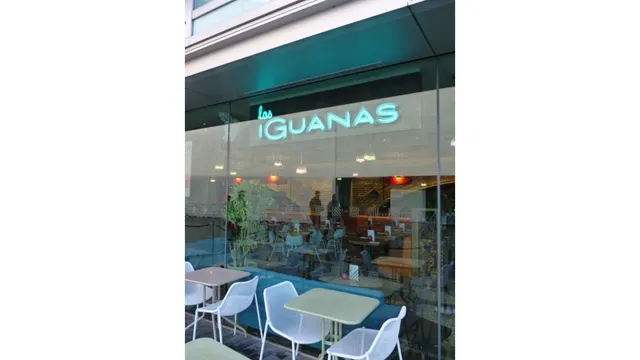
Las Iguanas - London - Royal Festival Hall
4.3
(2.6K)
Closed
Click for details
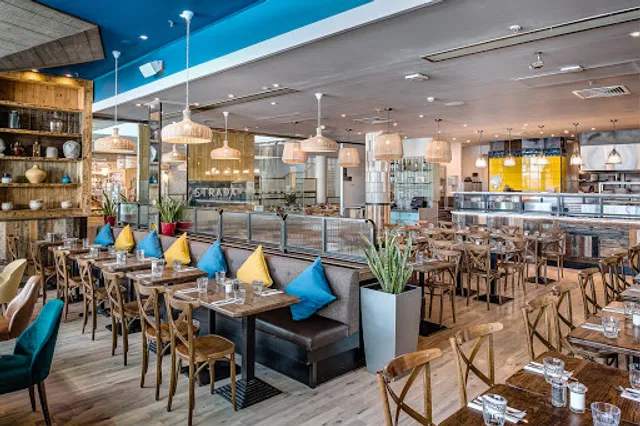
Strada Southbank
4.3
(1.4K)
Closed
Click for details
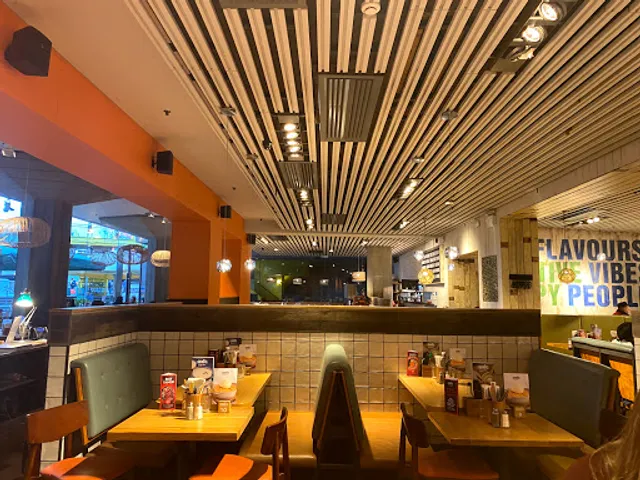
Giraffe
4.2
(3.1K)
Closed
Click for details

Flat Iron Southbank
4.9
(632)
Closed
Click for details
Nearby local services of Royal Festival Hall
BFI Southbank
Foyles at Royal Festival Hall
Southbank Centre Winter Market
Southbank Centre Food Market
Southbank Skate Space
London Party Boats Ltd
Hop On Hop Off Plus
Waterloo Bridge
South Bank Market
London Eye Ticket Office
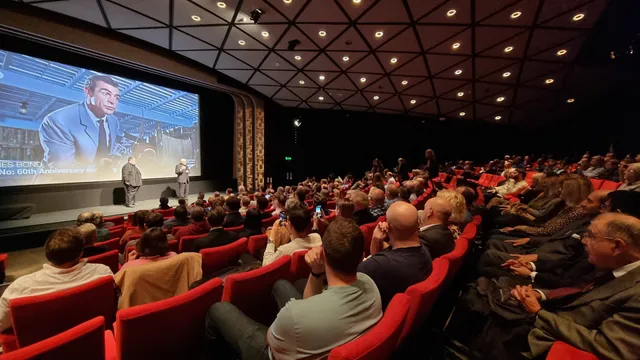
BFI Southbank
4.6
(1.5K)
Click for details

Foyles at Royal Festival Hall
4.5
(259)
Click for details

Southbank Centre Winter Market
3.9
(758)
Click for details
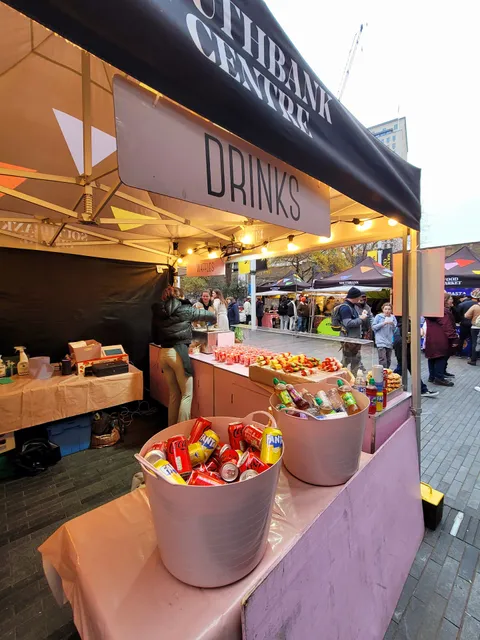
Southbank Centre Food Market
4.5
(143)
Click for details


The hit list

Plan your trip with Wanderboat
Welcome to Wanderboat AI, your AI search for local Eats and Fun, designed to help you explore your city and the world with ease.
Powered by Wanderboat AI trip planner.