Worcester Cathedral things to do, attractions, restaurants, events info and trip planning
Basic Info
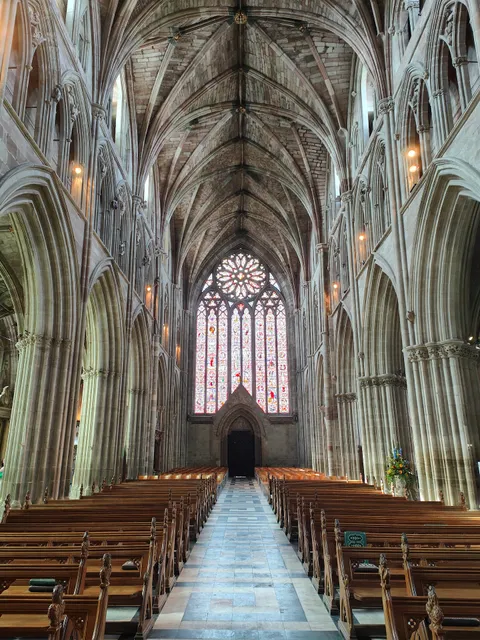
Worcester Cathedral
College Yard, Worcester WR1 2LA, United Kingdom
4.8(10)
Closed

tickets
Save
spot
spot
Ratings & Description
Info
attractions: Tudor House Museum, National Trust - Greyfriars House and Garden, Museum of Royal Worcester, The Commandery, Edgar Tower, The Guildhall Worcester, Huntingdon Hall, Worcester Theatres, Henry Sandon Hall, Worcester Tourist Information Centre, Circle Of Swords Tattoo Studio, restaurants: Little Marrakesh, indya, Miller & Carter Worcester, Zizzi - Worcester, Côte Worcester, Ye Olde Talbot, ASK Italian - Worcester, Nando's Worcester, All Bar One Worcester, The Botanist Worcester, local businesses: Worcester Cathedral, Escape Hunt Worcester, Cathedral Square, Fourleaf Piercing, Mulligans Worcester, Tudor House Museum, Wicked Hair, H&M, Journey Hair Beauty Aesthetics, Primark
 Learn more insights from Wanderboat AI.
Phone
+44 1905 732900
Website
worcestercathedral.org.uk
Open hoursSee all hours
MonClosed
Plan your stay

Pet-friendly Hotels in Worcester
Find a cozy hotel nearby and make it a full experience.

Affordable Hotels in Worcester
Find a cozy hotel nearby and make it a full experience.

The Coolest Hotels You Haven't Heard Of (Yet)
Find a cozy hotel nearby and make it a full experience.

Trending Stays Worth the Hype in Worcester
Find a cozy hotel nearby and make it a full experience.
Reviews
Live events
Malvern Hills literary loop: Tolkien & C S Lewis
Sun, Feb 15 • 10:30 AM
Worcestershire, WR14 3HB, United Kingdom
View details

Potters Wheel Introduction
Sat, Feb 14 • 11:00 AM
Herefordshire, HR8, United Kingdom
View details

Try your hand at pottery in the North Cotswolds
Fri, Feb 13 • 10:30 AM
Honeybourne, WR11 7RB, United Kingdom
View details
Nearby attractions of Worcester Cathedral
Tudor House Museum
National Trust - Greyfriars House and Garden
Museum of Royal Worcester
The Commandery
Edgar Tower
The Guildhall Worcester
Huntingdon Hall, Worcester Theatres
Henry Sandon Hall
Worcester Tourist Information Centre
Circle Of Swords Tattoo Studio
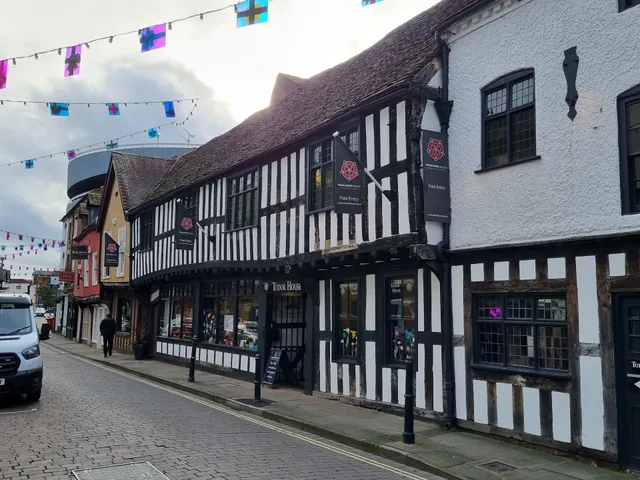
Tudor House Museum
4.6
(193)
Open until 12:00 AM
Click for details
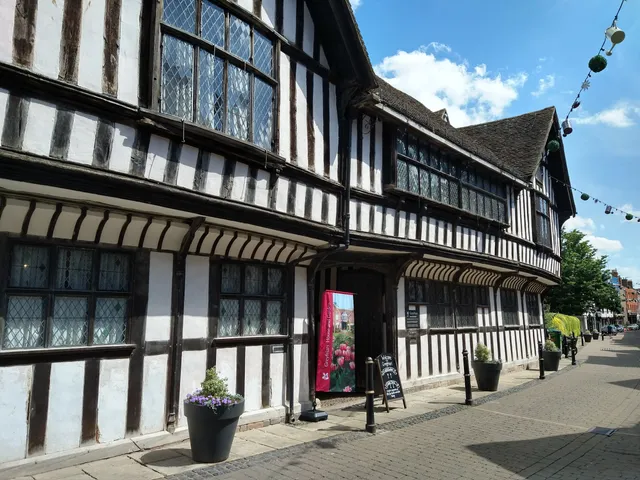
National Trust - Greyfriars House and Garden
4.6
(339)
Open until 12:00 AM
Click for details

Museum of Royal Worcester
4.5
(199)
Open until 12:00 AM
Click for details
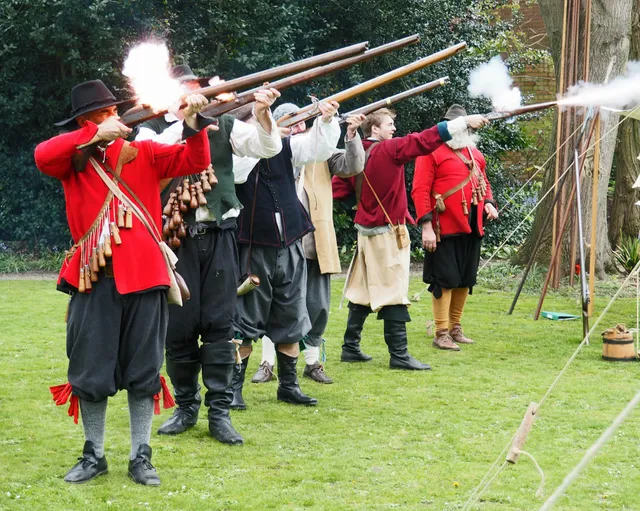
The Commandery
4.6
(320)
Open until 12:00 AM
Click for details
Nearby restaurants of Worcester Cathedral
Little Marrakesh
indya
Miller & Carter Worcester
Zizzi - Worcester
Côte Worcester
Ye Olde Talbot
ASK Italian - Worcester
Nando's Worcester
All Bar One Worcester
The Botanist Worcester

Little Marrakesh
5.0
(52)
Open until 12:00 AM
Click for details
indya
5.0
(13)
Closed
Click for details
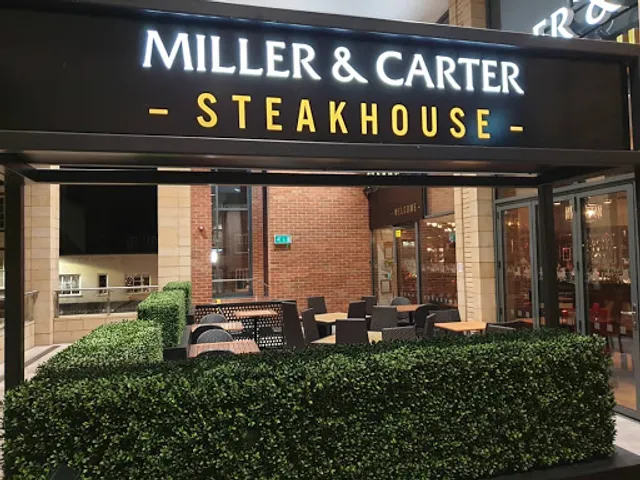
Miller & Carter Worcester
4.7
(1.4K)
$$
Closed
Click for details
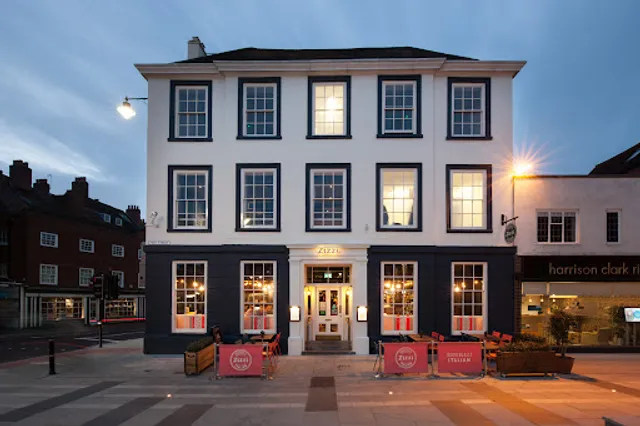
Zizzi - Worcester
4.3
(711)
Closed
Click for details
Nearby local services of Worcester Cathedral
Worcester Cathedral
Escape Hunt Worcester
Cathedral Square
Fourleaf Piercing
Mulligans Worcester
Tudor House Museum
Wicked Hair
H&M
Journey Hair Beauty Aesthetics
Primark
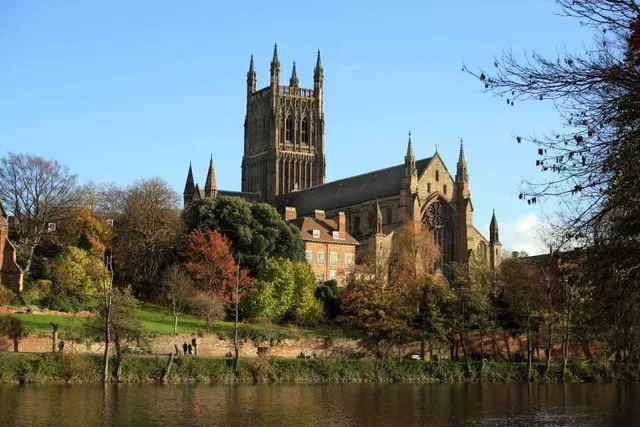
Worcester Cathedral
4.8
(1.6K)
Click for details

Escape Hunt Worcester
5.0
(1.1K)
Click for details
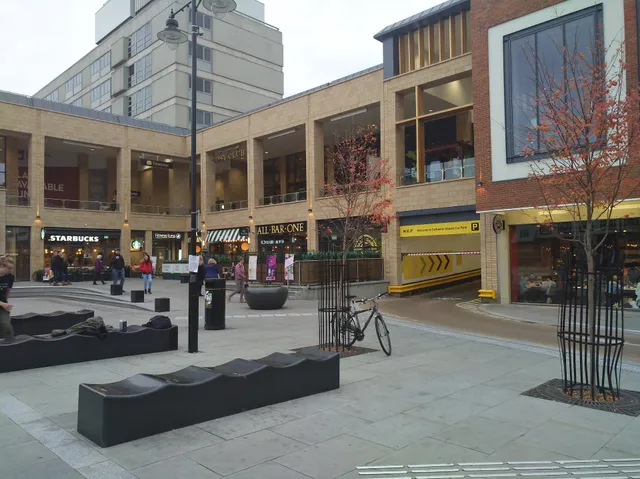
Cathedral Square
4.3
(1.1K)
Click for details

Fourleaf Piercing
4.8
(66)
Click for details