Green Mount Cemetery things to do, attractions, restaurants, events info and trip planning
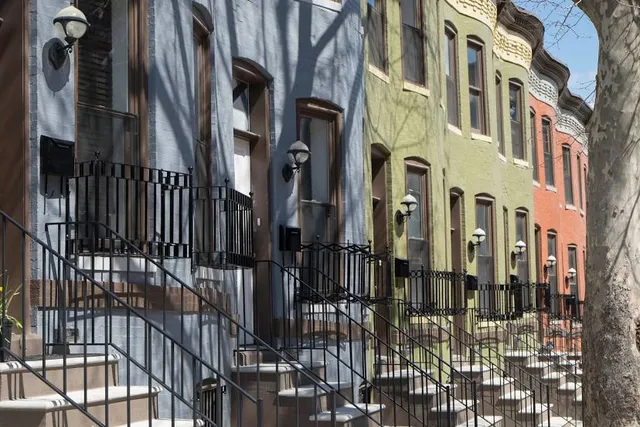
Basic Info
Green Mount Cemetery
1501 Greenmount Ave, Baltimore, MD 21202
4.6(44)
Open until 3:45 PM
Save
spot
spot
Ratings & Description
Info
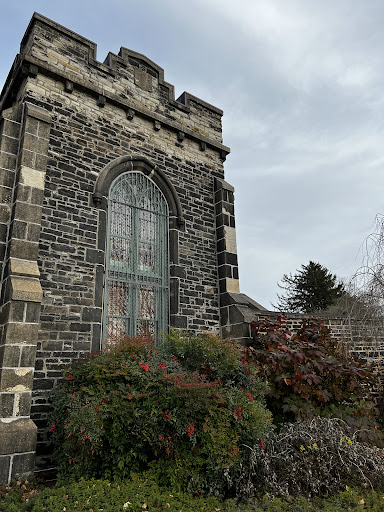
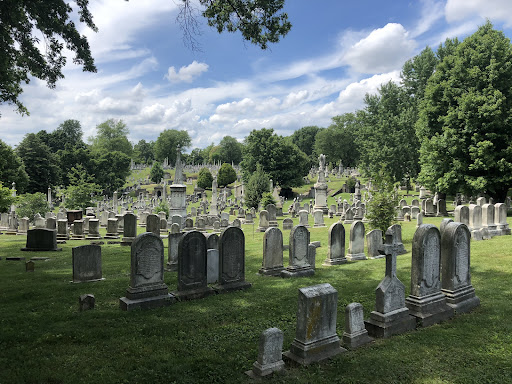
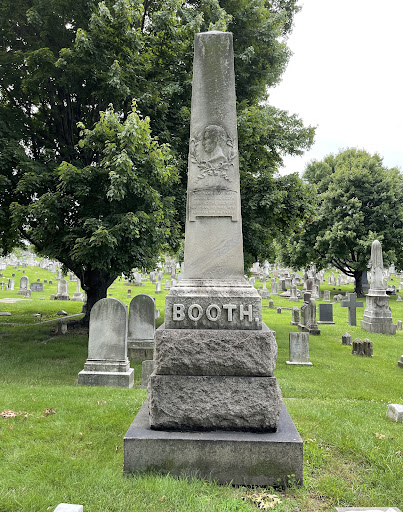
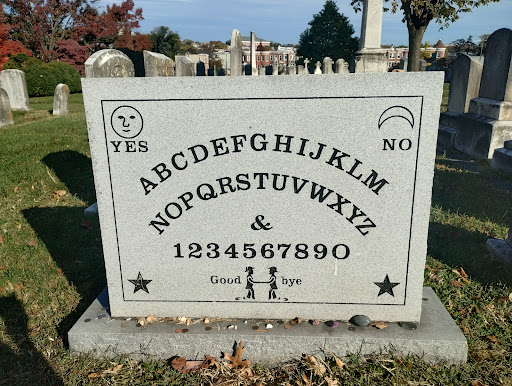
Green Mount Cemetery is a historic rural cemetery in Baltimore, Maryland, United States. Established on March 15, 1838, and dedicated on July 13, 1839, it is noted for the large number of historical figures interred in its grounds as well as many prominent Baltimore-area families.
Cultural
Scenic
Relaxation
attractions: Grave of John Wilkes Booth, McAllister Park, Metro Gallery, Lyric Baltimore, Baltimore Improv Group (BIG), Baltimore Symphony Orchestra, Belvedere & Co. Events, Gordon Plaza, Mercury Theater, Joseph Meyerhoff Symphony Hall, restaurants: Black Acres Roastery - Open Works, Light Carry Out, Guilford Hall Brewery, Mera Kitchen Collective, Dragon Phoenix, Magdalena, A Maryland Bistro, The Prime Rib, New World Carryout, Alma Cocina Latina, Turp's Sports Bar & Restaurant, local businesses: Greenmount Lounge, AREA 405, Harbor Pipe Organs LLC, Charm City Millwork, Liberty Food Market, Penn Station-Baltimore, MT Vernon Nails & Spa, Calvin's, Baltimore - Penn Station, Charles Theatre
 Learn more insights from Wanderboat AI.
Phone
(410) 539-0641
Website
greenmountcemetery.com
Open hoursSee all hours
Fri9 AM - 3:45 PMOpen
Plan your stay

Pet-friendly Hotels in Baltimore
Find a cozy hotel nearby and make it a full experience.

Affordable Hotels in Baltimore
Find a cozy hotel nearby and make it a full experience.

The Coolest Hotels You Haven't Heard Of (Yet)
Find a cozy hotel nearby and make it a full experience.

Trending Stays Worth the Hype in Baltimore
Find a cozy hotel nearby and make it a full experience.
Reviews
Live events

Candlelight: Tribute to Whitney Houston
Fri, Feb 20 • 6:30 PM
610 Park Ave, Baltimore, 21201
View details

Macrame & Music: Knot Your Average Craft Class
Sat, Jan 24 • 11:00 AM
Focused on Creatives, 807 East Baltimore Street, Baltimore, United States
View details
Candlelight: Tribute to Adele
Sun, Feb 22 • 6:30 PM
10 Art Museum Drive, Baltimore, 21218
View details
Nearby attractions of Green Mount Cemetery
Grave of John Wilkes Booth
McAllister Park
Metro Gallery
Lyric Baltimore
Baltimore Improv Group (BIG)
Baltimore Symphony Orchestra
Belvedere & Co. Events
Gordon Plaza
Mercury Theater
Joseph Meyerhoff Symphony Hall

Grave of John Wilkes Booth
4.1
(28)
Open until 3:45 PM
Click for details
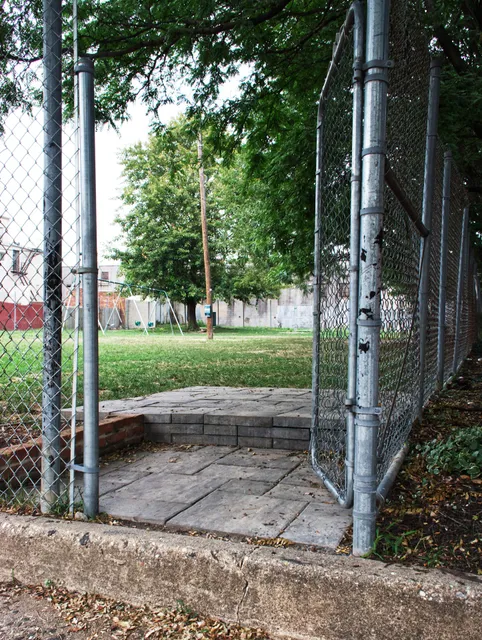
McAllister Park
4.7
(10)
Open until 8:00 PM
Click for details
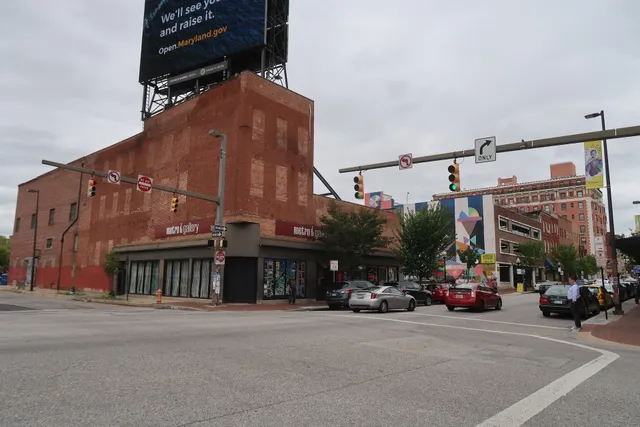
Metro Gallery
4.6
(336)
Open 24 hours
Click for details
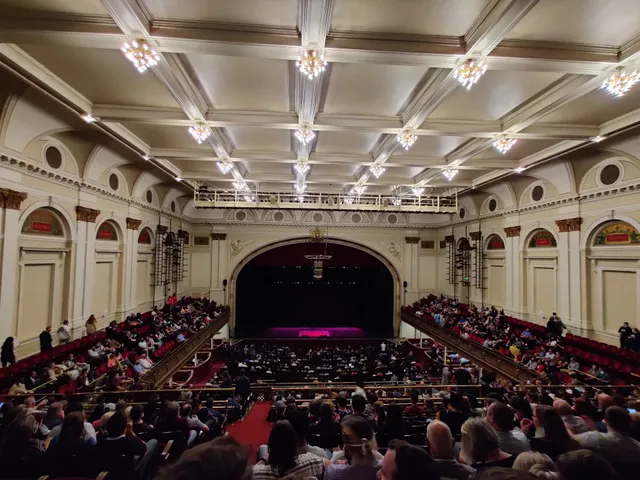
Lyric Baltimore
4.4
(1.0K)
Closed
Click for details
Nearby restaurants of Green Mount Cemetery
Black Acres Roastery - Open Works
Light Carry Out
Guilford Hall Brewery
Mera Kitchen Collective
Dragon Phoenix
Magdalena, A Maryland Bistro
The Prime Rib
New World Carryout
Alma Cocina Latina
Turp's Sports Bar & Restaurant
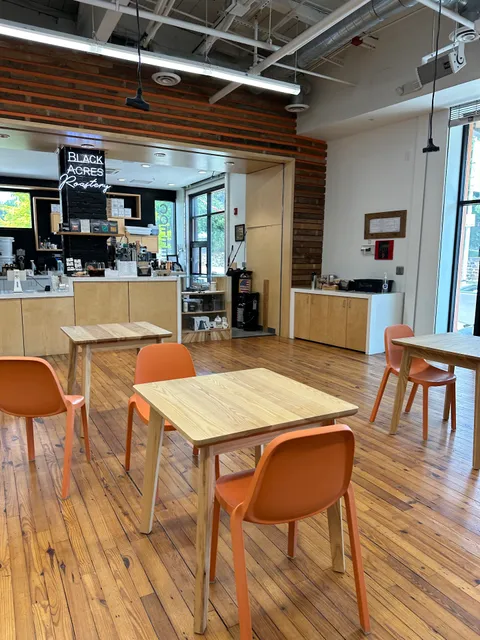
Black Acres Roastery - Open Works
4.7
(34)
$
Open until 3:00 PM
Click for details

Light Carry Out
4.3
(78)
$
Open until 6:00 PM
Click for details
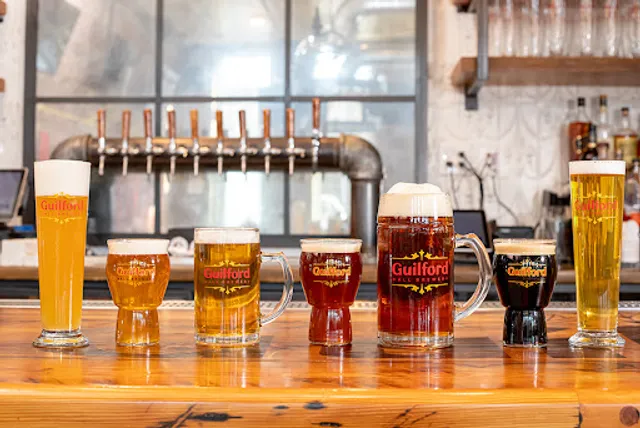
Guilford Hall Brewery
4.5
(423)
Closed
Click for details
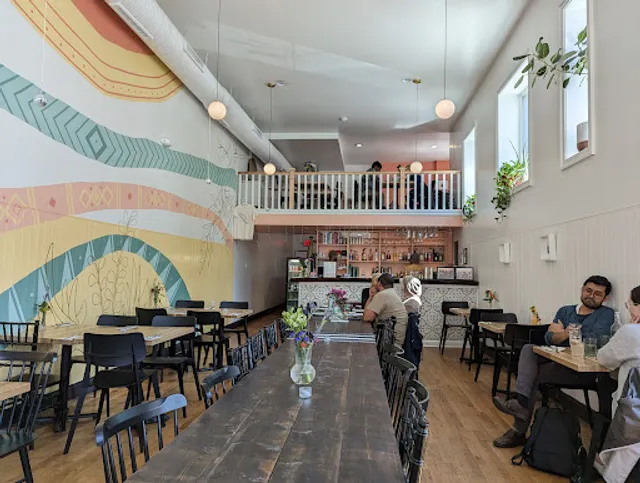
Mera Kitchen Collective
4.8
(289)
$$
Closed
Click for details
Nearby local services of Green Mount Cemetery
Greenmount Lounge
AREA 405
Harbor Pipe Organs LLC
Charm City Millwork
Liberty Food Market
Penn Station-Baltimore
MT Vernon Nails & Spa
Calvin's
Baltimore - Penn Station
Charles Theatre
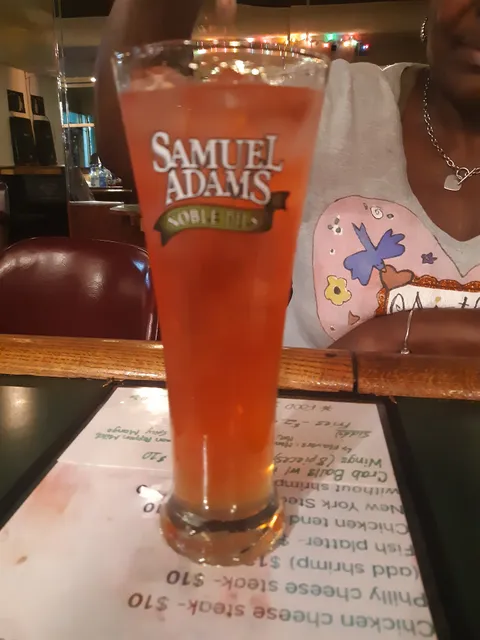
Greenmount Lounge
4.4
(42)
Click for details
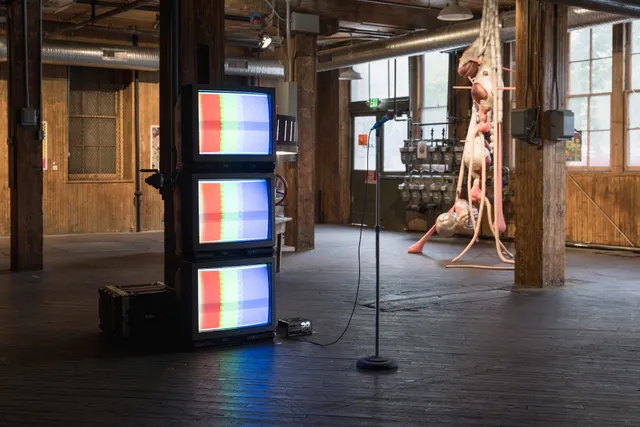
AREA 405
4.3
(26)
Click for details
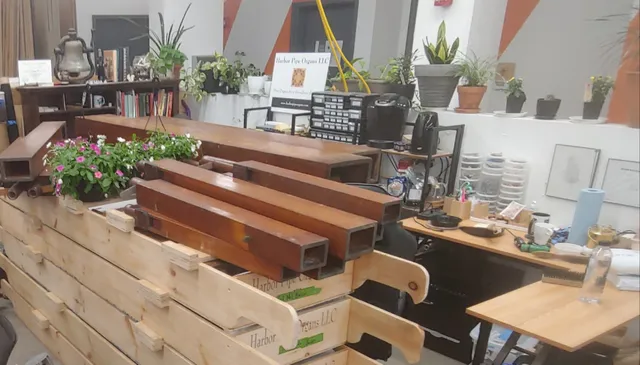
Harbor Pipe Organs LLC
5.0
(9)
Click for details
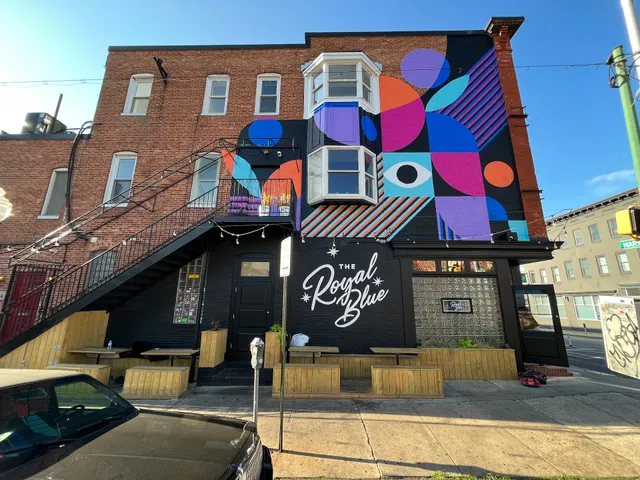
Charm City Millwork
5.0
(16)
Click for details


The hit list



Plan your trip with Wanderboat
Welcome to Wanderboat AI, your AI search for local Eats and Fun, designed to help you explore your city and the world with ease.
Powered by Wanderboat AI trip planner.