While in Charleston, my husband and I had the opportunity to visit Boone Hall Plantation. It was our first visit to a plantation, so I wasnβt sure what to expect or how I would react emotionally. It took a while for me to post this because I did not anticipate such a viceral response for myself. I am hoping this is reviewed with the intent to understand, learn, and develop. My observations are coming from a place of genuine respect for honoring authenticity in history.
The Gullah presentation was AMAZING. I had the opportunity to speak with her afterwards and shared a very endearing embrace with her as we talked about the Geechee traditions I saw with my late grandmother as a child. I admired her ability to respond to invasive questions without being shaken. Being asked if she has dental care, or other very ignorant and inappropriate questions just reminded me of how sometimes people are still fascinated with us and it feels like we are spectacles versus human beings.
I couldnβt help but notice that out of over 100 people, my husband and I were the only people of color there. This was confusing and a bit overwhelming as we walked through the slave quarters and watched others talking about how nicely built they were. These one room shacks were not nice.. nor were the stories lived in them. This was only the beginning of the overwhelming feeling of gaslighting or disregard for what actually occurred on these plantations. Honestly, in defense of my ancestors, I began to feel slightly territorial as the comments and lack of sensitivity started to create a feeling of intrusion for me. If the staff were more sensitive to the history, it would not seem natural or acceptable to be so aloof when touring these artifacts of slavery.
The staff lacks appropriate training to discuss the history of a plantation with care and confidence. This is not the role where you mince words. Referring to slave as βartisansβ who worked on the plantation instead of calling them what they were. Clearly, there is a desire to manage fragility and discomfort, but it can not be done at the expense of rewriting or disregarding history. WORDS MATTER.
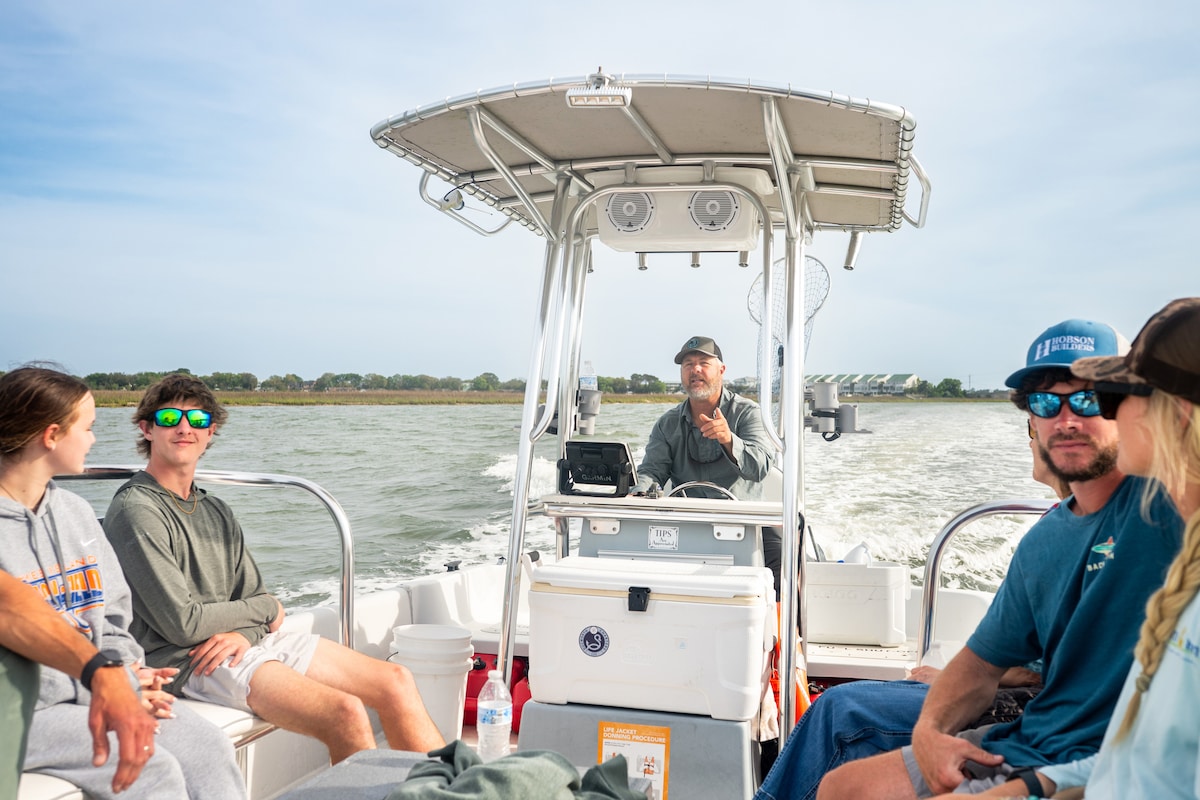
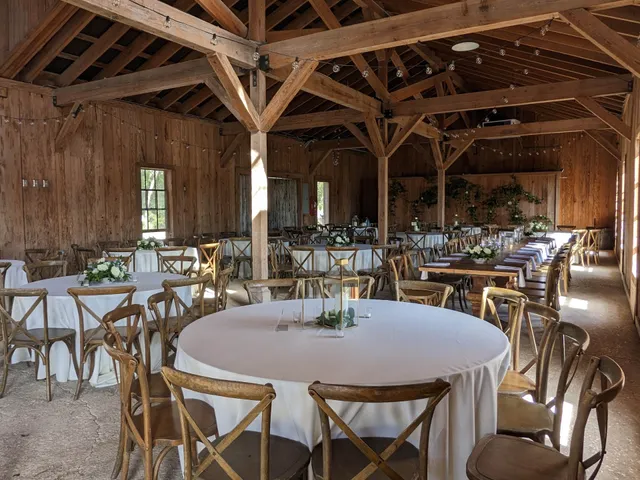
During the wagon tour, another staff member stated that the plantation was a brick making plantation, producing over 3 million bricks per year. He then stated, βThat was hard work for those guysβ (referring to the slaves). The wagon tour also proceeded to discuss more about the number of weddings on the plantation annually and how many people come back for activities (eg Halloween), resident alligators, or how the staff enjoys harvesting the crops.
The plantation is beautiful. And, I would suggest a visit to a plantation to any descendants of slaves. The immediate connection you feel is indescribable.
However, these organizations need to be run with more care and cultural competence. I appreciate the offer to pick cotton for the experience, but hopefully, you understand why I politely declined. The cotton is more than a souvenir. Where is the discussion, the education?
If you do not have staff that is comfortable telling the story in its full authenticity, consider hiring more people that are representative of the entire history so more appropriate storytelling can be offered to your visitors. Your staff does not have apparent representation of the βartisansβ that built it.
The TONE set by the staff encourages and allows unintentional harm for those who have a direct connection to the more painful part of the history that is excluded from the majority of the conversations at this plantation. Require respect and reverence of the space to ensure that it is not forgotten that there was suffering that happened. This is not just a fun weekend trip for some of us. The history and stories should be honored,...
Β Β Β Read moreI Experience offensive language when it came to the tractor ride. The guide was making jokes about getting the alligator to come up out of the water. He stated the best way to get the gators up out of the water around the edge is to dangle a little fat baby over them, and I thought that was so offensive and knowing that they used to dangle black fat babies over the alligator edges so they can jump up. Itβs just like using the little black fat babies for bait and they have known that they did eat a little fat black babies so I thought that was very offensive in the audience lab. That was a good joke not knowing he shouldβve said they use black babies for the bait and also they should have Apologize to The audience they should have said those things that took place should have never taken place and that our race of people are so sorry for what took place. Each one of those session that you had should have stated that apology to the visitors, no matter what race they were black white Spanish Haitian, Puerto Rican, Mexicans African-American. It shouldβve been an authentic apology meeting with was done to our race of people. Are people have suffered enough and they still suffering with stealing slavery but in a modern way the food in the calf was priced very good but it wasnβt that good to eat matter fact I got really low sick throwing up. I got diarrhea from eating the food I had a really tough weekend there You need to have better menu food that African people really ate. You shouldβve had that available to he should have a nice fun area so that your mom can escape the torture that African-Americans went through. Thatβs what your plantation should have. Everybody was old and age. I guess theyβre the only one remember the Hard times for African-American people I felt like I was in slavery just being there it wasnβt a good experience for me so I suggest the recommendation that I talked about change and stuff and as happy times there maybe some African dancers have something spectacular to everybody would wanna come and seein the secrets of the coding was was shared and I personally donβt think it shouldβve been good. thatβs our God-given secret for us to survive. Now everybody know what took place some things you donβt share some...
Β Β Β Read moreI'm so unpacking all of my thoughts and feelings about this place.
Arriving at the gate is where it starts. The gate guard is very presumptuous. He assumed I didn't have any tickets to get in. His attitude towards me didn't make me feel welcome at all.
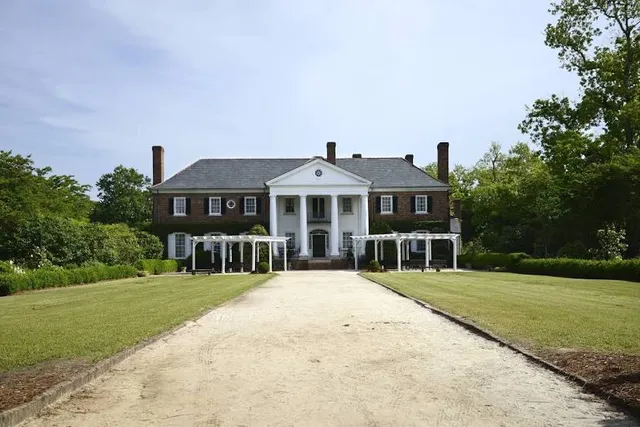
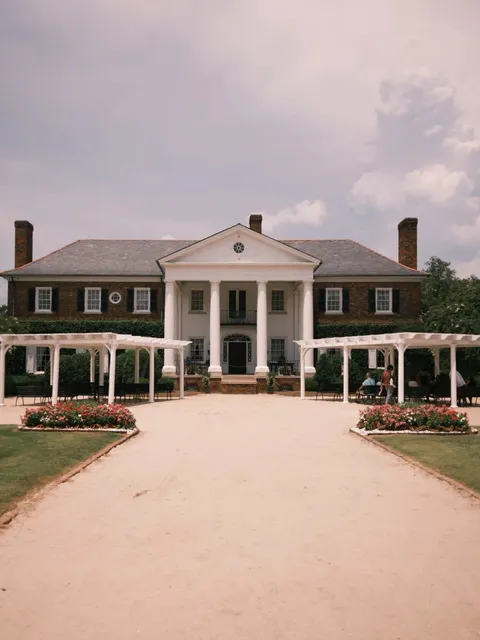
The appearance of the plantation was immaculate. The grounds are well kept and preserved. The museums were well preserved as well. I was impressed.
While the grounds and buildings were well kept, it took me on an emotional roller-coaster. I was excited and extremely sad, fought bouts of anger and bewilderment.
I'm not sure what I expected, but to see so many white people at a place like this was astonishing. I guess it seemed like they were enjoying the enjoying the environment and learning the history of the space didn't bother them. However, when I saw a black person there, which was very few, they looked like they felt like me.
The food they sold on the plantation was reasonably priced. They have simple options to choose from, things like beef hot dogs, turkey sandwiches, chips, and drinks. The cafe is nice and comfortable.
Educationally speaking, they shared a ton of information. The gullah presentation was really good. Each slave quarter was eye-opening with artifacts and audio presentations.
There's a wagon tour, where they drive you around the premises and share some history. On one section of the trip, we stopped next to a fresh water pond. The guide, Ted, made a joke about to get the Alligator to come to us. Ted said, " Maybe if we hang a little plump baby over edge, we can get the gater to show up." Referring to Gater Bait. Some white people actually laughed at the joke. The comment was out of place, out of time, unnecessary and very racist. My family didn't appreciate it at all.
Nevertheless, this was an experience I'll never forget, nor repeat. I recommend that the plantation should create or develop some mental pamphlets for people who may get triggered by something they may hear or see while visiting the historic location.
If you go, be prepared to go back in time in your head. Also, know that this is 2025 and we...
Β Β Β Read more