Stenton things to do, attractions, restaurants, events info and trip planning
Basic Info
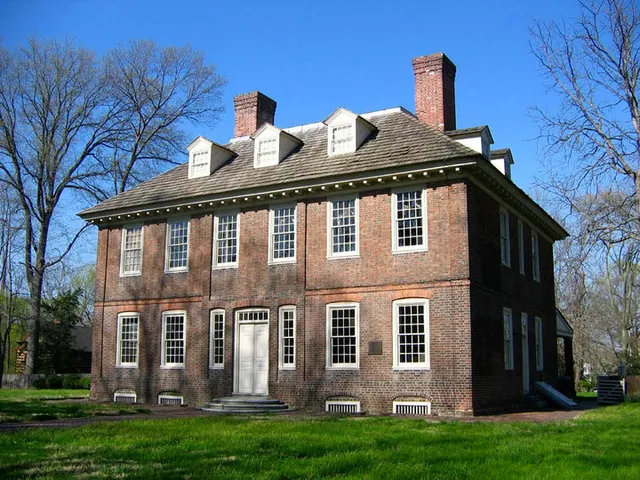
Stenton
4601 N 18th St, Philadelphia, PA 19140
4.6(74)
Closed
Save
spot
spot
Ratings & Description
Info
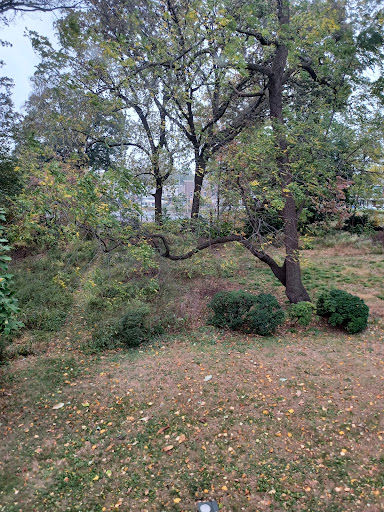
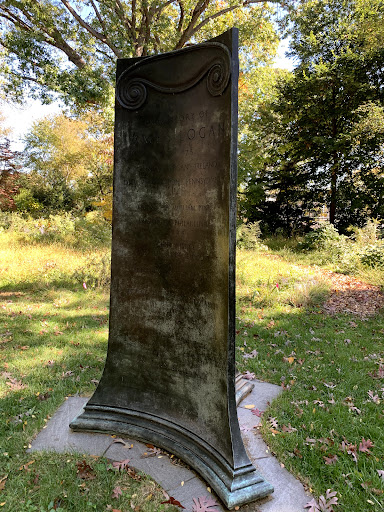
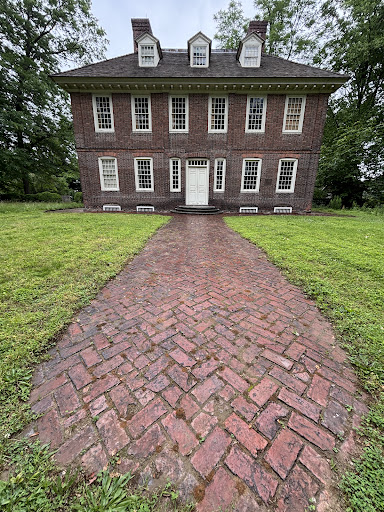
Stenton, also known as the James Logan Home, was the country home of James Logan, the first Mayor of Philadelphia and Chief Justice of the Pennsylvania Supreme Court during the colonial-era governance of the Province of Pennsylvania.
Cultural
Family friendly
Accessibility
attractions: Stenton Park, Marcus Foster Memorial Stadium, Masjid as-Sunnah an-Nabawiyyah مسجد السنة, Rush Arts Philadelphia, The Colored Girls Museum, restaurants: Crab Shack, Fresh Donuts Inc, Sid Booker's Shrimp Corner, Circles Bar, Stuff'd by Jannah Jewelz - North, Stinger Discoteque, Cherish Philly, Merzbacher's of Germantown, Tony's Palace Pizza, Silver Chopsticks Restaurant, local businesses: Clark's Barber & Beauty Salon, Elks Lodge, J M Sewing Inc, Seng Hong Oriental Market, Chi's nails lounge & spa, Maison De Chic Salon, Melissa S' Dominican Beauty Salon, Prince Hall Grand Lodge, Furniture Mecca, Hyeinjun Grocery
 Learn more insights from Wanderboat AI.
Phone
(215) 329-7312
Website
stenton.org
Open hoursSee all hours
Fri1 - 4 PMClosed
Plan your stay

Pet-friendly Hotels in Philadelphia
Find a cozy hotel nearby and make it a full experience.

Affordable Hotels in Philadelphia
Find a cozy hotel nearby and make it a full experience.

The Coolest Hotels You Haven't Heard Of (Yet)
Find a cozy hotel nearby and make it a full experience.

Trending Stays Worth the Hype in Philadelphia
Find a cozy hotel nearby and make it a full experience.
Reviews
Live events
Explore Philly’s kept secrets
Fri, Feb 20 • 4:00 PM
Philadelphia, Pennsylvania, 19103
View details

The Accountability Dinner | An Evening With Jermir with the Journalism
Sat, Feb 21 • 5:00 PM
16 West 5th Street Chester, PA 19013
View details
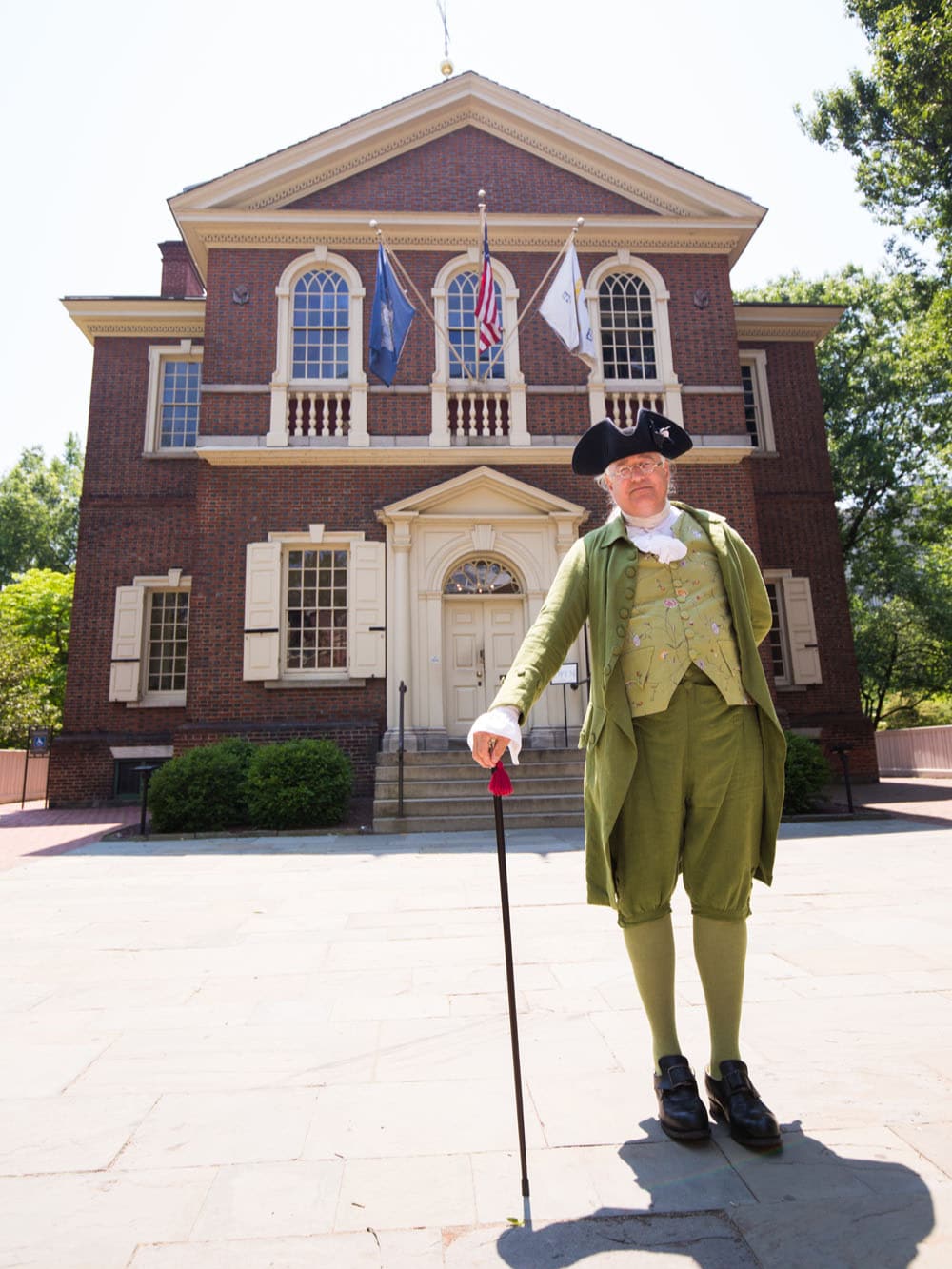
A Toast to History
Tue, Feb 24 • 4:00 PM
Philadelphia, Pennsylvania, 19106
View details
Nearby attractions of Stenton
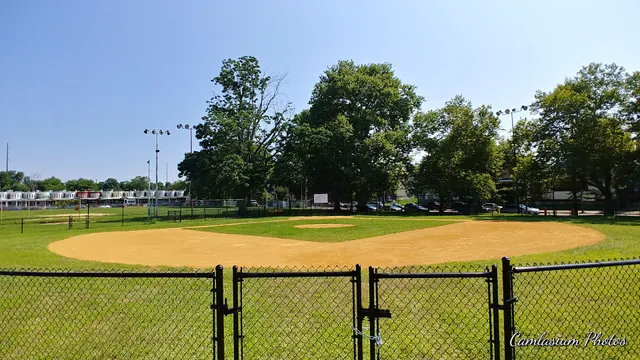
Stenton Park
Marcus Foster Memorial Stadium
Masjid as-Sunnah an-Nabawiyyah مسجد السنة
Rush Arts Philadelphia
The Colored Girls Museum
Stenton Park
4.2
(124)
Open until 8:00 PM
Click for details
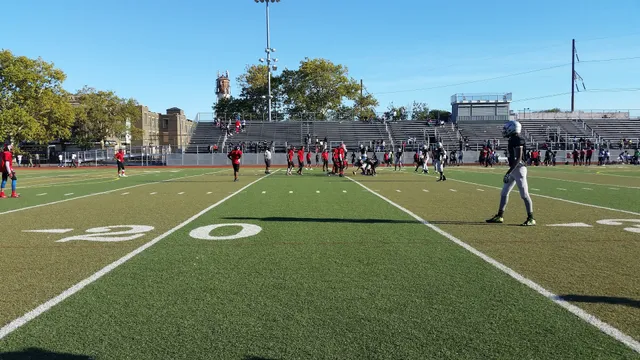
Marcus Foster Memorial Stadium
4.3
(212)
Open 24 hours
Click for details
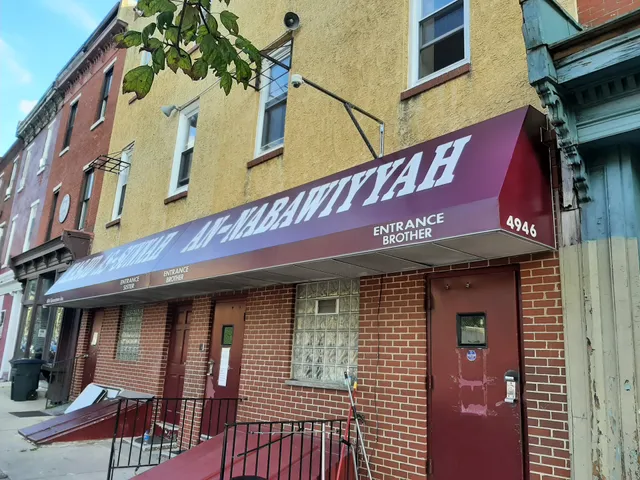
Masjid as-Sunnah an-Nabawiyyah مسجد السنة
4.8
(273)
Open 24 hours
Click for details
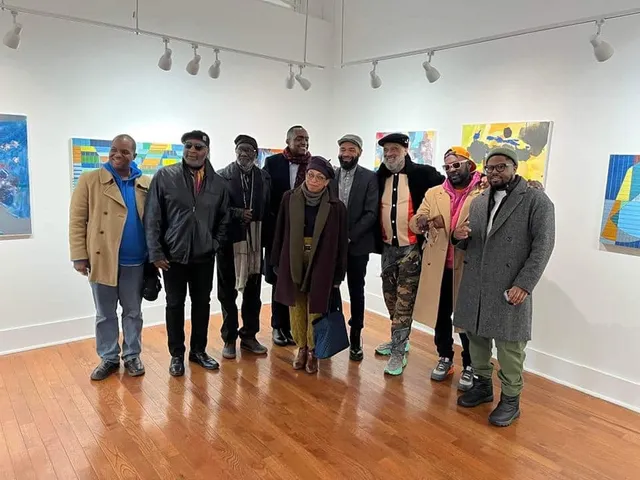
Rush Arts Philadelphia
4.5
(15)
Closed
Click for details
Nearby restaurants of Stenton
Crab Shack
Fresh Donuts Inc
Sid Booker's Shrimp Corner
Circles Bar
Stuff'd by Jannah Jewelz - North
Stinger Discoteque
Cherish Philly
Merzbacher's of Germantown
Tony's Palace Pizza
Silver Chopsticks Restaurant
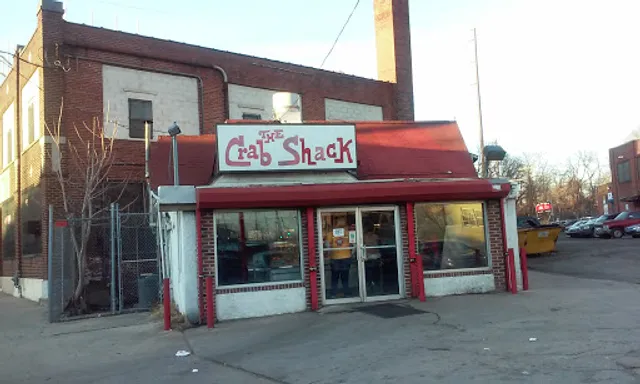
Crab Shack
3.7
(374)
$$
Open until 9:00 PM
Click for details
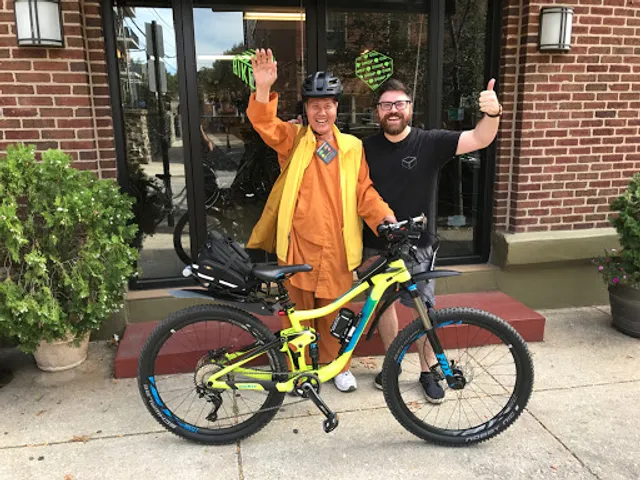
Fresh Donuts Inc
4.3
(144)
$
Closed
Click for details
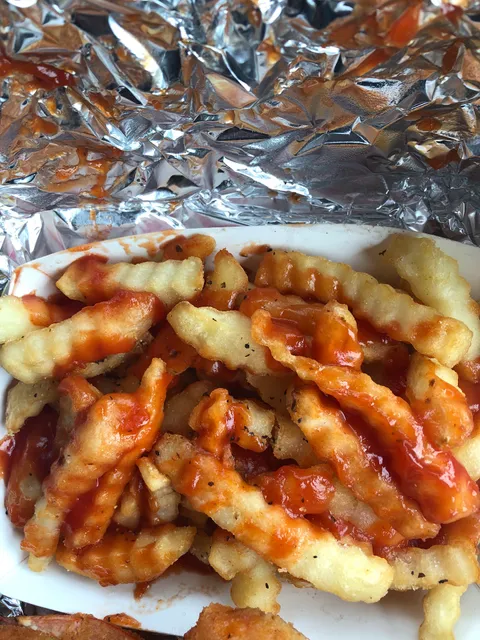
Sid Booker's Shrimp Corner
4.4
(1.0K)
$$
Open until 4:00 AM
Click for details
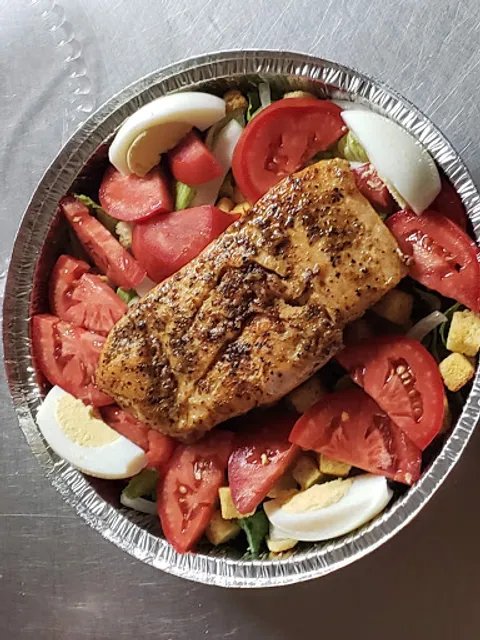
Circles Bar
4.1
(247)
$
Open until 2:00 AM
Click for details
Nearby local services of Stenton
Clark's Barber & Beauty Salon
Elks Lodge
J M Sewing Inc
Seng Hong Oriental Market
Chi's nails lounge & spa
Maison De Chic Salon
Melissa S' Dominican Beauty Salon
Prince Hall Grand Lodge
Furniture Mecca
Hyeinjun Grocery

Clark's Barber & Beauty Salon
4.8
(36)
Click for details
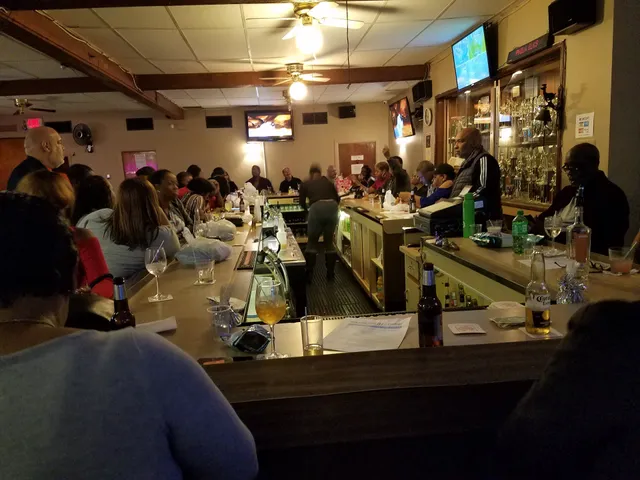
Elks Lodge
4.4
(96)
Click for details
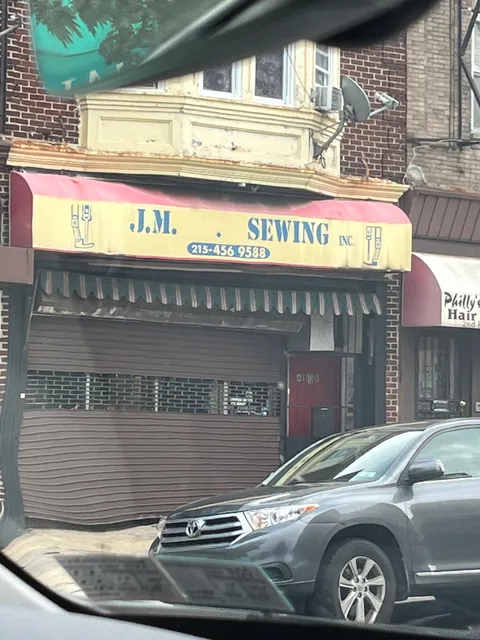
J M Sewing Inc
4.5
(42)
Click for details
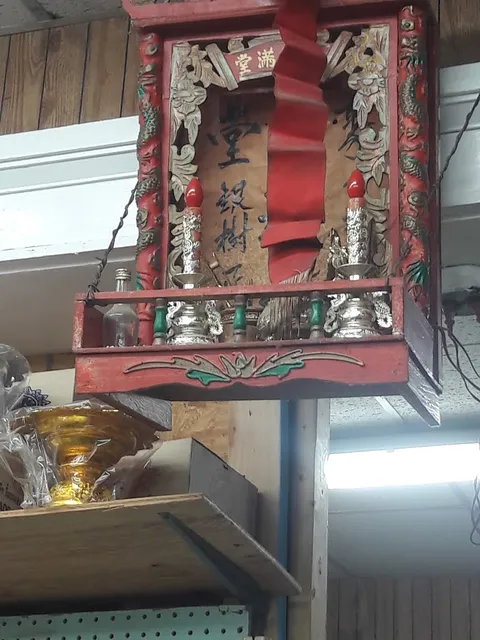
Seng Hong Oriental Market
4.3
(66)
Click for details