Carrie Furnace Tour things to do, attractions, restaurants, events info and trip planning
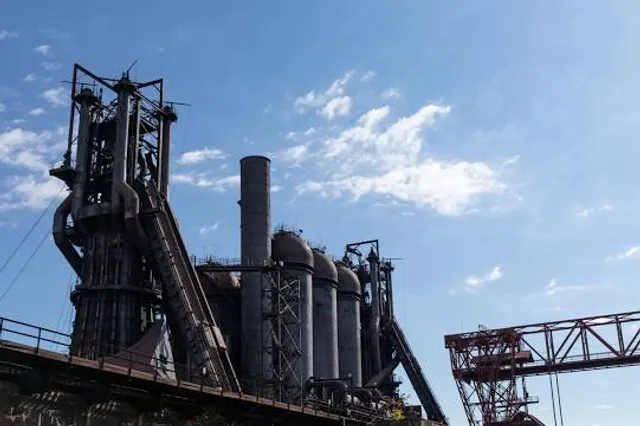
Basic Info
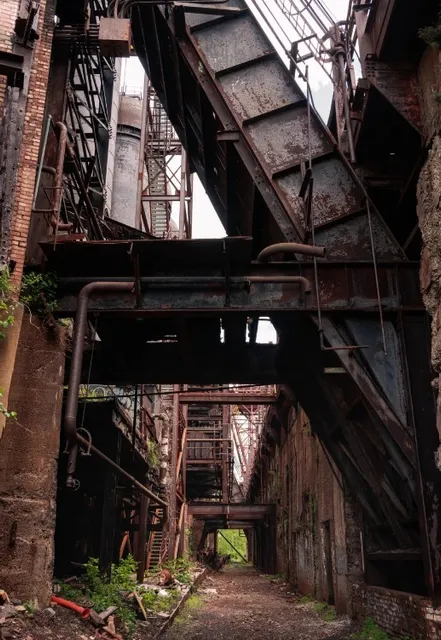
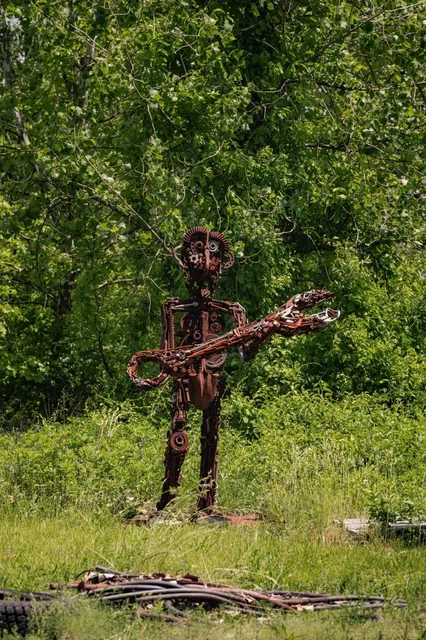
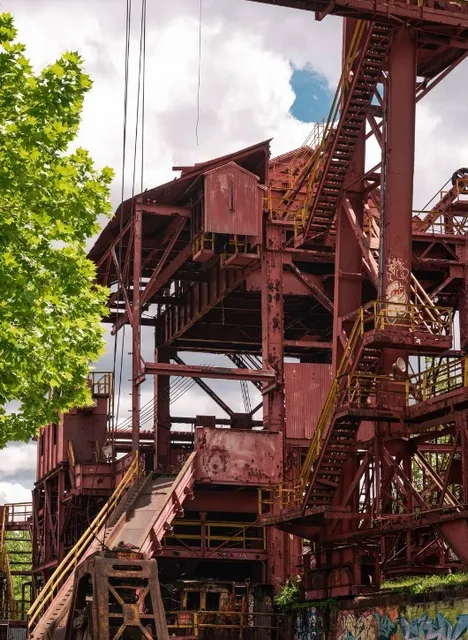
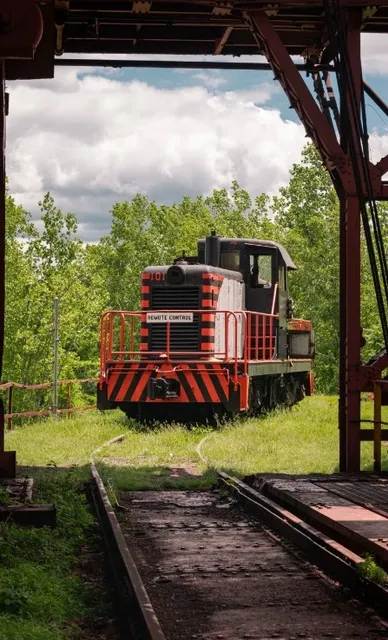
Carrie Furnace Tour
801 Carrie Furnace Blvd, Swissvale, PA 15218
4.7(157)
Open 24 hours

tickets
Save
spot
spot
Ratings & Description
Info
Cultural
Adventure
attractions: Rivers of Steel: Carrie Blast Furnaces National Historic Landmark, Switch and Signal Skatepark, restaurants: Triangle Bar & Grill, Wilson’s Nite Out, DiSalla's Pizza Munhall “The Junction”, Swissvale Dari Delite, T's Restaurant & Lounge, House of Subs Rudy's, Murray's Cafe, China House II, Boomerang Bar, GoodFellas Restaurant & Tavern, local businesses: Pittsburgh Irish Festival Inc, Styles Unlimited Hair Studio, Dollar General, Noble Mart, Car Audio Pittsburgh - Cazillia Audio, Swissvale Bowl-A-Rama, CVS, Still Mill Distillery
 Learn more insights from Wanderboat AI.
Phone
(412) 464-4020
Website
riversofsteel.com
Plan your stay

Pet-friendly Hotels in Swissvale
Find a cozy hotel nearby and make it a full experience.

Affordable Hotels in Swissvale
Find a cozy hotel nearby and make it a full experience.

The Coolest Hotels You Haven't Heard Of (Yet)
Find a cozy hotel nearby and make it a full experience.

Trending Stays Worth the Hype in Swissvale
Find a cozy hotel nearby and make it a full experience.
Reviews
Live events
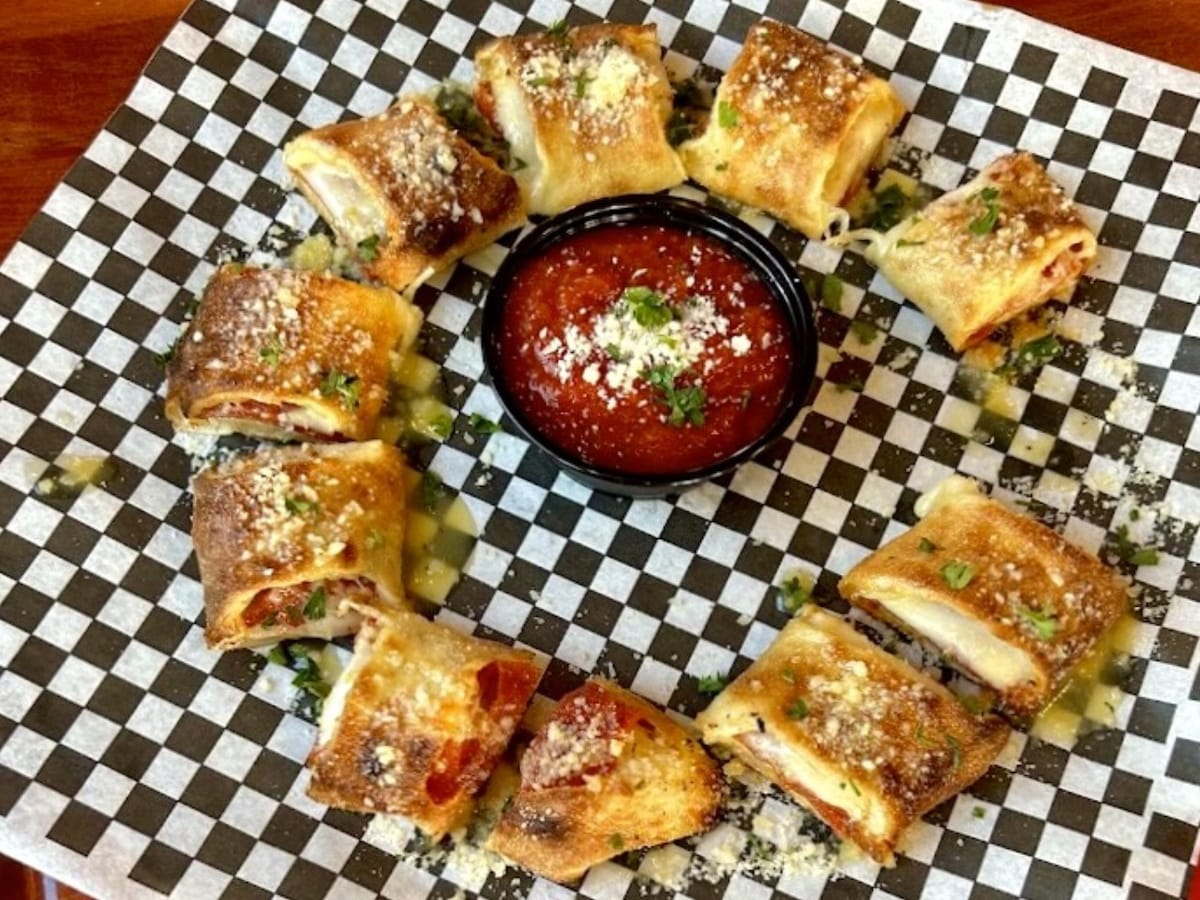
Pittsburgh Food Tour: Icons, Eats & Stories
Fri, Feb 13 • 11:00 AM
Pittsburgh, Pennsylvania, 15222
View details

The Pittsburgh Honky Tonk presents Heartbreak Hotel at Spirit Hall
Sat, Feb 14 • 6:00 PM
242 51st Street Pittsburgh, PA 15201
View details

Art Battle Pittsburgh - February 19, 2026
Thu, Feb 19 • 7:00 PM
1020 North Canal Street Sharpsburg, PA 15215
View details
Nearby attractions of Carrie Furnace Tour
Rivers of Steel: Carrie Blast Furnaces National Historic Landmark
Switch and Signal Skatepark
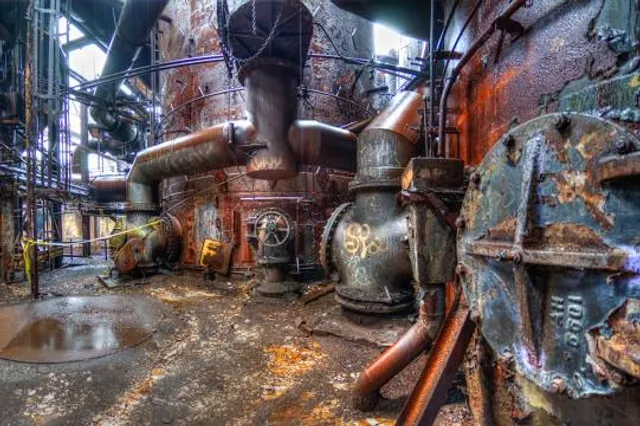
Rivers of Steel: Carrie Blast Furnaces National Historic Landmark
4.7
(439)
Open until 12:00 AM
Click for details
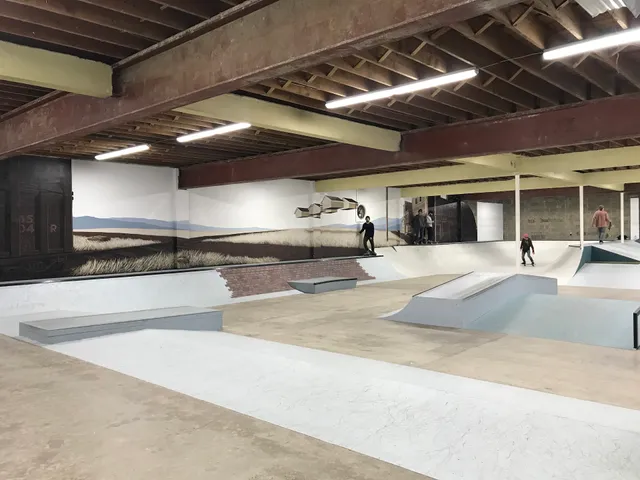
Switch and Signal Skatepark
4.8
(143)
Closed
Click for details
Nearby restaurants of Carrie Furnace Tour
Triangle Bar & Grill
Wilson’s Nite Out
DiSalla's Pizza Munhall “The Junction”
Swissvale Dari Delite
T's Restaurant & Lounge
House of Subs Rudy's
Murray's Cafe
China House II
Boomerang Bar
GoodFellas Restaurant & Tavern
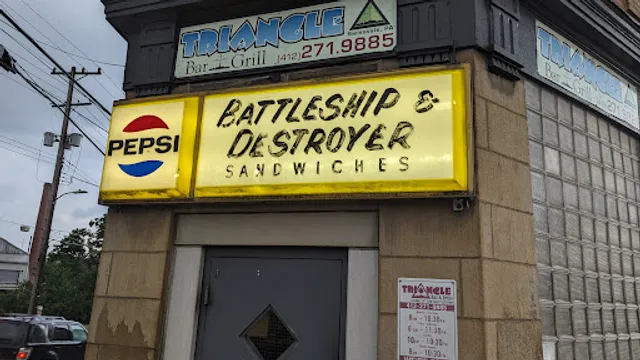
Triangle Bar & Grill
4.6
(1.4K)
$
Closed
Click for details
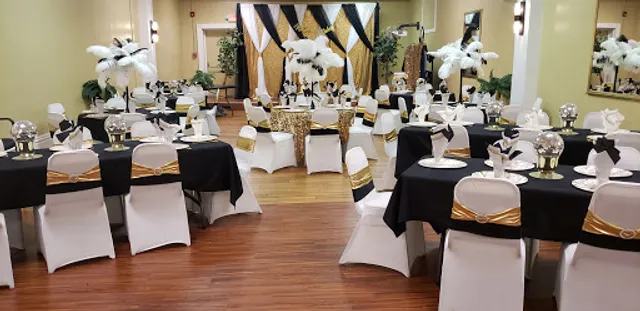
Wilson’s Nite Out
4.2
(74)
$
Closed
Click for details
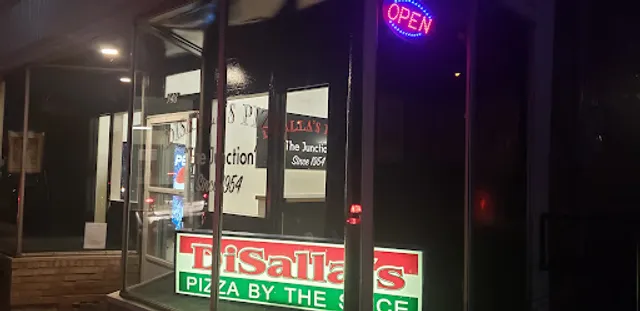
DiSalla's Pizza Munhall “The Junction”
4.6
(345)
$
Closed
Click for details
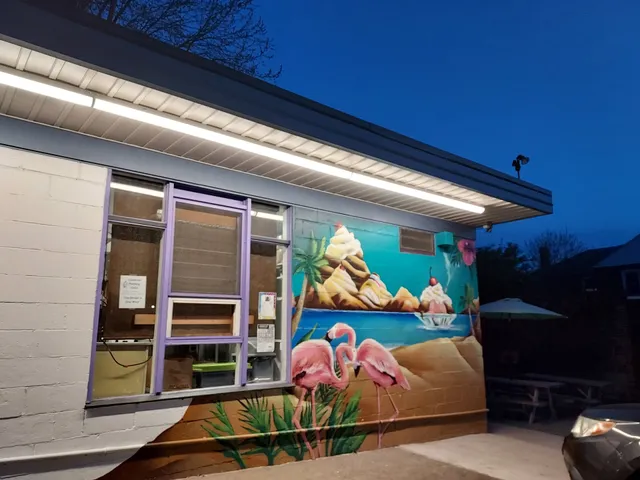
Swissvale Dari Delite
4.9
(168)
$
Click for details
Nearby local services of Carrie Furnace Tour
Pittsburgh Irish Festival Inc
Styles Unlimited Hair Studio
Dollar General
Noble Mart
Car Audio Pittsburgh - Cazillia Audio
Swissvale Bowl-A-Rama
CVS
Still Mill Distillery
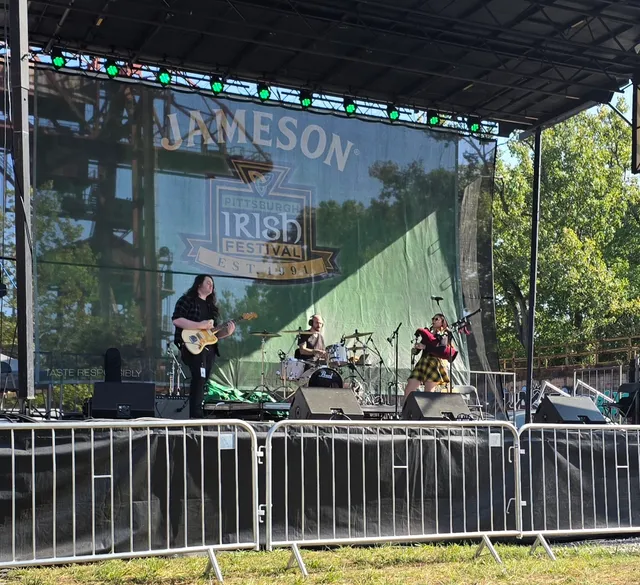
Pittsburgh Irish Festival Inc
4.1
(53)
Click for details
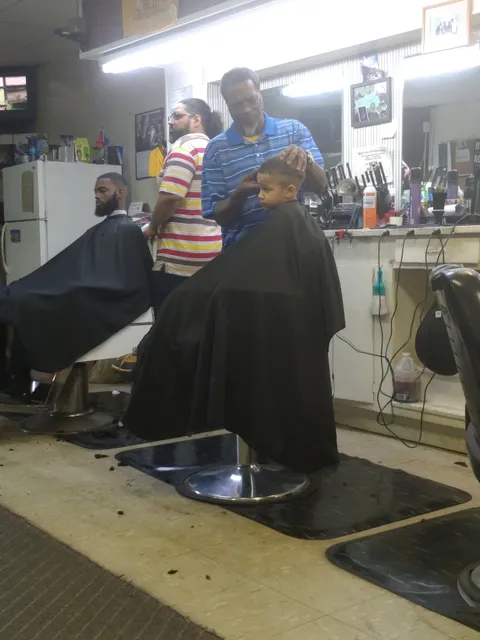
Styles Unlimited Hair Studio
4.8
(55)
Click for details

Dollar General
3.5
(172)
Click for details
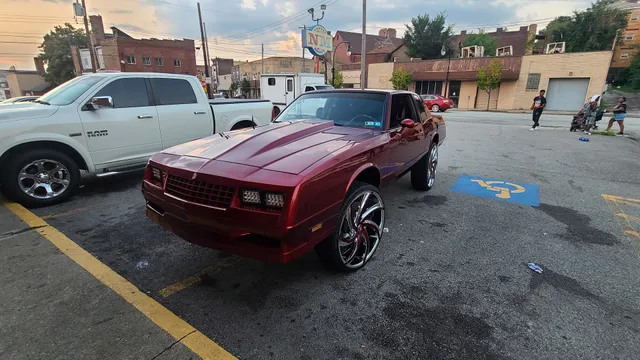
Noble Mart
4.3
(72)
Click for details