InfoAge Science and History Museums things to do, attractions, restaurants, events info and trip planning

Basic Info
InfoAge Science and History Museums
2201 Marconi Rd Building 9010-A, Wall Township, NJ 07719
4.8(88)
Open until 12:00 AM
tickets
Save
spot
spot
Ratings & Description
Info
Cultural
Entertainment
Family friendly
Accessibility
attractions: InfoAge - Camp Evans Historic District, Military Technology Museum of New Jersey, ISEC The InfoAge Space Exploration Center, Diana Site, Wall Township Off Leash Dog Park, restaurants: Chocolate Carousel, Anthony's Pizza, local businesses: Vintage Computer Federation, Brookdale Community College, Wall Campus, Octopus Yachts: Marine Electrical Systems
 Learn more insights from Wanderboat AI.
Phone
(732) 280-3000
Website
infoage.org
Open hoursSee all hours
MonClosedOpen
Plan your stay

Pet-friendly Hotels in Wall Township
Find a cozy hotel nearby and make it a full experience.

Affordable Hotels in Wall Township
Find a cozy hotel nearby and make it a full experience.

The Coolest Hotels You Haven't Heard Of (Yet)
Find a cozy hotel nearby and make it a full experience.

Trending Stays Worth the Hype in Wall Township
Find a cozy hotel nearby and make it a full experience.
Reviews
Live events

Nick and Nicks Community Event II
Tue, Feb 24 • 6:00 PM
1 Joda Drive Freehold Township, NJ 07728
View details

Princess Tea Party with Rapunzel
Wed, Feb 25 • 6:30 PM
600 Main Street Toms River, NJ 08753
View details

Ribbon Cutting and Pre-Purim Party
Sun, Mar 1 • 10:00 AM
1700 Madison Avenue #Unit 10 Lakewood, NJ 08701
View details
Nearby attractions of InfoAge Science and History Museums
InfoAge - Camp Evans Historic District
Military Technology Museum of New Jersey
ISEC The InfoAge Space Exploration Center
Diana Site
Wall Township Off Leash Dog Park
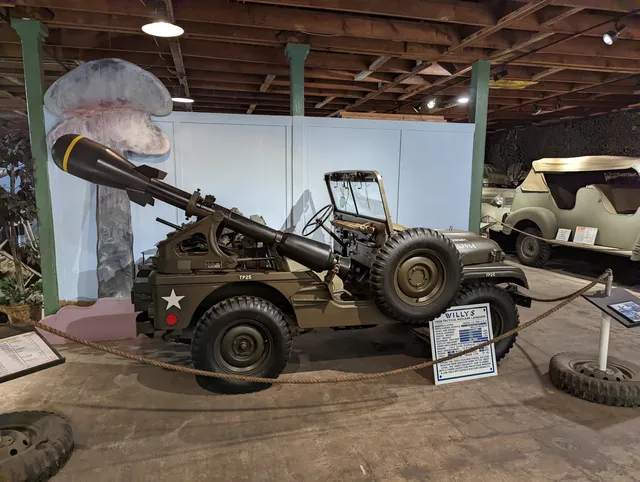
InfoAge - Camp Evans Historic District
4.8
(94)
Open until 12:00 AM
Click for details

Military Technology Museum of New Jersey
4.9
(24)
Open until 12:00 AM
Click for details

ISEC The InfoAge Space Exploration Center
4.8
(19)
Open until 12:00 AM
Click for details

Diana Site
4.7
(11)
Open until 12:00 AM
Click for details
Nearby restaurants of InfoAge Science and History Museums
Chocolate Carousel
Anthony's Pizza
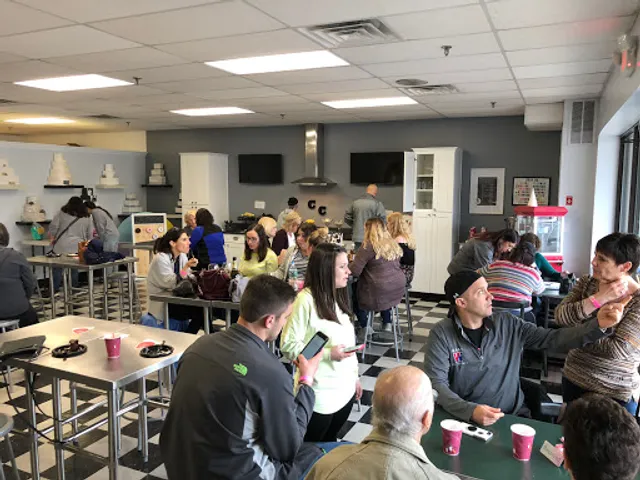
Chocolate Carousel
4.7
(156)
$$
Open until 12:00 AM
Click for details
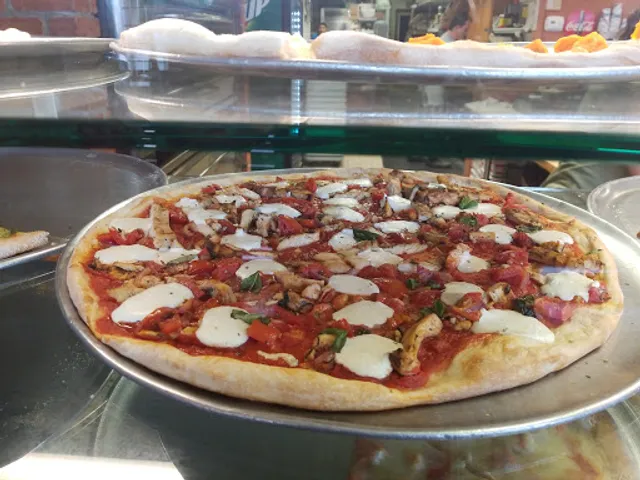
Anthony's Pizza
4.5
(163)
$
Closed
Click for details
Nearby local services of InfoAge Science and History Museums
Vintage Computer Federation
Brookdale Community College, Wall Campus
Octopus Yachts: Marine Electrical Systems
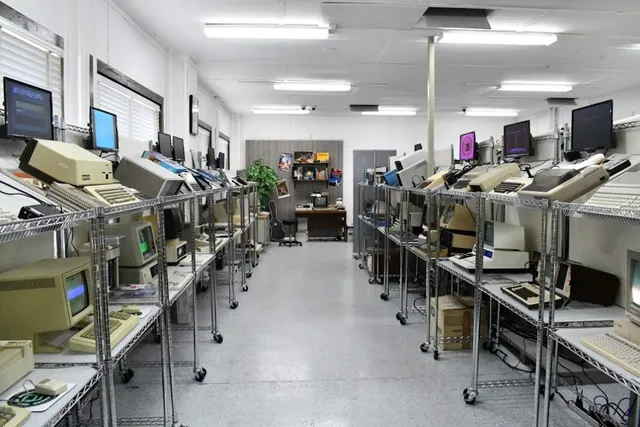
Vintage Computer Federation
4.8
(23)
Click for details
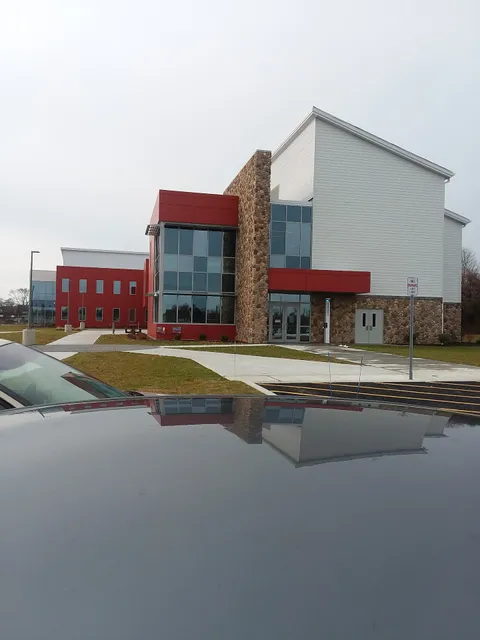
Brookdale Community College, Wall Campus
4.3
(8)
Click for details
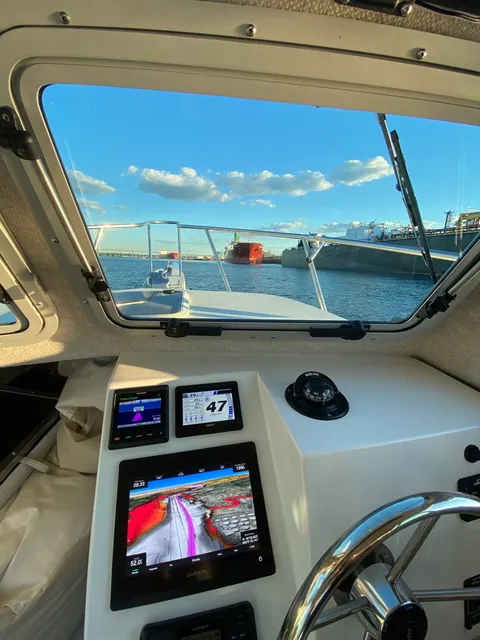
Octopus Yachts: Marine Electrical Systems
4.4
(31)
Click for details