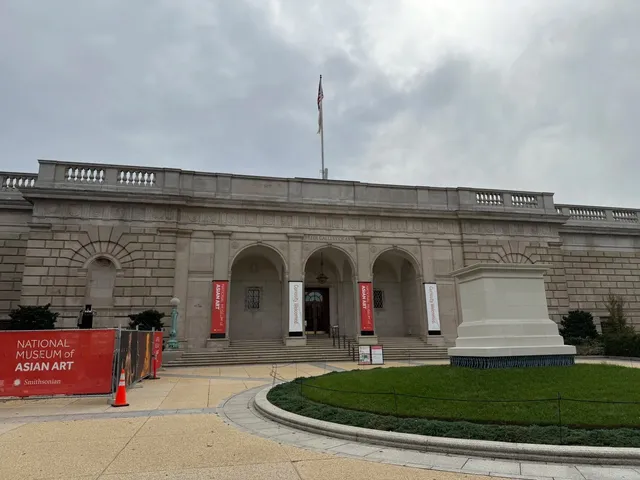
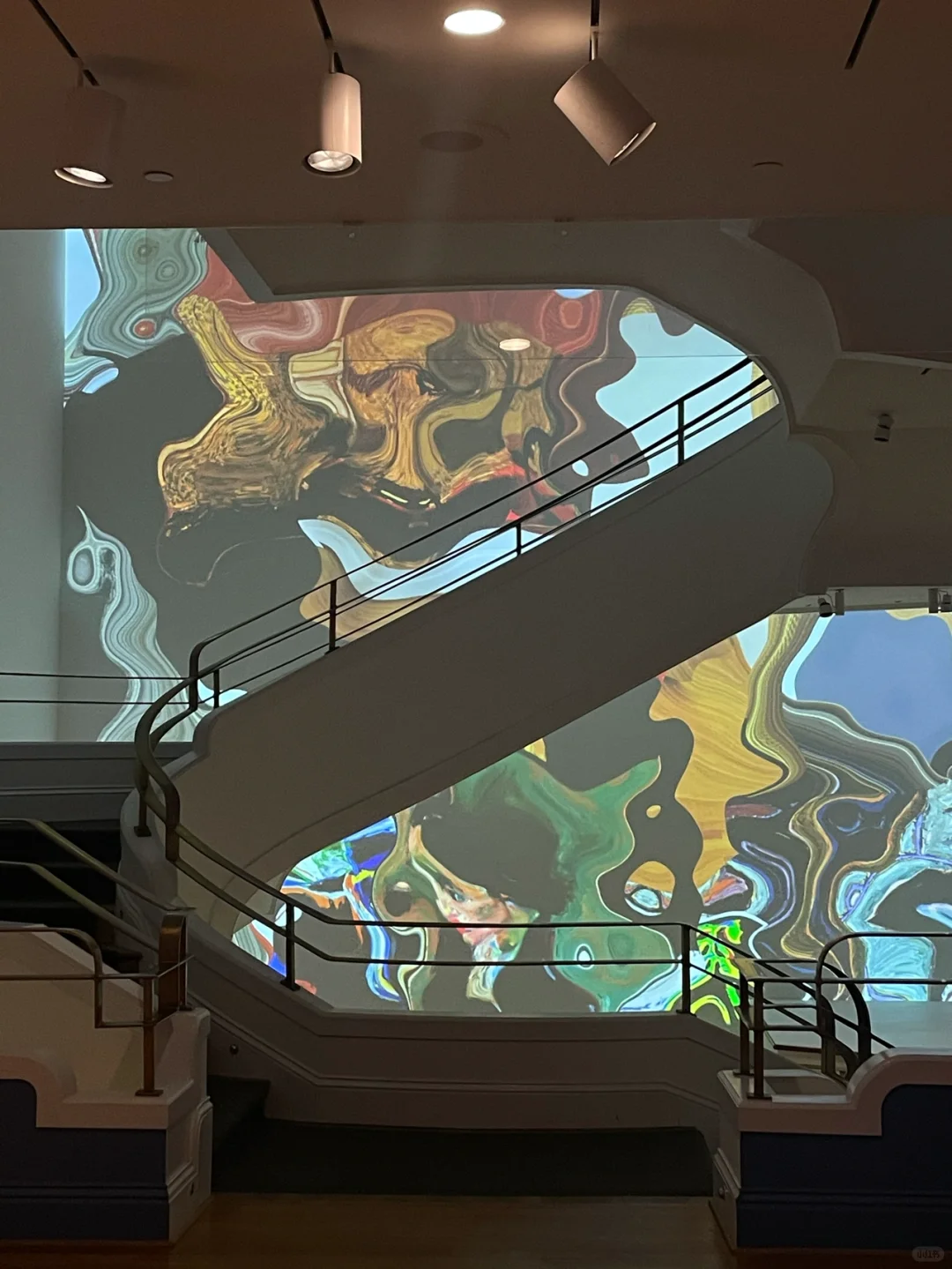
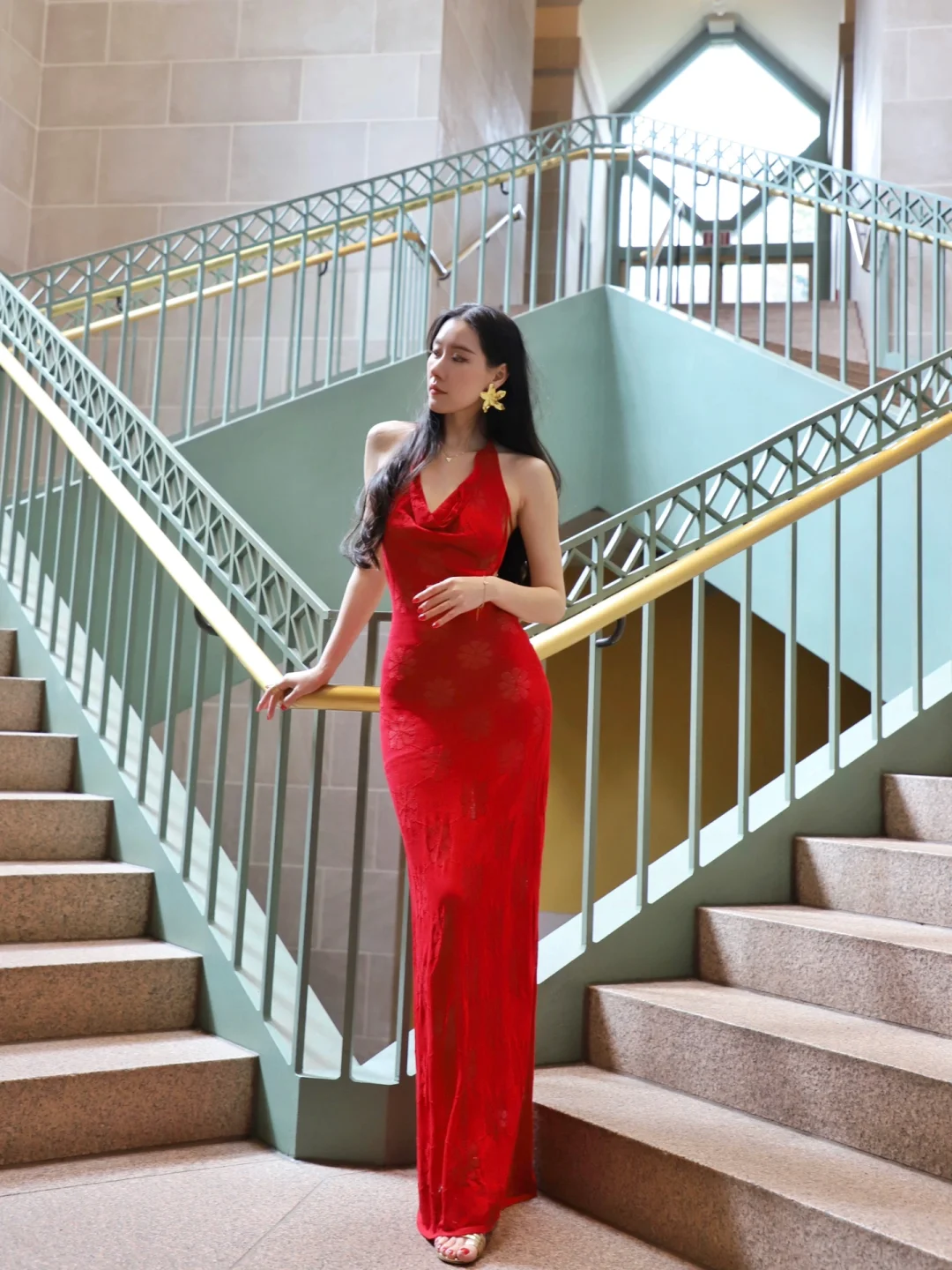
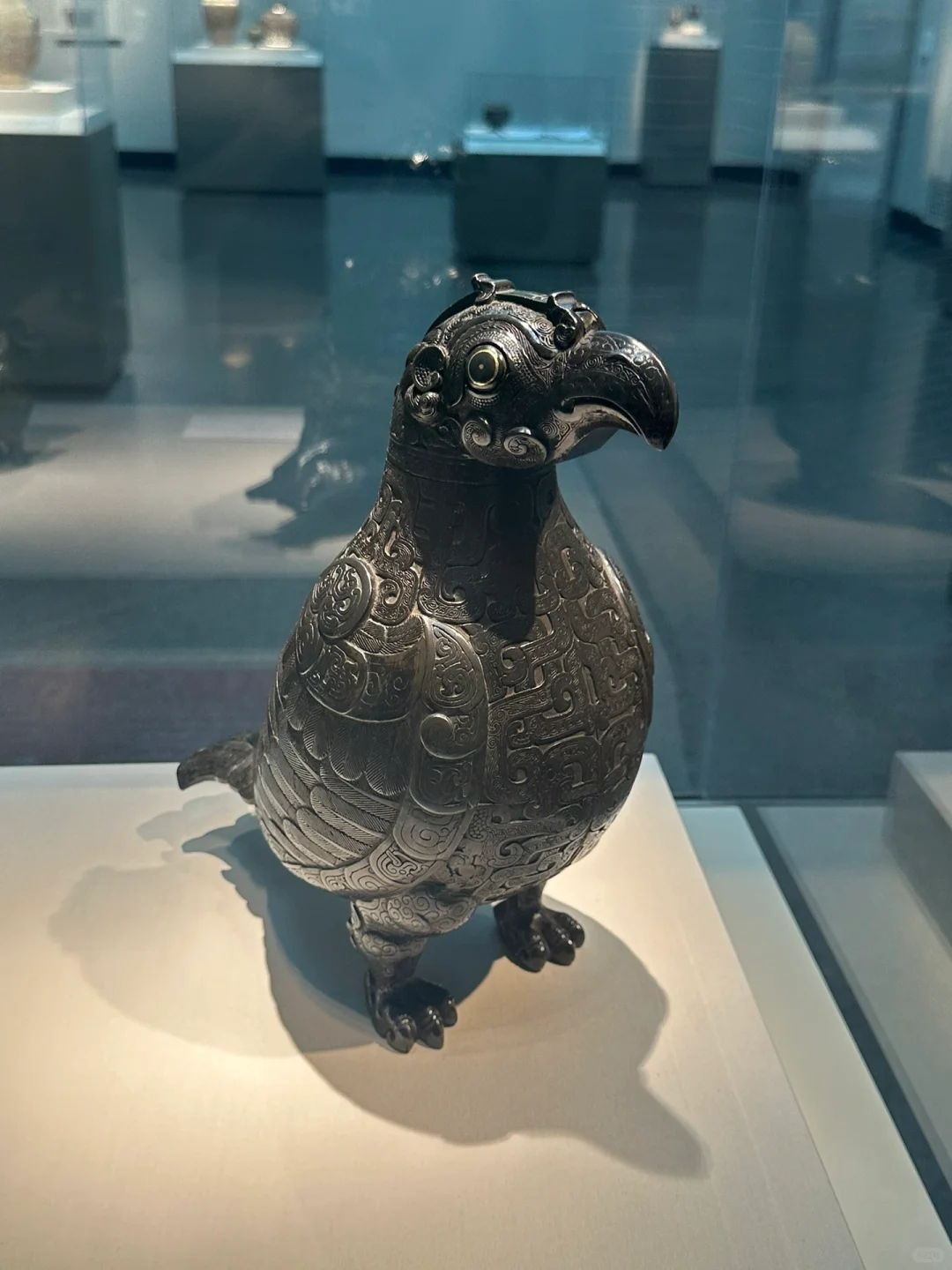
National Museum of Asian Art things to do, attractions, restaurants, events info and trip planning
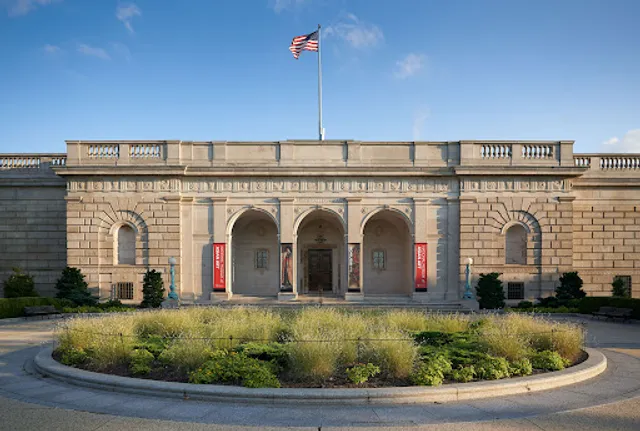
Basic Info
National Museum of Asian Art
1050 Independence Ave SW, Washington, DC 20004
4.7(1.1K)
Closed
Save
spot
spot
Ratings & Description
Info
Cultural
Family friendly
Accessibility
attractions: S. Dillon Ripley Center, Smithsonian National Museum of Natural History, Smithsonian Castle, Enid A. Haupt Garden, Smithsonian National Museum of African Art, National museum Asian art, Smithsonian National Museum of American History, The Moongate Garden, Hirshhorn Museum, Smithsonian Arts + Industries Building, restaurants: USDA Food Hall, Castle Café, Dolcezza at the Hirshhorn, US Holocaust Museum Cafe, Pavilion Café, West Wing Cafe, Ocean Terrace Cafe, Refreshment Food Store, Cafe Twelve, Sandella’s Flatbread Café, local businesses: National Museum of Asian Art, Smithsonian, USDA Farmers Market, National museum Asian art, Smithsonian Associates, L'Enfant Plaza, Smithsonian National Museum of Natural History Store, National Museum of Natural History Food Kiosk, US Department of Agriculture, US Agricultural Research Services
 Learn more insights from Wanderboat AI.
Phone
(202) 633-1000
Website
asia.si.edu
Open hoursSee all hours
Tue10 AM - 5:30 PMClosed
Plan your stay

Pet-friendly Hotels in Washington
Find a cozy hotel nearby and make it a full experience.

Affordable Hotels in Washington
Find a cozy hotel nearby and make it a full experience.

The Coolest Hotels You Haven't Heard Of (Yet)
Find a cozy hotel nearby and make it a full experience.

Trending Stays Worth the Hype in Washington
Find a cozy hotel nearby and make it a full experience.
Reviews
Live events
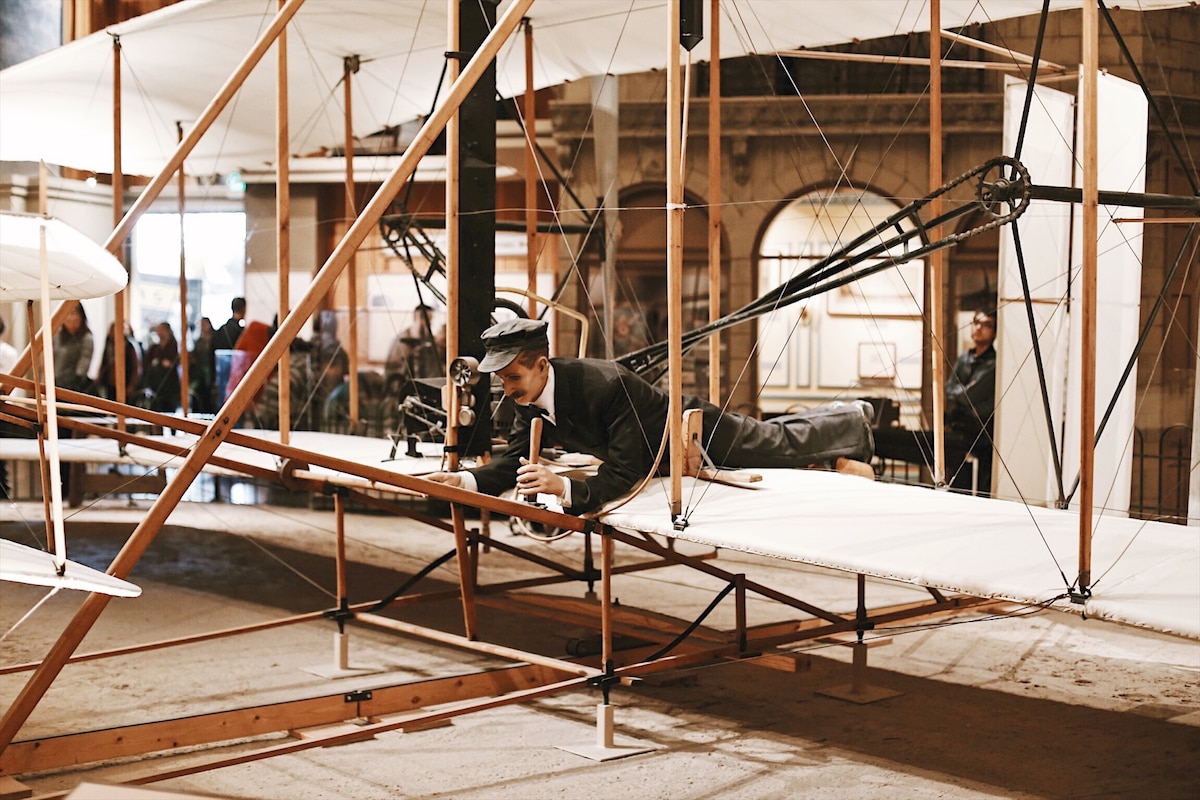
Explore the Air & Space Museum with expert guides
Wed, Jan 28 • 1:30 PM
Washington, District of Columbia, 20560
View details

A Starry Sky Above the Roman Ghetto
Tue, Jan 27 • 4:00 PM
3000 Whitehaven St, NW Washington, DC 20008
View details

Youth Hip-Hop (Beginners) Class
Tue, Jan 27 • 6:00 PM
6192 Greenbelt Road Greenbelt, MD 20770
View details
Nearby attractions of National Museum of Asian Art
S. Dillon Ripley Center
Smithsonian National Museum of Natural History
Smithsonian Castle
Enid A. Haupt Garden
Smithsonian National Museum of African Art
National museum Asian art
Smithsonian National Museum of American History
The Moongate Garden
Hirshhorn Museum
Smithsonian Arts + Industries Building
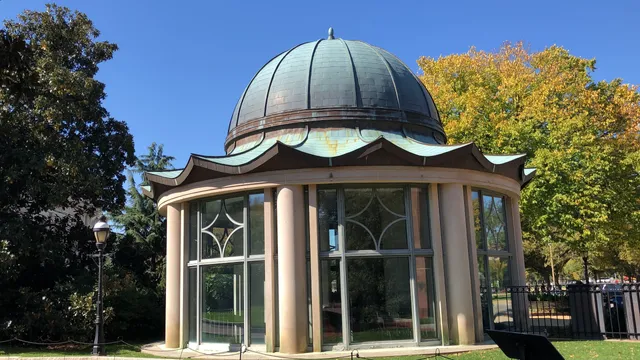
S. Dillon Ripley Center
4.5
(626)
Closed
Click for details
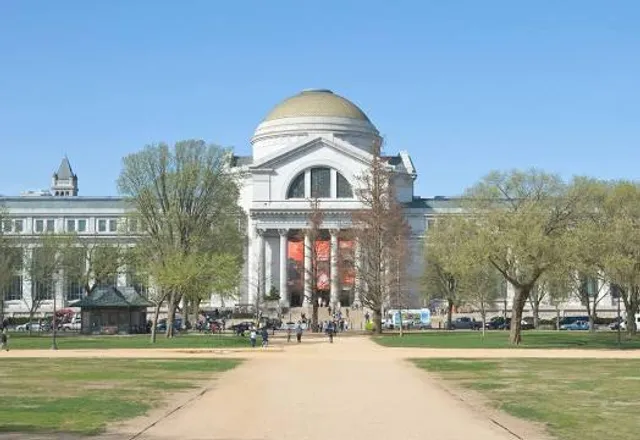
Smithsonian National Museum of Natural History
4.8
(20.7K)
Closed
Click for details
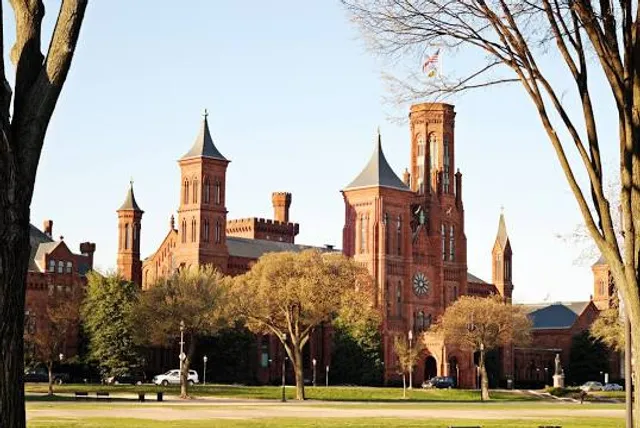
Smithsonian Castle
4.5
(525)
Open 24 hours
Click for details
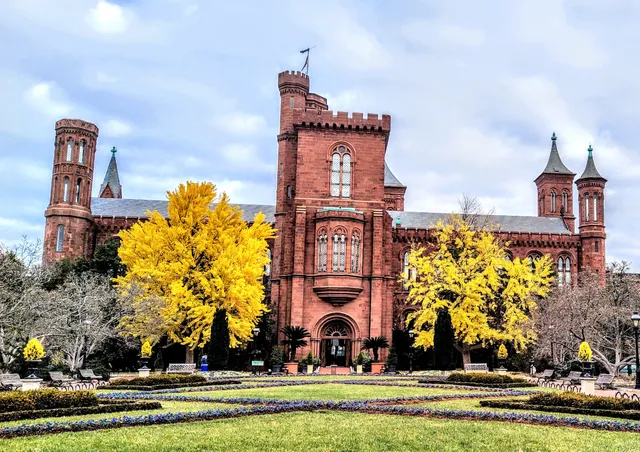
Enid A. Haupt Garden
4.8
(364)
Closed
Click for details
Nearby restaurants of National Museum of Asian Art
USDA Food Hall
Castle Café
Dolcezza at the Hirshhorn
US Holocaust Museum Cafe
Pavilion Café
West Wing Cafe
Ocean Terrace Cafe
Refreshment Food Store
Cafe Twelve
Sandella’s Flatbread Café
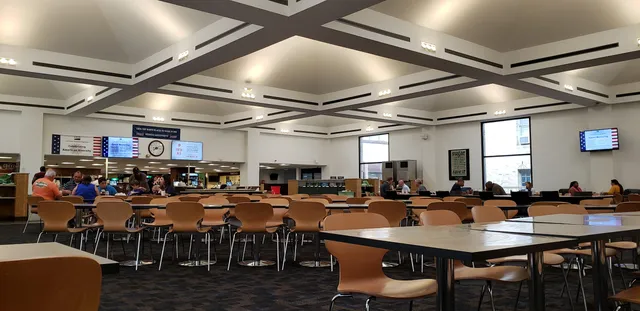
USDA Food Hall
4.0
(261)
$
Closed
Click for details
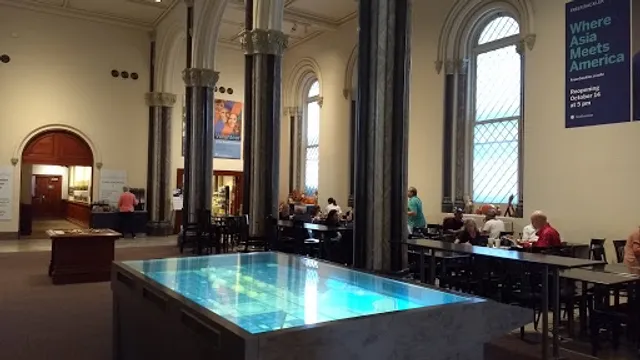
Castle Café
2.6
(35)
Click for details

Dolcezza at the Hirshhorn
3.7
(93)
$
Closed
Click for details
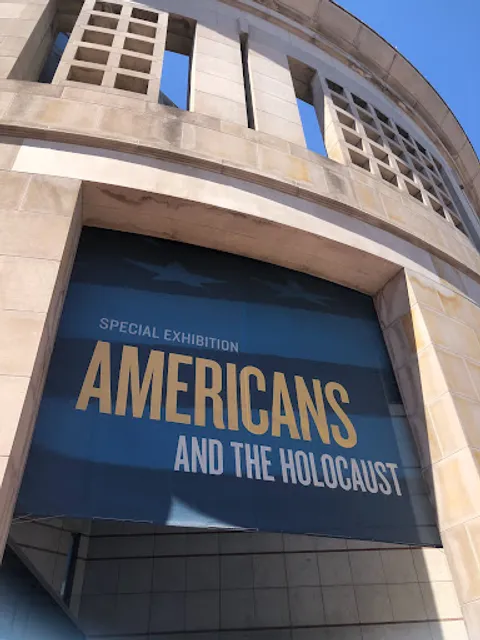
US Holocaust Museum Cafe
4.3
(651)
$
Closed
Click for details
Nearby local services of National Museum of Asian Art
National Museum of Asian Art
Smithsonian
USDA Farmers Market
National museum Asian art
Smithsonian Associates
L'Enfant Plaza
Smithsonian National Museum of Natural History Store
National Museum of Natural History Food Kiosk
US Department of Agriculture
US Agricultural Research Services
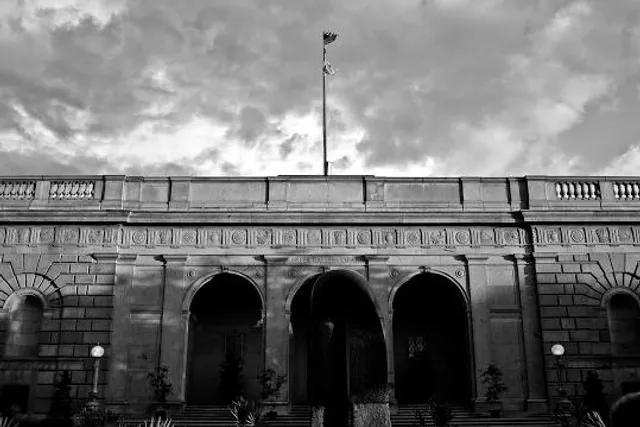
National Museum of Asian Art
4.7
(806)
Click for details
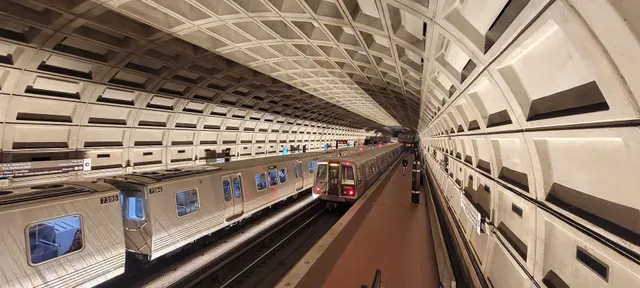
Smithsonian
4.4
(122)
Click for details
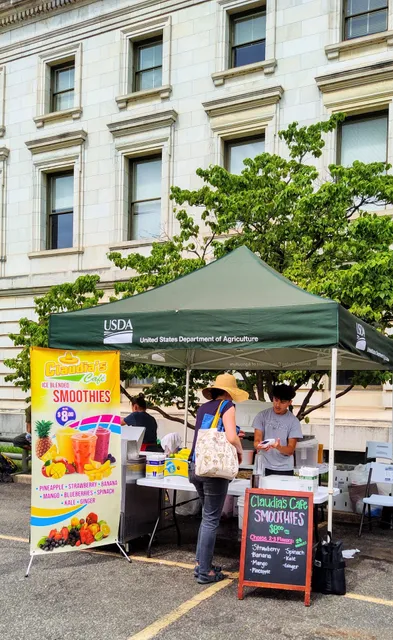
USDA Farmers Market
4.8
(35)
Click for details
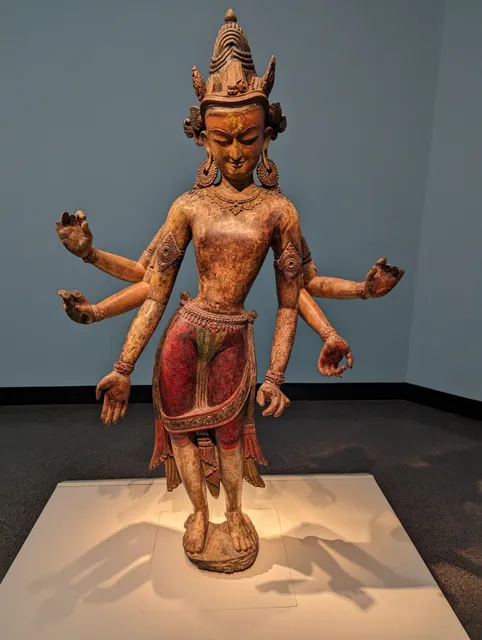
National museum Asian art
4.7
(11)
Click for details