Palestine Museum things to do, attractions, restaurants, events info and trip planning
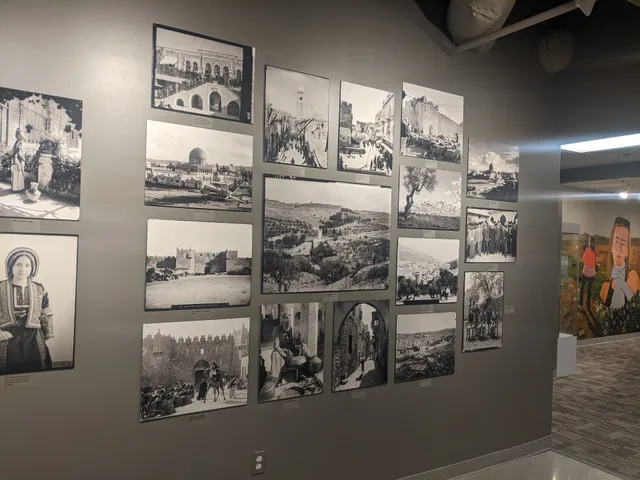
Basic Info
Palestine Museum
1764 Litchfield Turnpike, Woodbridge, CT 06525
4.6(78)
Open until 12:00 AM

tickets
Save
spot
spot
Ratings & Description
Info
Cultural
Family friendly
Accessibility
attractions: , restaurants: Solun Tapas Bar, Katz's Deli Restaurant, New England Brewing Company - Woodbridge, CRUNCH BOREKS CT, Thai Stories Restaurant, Micro Creamery Of Connecticut, El gallo Mexican deli restaurant, Starbucks, Subway, Neat Sweets Baking Company, local businesses: Palestine Museum, Brookside Farm Market, Modern Trousseau New Haven, Amity Bowl, Air Temple Arts, Connecticut Sports Center, Planet Fitness, The Clay Date, JCC of Greater New Haven, Prime Storage
 Learn more insights from Wanderboat AI.
Phone
(203) 530-2248
Website
palestinemuseum.us
Open hoursSee all hours
Tue11 AM - 5 PMOpen
Plan your stay

Pet-friendly Hotels in Woodbridge
Find a cozy hotel nearby and make it a full experience.

Affordable Hotels in Woodbridge
Find a cozy hotel nearby and make it a full experience.

The Coolest Hotels You Haven't Heard Of (Yet)
Find a cozy hotel nearby and make it a full experience.

Trending Stays Worth the Hype in Woodbridge
Find a cozy hotel nearby and make it a full experience.
Reviews
Live events

Yellow King Brews Happy Hour
Tue, Feb 10 • 6:00 PM
920 South Colony Road Wallingford, CT 06492
View details

Speed Dating Ages 30s-40s in Milford, CT at Chimichurri
Tue, Feb 10 • 7:00 PM
2 Schooner Lane #2-118, Milford, CT 06460
View details

Shades of Yale Valentines Jam 2026
Fri, Feb 13 • 7:00 PM
Sudler Hall New Haven, CT 06511
View details
Nearby restaurants of Palestine Museum
Solun Tapas Bar
Katz's Deli Restaurant
New England Brewing Company - Woodbridge
CRUNCH BOREKS CT
Thai Stories Restaurant
Micro Creamery Of Connecticut
El gallo Mexican deli restaurant
Starbucks
Subway
Neat Sweets Baking Company
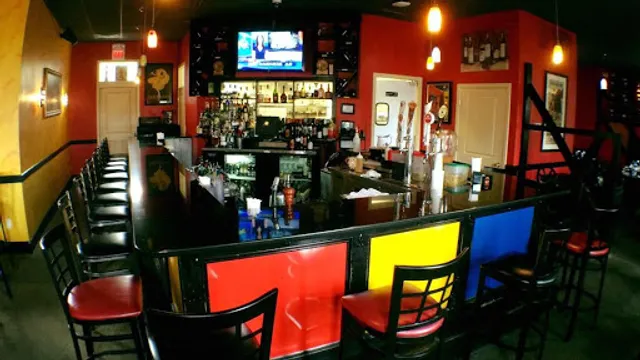
Solun Tapas Bar
4.3
(261)
$$
Open until 12:00 AM
Click for details
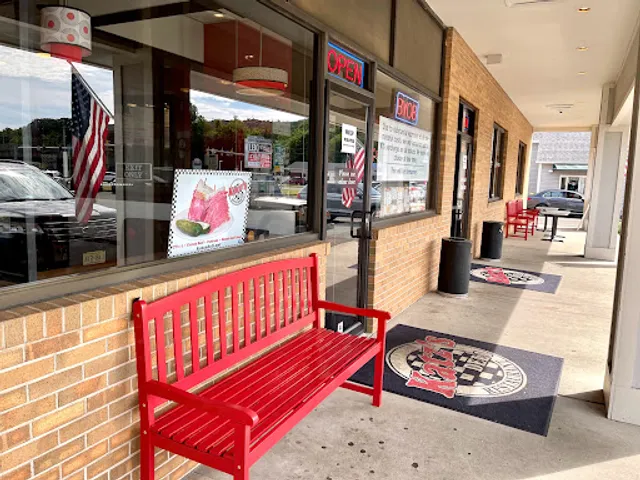
Katz's Deli Restaurant
4.4
(1.4K)
$
Open until 8:00 PM
Click for details
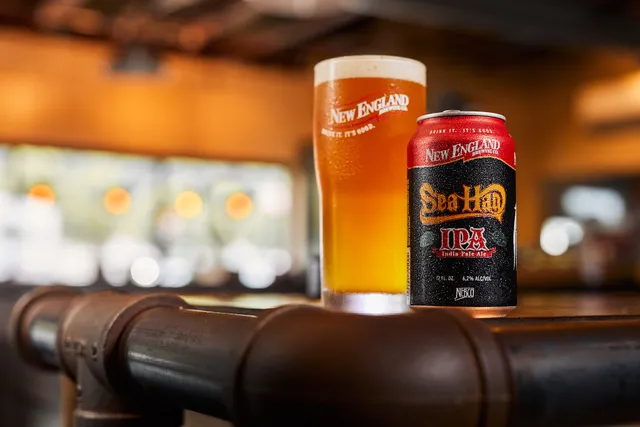
New England Brewing Company - Woodbridge
4.8
(305)
Open until 9:00 PM
Click for details
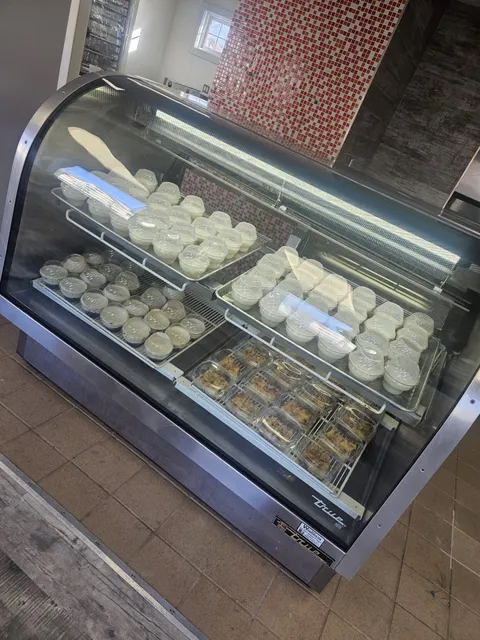
CRUNCH BOREKS CT
4.9
(39)
$
Open until 6:30 PM
Click for details
Nearby local services of Palestine Museum
Palestine Museum
Brookside Farm Market
Modern Trousseau New Haven
Amity Bowl
Air Temple Arts
Connecticut Sports Center
Planet Fitness
The Clay Date
JCC of Greater New Haven
Prime Storage
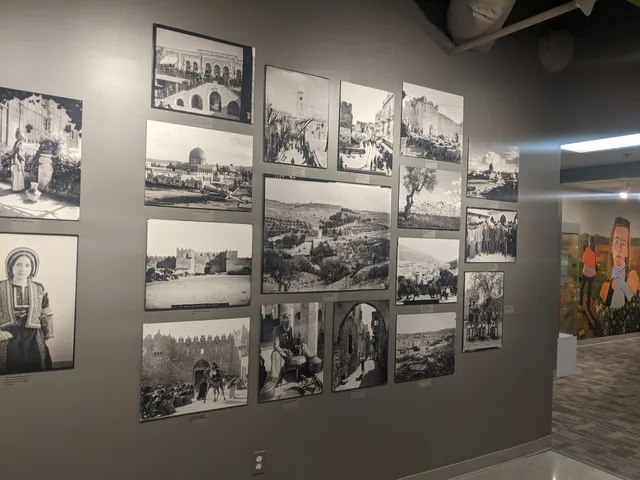
Palestine Museum
4.6
(35)
Click for details
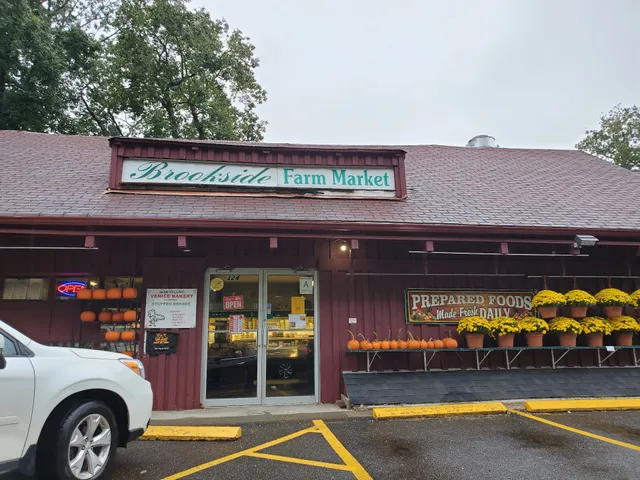
Brookside Farm Market
4.5
(43)
Click for details
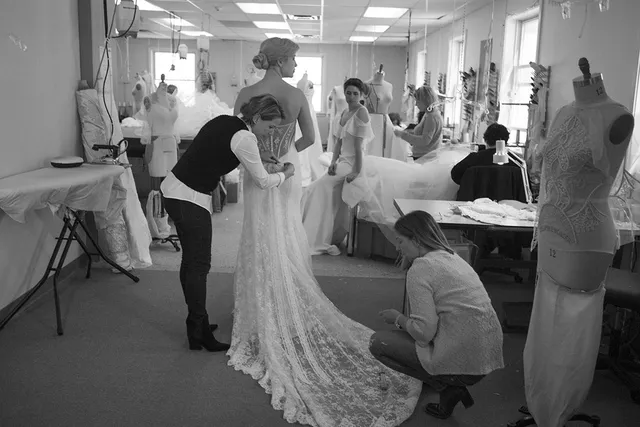
Modern Trousseau New Haven
5.0
(8)
Click for details

Amity Bowl
4.2
(254)
Click for details