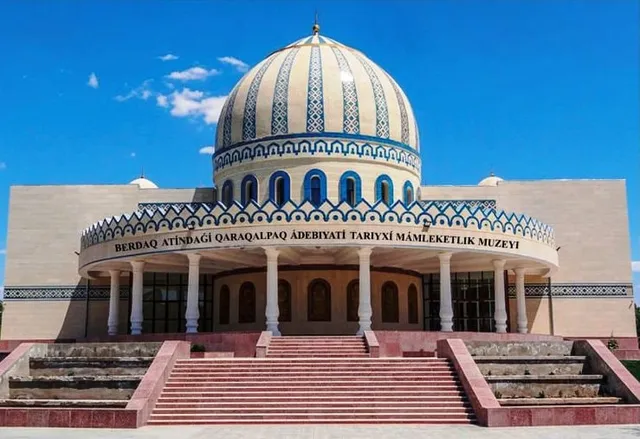
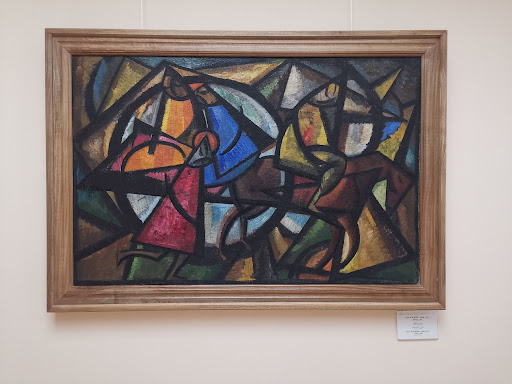
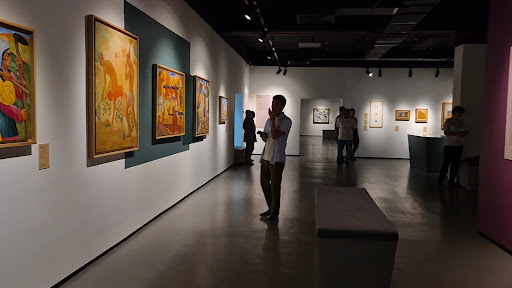
I.V.Savitsky, fascinated by the discovery of the civilization of Ancient Khorezm, inspired by the variety of landscapes, deserts and low mountains of the Karakalpak land, embarked on the salvation of the amazing culture of its people. And his historical mission was, while preserving the folk art of the Karakalpaks, to gradually move to the no less humanistic task of saving the works of Russian avant-garde artists from the 1920s - 1930s from death.There are collection comprises over 90,000 exhibits of various kinds there. The items are displayed in three buildings with a total area of almost 7,000 sq. m. The museum exhibitions consist of the Ancient Art, the Applied Folk Arts of Karakalpaks, the Uzbek and the Russian paintings of the 1920-1930s, as well as the contemporary art of Karakalpakstan. Now the museum is well-known. Our museum was included in the touristic route of the “Golden Ring of Khorezm” organized with UNESCO. People all over the world come to see our museum. It is recognized one of the most visited museums of Uzbekistan and in 2011 it was awarded with the Diploma “The museum is worthy of tourists’ attention” for its active attraction of tourists to our Republic.
You can visit:The Museum working hours:
Monday closed Tuesday - Wednesday - Friday 9.00-18.00 Thursday 9.00-19.00 Saturday - Sunday ...
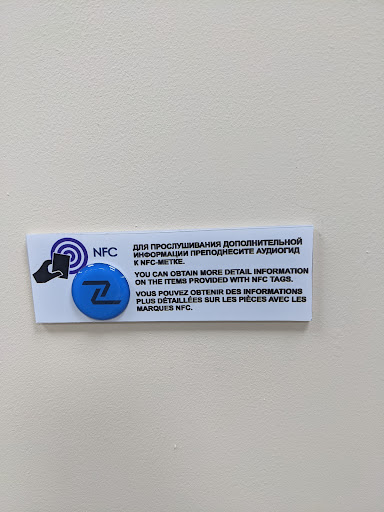
Read moreMy review is not for the art itself but for the poor reception of the staff and the rude way they treated us. We have traveled all over Uzbekistan and truly fallen in love with this country. We ha e been especially impressed with it's museums and its museums' staffs. That was not the case here. Very few American tourists would drive all the way to Nukus to see an art museum like we did. We had read lots about this museum and we're really interested in seeing it so it was worth the trip to us. I kept seeing these signs posted IN ENGLISH near the art but I didn't understand what I was supposed to do. I asked a woman in my poor Russian and she told me "audio-guide". No one had offered us an audio guide. So we just wandered around with no your guide, no assistant, no audio guide, and no way to know which were the specific paintings we were there to see. We wanted to see the ones that had been banned during Soviet times. They also followed us around as if they thought we were criminals. I understand security, but this took security to a higher level. Every time we took a step they took a step. They followed us closely everywhere. It was creepy and rude. We're history teachers and art lovers and we drove all the way there just to see the museum and they made us feel completely unwanted. The staff at this museum did not represent the Uzbekistan we have seen...
Read moreSavitsky Karakalpkstan Art Museum.
Nestled in the remote desert city of Nukus, Uzbekistan, the Savitsky Art Museum is one of the most remarkable and unexpected cultural treasures in Central Asia. Officially known as the State Museum of Arts of the Republic of Karakalpakstan, it houses the world’s second-largest collection of Russian avant-garde art, second only to the Russian Museum in St. Petersburg.
The museum was founded by Igor Savitsky, a passionate painter and collector who defied Soviet censorship. Savitsky began collecting art in the 1950s, focusing on the banned and forgotten works of Russian and Uzbek avant-garde artists, considered “decadent bourgeois art”, who had been banned during the Stalinist regime and were at risk of destruction. Many of the artists he preserved had been repressed, imprisoned, or exiled to Central Asia.
Risking political persecution, he quietly gathered over 40,000 pieces of modernist art, ethnographic artifacts, and ancient Karakalpak relics. Thanks to his efforts, masterpieces that might have been destroyed were saved and brought to the desert, far from the eyes of Soviet officials. By saving their works, Savitsky earned a reputation as “the Schindler of Soviet art.”
The museum’s collection is a vivid blend of bold colors, experimental forms, and...
Read more