Long Son Pagoda things to do, attractions, restaurants, events info and trip planning
Basic Info
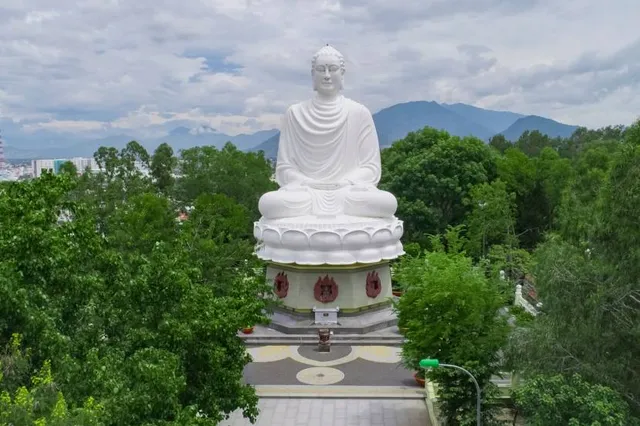
Long Son Pagoda
22 Đ. 23 Tháng 10, Phương Sài, Nha Trang, Khánh Hòa 650000, Vietnam
4.3(5.8K)
Open until 12:00 AM
Save
spot
spot
Ratings & Description
Info
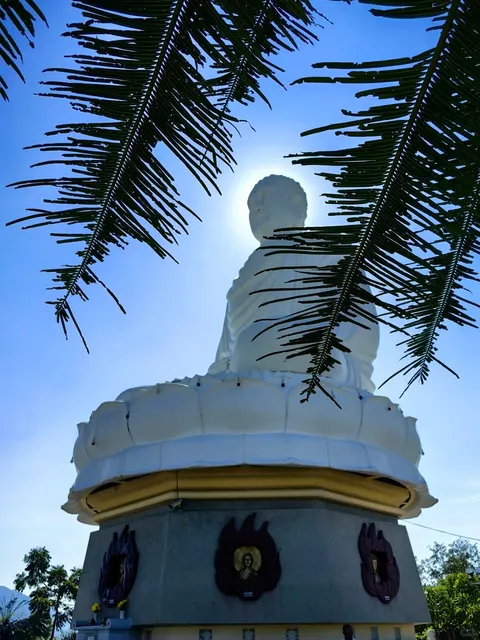
Long Sơn Temple is a Buddhist temple in the city of Nha Trang on South Central Coast of Vietnam. It is regarded as one of the main sites in the city, along with Hai Duc Temple.
Cultural
Outdoor
Accessibility
attractions: Mountain Church, restaurants: Quán Chay Thiền Duyệt (Vegetarian food), Cơm Tấm Trống Đồng - Hồng Bàng, Icepan Nha Trang, Gu Gà Quán Nha Trang, T&N Crab Tapioca Noodle Soup, Kichi LotteMart Nha Trang, KFC Lotte Mart Nha Trang, 華夏海鮮, ANDAO Coffee & Chocolate, The Pizza Company 23 Tháng 10, local businesses: Cathédrale du Roi (Église de pierre), Nha Trang Evangelical Church
 Learn more insights from Wanderboat AI.
Open hoursSee all hours
WedOpen 24 hoursOpen
Plan your stay

Pet-friendly Hotels in Nha Trang City
Find a cozy hotel nearby and make it a full experience.

Affordable Hotels in Nha Trang City
Find a cozy hotel nearby and make it a full experience.

The Coolest Hotels You Haven't Heard Of (Yet)
Find a cozy hotel nearby and make it a full experience.

Trending Stays Worth the Hype in Nha Trang City
Find a cozy hotel nearby and make it a full experience.
Reviews
Live events
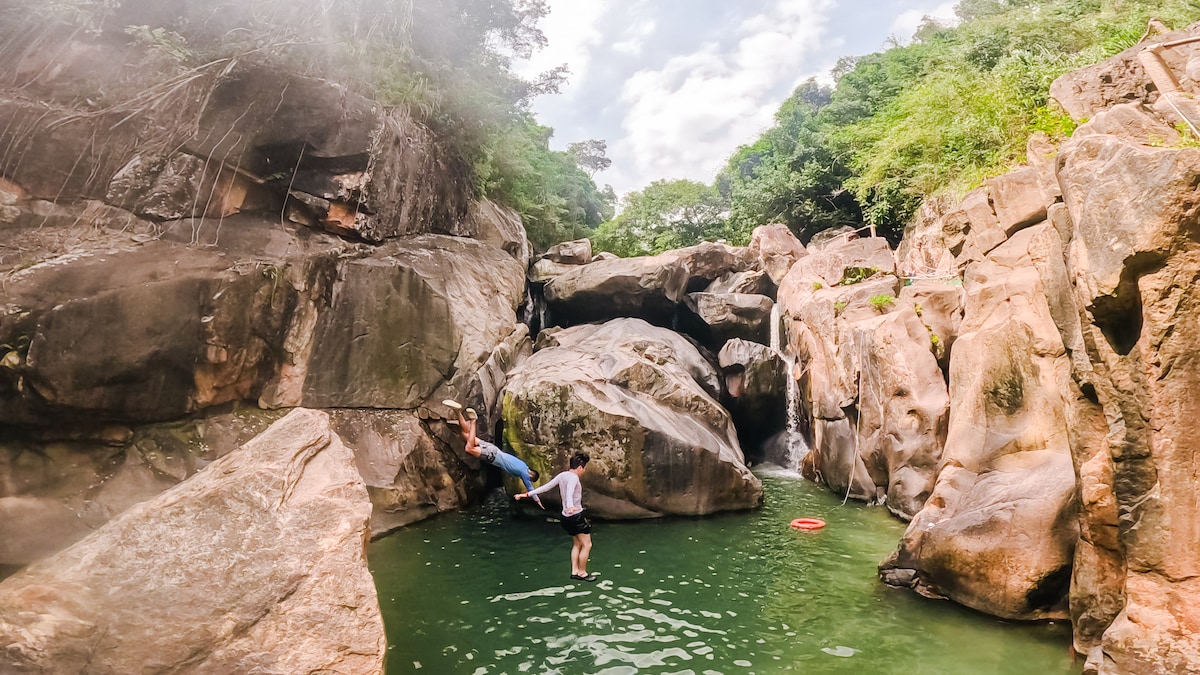
Hike to Ba Ho Waterfall & explore hidden cave
Wed, Feb 25 • 8:30 AM
Nha Trang, Khánh Hòa, 650000, Vietnam
View details
Nearby attractions of Long Son Pagoda
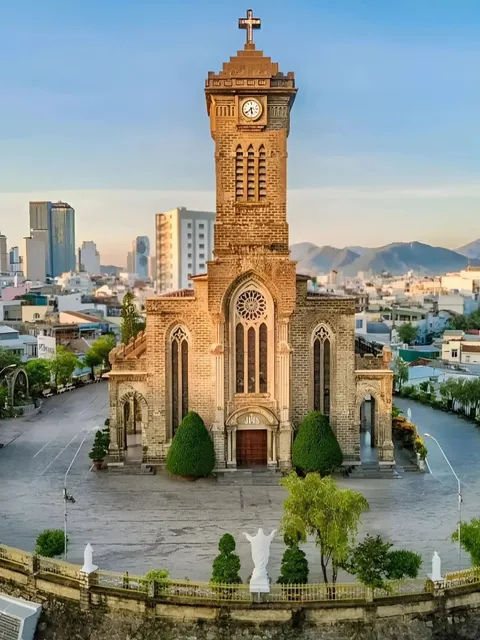
Mountain Church
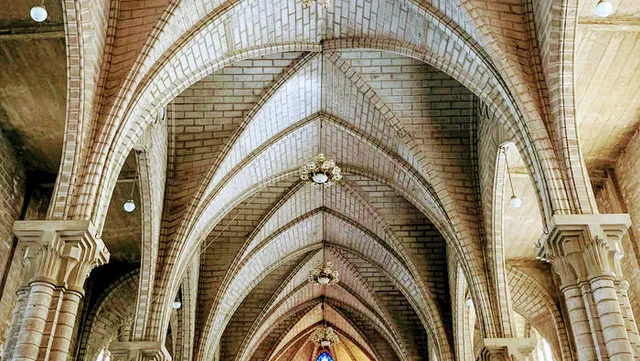
Mountain Church
4.1
(1.3K)
Open 24 hours
Click for details
Nearby restaurants of Long Son Pagoda
Quán Chay Thiền Duyệt (Vegetarian food)
Cơm Tấm Trống Đồng - Hồng Bàng
Icepan Nha Trang
Gu Gà Quán Nha Trang
T&N Crab Tapioca Noodle Soup
Kichi LotteMart Nha Trang
KFC Lotte Mart Nha Trang
華夏海鮮
ANDAO Coffee & Chocolate
The Pizza Company 23 Tháng 10
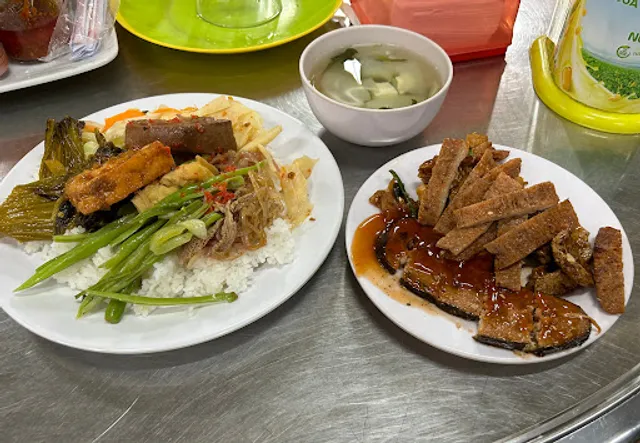
Quán Chay Thiền Duyệt (Vegetarian food)
4.2
(71)
Closed
Click for details
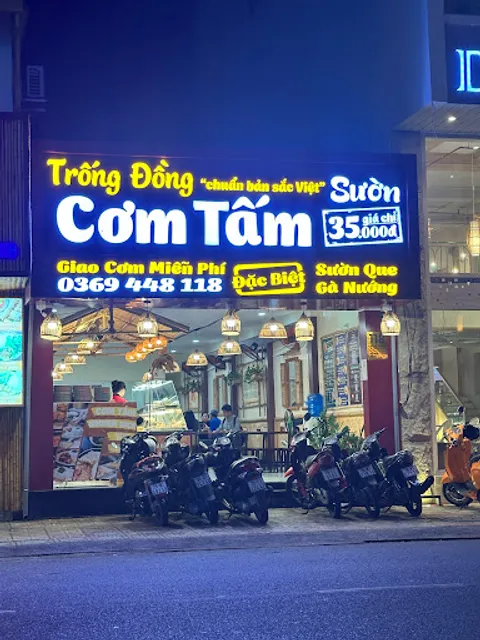
Cơm Tấm Trống Đồng - Hồng Bàng
4.2
(300)
Closed
Click for details
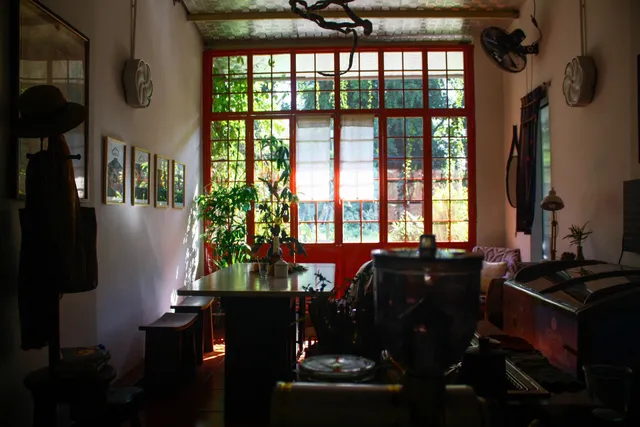
Icepan Nha Trang
4.9
(122)
Click for details
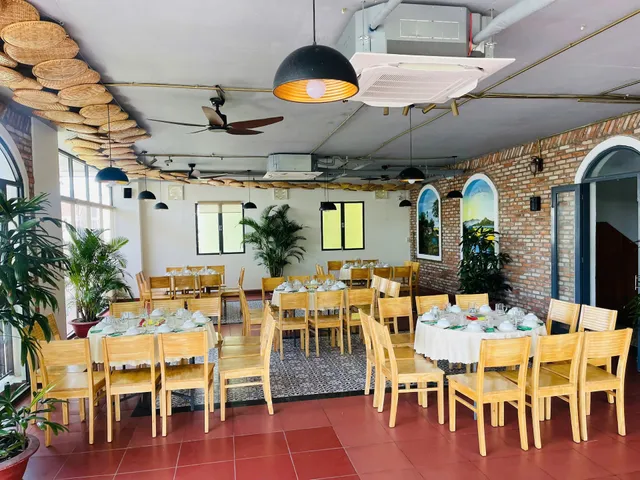
Gu Gà Quán Nha Trang
4.2
(124)
$$
Closed
Click for details
Nearby local services of Long Son Pagoda
Cathédrale du Roi (Église de pierre)
Nha Trang Evangelical Church
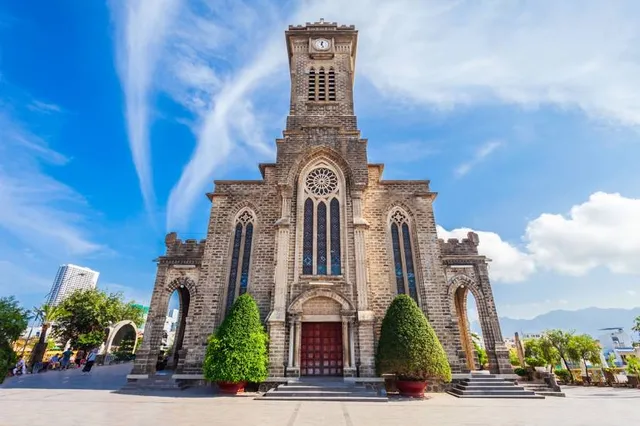
Cathédrale du Roi (Église de pierre)
4.3
(606)
Click for details
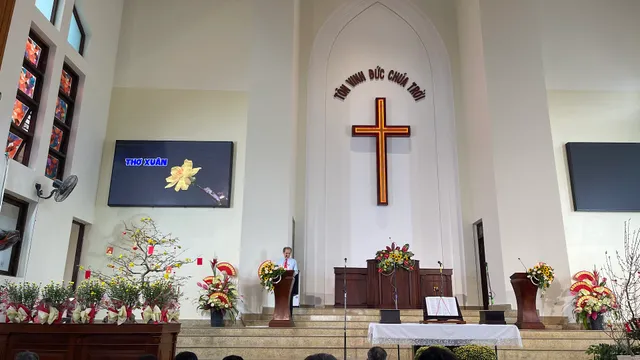
Nha Trang Evangelical Church
4.5
(66)
Click for details