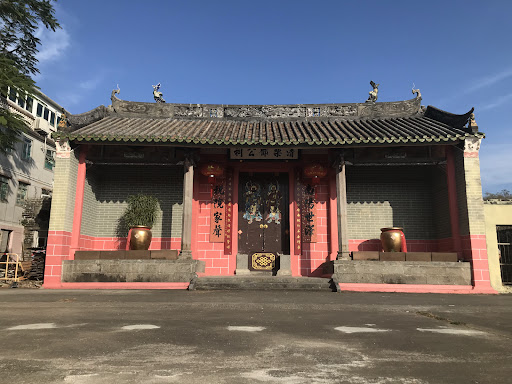
Tang Ching Lok Ancestral Hall things to do, attractions, restaurants, events info and trip planning
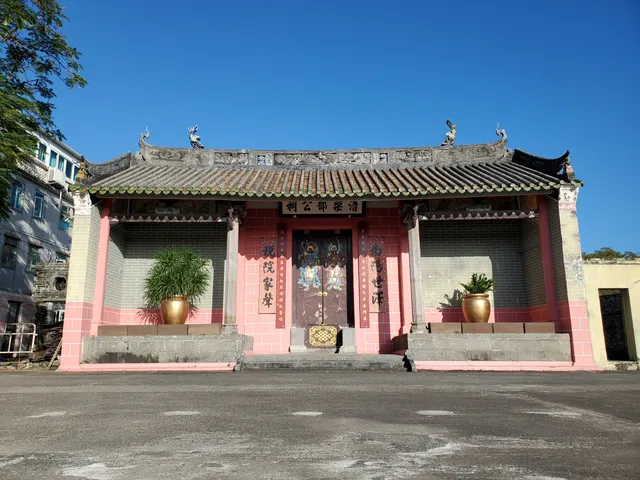
Basic Info
Tang Ching Lok Ancestral Hall
Kam Tin, Hong Kong
3.7(15)
Save
spot
spot
Ratings & Description
Info
Cultural
Family friendly
attractions: Kam Tin Tree House, Tang Kwong U Ancestral Hall, Shui Mei Village Playground, Kam Tin Country Club Car Park, Strawberry Farm, Strawberry Farm, Kam Tin Mural Village, restaurants: CoHee Studio, Thai Ox Baby, Wanchai Cha Kee Restaurant, 鷄煲私房菜, 心越 Le Viet’s, Thai Cow, H&J Kitchen, KOK KOK, O-VEG, Daai Pai Dong, local businesses: Yi Tai Study Hall, 錦田遠方營地 Kam Tin Urban quit Garden, Chau Wong Yi Kung Study Hall
 Learn more insights from Wanderboat AI.
Plan your stay

Pet-friendly Hotels in Yuen Long District
Find a cozy hotel nearby and make it a full experience.

Affordable Hotels in Yuen Long District
Find a cozy hotel nearby and make it a full experience.

The Coolest Hotels You Haven't Heard Of (Yet)
Find a cozy hotel nearby and make it a full experience.

Trending Stays Worth the Hype in Yuen Long District
Find a cozy hotel nearby and make it a full experience.
Reviews
Live events
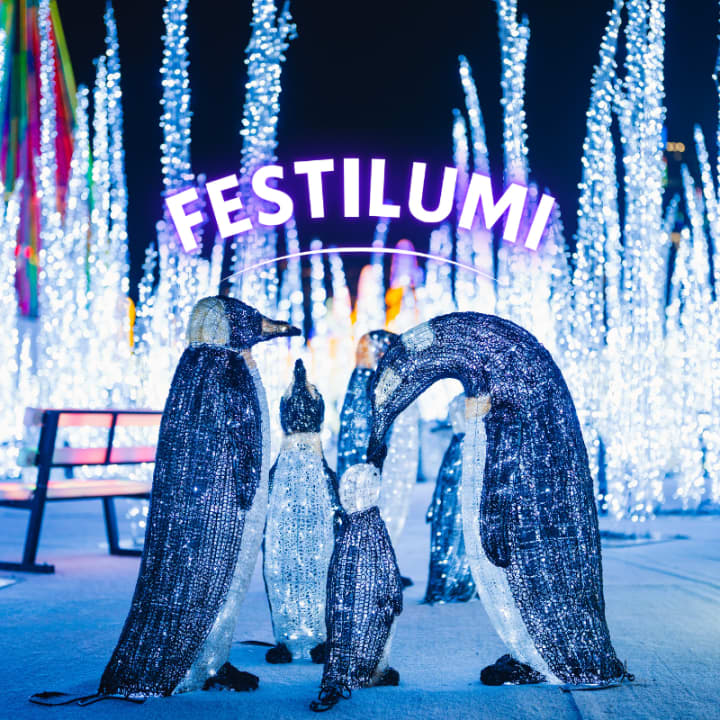
Festilumi - 香港
Fri, Feb 27 • 9:15 PM
3 Hung Hing Rd, Wan Chai, 00000
View details
Hong Kong Detective Game: Join the Secret Society!
Sun, Feb 1 • 12:00 AM
Statue Square, Des Voeux Rd Central, Central, Hong Kong, 75J5+CW
View details
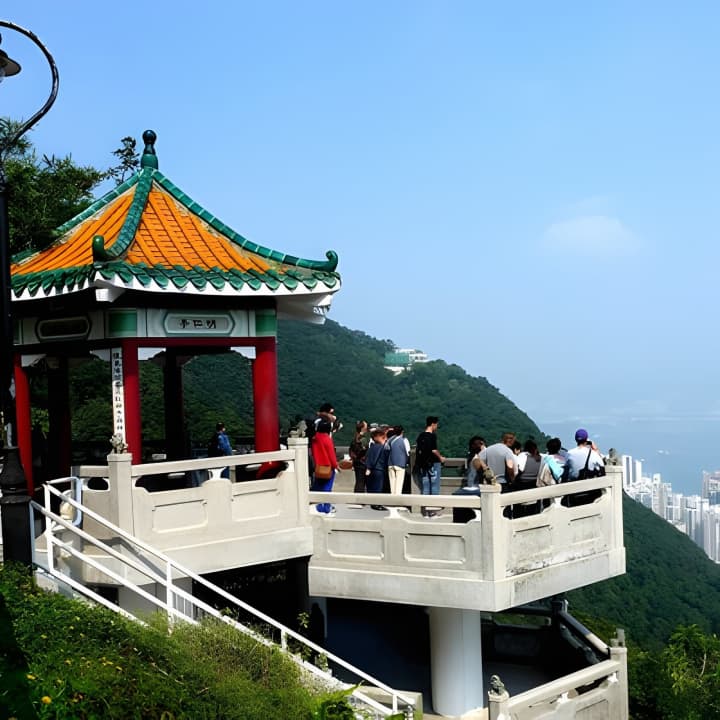
维多利亚山顶参加语音导览,经半山扶手电梯登上山顶
Fri, Feb 27 • 12:00 AM
中環租庇利街
View details
Nearby attractions of Tang Ching Lok Ancestral Hall
Kam Tin Tree House
Tang Kwong U Ancestral Hall
Shui Mei Village Playground
Kam Tin Country Club Car Park
Strawberry Farm
Strawberry Farm
Kam Tin Mural Village
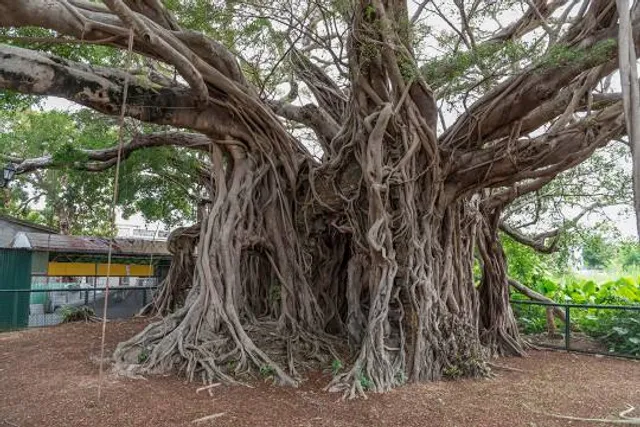
Kam Tin Tree House
4.1
(189)
Open 24 hours
Click for details

Tang Kwong U Ancestral Hall
3.8
(24)
Open 24 hours
Click for details

Shui Mei Village Playground
3.8
(48)
Open until 12:00 AM
Click for details
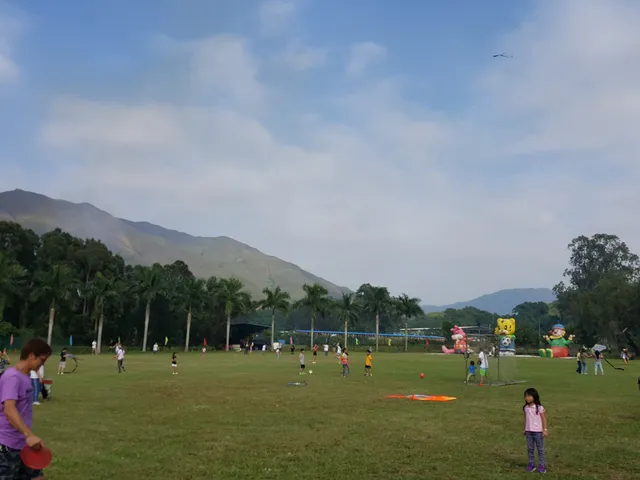
Kam Tin Country Club Car Park
4.0
(38)
Open until 12:00 AM
Click for details
Nearby restaurants of Tang Ching Lok Ancestral Hall
CoHee Studio
Thai Ox Baby
Wanchai Cha Kee Restaurant
鷄煲私房菜
心越 Le Viet’s
Thai Cow
H&J Kitchen
KOK KOK
O-VEG
Daai Pai Dong
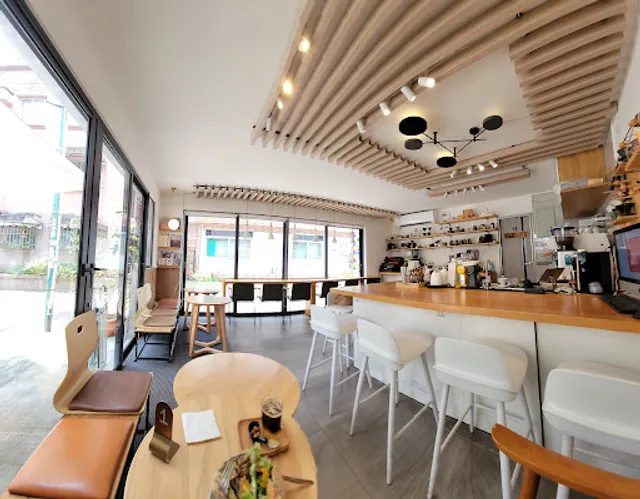
CoHee Studio
4.3
(289)
Closed
Click for details
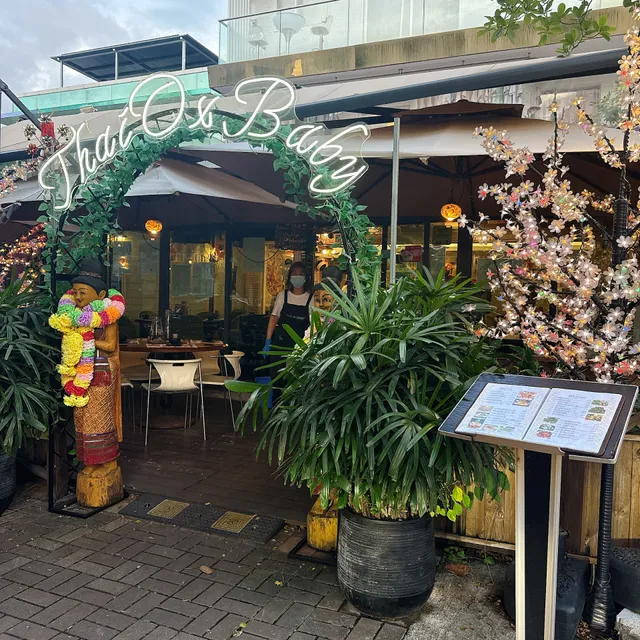
Thai Ox Baby
4.0
(128)
$$
Closed
Click for details
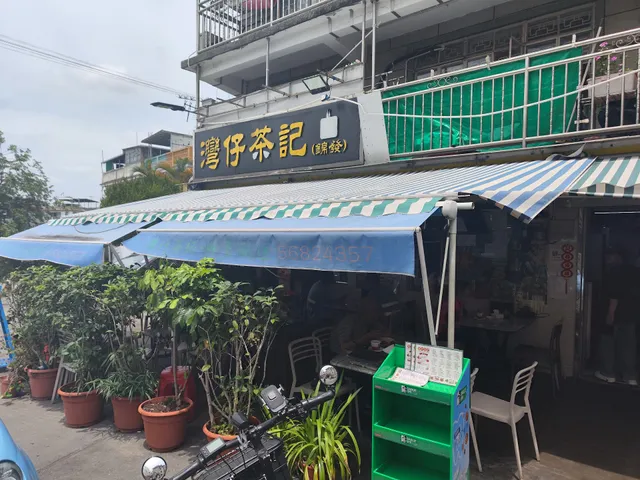
Wanchai Cha Kee Restaurant
3.6
(109)
Closed
Click for details
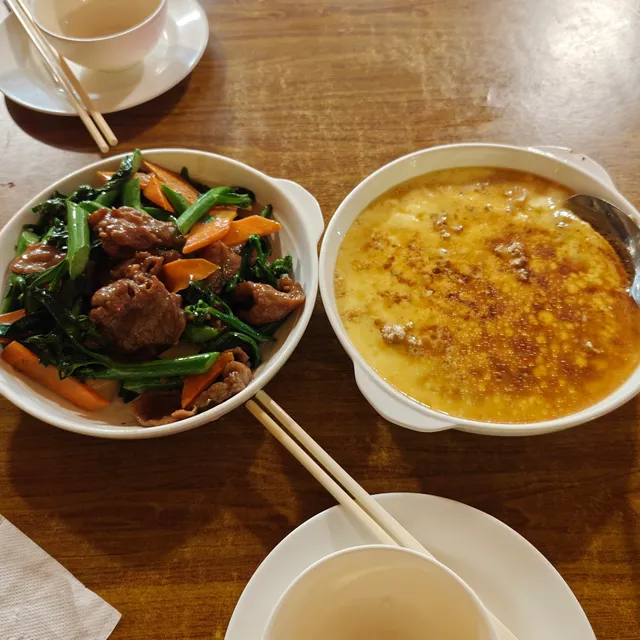
鷄煲私房菜
3.7
(14)
$$$
Closed
Click for details
Nearby local services of Tang Ching Lok Ancestral Hall
Yi Tai Study Hall
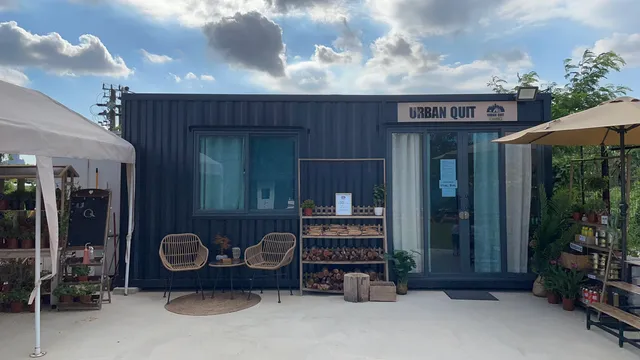
錦田遠方營地 Kam Tin Urban quit Garden
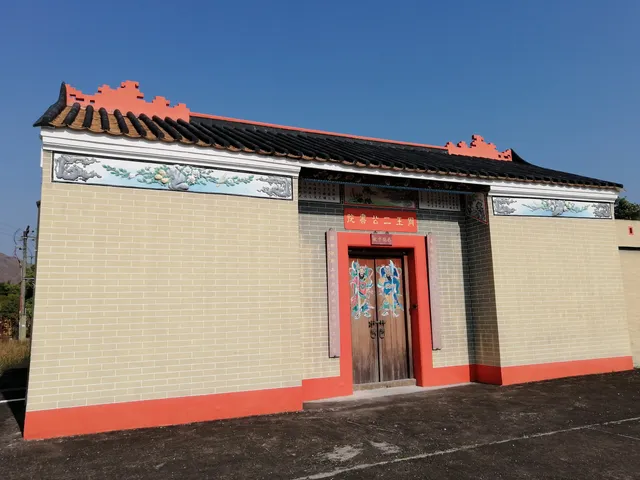
Chau Wong Yi Kung Study Hall
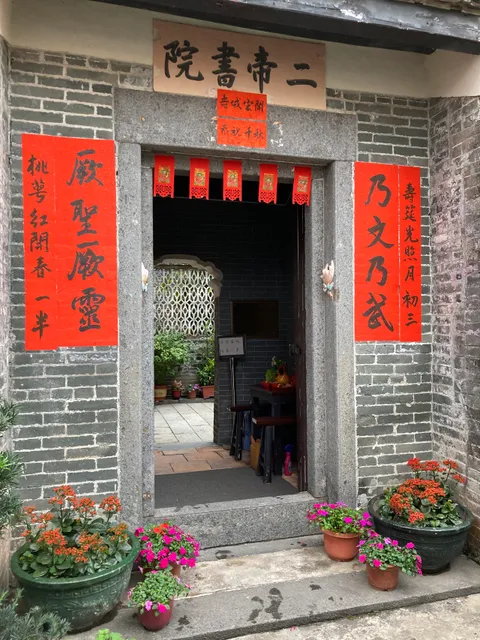
Yi Tai Study Hall
3.7
(30)
Click for details
錦田遠方營地 Kam Tin Urban quit Garden
4.5
(27)
Click for details
Chau Wong Yi Kung Study Hall
4.0
(23)
Click for details