Stadio dei marmi things to do, attractions, restaurants, events info and trip planning
Basic Info
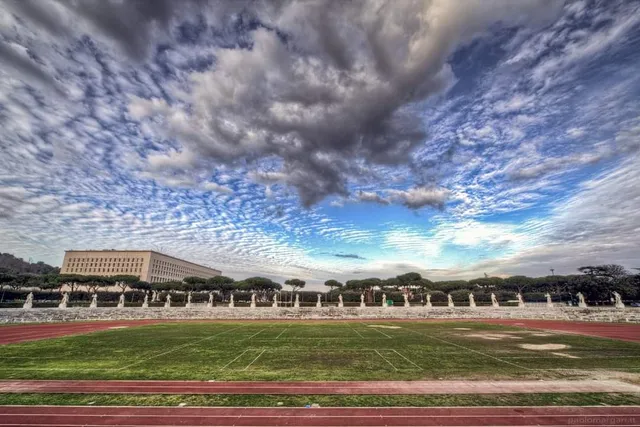
Stadio dei marmi
Viale dello Stadio dei Marmi, 00135 Roma RM, Italy
4.7(643)
Closed
Save
spot
spot
Ratings & Description
Info
attractions: Foro Italico, Olympic Stadium, University of Rome "Foro Italico", Foro Italico - Tennis, Ponte Milvio, Ice Park Foro Italico, Central Tennis Stadium, Stadio Nicola Pietrangeli, Villa Madama, Vigna dei Cardinali, restaurants: Bar River, Eden Secret Garden, Hotel Butterfly, Terrace Bar Del Tennis, Crunch! - Foro Italico, Eden Experience, Il Bistrot di Officine Farneto, Trapizzino | Ponte Milvio, Antica Trattoria Pallotta, Neve di Latte - Roma Flaminio, local businesses: Ponte Milvio Antiquariato | mercatino antiquariato Roma, Ponte Milvio, Casina di Macchia Madama, Mollica Ponte Milvio, Capitol, Market Flaminio II
 Learn more insights from Wanderboat AI.
Phone
+39 06 324 0334
Open hoursSee all hours
Wed8:30 AM - 8 PMClosed
Plan your stay

Pet-friendly Hotels in Rome
Find a cozy hotel nearby and make it a full experience.

Affordable Hotels in Rome
Find a cozy hotel nearby and make it a full experience.

The Coolest Hotels You Haven't Heard Of (Yet)
Find a cozy hotel nearby and make it a full experience.

Trending Stays Worth the Hype in Rome
Find a cozy hotel nearby and make it a full experience.
Reviews
Live events

LUNA: A Journey to the Moon – un’esperienza immersiva in realtà virtuale a Roma
Wed, Feb 25 • 4:00 PM
Via Trionfale, 7400, Roma, 00136
View details
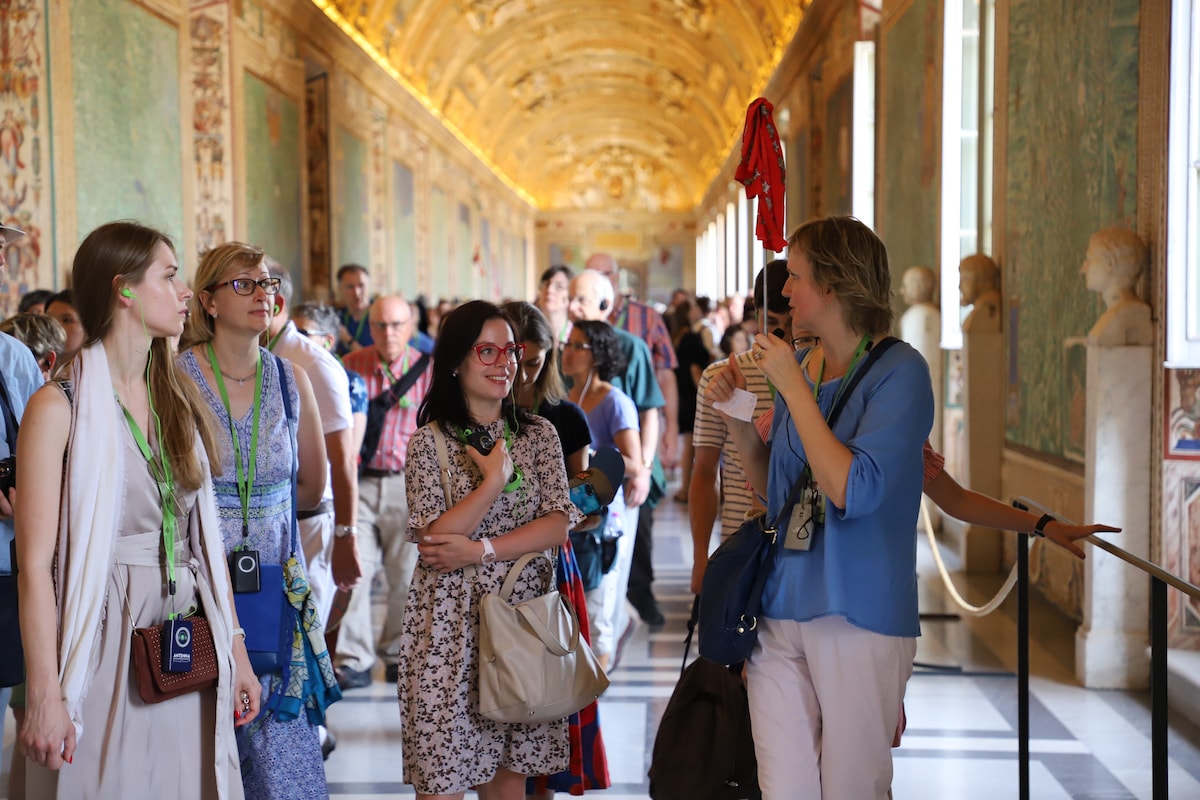
Vatican & St Peters Basilica: unlock the wonders
Wed, Feb 25 • 1:00 PM
00192, Rome, Lazio, Italy
View details

Chaos Lab Roma
Fri, Feb 27 • 4:30 PM
P.za di S. Giovanni in Laterano 74, 00185
View details
Nearby attractions of Stadio dei marmi
Foro Italico
Olympic Stadium
University of Rome "Foro Italico"
Foro Italico - Tennis
Ponte Milvio
Ice Park Foro Italico
Central Tennis Stadium
Stadio Nicola Pietrangeli
Villa Madama
Vigna dei Cardinali
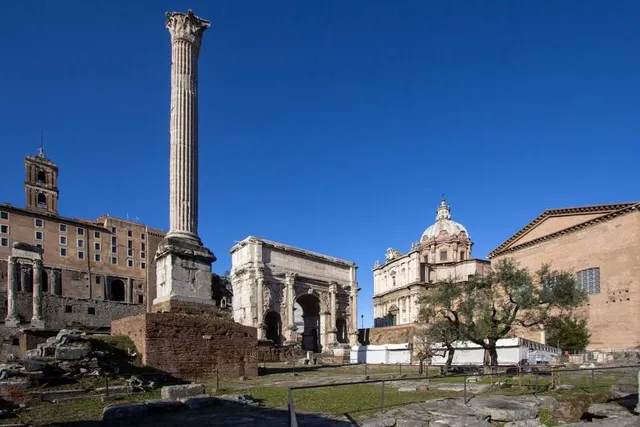
Foro Italico
4.6
(11.1K)
Closed
Click for details
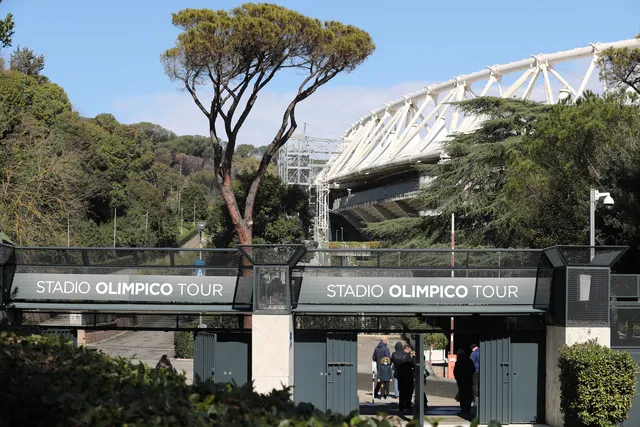
Olympic Stadium
4.5
(33)
Open 24 hours
Click for details
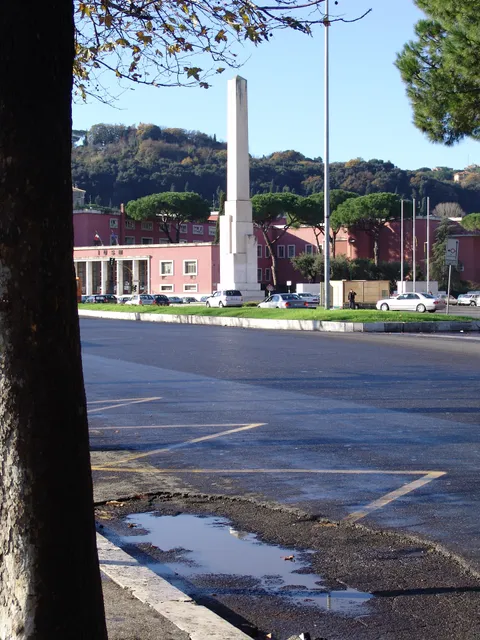
University of Rome "Foro Italico"
4.0
(29)
Open 24 hours
Click for details

Foro Italico - Tennis
4.6
(685)
Open 24 hours
Click for details
Nearby restaurants of Stadio dei marmi
Bar River
Eden Secret Garden
Hotel Butterfly
Terrace Bar Del Tennis
Crunch! - Foro Italico
Eden Experience
Il Bistrot di Officine Farneto
Trapizzino | Ponte Milvio
Antica Trattoria Pallotta
Neve di Latte - Roma Flaminio

Bar River
4.2
(427)
Open until 12:00 AM
Click for details

Eden Secret Garden
3.3
(672)
$$
Open until 2:00 AM
Click for details

Hotel Butterfly
3.8
(448)
$$
Click for details
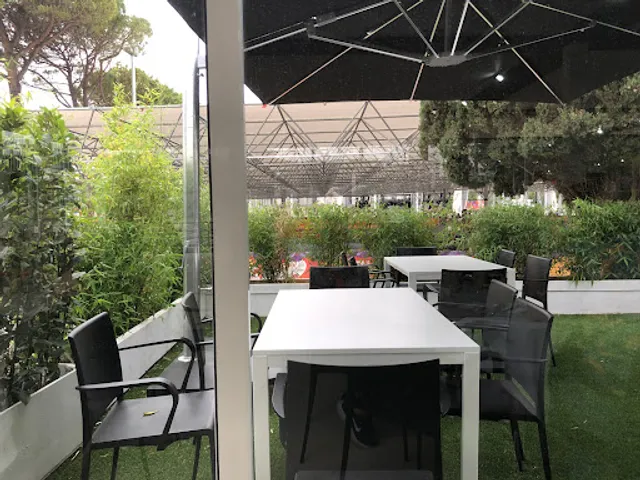
Terrace Bar Del Tennis
4.3
(137)
Closed
Click for details
Nearby local services of Stadio dei marmi
Ponte Milvio Antiquariato | mercatino antiquariato Roma
Ponte Milvio
Casina di Macchia Madama
Mollica Ponte Milvio
Capitol
Market Flaminio II
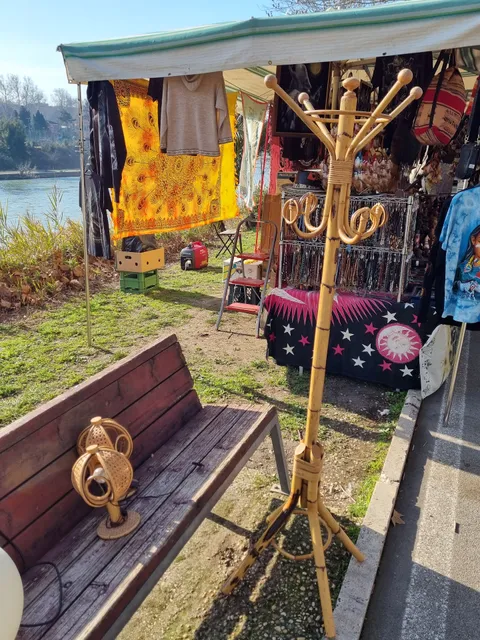
Ponte Milvio Antiquariato | mercatino antiquariato Roma
3.9
(66)
Click for details
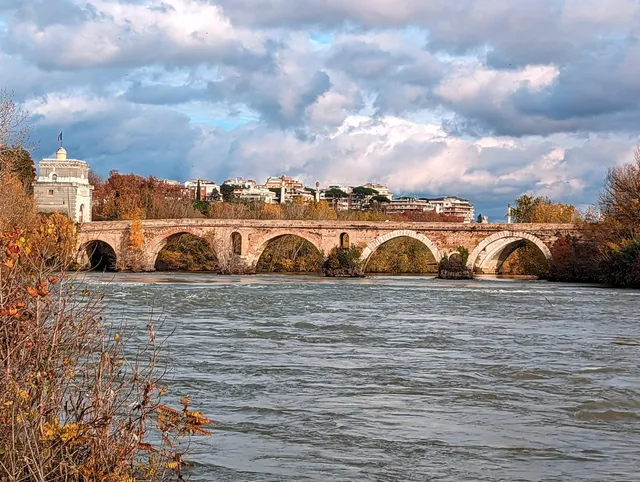
Ponte Milvio
4.5
(6K)
Click for details
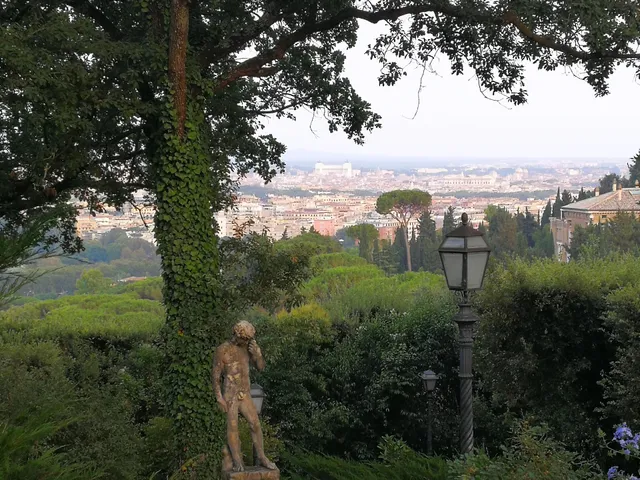
Casina di Macchia Madama
4.7
(265)
Click for details
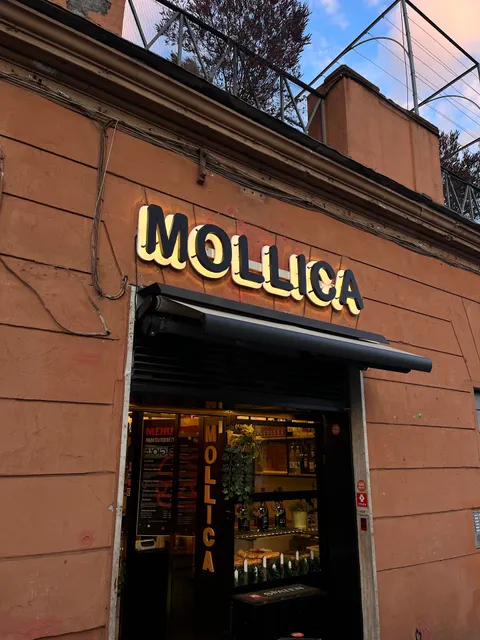
Mollica Ponte Milvio
4.9
(58)
Click for details


The hit list
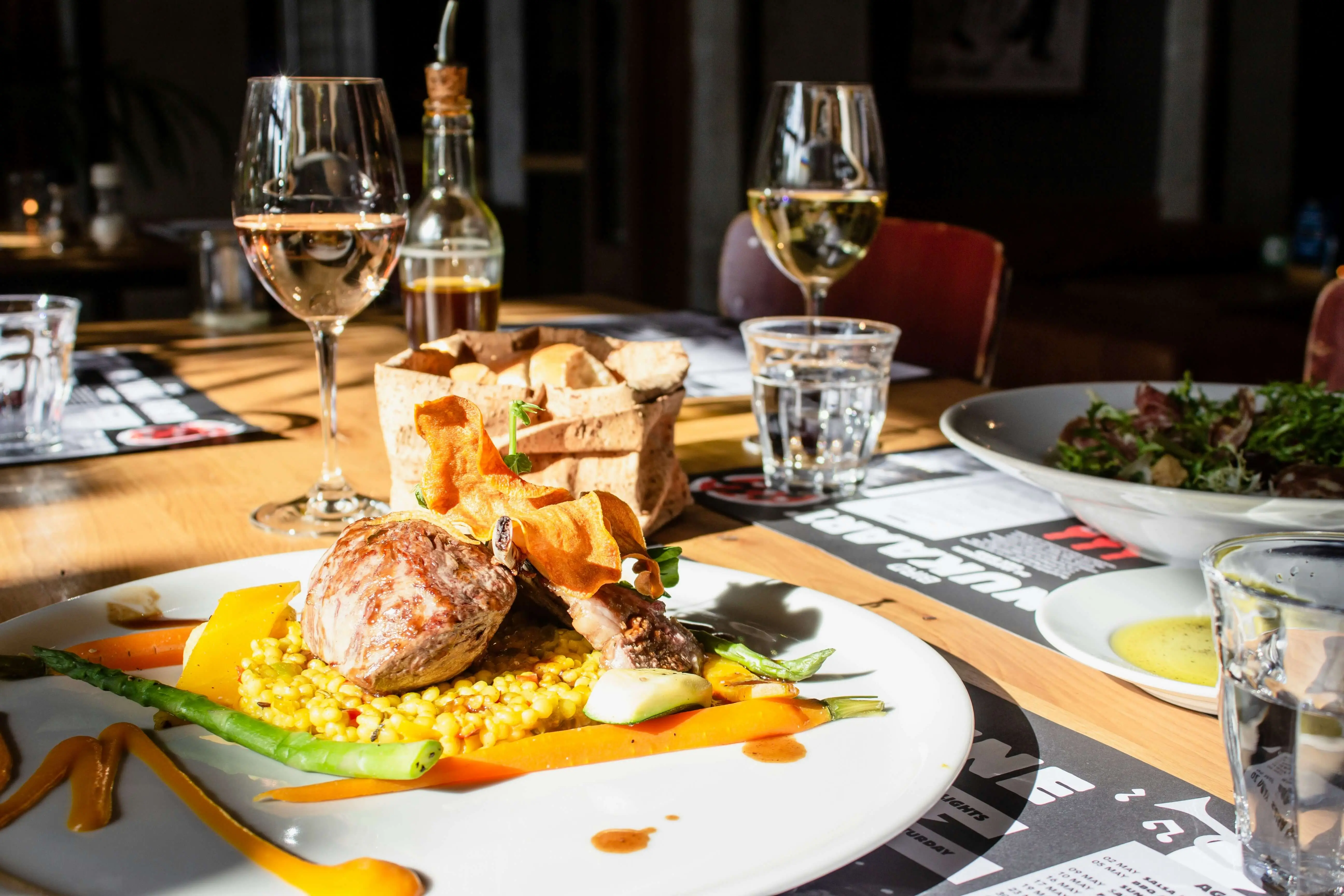
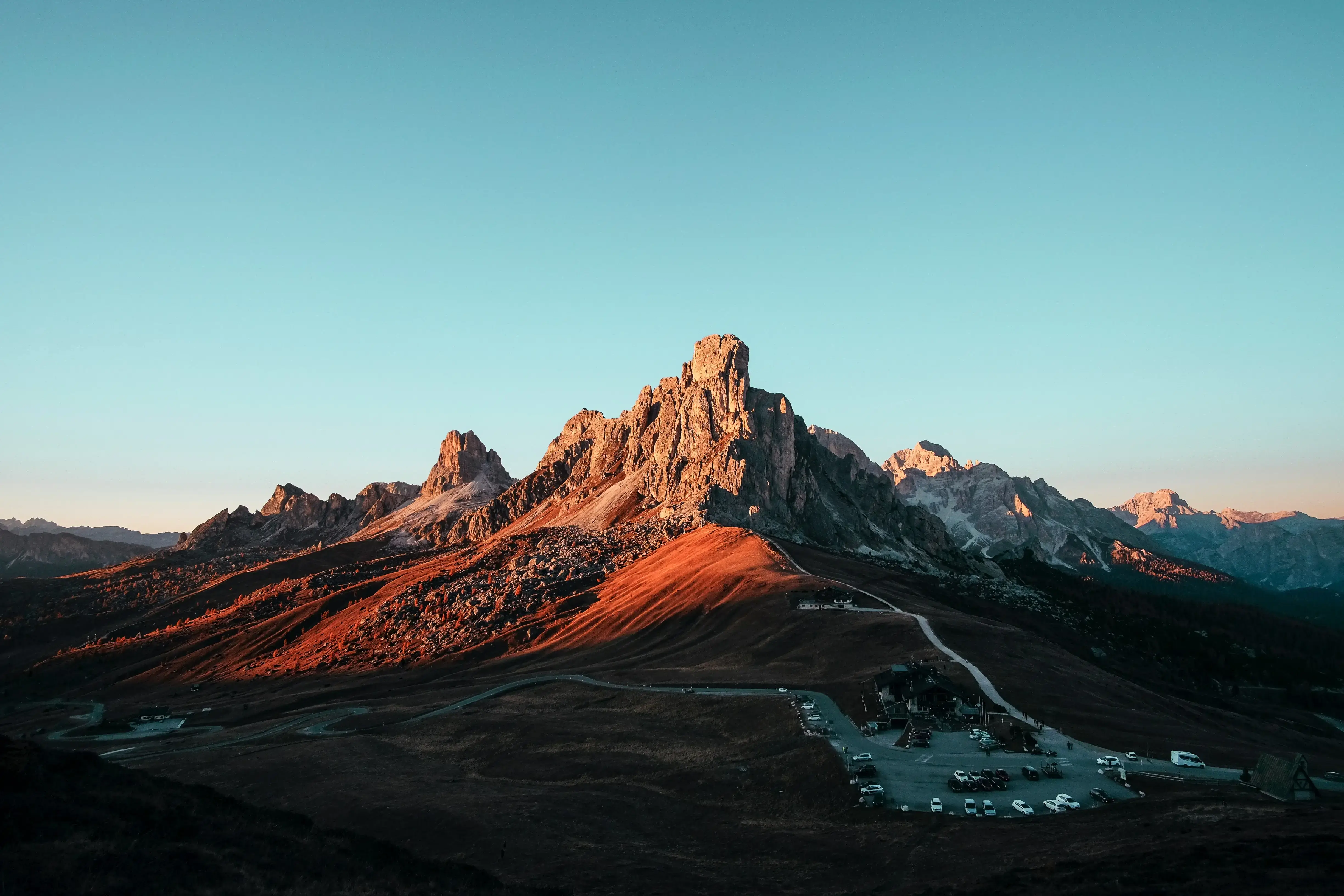
Plan your trip with Wanderboat
Welcome to Wanderboat AI, your AI search for local Eats and Fun, designed to help you explore your city and the world with ease.
Powered by Wanderboat AI trip planner.



