

HTML SitemapExplore
logo
Find Things to DoFind The Best Restaurants

Travel | đŸ‡°đŸ‡· Gyeongju – A 2-Day Trip to the UNESCO Heritage City

Our route was: Take a bus from Daegu to Gyeongju 🚌, spend 2 days there, then take another bus to Busan’s Haeundae 🚌. Korea has plenty of intercity bus schedules, and the 1-hour journey between these cities is short—super recommended for a seamless trip ❗ We had a little over two half-days to explore Gyeongju. The first day had nice weather with a beautiful sunset, while the second day was rainy (thanks to bad luck with the sky) 😅. Even so, the overall experience was great! As Silla’s capital for centuries, Gyeongju is packed with relics, cultural artifacts, and ancient tombs—every corner feels like a step back in time. 1. Gyeongju Historic Areas Since we traveled by bus, we chose a hotel near the bus terminal. It was a short walk đŸš¶đŸ»â€â™€ïž to the historic relics area—super convenient! 📍 Stop 1: Daereungwon Ancient Tomb Complex A gathering place of Silla Dynasty tombs, divided into several zones. Cheonmachong (Heavenly Horse Tomb): Open for visitors, but the line was way too long, so we skipped it đŸ€Ł. Other zones: Feel like a park, with lots of people taking photos in hanboks đŸ“· and even some wedding shoots. It’s definitely a popular spot for Korean travel photography! 📍 Stop 2: Wolseong Fortress + Eastern Relics Area There are more ancient tombs here, but the busiest spot was Cheomseongdae (Astronomical Observatory)—it’s basically Gyeongju’s “icon”! You’ll see its image on street flags, signs, and souvenirs everywhere. The sunset here was stunning—warm light hitting the stone structure, so picturesque. We skipped the Eastern Relics’ hanok village since it was out of our way
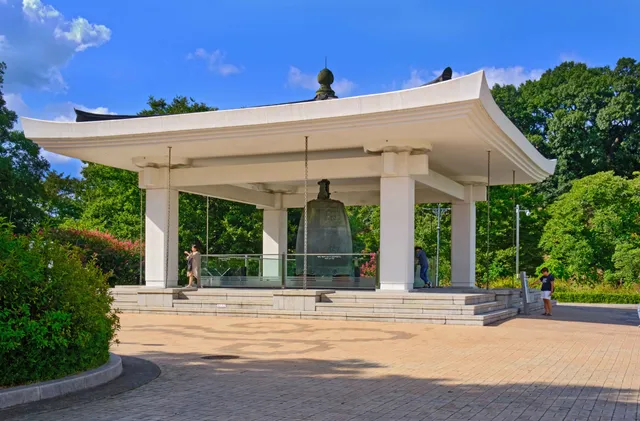
 We also didn’t go into Donggung Palace & Wolji Pond: Just walking by the entrance, I guessed it was all about reflections in the water—and a quick check online confirmed that. Plus, it required a ticket đŸŽ«, so we passed 😂. We missed a few parts of the historic areas due to time constraints. If you have more time, add the hanok villages and Oreung (Five Tombs) to your itinerary! Walking is totally doable here—traffic jams are pretty bad 🚗🚗, so driving might be more of a hassle. 2. Gyeongju National Museum We only had about 40 minutes for the museum, so our visit was pretty rushed (more like a quick walk-through). The exhibits were more abundant and exquisite than those at the Garimseong Daegaya Heritage Museum we visited a few days earlier, but the overall style was quite similar. The museum building itself is beautiful! When we walked out, we happened to see a crescent moon 🌙 beside the tower—such a poetic moment, it felt like the perfect end to the visit. 3. Hyanghwajeong – Popular CafĂ©/Restaurant This is a bit of an internet-famous spot, so we waited in line for a while
 We ordered haemul bibimbap (blood clam bibimbap) and seafood pancake. The bibimbap wasn’t hot—kind of a letdown, and it tasted just “okay.” The seafood pancake, though? Super delicious 😋—crispy on the outside, juicy with seafood inside, totally the highlight! 4. Bulguksa Temple It looks a bit older than Haeinsa Temple (though most parts are also reconstructions
). There are quite a few Korean national treasures here—several pagodas and bridges look like they’re straight out of a “treasure list” (you can tell they’re precious just by looking!). The other renovated parts are nice to see, but nothing too mind-blowing. The overall environment is peaceful—once the autumn foliage season 🍁 arrives, it’ll probably be even more beautiful with red and gold leaves surrounding the temple. 5. Seokguram Grotto There are buses from Bulguksa Temple to Seokguram, but they only come once every hour or so (Check Photo 16 for the schedule!). You need to time it right—we didn’t, and after finishing lunch, we arrived at the bus stop just as the bus left đŸ€Ł. Luckily, we shared a taxi with two Spanish travelers đŸ‡Ș🇾 who were also waiting. They’d been to China before and had great things to say about it—they even mentioned wanting to come back for a road trip, and specifically asked me about. So fun to chat with them! You have to walk up a short mountain path to reach Seokguram. The Buddha statue here has been restored
 and honestly, it’s not as exquisite as the grottoes in China đŸ€Ł. But hey—since we’d already made the trip, we wanted to check it out anyway! #GyeongjuTravel #KoreaGyeongju
Related posts
Gyeongju Guide | Cheonmachong Tomb of SillaComparing "Qushui Liushang" Pavilions Across Three East Asian CountrieGyeongju, South Korea: A World Heritage Small TownđŸ‡°đŸ‡· Autumn Getaway | A Trip to Gyeongju, the Millenary Silla CapitalSouth Korea is infinitely charming, exploring the Pearl of the Orient.Travel | đŸ‡°đŸ‡· Gyeongju – A 2-Day Trip to the UNESCO Heritage City
Aurora Romano
Aurora Romano
3 months ago
Aurora Romano
Aurora Romano
3 months ago
no-comment

No one has commented yet...

Travel | đŸ‡°đŸ‡· Gyeongju – A 2-Day Trip to the UNESCO Heritage City

Our route was: Take a bus from Daegu to Gyeongju 🚌, spend 2 days there, then take another bus to Busan’s Haeundae 🚌. Korea has plenty of intercity bus schedules, and the 1-hour journey between these cities is short—super recommended for a seamless trip ❗ We had a little over two half-days to explore Gyeongju. The first day had nice weather with a beautiful sunset, while the second day was rainy (thanks to bad luck with the sky) 😅. Even so, the overall experience was great! As Silla’s capital for centuries, Gyeongju is packed with relics, cultural artifacts, and ancient tombs—every corner feels like a step back in time. 1. Gyeongju Historic Areas Since we traveled by bus, we chose a hotel near the bus terminal. It was a short walk đŸš¶đŸ»â€â™€ïž to the historic relics area—super convenient! 📍 Stop 1: Daereungwon Ancient Tomb Complex A gathering place of Silla Dynasty tombs, divided into several zones. Cheonmachong (Heavenly Horse Tomb): Open for visitors, but the line was way too long, so we skipped it đŸ€Ł. Other zones: Feel like a park, with lots of people taking photos in hanboks đŸ“· and even some wedding shoots. It’s definitely a popular spot for Korean travel photography! 📍 Stop 2: Wolseong Fortress + Eastern Relics Area There are more ancient tombs here, but the busiest spot was Cheomseongdae (Astronomical Observatory)—it’s basically Gyeongju’s “icon”! You’ll see its image on street flags, signs, and souvenirs everywhere. The sunset here was stunning—warm light hitting the stone structure, so picturesque. We skipped the Eastern Relics’ hanok village since it was out of our way
 We also didn’t go into Donggung Palace & Wolji Pond: Just walking by the entrance, I guessed it was all about reflections in the water—and a quick check online confirmed that. Plus, it required a ticket đŸŽ«, so we passed 😂. We missed a few parts of the historic areas due to time constraints. If you have more time, add the hanok villages and Oreung (Five Tombs) to your itinerary! Walking is totally doable here—traffic jams are pretty bad 🚗🚗, so driving might be more of a hassle. 2. Gyeongju National Museum We only had about 40 minutes for the museum, so our visit was pretty rushed (more like a quick walk-through). The exhibits were more abundant and exquisite than those at the Garimseong Daegaya Heritage Museum we visited a few days earlier, but the overall style was quite similar. The museum building itself is beautiful! When we walked out, we happened to see a crescent moon 🌙 beside the tower—such a poetic moment, it felt like the perfect end to the visit. 3. Hyanghwajeong – Popular CafĂ©/Restaurant This is a bit of an internet-famous spot, so we waited in line for a while
 We ordered haemul bibimbap (blood clam bibimbap) and seafood pancake. The bibimbap wasn’t hot—kind of a letdown, and it tasted just “okay.” The seafood pancake, though? Super delicious 😋—crispy on the outside, juicy with seafood inside, totally the highlight! 4. Bulguksa Temple It looks a bit older than Haeinsa Temple (though most parts are also reconstructions
). There are quite a few Korean national treasures here—several pagodas and bridges look like they’re straight out of a “treasure list” (you can tell they’re precious just by looking!). The other renovated parts are nice to see, but nothing too mind-blowing. The overall environment is peaceful—once the autumn foliage season 🍁 arrives, it’ll probably be even more beautiful with red and gold leaves surrounding the temple. 5. Seokguram Grotto There are buses from Bulguksa Temple to Seokguram, but they only come once every hour or so (Check Photo 16 for the schedule!). You need to time it right—we didn’t, and after finishing lunch, we arrived at the bus stop just as the bus left đŸ€Ł. Luckily, we shared a taxi with two Spanish travelers đŸ‡Ș🇾 who were also waiting. They’d been to China before and had great things to say about it—they even mentioned wanting to come back for a road trip, and specifically asked me about. So fun to chat with them! You have to walk up a short mountain path to reach Seokguram. The Buddha statue here has been restored
 and honestly, it’s not as exquisite as the grottoes in China đŸ€Ł. But hey—since we’d already made the trip, we wanted to check it out anyway! #GyeongjuTravel #KoreaGyeongju

Gyeongju-si
Gyeongju National Museum
Gyeongju National MuseumGyeongju National Museum