HTML SitemapExplore
logo
Find Things to DoFind The Best Restaurants

Durrës Amphitheatre — Attraction in Bashkia Durrës

Name
Durrës Amphitheatre
Description
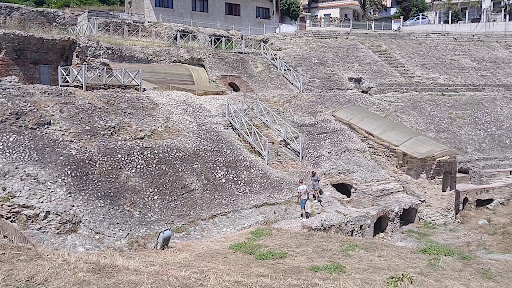
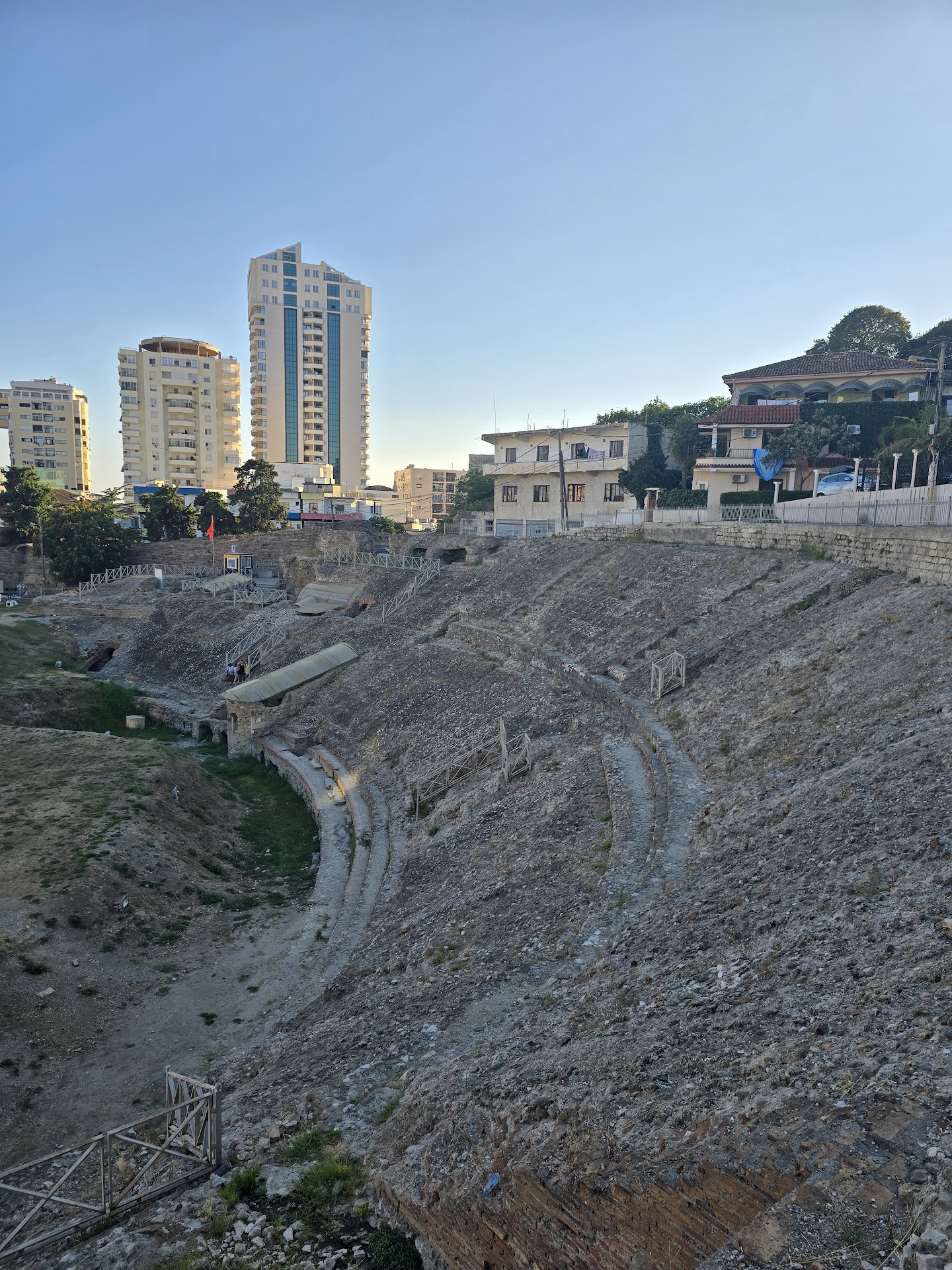
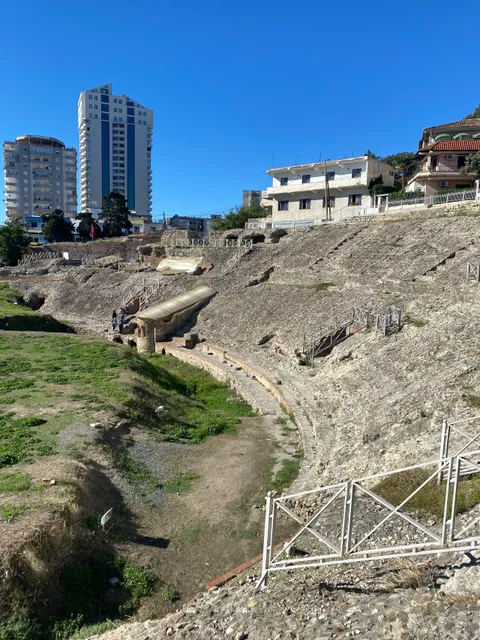
The Amphitheatre of Durrës is a Roman amphitheatre in the centre of the city of Durrës, Albania. Construction began under the emperor Trajan in the 2nd century AD and it was destroyed twice by earthquakes in the 6th and 10th centuries.
Nearby attractions
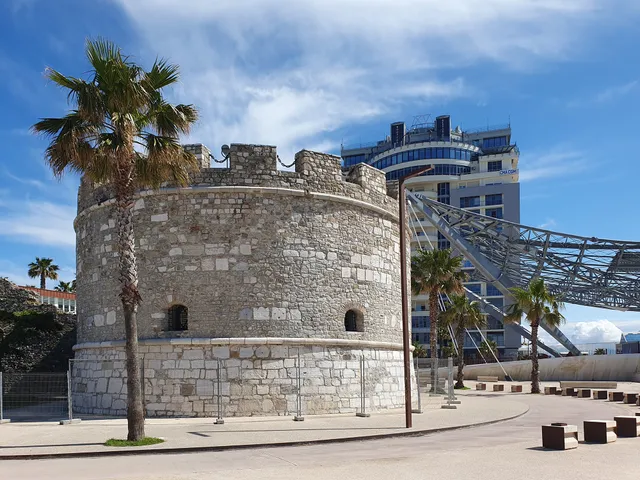
Venetian Tower of Durrës
8C5W+VQC, Durrës, Albania
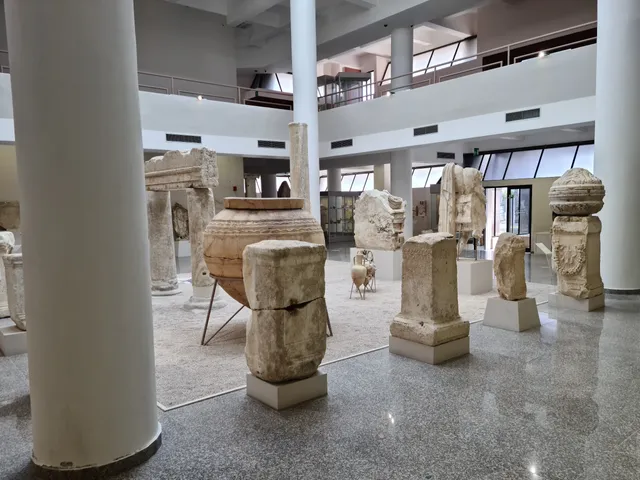
National Archaeological Museum
Rruga Taulantia 32, Durrës 2000, Albania
Nearby restaurants
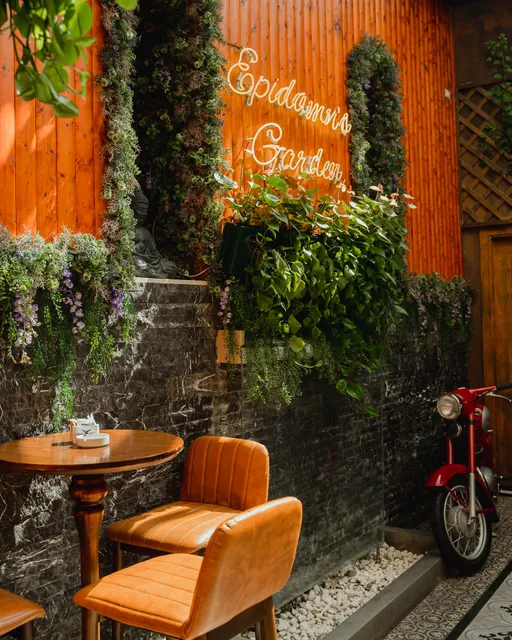
Epidamn Restaurant & Garden
Blv. Epidamn, Durrës 2001, Albania
Pastarella
Rruga Taulantia, Durrës 2003, Albania
Bule's Best Byrek in Town
Rruga Kalase 9, Durrës, Albania
Ç'të Hash
Rruga Grigor Durrsaku, Durrës, Albania
Mema House
8C6R+9GH, Rruga Taulantia, Durrës, Albania
Restorant La Fontana Durrës
Rruga Grigor Durrsaku, Durrës, Albania
Banesa 23
Durrës, Albania
Cen Artizani
8C7W+V6G, Durrës, Albania
Rooftop XV
8C5X+X48, Rruga At Erazmi, Durrës 2000, Albania
Restorant Piazza
Rruga Taulantia 1, Durrës 2001, Albania
Related posts
A Timeless Journey Through History and Glory 🌅(1)A Timeless Journey Through History and Glory 🌅(2)
Keywords
Durrës Amphitheatre tourism.Durrës Amphitheatre hotels.Durrës Amphitheatre bed and breakfast. flights to Durrës Amphitheatre.Durrës Amphitheatre attractions.Durrës Amphitheatre restaurants.Durrës Amphitheatre travel.Durrës Amphitheatre travel guide.Durrës Amphitheatre travel blog.Durrës Amphitheatre pictures.Durrës Amphitheatre photos.Durrës Amphitheatre travel tips.Durrës Amphitheatre maps.Durrës Amphitheatre things to do.
Durrës Amphitheatre things to do, attractions, restaurants, events info and trip planning
Durrës Amphitheatre
AlbaniaNorthern AlbaniaBashkia DurrësDurrës Amphitheatre

Basic Info

Durrës Amphitheatre

8C6W+V2M, Rruga Kalase, Durrës, Albania
4.1(2.7K)
Open 24 hours
Save
spot

Ratings & Description

Info

The Amphitheatre of Durrës is a Roman amphitheatre in the centre of the city of Durrës, Albania. Construction began under the emperor Trajan in the 2nd century AD and it was destroyed twice by earthquakes in the 6th and 10th centuries.

Cultural
Family friendly
attractions: Venetian Tower of Durrës, National Archaeological Museum, restaurants: Epidamn Restaurant & Garden, Pastarella, Bule's Best Byrek in Town, Ç'të Hash, Mema House, Restorant La Fontana Durrës, Banesa 23, Cen Artizani, Rooftop XV, Restorant Piazza
logoLearn more insights from Wanderboat AI.
Phone
+355 52 222 310
Website
durres.gov.al

Plan your stay

hotel
Pet-friendly Hotels in Bashkia Durrës
Find a cozy hotel nearby and make it a full experience.
hotel
Affordable Hotels in Bashkia Durrës
Find a cozy hotel nearby and make it a full experience.
hotel
The Coolest Hotels You Haven't Heard Of (Yet)
Find a cozy hotel nearby and make it a full experience.
hotel
Trending Stays Worth the Hype in Bashkia Durrës
Find a cozy hotel nearby and make it a full experience.

Reviews

Nearby attractions of Durrës Amphitheatre

Venetian Tower of Durrës

National Archaeological Museum

Venetian Tower of Durrës

Venetian Tower of Durrës

4.4

(1.2K)

Closed
Click for details
National Archaeological Museum

National Archaeological Museum

4.3

(315)

Open 24 hours
Click for details

Nearby restaurants of Durrës Amphitheatre

Epidamn Restaurant & Garden

Pastarella

Bule's Best Byrek in Town

Ç'të Hash

Mema House

Restorant La Fontana Durrës

Banesa 23

Cen Artizani

Rooftop XV

Restorant Piazza

Epidamn Restaurant & Garden

Epidamn Restaurant & Garden

4.5

(313)

Click for details
Pastarella

Pastarella

4.7

(361)

Click for details
Bule's Best Byrek in Town

Bule's Best Byrek in Town

4.9

(90)

Click for details
Ç'të Hash

Ç'të Hash

4.9

(129)

Closed
Click for details
Get the Appoverlay
Get the AppOne tap to find yournext favorite spots!
Wanderboat LogoWanderboat

Your everyday Al companion for getaway ideas

CompanyAbout Us
InformationAI Trip PlannerSitemap
SocialXInstagramTiktokLinkedin
LegalTerms of ServicePrivacy Policy

Get the app

© 2025 Wanderboat. All rights reserved.
logo

Reviews of Durrës Amphitheatre

4.1
(2,686)
avatar
4.0
26w

As others have said, no much in way of explanations really

Construction began under Trajan  in the 2nd century AD and it was destroyed twice by earthquakes in the 6th and 10th centuries. It is the largest Roman amphitheatre ever built in the Balkan Peninsula, once having a capacity of 18- 20,000 people.

The amphitheatre was built in the beginning of the 2nd century AD, and was used for performances until the 4th century AD. The earthquake of 345/346 likely damaged the monument and closed the 'ludii gladiatorii'. An early Christian chapel was constructed on the amphitheatre in the second half of the 4th century. The chapel was initially decorated with frescoes; in the 6th century, mosaics were added.A medieval chapel was built in the 13th century, also decorated with frescoes. The amphitheatre was covered over in the 16th century, after the Ottoman occupation, when a wall was built nearby. Marin Barleti described the monument as 'well constructed'.

About one third of the site was discovered and excavated in the 1960s by Vangjel Toci; the rest was excavated in the 1980s by Lida Miraj. After excavation the amphitheater slowly deteriorated, as no conservation efforts were undertaken prior to the 2000s, and construction continued to take place around the site. In 2004, the University of Parma started restoration work to save...

   Read more
avatar
5.0
46w

Review of the Amphitheatre in Durres

During my visit to Durres, I had the chance to explore its iconic amphitheatre, and it left a lasting impression on me. This Roman amphitheatre, one of the largest in the Balkans, was built in the 2nd century AD under Emperor Trajan. Standing in its vast arena, I could almost feel the energy of the crowds who once gathered here to witness gladiator battles and other grand spectacles.

Despite the centuries that have passed, much of the structure has been well-preserved, and its historical significance is undeniable. One of the highlights for me was discovering the small Christian chapel within the amphitheatre, adorned with beautiful mosaics. It was fascinating to see how the site transitioned from a Roman entertainment venue to a place of worship during the Byzantine era.

Walking through the tunnels and seating areas, I was struck by the blend of ancient architecture and the vibrant modern life surrounding the site. Its central location in Durres also provides a unique contrast between history and the bustling city.

Visiting the amphitheatre was a memorable experience, and I highly recommend it to anyone interested in history, culture, or simply exploring Albania’s rich heritage. It truly feels like stepping...

   Read more
avatar
5.0
2y

The Durrës Amphitheatre is an ancient marvel that transports visitors back in time to the heart of Roman civilization. This remarkably preserved archaeological site, located near the shores of the Adriatic Sea, is a testament to the grandeur of the past. The amphitheatre's construction, dating back to the 2nd century AD, was once capable of accommodating up to 20,000 spectators for various events and gladiatorial contests. Its massive stone walls and tiered seating create an awe-inspiring atmosphere, and the underground chambers, once used for staging and animal housing, provide a fascinating glimpse into the logistical aspects of ancient entertainment. Whether you're a history enthusiast or simply appreciate the beauty of ancient architecture, the Durrës Amphitheatre is a must-visit destination that evokes the grandeur of...

   Read more
Page 1 of 7
Previous
Next

Posts

A Timeless Journey Through History and Glory 🌅(1)
Mia LewisMia Lewis
A Timeless Journey Through History and Glory 🌅(1)
A Timeless Journey Through History and Glory 🌅(2)
Mia LewisMia Lewis
A Timeless Journey Through History and Glory 🌅(2)
Simon RoseSimon Rose
As others have said, no much in way of explanations really Construction began under Trajan  in the 2nd century AD and it was destroyed twice by earthquakes in the 6th and 10th centuries. It is the largest Roman amphitheatre ever built in the Balkan Peninsula, once having a capacity of 18- 20,000 people. The amphitheatre was built in the beginning of the 2nd century AD, and was used for performances until the 4th century AD. The earthquake of 345/346 likely damaged the monument and closed the 'ludii gladiatorii'. An early Christian chapel was constructed on the amphitheatre in the second half of the 4th century. The chapel was initially decorated with frescoes; in the 6th century, mosaics were added.A medieval chapel was built in the 13th century, also decorated with frescoes. The amphitheatre was covered over in the 16th century, after the Ottoman occupation, when a wall was built nearby. Marin Barleti described the monument as 'well constructed'. About one third of the site was discovered and excavated in the 1960s by Vangjel Toci; the rest was excavated in the 1980s by Lida Miraj. After excavation the amphitheater slowly deteriorated, as no conservation efforts were undertaken prior to the 2000s, and construction continued to take place around the site. In 2004, the University of Parma started restoration work to save the monument.
See more posts
See more posts
hotel
Find your stay

Pet-friendly Hotels in Bashkia Durrës

Find a cozy hotel nearby and make it a full experience.

A Timeless Journey Through History and Glory 🌅(1)
Mia Lewis

Mia Lewis

hotel
Find your stay

Affordable Hotels in Bashkia Durrës

Find a cozy hotel nearby and make it a full experience.

Get the Appoverlay
Get the AppOne tap to find yournext favorite spots!
A Timeless Journey Through History and Glory 🌅(2)
Mia Lewis

Mia Lewis

hotel
Find your stay

The Coolest Hotels You Haven't Heard Of (Yet)

Find a cozy hotel nearby and make it a full experience.

hotel
Find your stay

Trending Stays Worth the Hype in Bashkia Durrës

Find a cozy hotel nearby and make it a full experience.

As others have said, no much in way of explanations really Construction began under Trajan  in the 2nd century AD and it was destroyed twice by earthquakes in the 6th and 10th centuries. It is the largest Roman amphitheatre ever built in the Balkan Peninsula, once having a capacity of 18- 20,000 people. The amphitheatre was built in the beginning of the 2nd century AD, and was used for performances until the 4th century AD. The earthquake of 345/346 likely damaged the monument and closed the 'ludii gladiatorii'. An early Christian chapel was constructed on the amphitheatre in the second half of the 4th century. The chapel was initially decorated with frescoes; in the 6th century, mosaics were added.A medieval chapel was built in the 13th century, also decorated with frescoes. The amphitheatre was covered over in the 16th century, after the Ottoman occupation, when a wall was built nearby. Marin Barleti described the monument as 'well constructed'. About one third of the site was discovered and excavated in the 1960s by Vangjel Toci; the rest was excavated in the 1980s by Lida Miraj. After excavation the amphitheater slowly deteriorated, as no conservation efforts were undertaken prior to the 2000s, and construction continued to take place around the site. In 2004, the University of Parma started restoration work to save the monument.
Simon Rose

Simon Rose

See more posts
See more posts