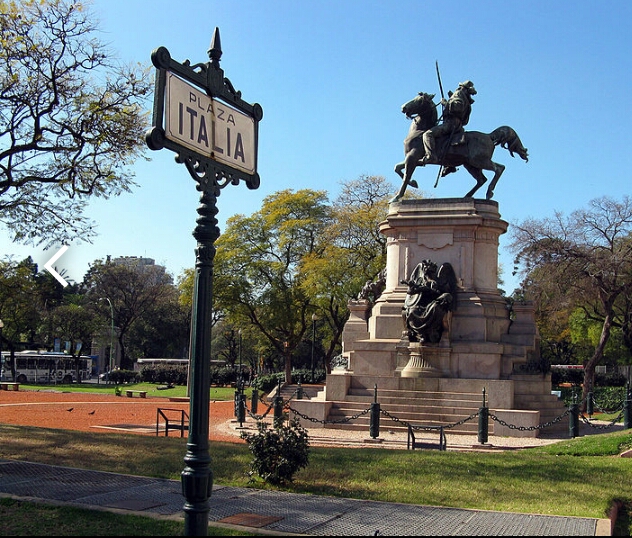
Plaza Italia things to do, attractions, restaurants, events info and trip planning
Basic Info
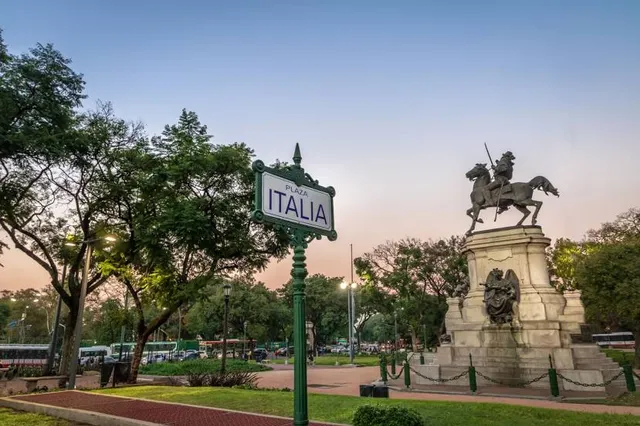
Plaza Italia
C1425 Buenos Aires, Argentina
4.4(30.8K)
Open 24 hours
Save
spot
spot
Ratings & Description
Info
Outdoor
Pet friendly
attractions: Jardín Botánico Carlos Thays, Buenos Aires Ecoparque, Ecoparque ex Zoo de palermo, Entrada Ecoparque, Monumento a Giuseppe Garibaldi, Mundo Gea, Popular Library "William C. Morris", Biblioteca Carlos Guido y Spano, Museo Evita, Plaza Intendente Casares - CABA, restaurants: Kentucky Rural, AJ Dulcinea Pizza Café Bar, El Galeón del Norte • Restaurante Confitería, Havanna, Café Martínez, Florencia, Burger King, Benigno, La Carnicería, Águila Pabellón, local businesses: Distrito Arcos, U Market, adidas Outlet Arcos, Outlet Palermo, Mint Lounge, Palermo One, Lacoste outlet, Samsonite Outlet, Plaza Güemes, Puente Pacífico
 Learn more insights from Wanderboat AI.
Website
buenosaires.gob.ar
Plan your stay

Pet-friendly Hotels in Autonomous City of Buenos Aires
Find a cozy hotel nearby and make it a full experience.

Affordable Hotels in Autonomous City of Buenos Aires
Find a cozy hotel nearby and make it a full experience.

The Coolest Hotels You Haven't Heard Of (Yet)
Find a cozy hotel nearby and make it a full experience.

Trending Stays Worth the Hype in Autonomous City of Buenos Aires
Find a cozy hotel nearby and make it a full experience.
Reviews
Live events
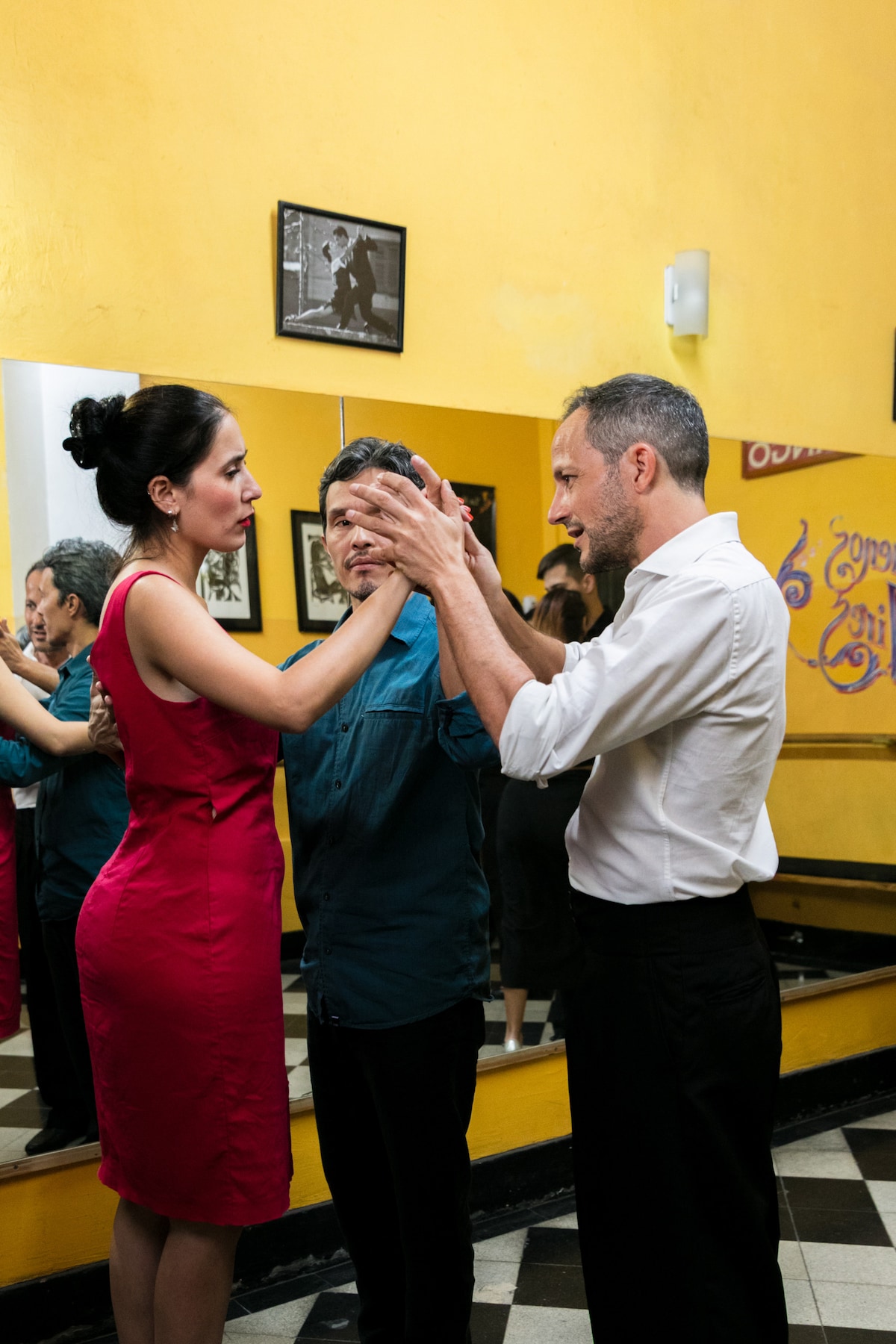
Authentic Tango with a local dancer
Tue, Feb 17 • 8:30 PM
C1098, Buenos Aires, Buenos Aires, Argentina
View details
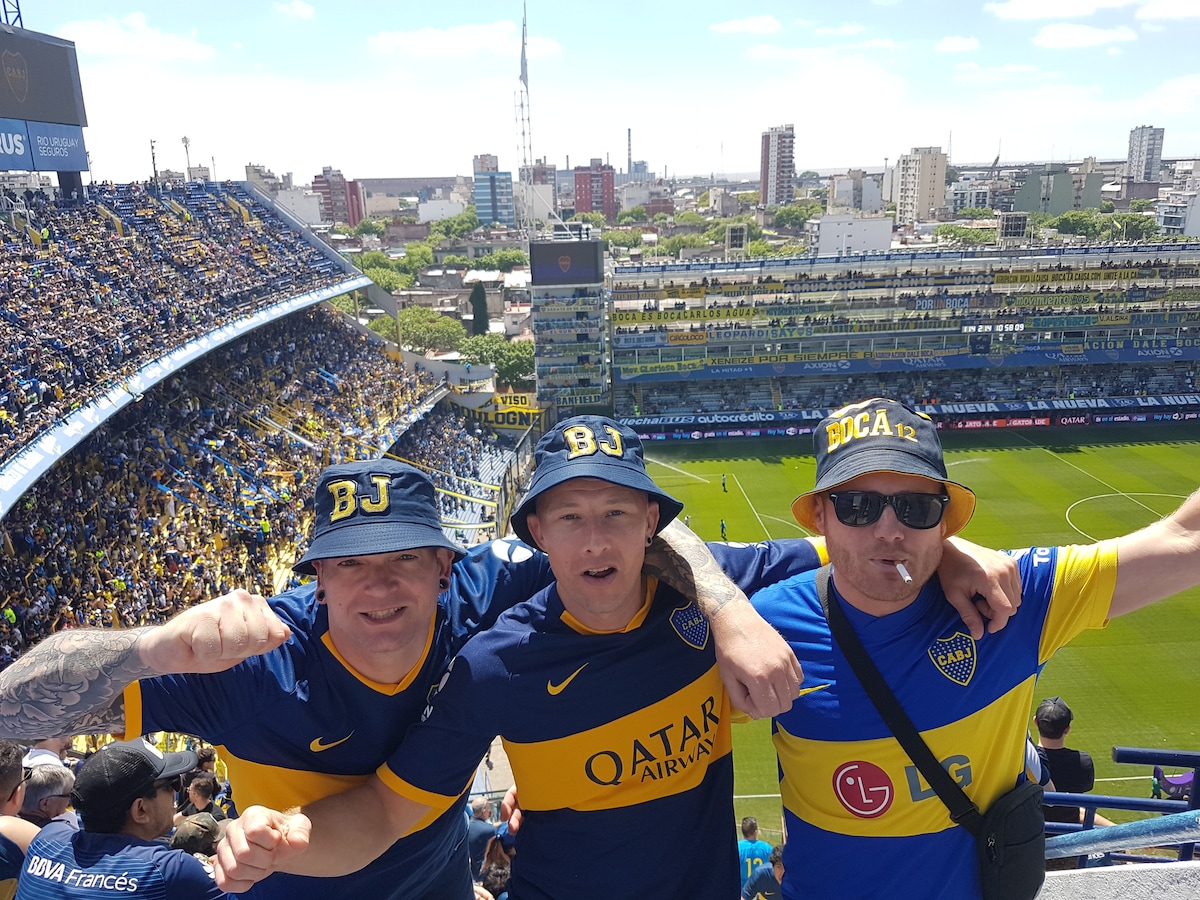
Watch an Argentine soccer match with a true fan
Thu, Feb 19 • 2:30 PM
C1010, Buenos Aires, Ciudad Autónoma de Buenos Aires, Argentina
View details

Be curious in Buenos Aires
Wed, Feb 18 • 2:00 PM
C1154, AAC, Ciudad Autónoma de Buenos Aires, Argentina
View details
Nearby attractions of Plaza Italia
Jardín Botánico Carlos Thays
Buenos Aires Ecoparque
Ecoparque ex Zoo de palermo
Entrada Ecoparque
Monumento a Giuseppe Garibaldi
Mundo Gea
Popular Library "William C. Morris"
Biblioteca Carlos Guido y Spano
Museo Evita
Plaza Intendente Casares - CABA
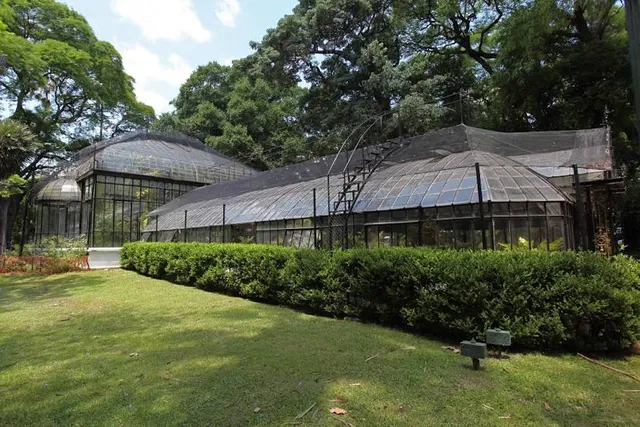
Jardín Botánico Carlos Thays
4.6
(21.8K)
Open until 12:00 AM
Click for details

Buenos Aires Ecoparque
4.2
(12.3K)
Open until 12:00 AM
Click for details
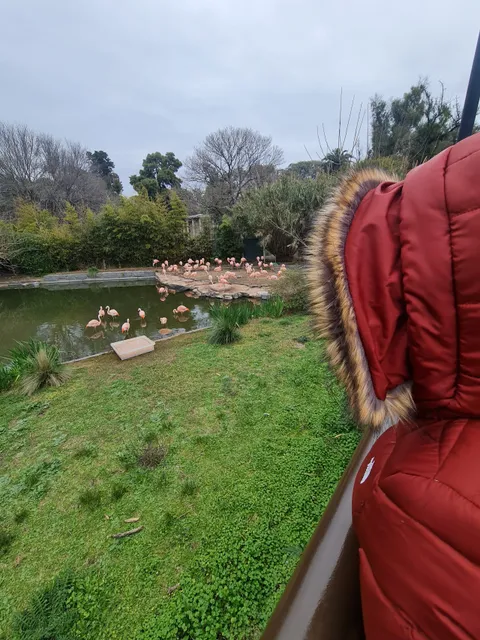
Ecoparque ex Zoo de palermo
4.3
(514)
Open until 12:00 AM
Click for details
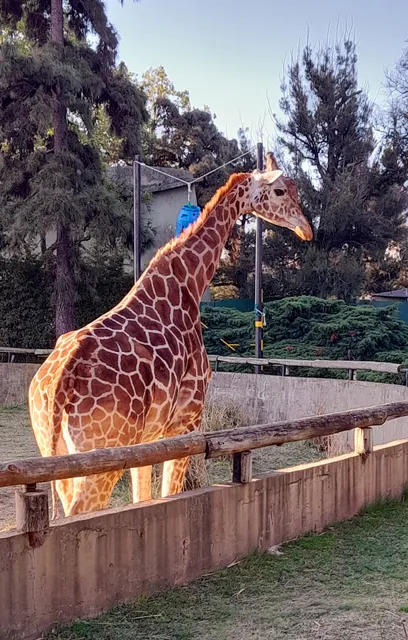
Entrada Ecoparque
4.4
(142)
Open until 12:00 AM
Click for details
Nearby restaurants of Plaza Italia
Kentucky Rural
AJ Dulcinea Pizza Café Bar
El Galeón del Norte • Restaurante Confitería
Havanna
Café Martínez
Florencia
Burger King
Benigno
La Carnicería
Águila Pabellón
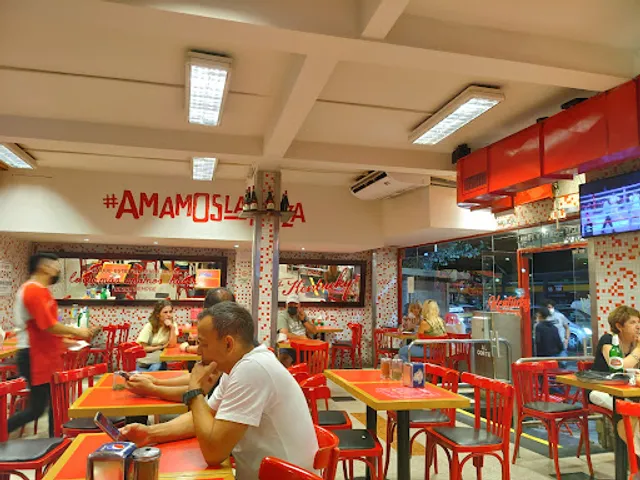
Kentucky Rural
4.5
(2.5K)
Open until 1:00 AM
Click for details
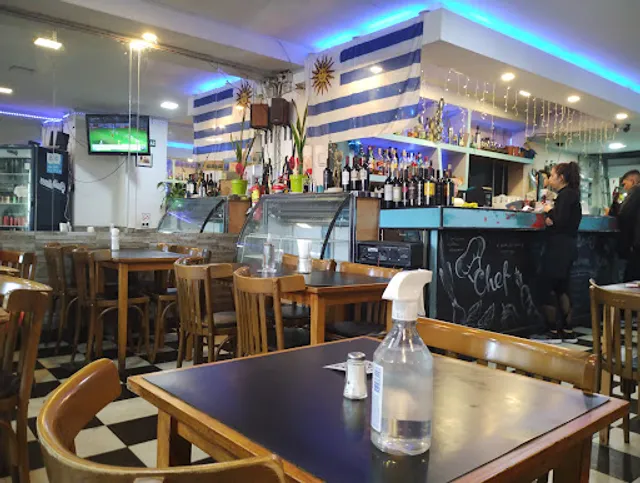
AJ Dulcinea Pizza Café Bar
4.2
(1.1K)
Open until 5:00 AM
Click for details
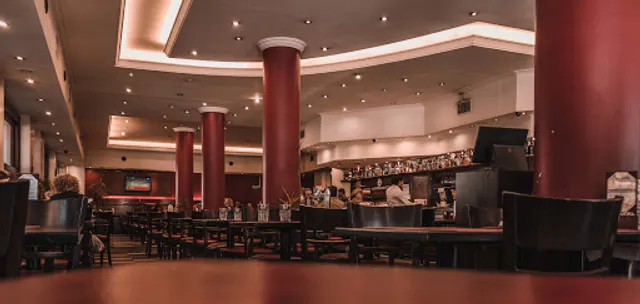
El Galeón del Norte • Restaurante Confitería
3.7
(2.6K)
Open until 12:00 AM
Click for details
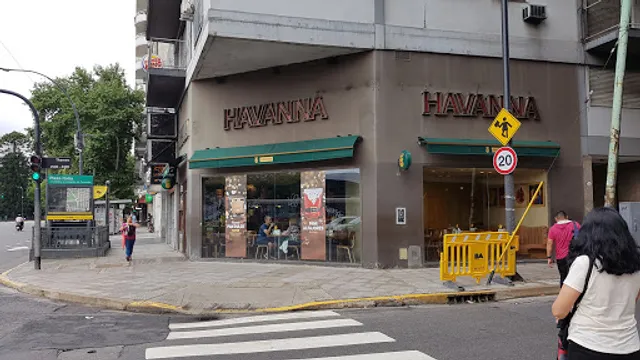
Havanna
4.0
(1.1K)
Open until 9:00 PM
Click for details
Nearby local services of Plaza Italia
Distrito Arcos
U Market
adidas Outlet Arcos
Outlet Palermo
Mint Lounge
Palermo One
Lacoste outlet
Samsonite Outlet
Plaza Güemes
Puente Pacífico
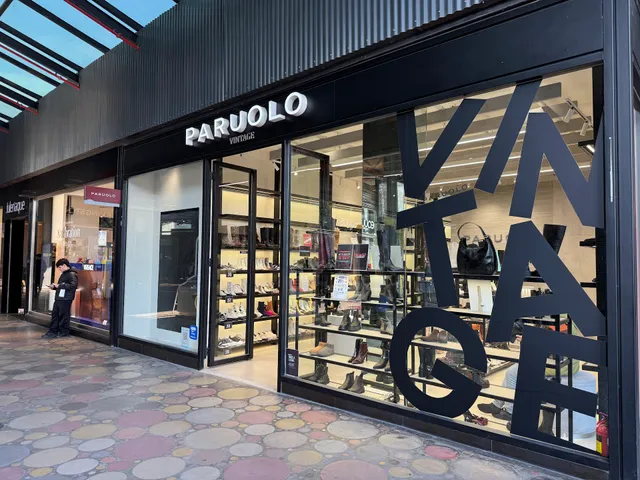
Distrito Arcos
4.3
(23.5K)
Click for details

U Market
4.8
(18)
Click for details
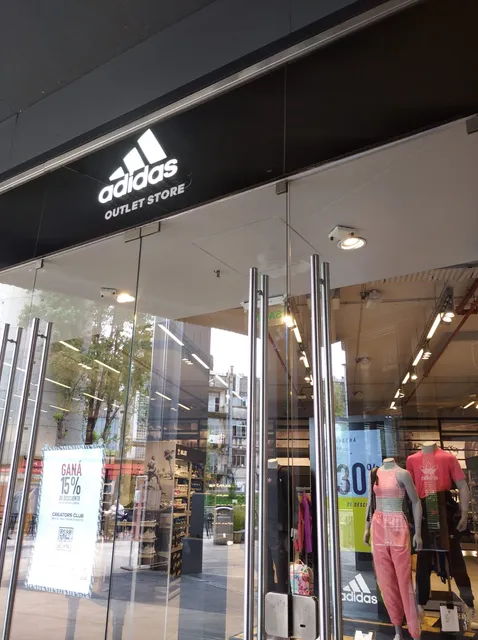
adidas Outlet Arcos
3.6
(2K)
Click for details
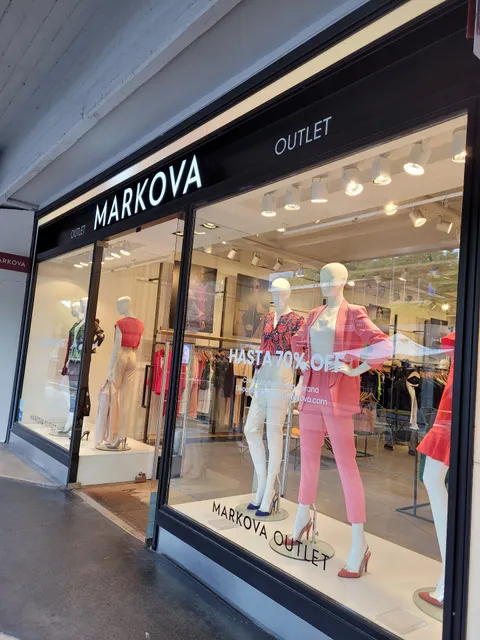
Outlet Palermo
4.4
(2.1K)
Click for details