Vienna Crime Museum things to do, attractions, restaurants, events info and trip planning
Basic Info
Vienna Crime Museum
Große Sperlgasse 24, 1020 Wien, Austria
4.3(805)
Open until 12:00 AM

tickets
Save
spot
spot
Ratings & Description
Info
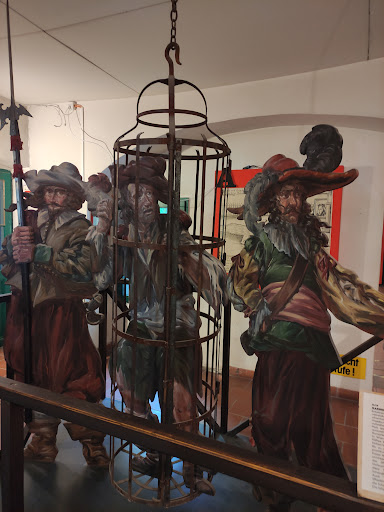
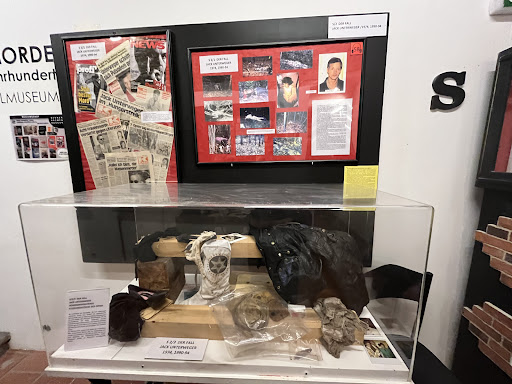
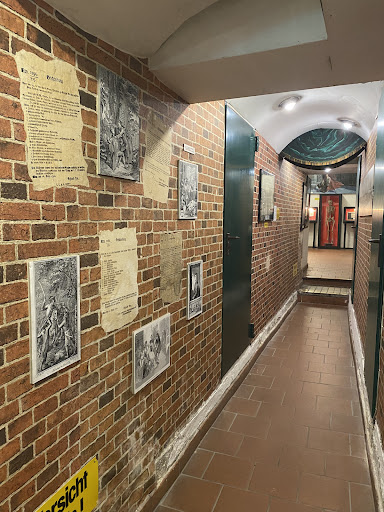
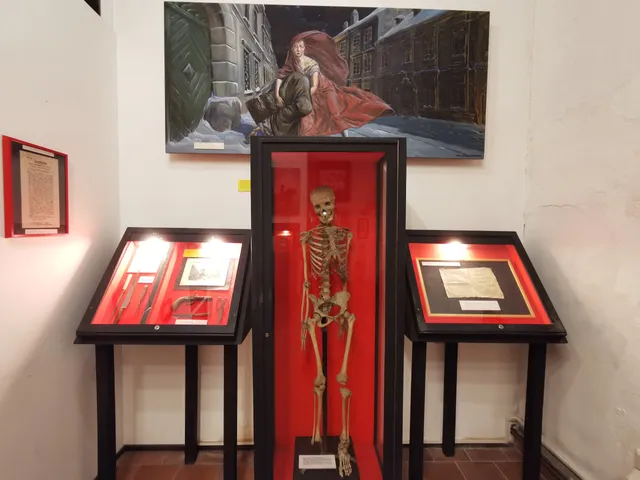
The Vienna Crime Museum is a crime museum in Vienna, Austria. The museum is located in the Seifensiederhaus at 24 Großen Sperlgasse, one of the oldest buildings in Leopoldstadt, the city's second district.
Cultural
Accessibility
attractions: Das MuTh - Konzertsaal, Bühne & Programm, Bezirksmuseum Leopoldstadt, HANDS UP - Erlebnis Stille., Augarten Haupttor, Schleusenpark, City Farm Augarten, Porzellanmuseum im Augarten, Vienna Porcelain Manufactory Augarten, Augarten, Spielplatz im Rudolfspark, restaurants: Schöne Perle, Leopold Essen & Trinken, Los Mexikas, Pizza Mari, La Massa Ristorante Pizzeria, Caffè Altenberg, Pisqu, Weinschenke am Karmelitermarkt, Wulfisch Fisch & Wein Bistro, cafemima, local businesses: Hollandstraße 10, Rumpelkiste, Wien, Schmelzgasse 9, Tadım Kebap, Dulceria Chocolates, Patisserie Marischka, City Cruises Vienna - DDSG Blue Danube, Webster Vienna Private University, Zov Homolja Grill
 Learn more insights from Wanderboat AI.
Phone
+43 664 3005677
Website
wien.kriminalmuseum.at
Open hoursSee all hours
Wed10 AM - 5 PMOpen
Plan your stay

Pet-friendly Hotels in Vienna
Find a cozy hotel nearby and make it a full experience.

Affordable Hotels in Vienna
Find a cozy hotel nearby and make it a full experience.

The Coolest Hotels You Haven't Heard Of (Yet)
Find a cozy hotel nearby and make it a full experience.

Trending Stays Worth the Hype in Vienna
Find a cozy hotel nearby and make it a full experience.
Reviews
Live events

Die Legende der Titanic - Die immersive Ausstellung
Wed, Feb 25 • 10:00 AM
Karl-Farkas-Gasse 19, Wien, 1030
View details
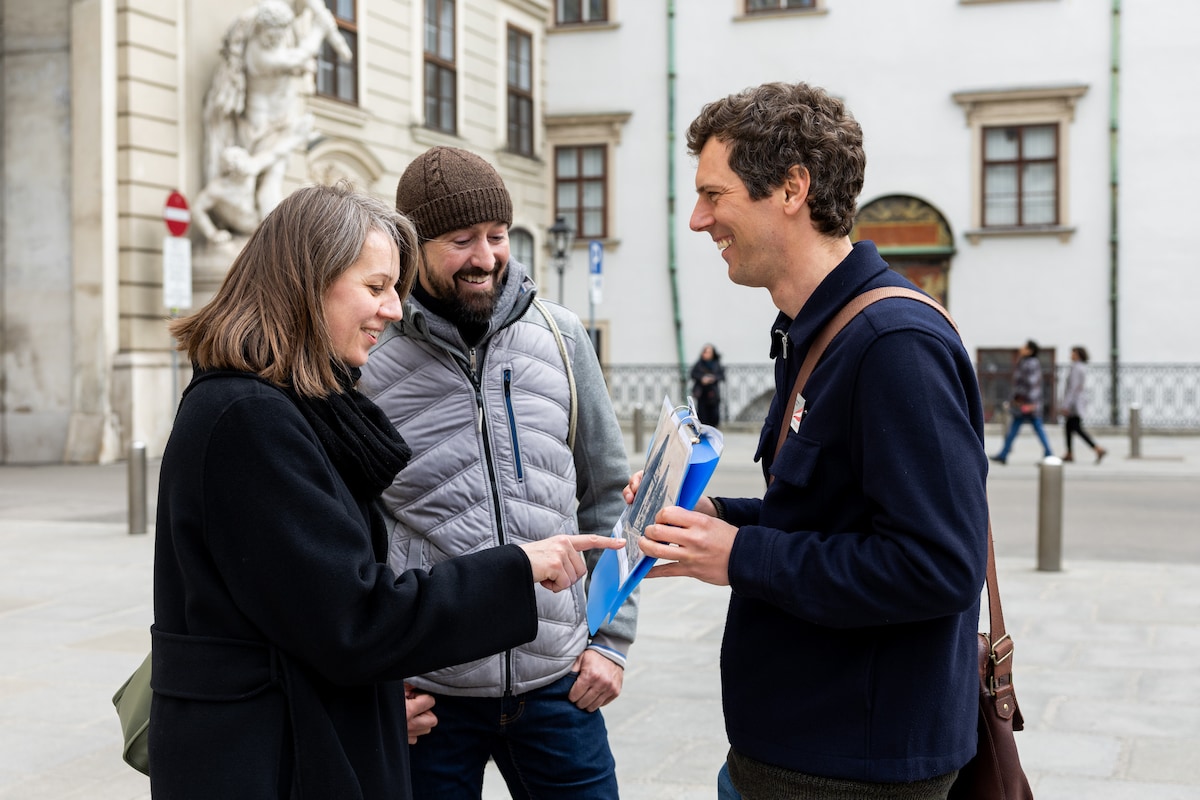
Explore historic Vienna
Wed, Feb 25 • 10:00 AM
Vienna, Vienna 1010, Austria
View details
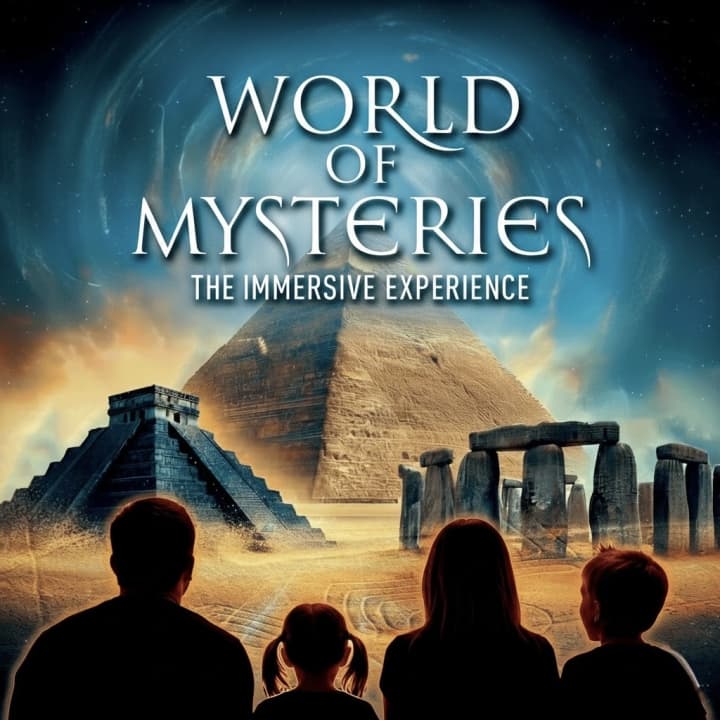
Immersium: World of Mysteries
Wed, Feb 25 • 10:15 AM
Habsburgergasse 10, Wien, 1010
View details
Nearby attractions of Vienna Crime Museum
Das MuTh - Konzertsaal, Bühne & Programm
Bezirksmuseum Leopoldstadt
HANDS UP - Erlebnis Stille.
Augarten Haupttor
Schleusenpark
City Farm Augarten
Porzellanmuseum im Augarten
Vienna Porcelain Manufactory Augarten
Augarten
Spielplatz im Rudolfspark
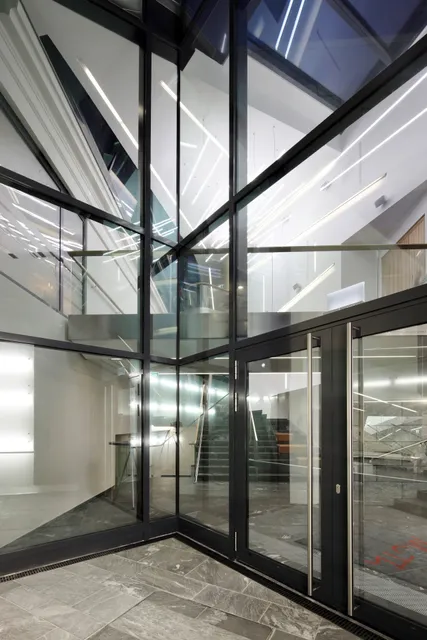
Das MuTh - Konzertsaal, Bühne & Programm
4.7
(639)
Open 24 hours
Click for details
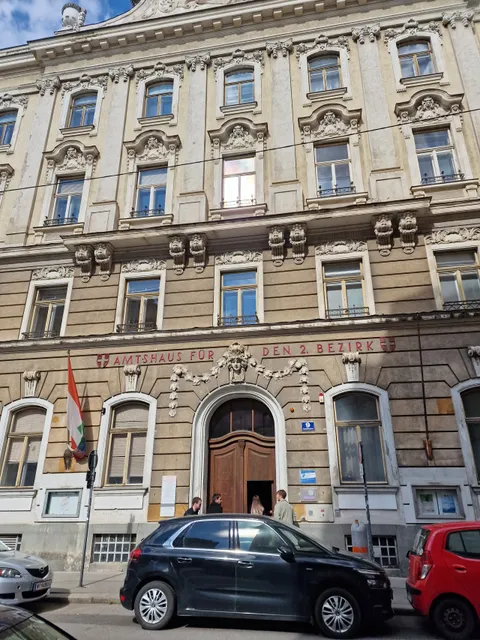
Bezirksmuseum Leopoldstadt
4.6
(20)
Open until 12:00 AM
Click for details
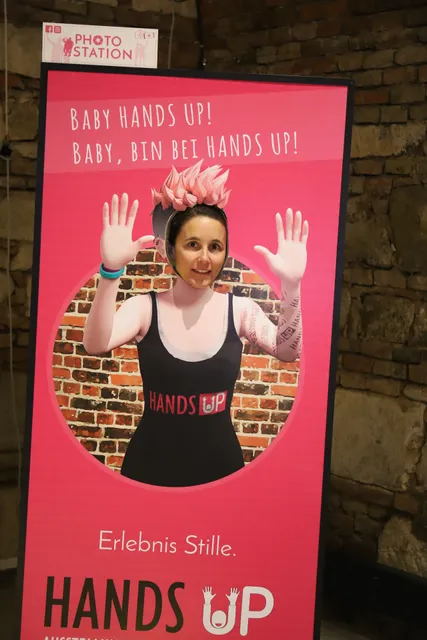
HANDS UP - Erlebnis Stille.
4.5
(28)
Open until 5:20 PM
Click for details
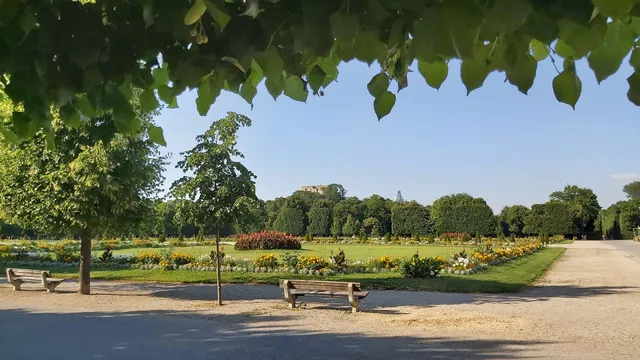
Augarten Haupttor
4.6
(123)
Open until 12:00 AM
Click for details
Nearby restaurants of Vienna Crime Museum
Schöne Perle
Leopold Essen & Trinken
Los Mexikas
Pizza Mari
La Massa Ristorante Pizzeria
Caffè Altenberg
Pisqu
Weinschenke am Karmelitermarkt
Wulfisch Fisch & Wein Bistro
cafemima
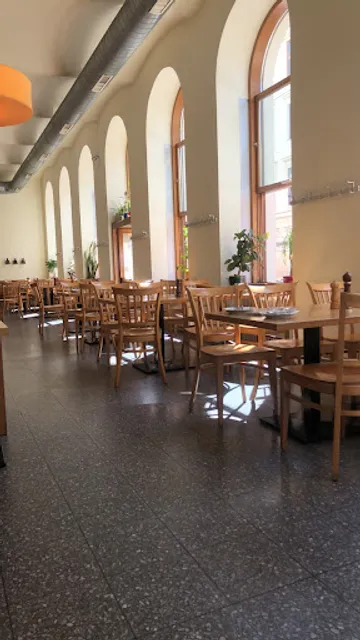
Schöne Perle
4.1
(910)
Closed
Click for details
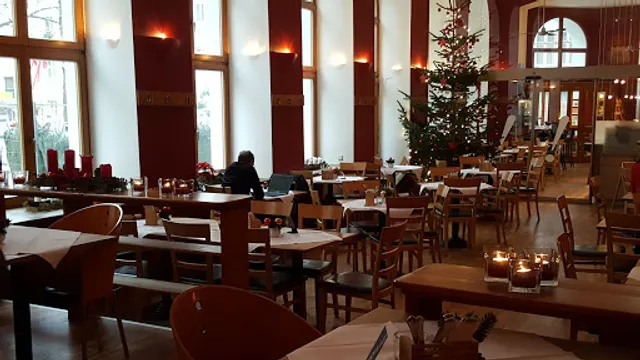
Leopold Essen & Trinken
4.1
(614)
Closed
Click for details
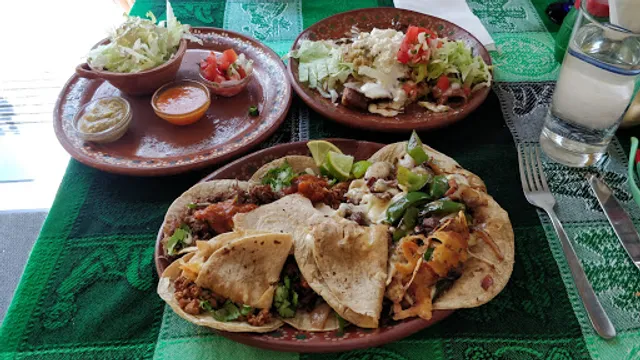
Los Mexikas
4.5
(513)
Closed
Click for details
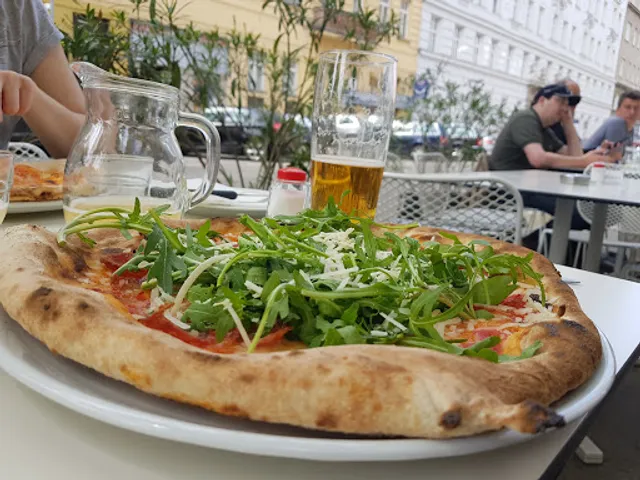
Pizza Mari
4.5
(1.6K)
Closed
Click for details
Nearby local services of Vienna Crime Museum
Hollandstraße 10
Rumpelkiste
Wien
Schmelzgasse 9
Tadım Kebap
Dulceria Chocolates
Patisserie Marischka
City Cruises Vienna - DDSG Blue Danube
Webster Vienna Private University
Zov Homolja Grill
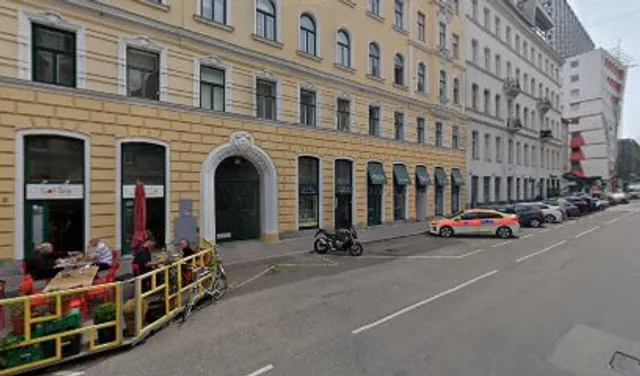
Hollandstraße 10
4.4
(616)
Click for details
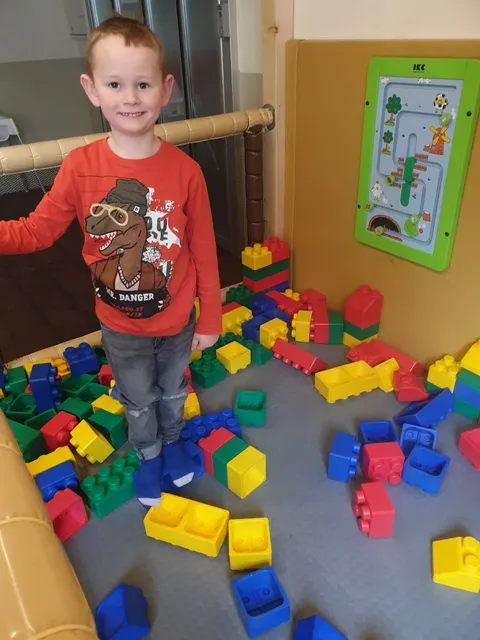
Rumpelkiste
4.5
(62)
Click for details
Wien
4.5
(44)
Click for details
Schmelzgasse 9
4.9
(136)
Click for details