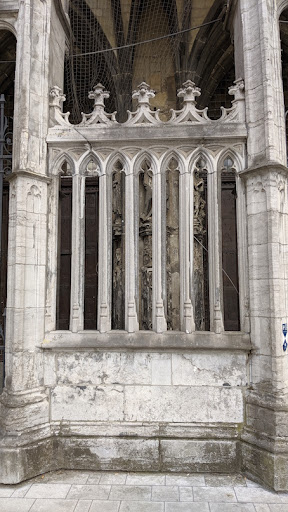
Cathedral of Notre-Dame of Tournai things to do, attractions, restaurants, events info and trip planning
Basic Info
Cathedral of Notre-Dame of Tournai
Pl. de l'Evêché 1, 7500 Tournai, Belgium
4.5(907)
Closed
Save
spot
spot
Ratings & Description
Info
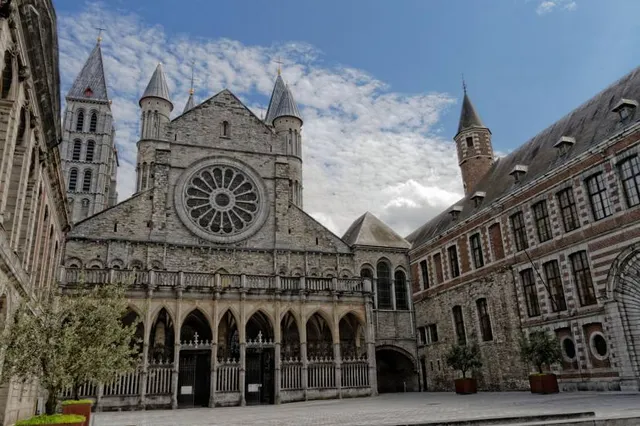
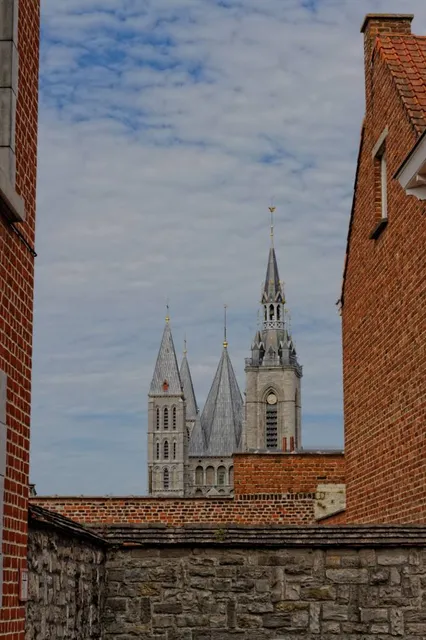
The Cathedral of Our Lady, or Tournai Cathedral, is a Roman Catholic cathedral, see of the Diocese of Tournai in Tournai, Belgium. It has been classified both as a Wallonia's major heritage since 1936 and as a World Heritage Site since 2000.
Cultural
Accessibility
attractions: Tourist Office of Tournai - Tournai Visit, Belfry of Tournai, maison Tournaisienne, Home De La Marionnette, Église catholique Saint-Jacques à Tournai, Museum of Fine Arts, Tournai Archaeology Museum, Museum of Decorative Arts (Porcelain), restaurants: MONTE CRISTO, Le Pinacle, Comptoir 17, La Maison Des Grillades, O'Moules Tournai, Libeirut, Bel'sy, Cannelle et safran - Tournai, Brasserie Le Beffroi, Olivia Boire & Manger, local businesses: Bishop of Tournai, Military History Museum, Pizza Enzo
 Learn more insights from Wanderboat AI.
Phone
+32 69 45 26 50
Website
cathedrale-tournai.be
Open hoursSee all hours
Wed9 AM - 5 PMClosed
Plan your stay

Pet-friendly Hotels in Tournai
Find a cozy hotel nearby and make it a full experience.

Affordable Hotels in Tournai
Find a cozy hotel nearby and make it a full experience.

The Coolest Hotels You Haven't Heard Of (Yet)
Find a cozy hotel nearby and make it a full experience.

Trending Stays Worth the Hype in Tournai
Find a cozy hotel nearby and make it a full experience.
Reviews
Live events
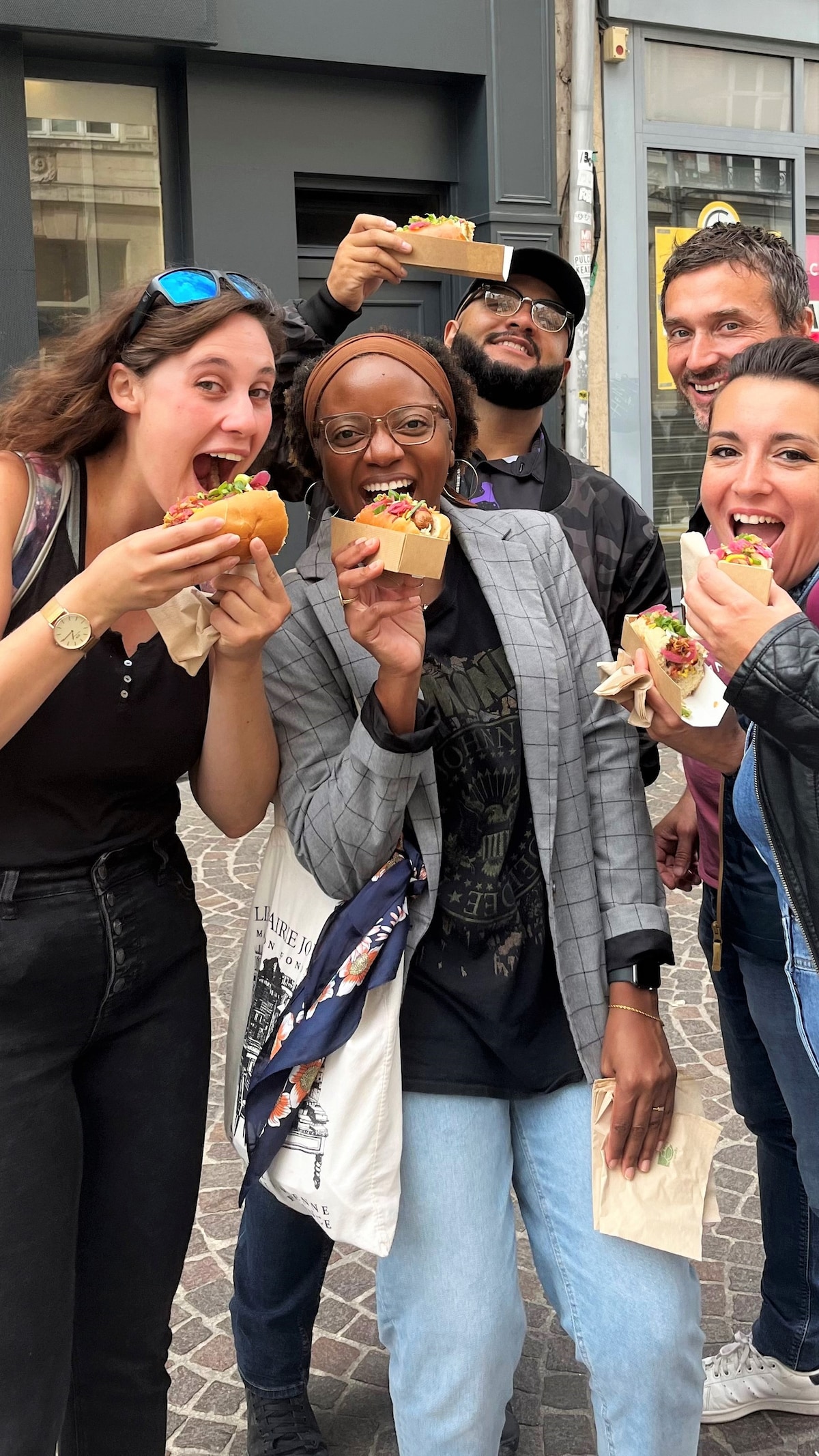
No Diet Club - Unique local food in Lille
Sat, Jan 31 • 12:00 PM
59800, Lille, France
View details

Candlelight : hommage à Queen
Thu, Jan 29 • 9:00 PM
3 Rue Pierre Mauroy, Lille, 59000
View details
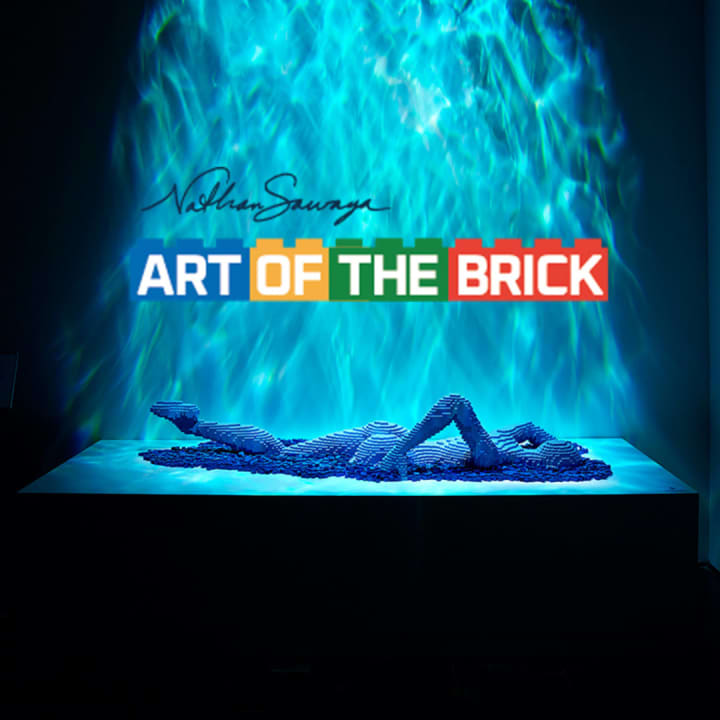
The Art of the Brick : Exposition dart en LEGO®
Thu, Jan 29 • 10:00 AM
Place de Saintignon, 165 Avenue de Bretagne, Lille, 59000
View details
Nearby attractions of Cathedral of Notre-Dame of Tournai
Tourist Office of Tournai - Tournai Visit
Belfry of Tournai
maison Tournaisienne
Home De La Marionnette
Église catholique Saint-Jacques à Tournai
Museum of Fine Arts
Tournai Archaeology Museum
Museum of Decorative Arts (Porcelain)
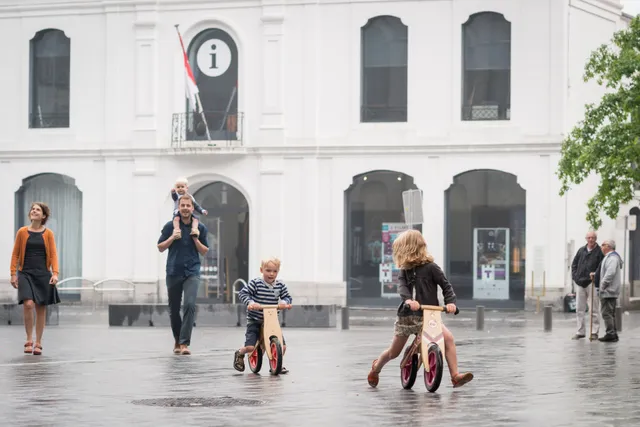
Tourist Office of Tournai - Tournai Visit
4.4
(293)
Closed
Click for details
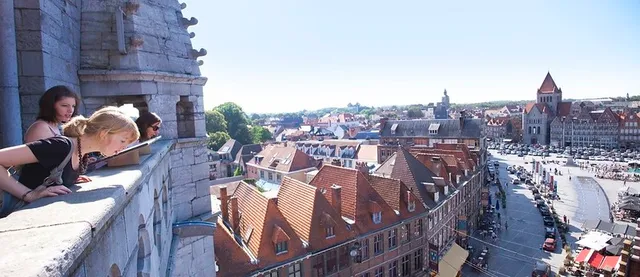
Belfry of Tournai
4.2
(486)
Closed
Click for details
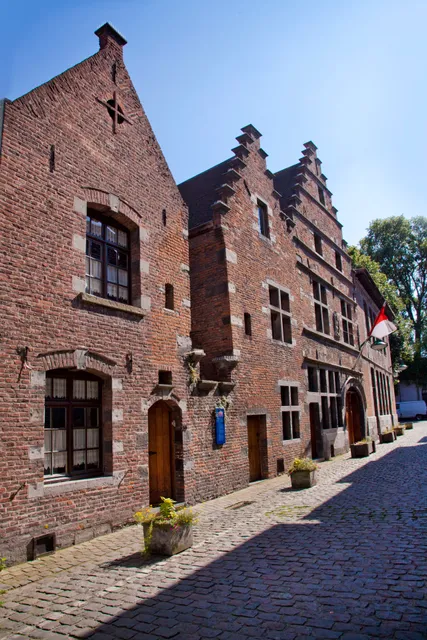
maison Tournaisienne
4.5
(130)
Closed
Click for details
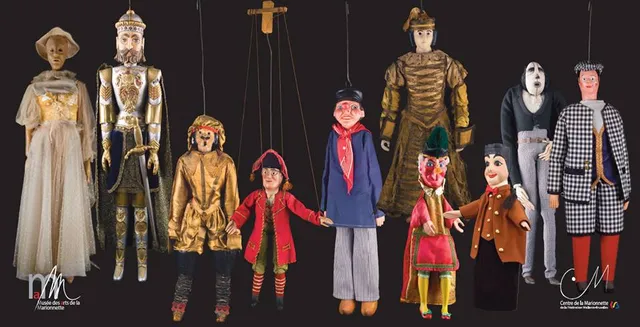
Home De La Marionnette
4.4
(39)
Closed
Click for details
Nearby restaurants of Cathedral of Notre-Dame of Tournai
MONTE CRISTO
Le Pinacle
Comptoir 17
La Maison Des Grillades
O'Moules Tournai
Libeirut
Bel'sy
Cannelle et safran - Tournai
Brasserie Le Beffroi
Olivia Boire & Manger
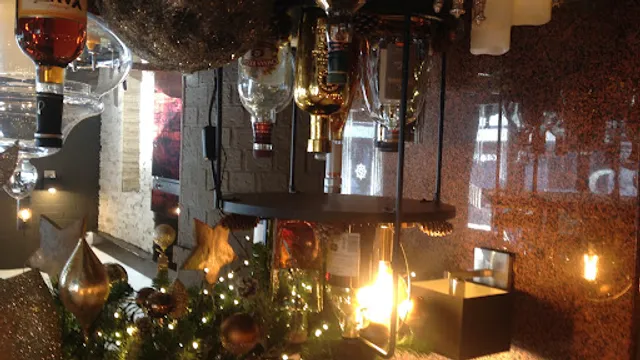
MONTE CRISTO
4.4
(638)
Open until 12:00 AM
Click for details
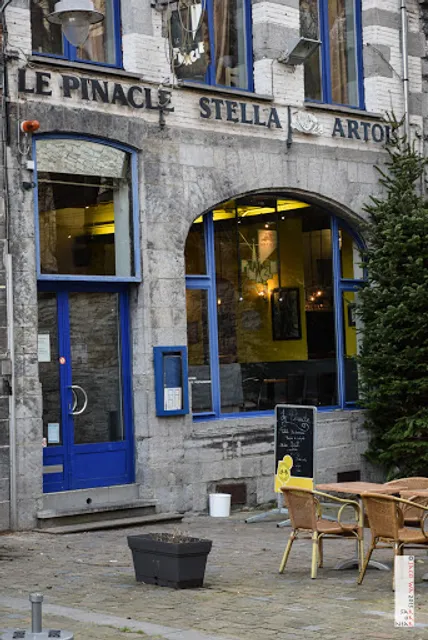
Le Pinacle
3.7
(231)
Open until 11:00 PM
Click for details
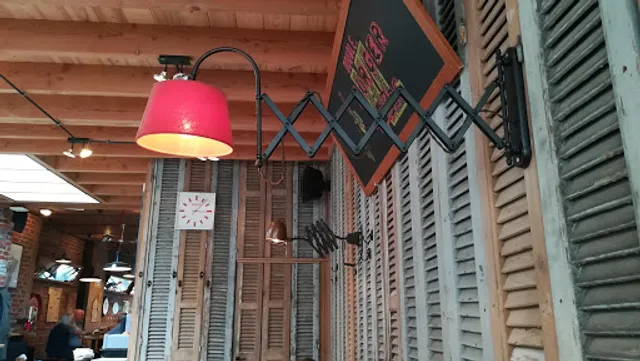
Comptoir 17
4.2
(556)
Open until 12:00 AM
Click for details
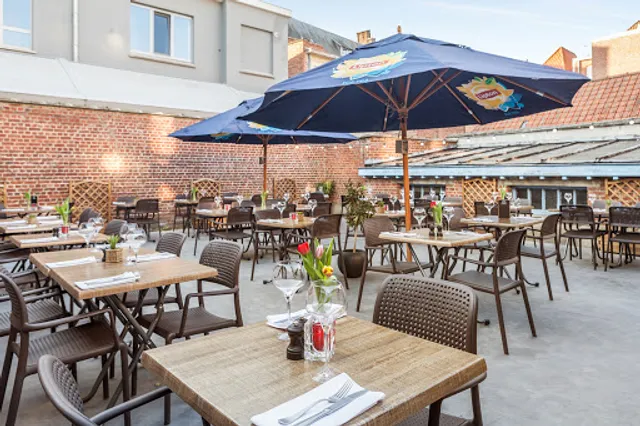
La Maison Des Grillades
4.2
(577)
$$
Closed
Click for details
Nearby local services of Cathedral of Notre-Dame of Tournai
Bishop of Tournai
Military History Museum
Pizza Enzo
Bishop of Tournai
4.4
(69)
Click for details
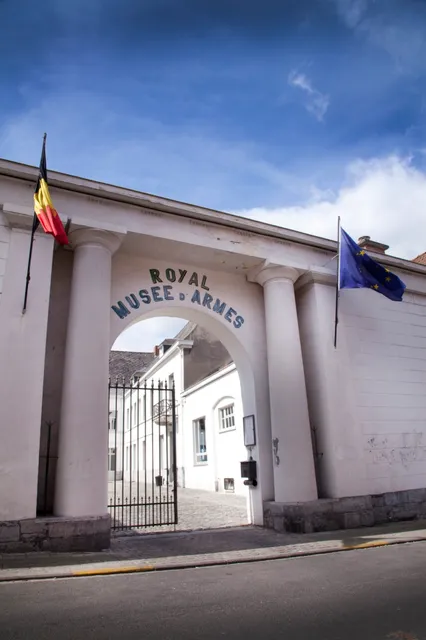
Military History Museum
4.3
(101)
Click for details

Pizza Enzo
4.4
(74)
Click for details