Cais do Valongo things to do, attractions, restaurants, events info and trip planning

Basic Info
Cais do Valongo
Av. Barão de Tefé - Saúde, Rio de Janeiro - RJ, 20220-460, Brazil
4.6(835)
Open until 12:00 AM
Save
spot
spot
Ratings & Description
Info
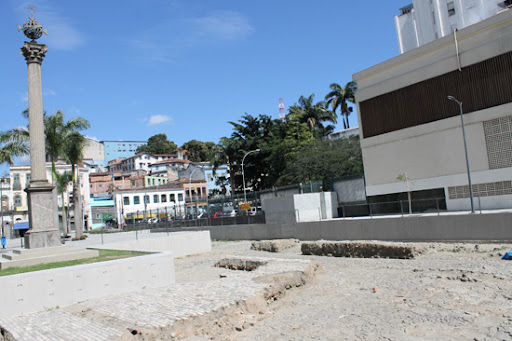
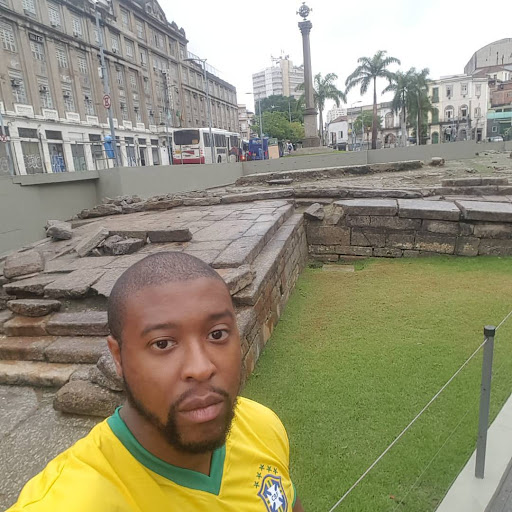
The Valongo Wharf is an old dock located in the port area of Rio de Janeiro, between the current Coelho e Castro and Sacadura Cabral streets. Built in 1811, it was the site of landing and trading of enslaved Africans until 1831, with the blockade of Africa banning the Atlantic slave trade to Brazil.
Cultural
Scenic
Accessibility
attractions: Pedra do Sal, Kobra "Etnias" Mural, Hanging Garden of Valongo, Galeria Okan Mimó, Pequena África, Largo de São Francisco da Prainha, Rio Museum of Art, Plaza Mauá, Pier Mauá, Museu do Amanhã, restaurants: Gracioso (SAN MARTIN), Casa Omolokum, Déguster Café, Casa Porto, Angu do Gomes, Bodega do Sal, Bar e restaurante larbac, Dois de Fevereiro, Portinho - Mercado Local, Armazém 04, local businesses: Sacadura 154, Armazém 2, Escritório Granado | Phebo, Jazz da Gamboa, Morro da Conceição, Mercadoce, Casa Caça e Pesca do Rio, Pier Mauá, Sebra - Clothes for Cold, Boulevard Olímpico
 Learn more insights from Wanderboat AI.
Open hoursSee all hours
WedOpen 24 hoursOpen
Plan your stay

Pet-friendly Hotels in Região Geográfica Imediata do Rio de Janeiro
Find a cozy hotel nearby and make it a full experience.

Affordable Hotels in Região Geográfica Imediata do Rio de Janeiro
Find a cozy hotel nearby and make it a full experience.

The Coolest Hotels You Haven't Heard Of (Yet)
Find a cozy hotel nearby and make it a full experience.

Trending Stays Worth the Hype in Região Geográfica Imediata do Rio de Janeiro
Find a cozy hotel nearby and make it a full experience.
Reviews
Live events
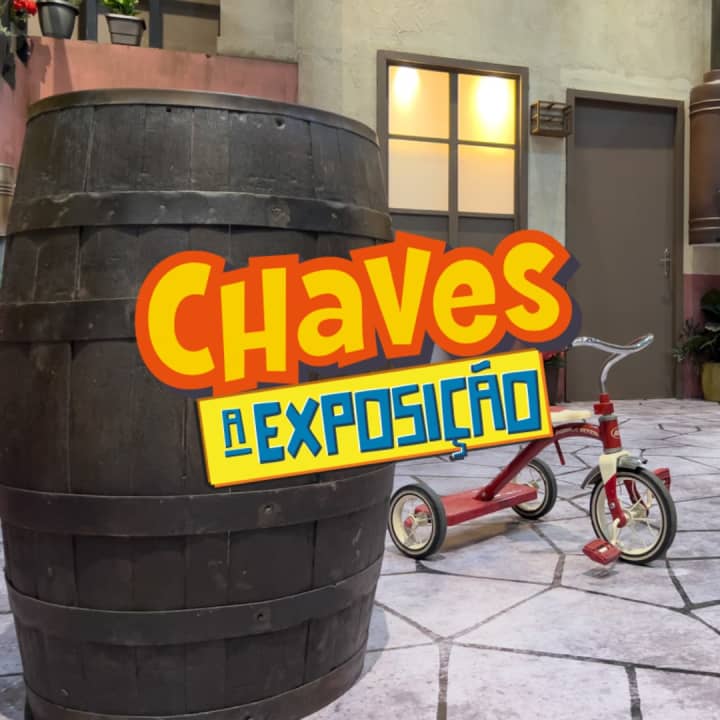
Chaves: A exposição - Rio de Janeiro
Wed, Feb 25 • 6:00 PM
Av. Ayrton Senna, 3000 - Barra da Tijuca, Rio de Janeiro, 22775-904
View details

Maracanã Football Game - transportation included
Thu, Feb 26 • 6:00 PM
Rio de Janeiro, Rio de Janeiro, 22420-030, Brazil
View details

Rocinha Favela - immersive activity
Wed, Feb 25 • 6:15 PM
Rio de Janeiro, Rio de Janeiro, 22450-221, Brazil
View details
Nearby attractions of Cais do Valongo
Pedra do Sal
Kobra "Etnias" Mural
Hanging Garden of Valongo
Galeria Okan Mimó
Pequena África
Largo de São Francisco da Prainha
Rio Museum of Art
Plaza Mauá
Pier Mauá
Museu do Amanhã
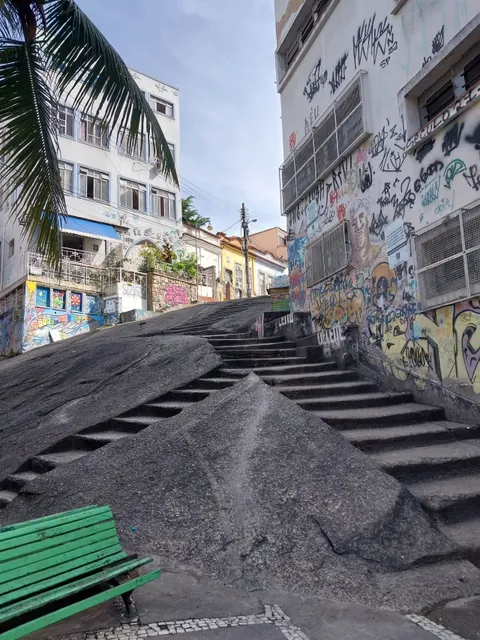
Pedra do Sal
4.6
(7.8K)
Open until 12:00 AM
Click for details
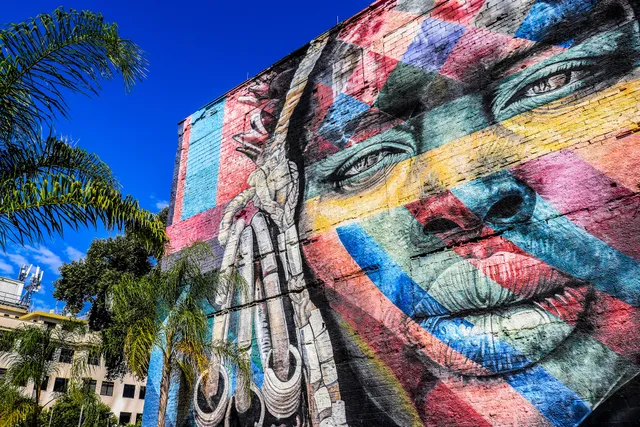
Kobra "Etnias" Mural
4.8
(5.8K)
Open until 12:00 AM
Click for details
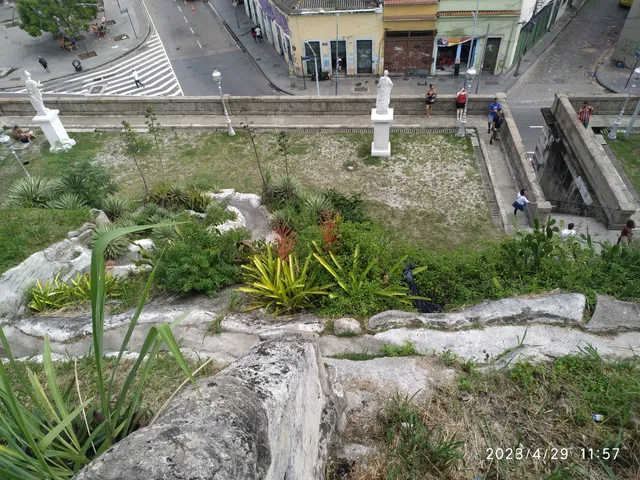
Hanging Garden of Valongo
4.3
(394)
Closed
Click for details

Galeria Okan Mimó
5.0
(91)
Closed
Click for details
Nearby restaurants of Cais do Valongo
Gracioso (SAN MARTIN)
Casa Omolokum
Déguster Café
Casa Porto
Angu do Gomes
Bodega do Sal
Bar e restaurante larbac
Dois de Fevereiro
Portinho - Mercado Local
Armazém 04
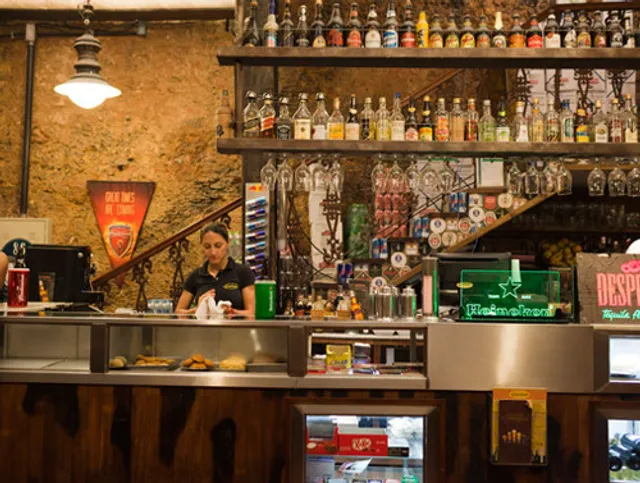
Gracioso (SAN MARTIN)
4.4
(716)
Open until 10:00 PM
Click for details
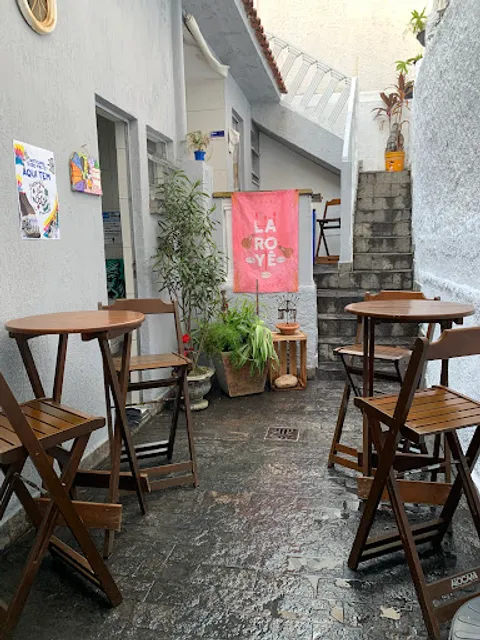
Casa Omolokum
4.8
(326)
Open until 12:00 AM
Click for details
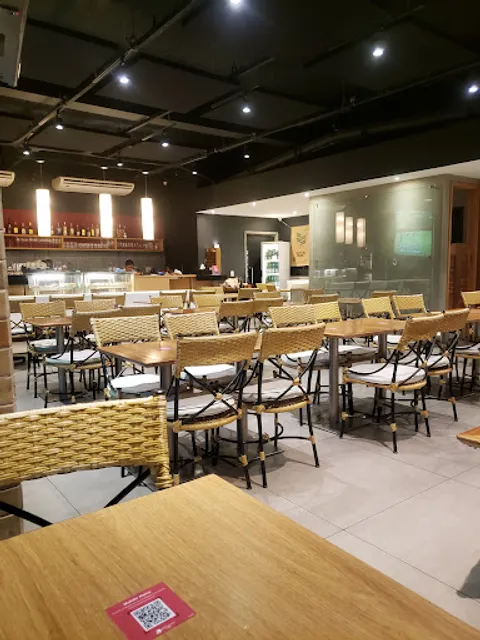
Déguster Café
4.4
(275)
Closed
Click for details
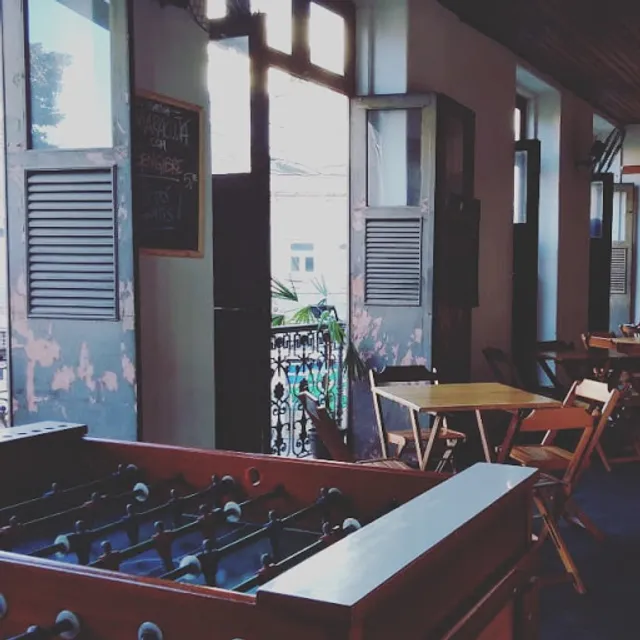
Casa Porto
4.5
(1.1K)
Open until 10:00 PM
Click for details
Nearby local services of Cais do Valongo
Sacadura 154
Armazém 2
Escritório Granado | Phebo
Jazz da Gamboa
Morro da Conceição
Mercadoce
Casa Caça e Pesca do Rio
Pier Mauá
Sebra - Clothes for Cold
Boulevard Olímpico
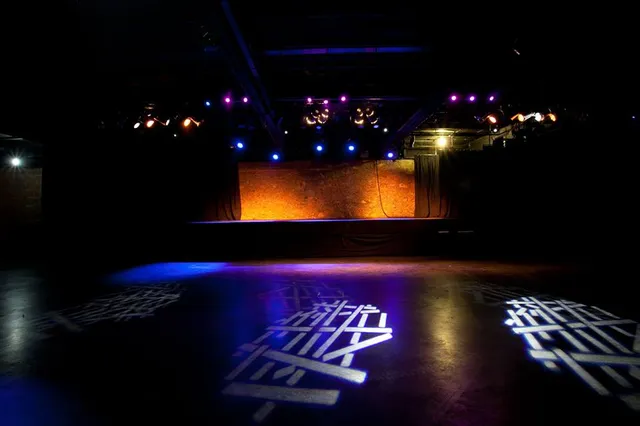
Sacadura 154
4.4
(490)
Click for details
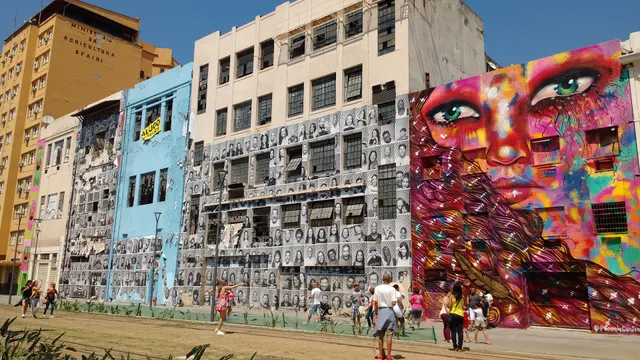
Armazém 2
4.5
(829)
Click for details
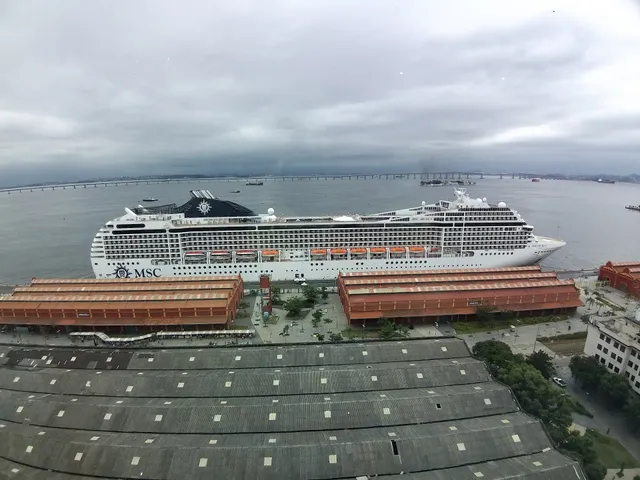
Escritório Granado | Phebo
4.7
(46)
Click for details
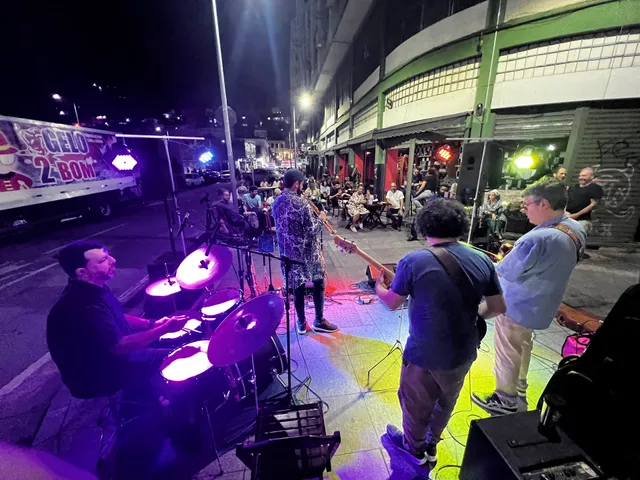
Jazz da Gamboa
5.0
(14)
Click for details