HTML SitemapExplore
logo
Find Things to DoFind The Best Restaurants

National Museum of History — Attraction in Sofia City

Name
National Museum of History
Description
Nearby attractions
Boyana Residency
Rezidentsia BoyanaVitosha, 1618 Sofia, Bulgaria
Nearby restaurants
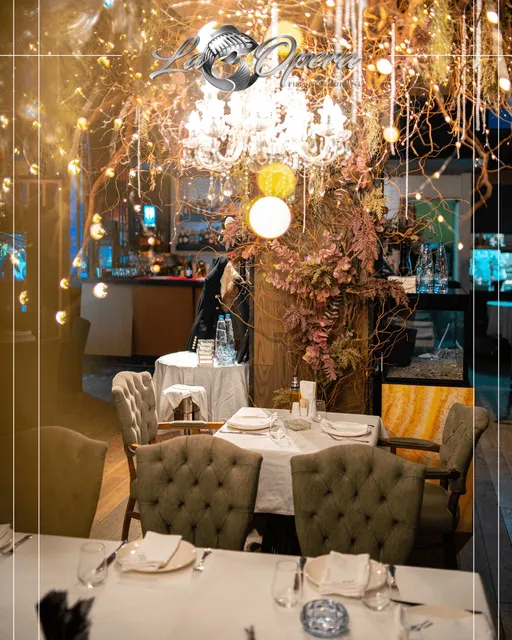
Opera
Manastirski Livadi, lane “ Okolovrasten pat” 3 1618, 1618 Sofia, Bulgaria
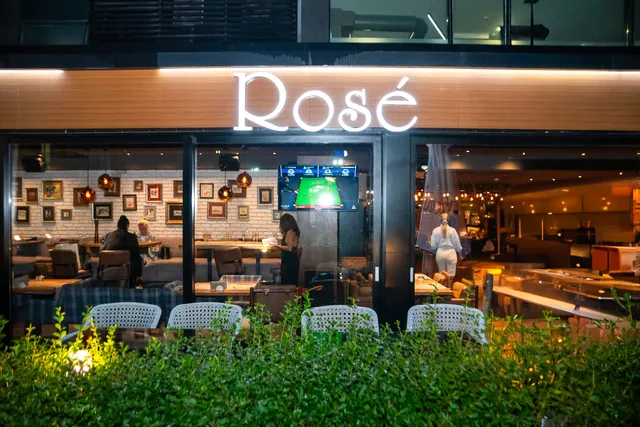
Rose restaurant
Manastirski Livadi, Bulgaria Blvd 132, 1618 Sofia, Bulgaria
Greek Restaurant KUMBARE
BojanaVitosha, ul. "Daskal Stoyan Popandreev" 50, 1616 Sofia, Bulgaria
Greek Restaurant
Pavlovo, ul. "General Aleksandar V. Suvorov" 68, 1618 Sofia, Bulgaria
Related posts
Keywords
National Museum of History tourism.National Museum of History hotels.National Museum of History bed and breakfast. flights to National Museum of History.National Museum of History attractions.National Museum of History restaurants.National Museum of History travel.National Museum of History travel guide.National Museum of History travel blog.National Museum of History pictures.National Museum of History photos.National Museum of History travel tips.National Museum of History maps.National Museum of History things to do.
National Museum of History things to do, attractions, restaurants, events info and trip planning
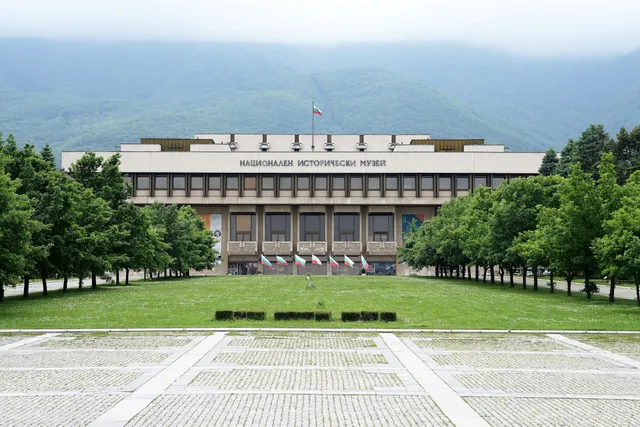
National Museum of History
BulgariaSofia CityNational Museum of History

Basic Info

National Museum of History

BoyanaVitosha, ul. "Vitoshko lale" 16, 1618 Sofia, Bulgaria
4.6(2.3K)
Closed
Save
spot

Ratings & Description

Info

Cultural
Accessibility
attractions: Boyana Residency, restaurants: Opera, Rose restaurant, Greek Restaurant KUMBARE, Greek Restaurant
logoLearn more insights from Wanderboat AI.
Phone
+359 2 955 4280
Website
historymuseum.org
Open hoursSee all hours
Fri9:30 AM - 6 PMClosed

Plan your stay

hotel
Pet-friendly Hotels in Sofia City
Find a cozy hotel nearby and make it a full experience.
hotel
Affordable Hotels in Sofia City
Find a cozy hotel nearby and make it a full experience.
hotel
The Coolest Hotels You Haven't Heard Of (Yet)
Find a cozy hotel nearby and make it a full experience.
hotel
Trending Stays Worth the Hype in Sofia City
Find a cozy hotel nearby and make it a full experience.

Reviews

Nearby attractions of National Museum of History

Boyana Residency

Boyana Residency

Boyana Residency

4.5

(2.1K)

Open 24 hours
Click for details

Things to do nearby

Taste Bulgarian wines in Sofia
Thu, Dec 4 • 4:00 PM
1000, Sofia, Sofia City Province, Bulgaria
View details
Tour to Rila Monastery and Boyana Church
Fri, Dec 5 • 8:00 AM
1504, Sofia, Sofia City Province, Bulgaria
View details
Escape Sofia: horse ride through Bulgarias beauty
Fri, Dec 5 • 6:30 AM
1421, Sofia, Sofia City Province, Bulgaria
View details

Nearby restaurants of National Museum of History

Opera

Rose restaurant

Greek Restaurant KUMBARE

Greek Restaurant

Opera

Opera

4.5

(218)

Click for details
Rose restaurant

Rose restaurant

4.3

(176)

$$$

Click for details
Greek Restaurant KUMBARE

Greek Restaurant KUMBARE

4.3

(172)

Click for details
Greek Restaurant

Greek Restaurant

4.3

(108)

Closed
Click for details
Get the Appoverlay
Get the AppOne tap to find yournext favorite spots!
Wanderboat LogoWanderboat

Your everyday Al companion for getaway ideas

CompanyAbout Us
InformationAI Trip PlannerSitemap
SocialXInstagramTiktokLinkedin
LegalTerms of ServicePrivacy Policy

Get the app

© 2025 Wanderboat. All rights reserved.
logo

Reviews of National Museum of History

4.6
(2,285)
avatar
1.0
2y

Very disappointing.

The museum is on the outskirts of the city so it’s a 25 minute drive (I used the bus no 304). They charge 12 LEV per person, which is a lot more than some of the other museums in the city centre charge. The building itself is quite special, but was built under the Communist regime as a government building, so hardly something the museum can take credit for.

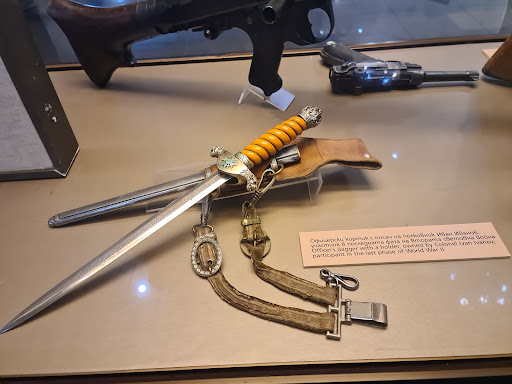
Best way to describe the exhibits was as bits and pieces put together seemingly rather haphazardly with very little historical background provided by a way of commentary. So for example, in the middle of an exhibit room, I stumbled upon one isolated case which contained a few exhibits relevant to the latter stages of the Second World War but without any proper explanation as to the historical background.

There was text in English for most of the exhibits but it was in a font size which was too small with an unsuitable colour for background and located within the glass cases, so the overall effect was it was difficult to read!

There was a bit in the museum about the unification of Bulgaria, arising out of the removal of the Ottoman Empire after the Russo-Turkish war but no proper explanation of how the war arose, how Bulgarians were involved etc. You had to read between the lines and I found myself regularly having to look on the Internet on my phone to get proper explanations of the historical events which were being referred to in the museum. It was certainly a big contrast to the National History Museum in Bucharest which was far better at offering the historical background for events.

Rather, ironically, they had a section in the museum devoted to current and previous directors and administrators of the museum!

Very unimpressed and poor value for money compared to, for example, the Sofia History museum which is located in the centre of town, charged 50% less and was far more worthwhile (some very interesting exhibits relating to the education/upbringing of children under the communist regime).

I had wondered why the guidebooks I took with me to Bulgaria did not mention the National History Museum. I know now why, it’s because it’s not...

   Read more
avatar
5.0
1y

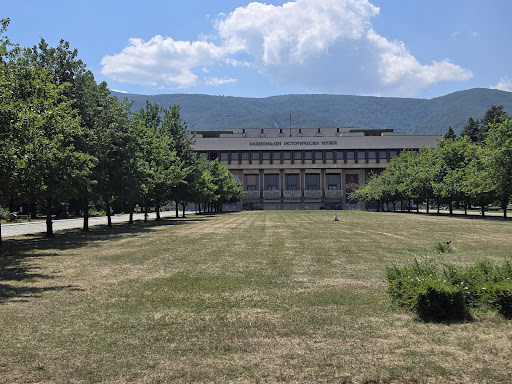
The National Museum of History in Sofia is a must-see for everyone interested in the great history of Bulgaria. The best time to visit is Sunday afternoon - not too many visitors and be ready to spend 3-4 hours inside. The building itself is in the late 20th century grand design beautifully situated at the feet of the mountain Vitosha. Inside the building is surprising us with a great symbiosis of white marble and carved wood, fantastic lighting, and numerous exhibitions spread out on the three floors. They cover the time from the Paleolite, Neolite, through Metal Eras, Elinistic, Roman, to the end of the WWII and nowadays Bulgarian History. Exhibitions are huge, rich in artifacts, with explanations both in Bulgarian and English languages, which makes it very easy for foreigners to visit by themselves and take their time. Almost all of the people working there speak English or other languages. They are very helpful and answer all your questions. Taking pictures is allowed without a flash( the lighting is enough). The tickets are 15 lv/ per adult and you can buy them from there. Restrooms are clean and on the 1st floor. There is a shop for souvenirs and a cafe. There is a garden behind the building to visit. You can go there using the transit( trolleybus 2 and bus 107) or with a taxi or a car. If you have more time, you can combine going to the National Museum of History and the Boyana Church nearby. It would be an unforgettable experience!...

   Read more
avatar
2.0
2y

I wasn't fascinated. I am native and I brought some guests from abroad to show them our history. I haven't visited in 10 years, so I really didn't remember what is inside. But honestly I was disappointed, the building is great, it is spacious, the exhibitions are ordered chronologically and this is fine, but the way history is exposed is not so nice. There are just a few informative labels with really hard facts of some particular events or short periods of the history. I've tried explaining to our guests some facts but it was hard.

At the end we had to get a tour guide so she can explain the foreigners more and we had to through the whole museum again.

In the 21st century it is unacceptable for a museum of such rank and importance to not have more interactive ways of explaining the history behind all the exhibits. I understand that its 1300 years of history only for the Bulgarian country and at least that much before that, however some audio guides, interactive timelines and more animated narrations of major historic events may be just enough to bring the museum to live and present the exhibits better.

One thing every bulgarian is particulary proud of is that once we were ruling almost the whole peninsula and had 3 seas and this was shown just on 2 old maps next to the doors of the medieval hall.

I believe we can emphasize much better on our amazing history and to make every visitor of the museum going out of it fascinated by the...

   Read more
Page 1 of 7
Previous
Next

Posts

Nikoleta BoydNikoleta Boyd
The National Museum of History in Sofia is a must-see for everyone interested in the great history of Bulgaria. The best time to visit is Sunday afternoon - not too many visitors and be ready to spend 3-4 hours inside. The building itself is in the late 20th century grand design beautifully situated at the feet of the mountain Vitosha. Inside the building is surprising us with a great symbiosis of white marble and carved wood, fantastic lighting, and numerous exhibitions spread out on the three floors. They cover the time from the Paleolite, Neolite, through Metal Eras, Elinistic, Roman, to the end of the WWII and nowadays Bulgarian History. Exhibitions are huge, rich in artifacts, with explanations both in Bulgarian and English languages, which makes it very easy for foreigners to visit by themselves and take their time. Almost all of the people working there speak English or other languages. They are very helpful and answer all your questions. Taking pictures is allowed without a flash( the lighting is enough). The tickets are 15 lv/ per adult and you can buy them from there. Restrooms are clean and on the 1st floor. There is a shop for souvenirs and a cafe. There is a garden behind the building to visit. You can go there using the transit( trolleybus 2 and bus 107) or with a taxi or a car. If you have more time, you can combine going to the National Museum of History and the Boyana Church nearby. It would be an unforgettable experience! Don't miss it!
Miroslava VylkovaMiroslava Vylkova
Националният исторически музей е създаден на 5 май 1973 г. Той е национална съкровищница на Република България, хранилище на реликви от световен мащаб и един от най-големите исторически музеи на Балканския полуостров. В него се съхраняват над 650 000 паметници на културата и огромен археологически и исторически архив. 01. Съдебната палата Първата представителна експозиция на музея открита през 1984 г. в чест на 1300-годишнината от създаването на българската държава в Съдебната палата в София на площ от 10 000 кв.м. През 2000 г. НИМ е преместен в подножието на планината Витоша – в бившия дом № 1 на правителствената резиденция, в която на 10 ноември 1989 г. е взето решение за свалянето на последния комунистически лидер на България Тодор Живков. Чрез над 10 000 експонати на площ от около 6000 кв.м. тук е представена историята на днешните български земи (от VІІ хилядолетие пр. Хр. до средата на ХХ в.). Музеят разполага с прекрасен парк с лапидариум. 02. Експозицията в Съдебната палата Със своите колекции Националният исторически музей е българският музей с най-широка тематика и представителна експозиция. В него се показват съкровищата на България. Сред най-ценните от тях са златните тракийски съкровища, разнесли славата на България по цял свят. Това са части от Варненското съкровище, което представлява най-старото обработено злато на територията на Европа, датирано в V хилядолетие пр. Хр. и златните огърлици от Дъбене, Карловско от началото на ІІІ хилядолетие пр. Хр., изработени с такава невероятна прецизност, която затруднява и удивлява дори съвременните златари. В музея са и златни дарове и предмети, принадлежали на тракийски царе – прочутото Панагюрско златно съкровище от края на ІV и началото на ІІІ в. Пр. Хр. с общо тегло 6.165 кг., златният венец и пръстен-печат с изображение на Великата богиня майка от ІV в. Пр. Хр., открити при разкопки край с. Златиница, Ямболско, обеца (наушник) от с. Синеморец, представляваща богинята Нике на колесница с два коня и принадлежала на знатна тракийка (вероятно жрица) и др. Повечето от тези уникати най-често са в състава на представителни български изложби в чужбина. 03. Сегашната сграда на НИМ Редица експонати очертават величието на средновековната българска държава - третата империя в Европа (след Византийската и Франкската империи): каменни колони с летописни, триумфални, строителни и възпоменателни надписи; владетелски печати-моливдовули на цар Борис-Михаил (852-889), на цар Симеон Велики (893-927), цар Петър (927-970), богати колекции от съдове, нагръдни кръстове, накити, най-големият български златен средновековен пръстен (61.15 гр.) на цар Калоян (1197-1207), 11 сребърни и златни съкровища, монети и въоръжение; Свидетелства за епохалното дело на братята св. св. Кирил и Методий, извършили истински революционен акт за средновековна Европа със създаването през 855 г. на славянската азбука са произведения на Преславската и Охридската книжовни и духовни школи и др. 04. Експозицията. Зала 3 в Бояна през 2000г. Ценни експонати демонстрират запазената духовност на българите в периода на османското владичество (ХІV-ХІХ в.) – десетки забележителни произведения на изобразителното изкуство и на златарството, църковна утвар, тъкани и ръкописи, икони. Третото българско царство (1878-1946) е представено с оригинални експонати от “царската колекция” на българската Кобургготска династия, с лични вещи на видни български политици, културни дейци и общественици. Тук е и богатата етнографска колекция на музея, включваща традиционно облекло, накити и др. от всички краища на страната.
Evelin IlievEvelin Iliev
This was my first visit to the museum. Somehow I expected more but still I was fascinated from all the exhibits. You can feel the history at this place. In my opinion, there too many stones and columns from Roman times. Unfortunately, some of the most important exhibits are copies. The interior needs to be refurbished and put into the modern age - otherwise communism can be felt from every corner. 😁 Toilets are clean but old. There's a small café on the 2nd floor, hall 3. Prices there are fair but cash only. Regular entry fee for the museum is 12 BGN, paid with a Revolut card. In general, the museum with the adjacent park at the foothill of Vitosha mountain is a great place for groups and families. Highly recommend it.
See more posts
See more posts
hotel
Find your stay

Pet-friendly Hotels in Sofia City

Find a cozy hotel nearby and make it a full experience.

The National Museum of History in Sofia is a must-see for everyone interested in the great history of Bulgaria. The best time to visit is Sunday afternoon - not too many visitors and be ready to spend 3-4 hours inside. The building itself is in the late 20th century grand design beautifully situated at the feet of the mountain Vitosha. Inside the building is surprising us with a great symbiosis of white marble and carved wood, fantastic lighting, and numerous exhibitions spread out on the three floors. They cover the time from the Paleolite, Neolite, through Metal Eras, Elinistic, Roman, to the end of the WWII and nowadays Bulgarian History. Exhibitions are huge, rich in artifacts, with explanations both in Bulgarian and English languages, which makes it very easy for foreigners to visit by themselves and take their time. Almost all of the people working there speak English or other languages. They are very helpful and answer all your questions. Taking pictures is allowed without a flash( the lighting is enough). The tickets are 15 lv/ per adult and you can buy them from there. Restrooms are clean and on the 1st floor. There is a shop for souvenirs and a cafe. There is a garden behind the building to visit. You can go there using the transit( trolleybus 2 and bus 107) or with a taxi or a car. If you have more time, you can combine going to the National Museum of History and the Boyana Church nearby. It would be an unforgettable experience! Don't miss it!
Nikoleta Boyd

Nikoleta Boyd

hotel
Find your stay

Affordable Hotels in Sofia City

Find a cozy hotel nearby and make it a full experience.

Get the Appoverlay
Get the AppOne tap to find yournext favorite spots!
Националният исторически музей е създаден на 5 май 1973 г. Той е национална съкровищница на Република България, хранилище на реликви от световен мащаб и един от най-големите исторически музеи на Балканския полуостров. В него се съхраняват над 650 000 паметници на културата и огромен археологически и исторически архив. 01. Съдебната палата Първата представителна експозиция на музея открита през 1984 г. в чест на 1300-годишнината от създаването на българската държава в Съдебната палата в София на площ от 10 000 кв.м. През 2000 г. НИМ е преместен в подножието на планината Витоша – в бившия дом № 1 на правителствената резиденция, в която на 10 ноември 1989 г. е взето решение за свалянето на последния комунистически лидер на България Тодор Живков. Чрез над 10 000 експонати на площ от около 6000 кв.м. тук е представена историята на днешните български земи (от VІІ хилядолетие пр. Хр. до средата на ХХ в.). Музеят разполага с прекрасен парк с лапидариум. 02. Експозицията в Съдебната палата Със своите колекции Националният исторически музей е българският музей с най-широка тематика и представителна експозиция. В него се показват съкровищата на България. Сред най-ценните от тях са златните тракийски съкровища, разнесли славата на България по цял свят. Това са части от Варненското съкровище, което представлява най-старото обработено злато на територията на Европа, датирано в V хилядолетие пр. Хр. и златните огърлици от Дъбене, Карловско от началото на ІІІ хилядолетие пр. Хр., изработени с такава невероятна прецизност, която затруднява и удивлява дори съвременните златари. В музея са и златни дарове и предмети, принадлежали на тракийски царе – прочутото Панагюрско златно съкровище от края на ІV и началото на ІІІ в. Пр. Хр. с общо тегло 6.165 кг., златният венец и пръстен-печат с изображение на Великата богиня майка от ІV в. Пр. Хр., открити при разкопки край с. Златиница, Ямболско, обеца (наушник) от с. Синеморец, представляваща богинята Нике на колесница с два коня и принадлежала на знатна тракийка (вероятно жрица) и др. Повечето от тези уникати най-често са в състава на представителни български изложби в чужбина. 03. Сегашната сграда на НИМ Редица експонати очертават величието на средновековната българска държава - третата империя в Европа (след Византийската и Франкската империи): каменни колони с летописни, триумфални, строителни и възпоменателни надписи; владетелски печати-моливдовули на цар Борис-Михаил (852-889), на цар Симеон Велики (893-927), цар Петър (927-970), богати колекции от съдове, нагръдни кръстове, накити, най-големият български златен средновековен пръстен (61.15 гр.) на цар Калоян (1197-1207), 11 сребърни и златни съкровища, монети и въоръжение; Свидетелства за епохалното дело на братята св. св. Кирил и Методий, извършили истински революционен акт за средновековна Европа със създаването през 855 г. на славянската азбука са произведения на Преславската и Охридската книжовни и духовни школи и др. 04. Експозицията. Зала 3 в Бояна през 2000г. Ценни експонати демонстрират запазената духовност на българите в периода на османското владичество (ХІV-ХІХ в.) – десетки забележителни произведения на изобразителното изкуство и на златарството, църковна утвар, тъкани и ръкописи, икони. Третото българско царство (1878-1946) е представено с оригинални експонати от “царската колекция” на българската Кобургготска династия, с лични вещи на видни български политици, културни дейци и общественици. Тук е и богатата етнографска колекция на музея, включваща традиционно облекло, накити и др. от всички краища на страната.
Miroslava Vylkova

Miroslava Vylkova

hotel
Find your stay

The Coolest Hotels You Haven't Heard Of (Yet)

Find a cozy hotel nearby and make it a full experience.

hotel
Find your stay

Trending Stays Worth the Hype in Sofia City

Find a cozy hotel nearby and make it a full experience.

This was my first visit to the museum. Somehow I expected more but still I was fascinated from all the exhibits. You can feel the history at this place. In my opinion, there too many stones and columns from Roman times. Unfortunately, some of the most important exhibits are copies. The interior needs to be refurbished and put into the modern age - otherwise communism can be felt from every corner. 😁 Toilets are clean but old. There's a small café on the 2nd floor, hall 3. Prices there are fair but cash only. Regular entry fee for the museum is 12 BGN, paid with a Revolut card. In general, the museum with the adjacent park at the foothill of Vitosha mountain is a great place for groups and families. Highly recommend it.
Evelin Iliev

Evelin Iliev

See more posts
See more posts