HTML SitemapExplore
logo
Find Things to DoFind The Best Restaurants

Monument of the Bulgarian-Soviet Friendship — Attraction in Varna

Name
Monument of the Bulgarian-Soviet Friendship
Description
Nearby attractions
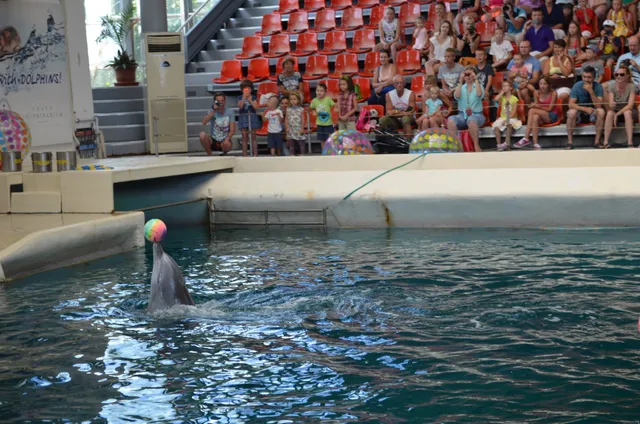
Dolphinarium Varna
Dolphinarium Varna, Primorski Park, Saltanat district, 9000 Varna, Bulgaria
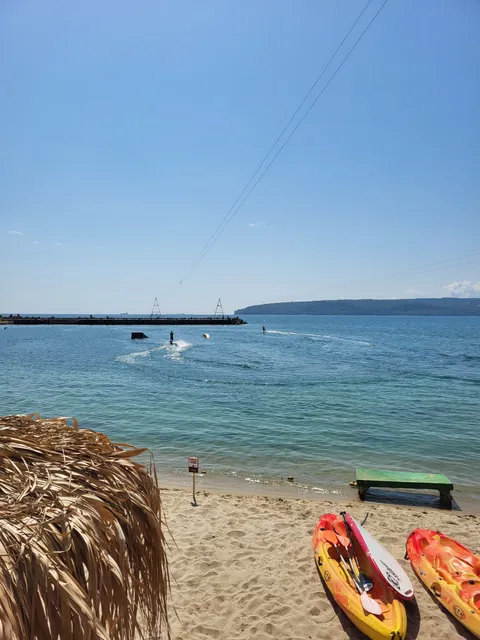
Wake Park Varna
3-та Буна, Saltanat, Крайбрежна алея 3, 9000 Varna, Bulgaria
Nearby restaurants
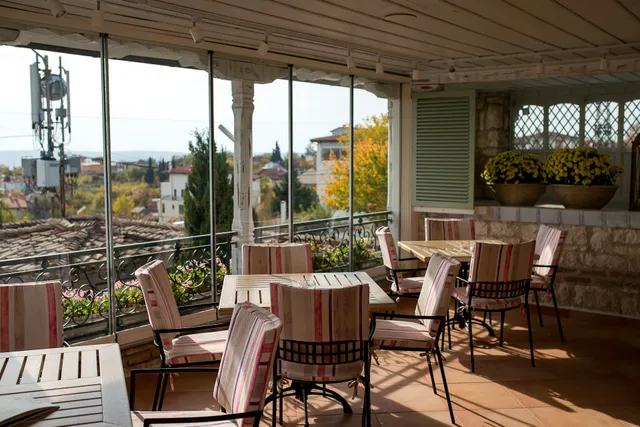
La Pastaria
SaltanatPrimorski, bul. "Knyaz Boris I" 152, 9000 Varna, Bulgaria
BM Olea
AkchelarPrimorski, bul. "8-mi Primorski Polk" 1743, 9010 Varna, Bulgaria
Nearby hotels
AMIRAL Hotel
g.k. ChaykaPrimorski, ж.к. Чайка 190, 9005 Varna, Bulgaria
CLASIC HOTEL
м-ст, SaltanatPrimorski, bul. "Knyaz Boris I" № 122, № 58, 9005 Varna, Bulgaria
Sunray Guest House
g.k. BrizPrimorski, ul. "Sirma voyvoda" 63, 9010 Varna, Bulgaria
Hotel Paralax
g.k. BrizPrimorski, bul. "8-mi Primorski Polk" 180, 9010 Varna, Bulgaria
Seapark Homes Neshkov
SaltanatPrimorski, bul. "Knyaz Boris I" 170, 9010 Varna, Bulgaria
Brilliance
g.k. BrizPrimorski, Knyaz Boris 1st 143, 9000 Varna, Bulgaria
The Moonlight House
g.k. BrizPrimorski, ul. "D-r Kiril Yordanov" 1, 9000 Varna, Bulgaria
Alekta Hotel
м. Свети Никола 28, Парк Март (бивш Пикадили Парк, 9006 Varna, Bulgaria
Dallas Residence Hotel
м-ст, SaltanatPrimorski, ул. Свети Никола 33, 9010 Varna, Bulgaria
Вила "Жана"
St. Nikola Varna 9010, Bulgarien, 9010 Varna, Bulgaria
Related posts
Keywords
Monument of the Bulgarian-Soviet Friendship tourism.Monument of the Bulgarian-Soviet Friendship hotels.Monument of the Bulgarian-Soviet Friendship bed and breakfast. flights to Monument of the Bulgarian-Soviet Friendship.Monument of the Bulgarian-Soviet Friendship attractions.Monument of the Bulgarian-Soviet Friendship restaurants.Monument of the Bulgarian-Soviet Friendship travel.Monument of the Bulgarian-Soviet Friendship travel guide.Monument of the Bulgarian-Soviet Friendship travel blog.Monument of the Bulgarian-Soviet Friendship pictures.Monument of the Bulgarian-Soviet Friendship photos.Monument of the Bulgarian-Soviet Friendship travel tips.Monument of the Bulgarian-Soviet Friendship maps.Monument of the Bulgarian-Soviet Friendship things to do.
Monument of the Bulgarian-Soviet Friendship things to do, attractions, restaurants, events info and trip planning
Monument of the Bulgarian-Soviet Friendship
BulgariaVarnaMonument of the Bulgarian-Soviet Friendship

Basic Info

Monument of the Bulgarian-Soviet Friendship

Primorski, бул. „Васил Левски“ 68, 9010 Varna, Bulgaria
4.3(1.2K)
Open 24 hours
Save
spot

Ratings & Description

Info

Cultural
Accessibility
attractions: Dolphinarium Varna, Wake Park Varna, restaurants: La Pastaria, BM Olea
logoLearn more insights from Wanderboat AI.

Plan your stay

hotel
Pet-friendly Hotels in Varna
Find a cozy hotel nearby and make it a full experience.

hotel
Affordable Hotels in Varna
Find a cozy hotel nearby and make it a full experience.

hotel
The Coolest Hotels You Haven't Heard Of (Yet)
Find a cozy hotel nearby and make it a full experience.

hotel
Trending Stays Worth the Hype in Varna
Find a cozy hotel nearby and make it a full experience.

Reviews

Nearby attractions of Monument of the Bulgarian-Soviet Friendship

Dolphinarium Varna

Wake Park Varna

Dolphinarium Varna

Dolphinarium Varna

4.3

(4.5K)

Open 24 hours
Click for details
Wake Park Varna

Wake Park Varna

4.7

(1.1K)

Open 24 hours
Click for details

Things to do nearby

Candlelight: Четирите сезона на Vivaldi
Sun, Dec 7 • 8:00 PM
Варна Център Одесос, bulevard "Slivnitsa" 2, Varna, 9000
View details

Nearby restaurants of Monument of the Bulgarian-Soviet Friendship

La Pastaria

BM Olea
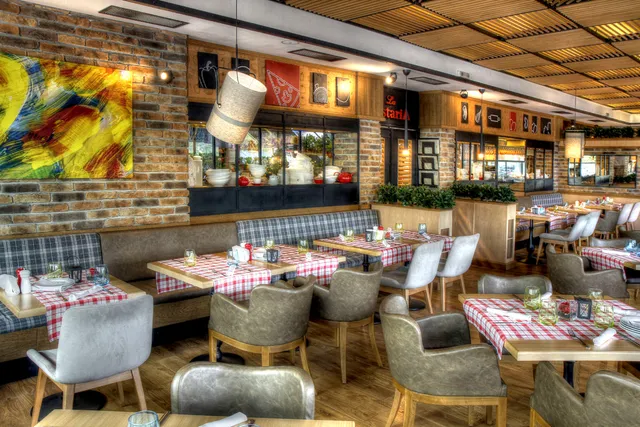
La Pastaria

La Pastaria

4.4

(610)

$$

Open until 10:00 PM
Click for details
BM Olea

BM Olea

4.6

(1.0K)

$$

Click for details
Get the Appoverlay
Get the AppOne tap to find yournext favorite spots!
Wanderboat LogoWanderboat

Your everyday Al companion for getaway ideas

CompanyAbout Us
InformationAI Trip PlannerSitemap
SocialXInstagramTiktokLinkedin
LegalTerms of ServicePrivacy Policy

Get the app

© 2025 Wanderboat. All rights reserved.
logo

Reviews of Monument of the Bulgarian-Soviet Friendship

4.3
(1,224)
avatar
5.0
32w

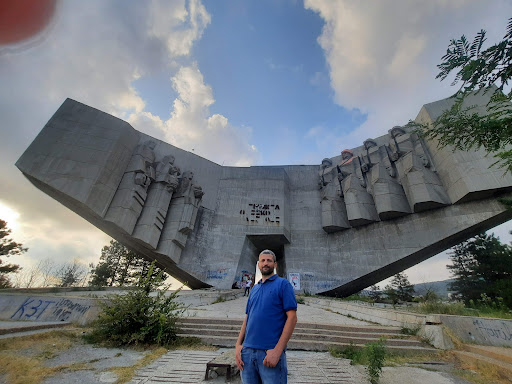
The Monument of the Bulgarian-Soviet Friendship, located on Turna Tepe Hill in Varna, is one of the most striking remnants of Bulgaria’s socialist past. Completed in 1978, this imposing concrete structure was built to commemorate the alliance between Bulgaria and the Soviet Union during and after World War II. Towering over the city and the Black Sea coast, it was once a powerful symbol of political unity and ideological solidarity.

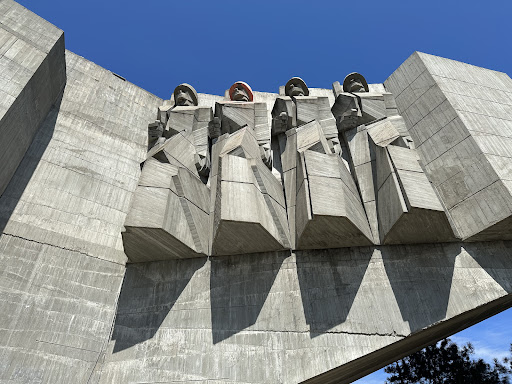
The monument’s design is bold and unmistakable—massive granite figures of Soviet soldiers and Bulgarian partisans rise out of the hillside, facing the sea. Their stoic expressions and dramatic postures evoke strength, determination, and a shared revolutionary spirit. Visitors reach the top by climbing 300 wide steps, once called the “Staircase of Victory,” lined with now-overgrown greenery, adding a haunting beauty to the approach.

Inside the structure, there was once a museum and a fire that symbolically burned eternally, though both have long since been abandoned. Today, the monument stands as a ghostly relic, its concrete walls weathered by time and graffiti, yet still commanding respect and curiosity.

Though no longer maintained as a state monument, it continues to attract tourists, history buffs, and urban explorers. It stirs complex emotions—pride, nostalgia, and contemplation about Bulgaria’s past alliances and shifting ideologies.

The Monument of the Bulgarian-Soviet Friendship is more than a historic structure; it's a piece of living memory, layered with history, meaning, and striking architecture. It remains a must-see for those interested in Bulgaria’s 20th-century history and...

   Read more
avatar
5.0
3y

The idea for the monument was first pitched in 1958, as a memorial to Russia’s support of Bulgaria during the 1828-29 Russo-Turkish War. During that conflict, the Siege of Varna had lasted for two months. After landing on the coast north of the city, Russian forces established their camp on a nearby hill named Turna Tepe, as they battled the Ottoman forces who held the city.

The monument was to be built on the same spot where the Russian forces had been stationed; and which later became a mass grave for all those who fell in the battle. Construction of the monument commenced in late 1974, and 27,000 volunteer workers toiled for four years to create the structure and the 400 square metre platform on which it stands.

More than 10,000 tonnes of concrete, and 1,000 tonnes of armature iron were used to create the monument. A large bronze cube was constructed in front of the structure, burning with an eternal flame fed by pipes hidden in the concrete platform beneath.

A total of 180 floodlights were positioned to illuminate the monument at night, so that it would be visible even by ships far out in the Black Sea. Meanwhile, a public address system set up in the park greeted visitors with Symphony № 7 by the Russian composer Dmitri Shostakovich.

The monument fell into disuse after the political changes of 1989. Today, it is heavily vandalised and has been stripped bare, leaving little more than graffitied...

   Read more
avatar
3.0
5y

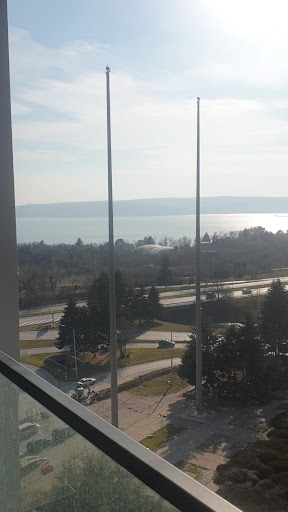
The friendship between the Bulgarians and the Soviets is obviously no longer what it used to be. And this can be easily seen by visiting this monument. To visit it you need to climb a bunch of steps to a high place where there is a concrete colossus. Once there you have a pretty beautiful view over the city.

But what do we have here: there are 4 soldiers on one side. One of them has a pink cap !!! On the other side are three women who offer the soldiers something: one holds a loaf of bread in his hand, the other a flower. And the third you see for yourself what she offers.

Unfortunately, the monument is now abandoned. The steps have deteriorated. There are also some steps that lead to a room under the...

   Read more
Page 1 of 7
Previous
Next

Posts

Rami Aletaywi (‫رامي العطيوي‬‎)Rami Aletaywi (‫رامي العطيوي‬‎)
The idea for the monument was first pitched in 1958, as a memorial to Russia’s support of Bulgaria during the 1828-29 Russo-Turkish War. During that conflict, the Siege of Varna had lasted for two months. After landing on the coast north of the city, Russian forces established their camp on a nearby hill named Turna Tepe, as they battled the Ottoman forces who held the city. The monument was to be built on the same spot where the Russian forces had been stationed; and which later became a mass grave for all those who fell in the battle. Construction of the monument commenced in late 1974, and 27,000 volunteer workers toiled for four years to create the structure and the 400 square metre platform on which it stands. More than 10,000 tonnes of concrete, and 1,000 tonnes of armature iron were used to create the monument. A large bronze cube was constructed in front of the structure, burning with an eternal flame fed by pipes hidden in the concrete platform beneath. A total of 180 floodlights were positioned to illuminate the monument at night, so that it would be visible even by ships far out in the Black Sea. Meanwhile, a public address system set up in the park greeted visitors with Symphony № 7 by the Russian composer Dmitri Shostakovich. The monument fell into disuse after the political changes of 1989. Today, it is heavily vandalised and has been stripped bare, leaving little more than graffitied concrete and rebar.
Spencer HawkenSpencer Hawken
Huge brutalist monument on the top of a hill. Regardless of your political views, the monument is an interesting visit, it’s huge. You used to be able to get inside but due to vandalism it’s been bricked up. The best thing is the view, you can look down over Varna. The worst thing but good for those with an interest in keeping fit are the 200 odd steps from bottom to top. Unfortunately the whole site from steps to the monument itself are having massive subsidence issues and I would question if in ten years time the building and the steps stand in their current form. A little warning even in 12 degree temperatures it’s entirely possible to get sunburned at the top of the steps if you plan to sit about in the sun.
Manuel StranzManuel Stranz
Hotspot für Touristen und Läufer bzw. Sportler! Beste Zeit ist Abends gegen 19:00-20:00 Uhr von Juli bis September um den tollen Ausblick und den Sonnenuntergang zu genießen bzw. festzuhalten! Die 300 Stufen sind flach und angenehm zu bewältigen. Bei allen Rocky Fan‘s weckt dieser Stiegenlauf vermutlich Erinnerungen bzw. Gefühle! :) Aufgrund des verwahrlosten Zustand leider nur 4 ⭐️! Geschichtlicher Background zum Monument: Hunderte von Stufen führen zu dieser kolossalen Betonskulptur, die ursprünglich für sowjetische Soldaten gebaut wurde. Die Idee für das Denkmal wurde erstmals 1958 als Denkmal für Russlands Unterstützung Bulgariens während des russisch-türkischen Krieges von 1828 bis 29 entwickelt. Während dieses Konflikts hatte die Belagerung von Varna zwei Monate gedauert. Nach der Landung an der Küste nördlich der Stadt errichteten die russischen Streitkräfte ihr Lager auf einem nahe gelegenen Hügel namens Turna Tepe, als sie gegen die osmanischen Streitkräfte kämpften, die die Stadt hielten. Das Denkmal sollte an derselben Stelle errichtet werden, an der die russischen Streitkräfte stationiert waren; und später zum Massengrab für alle Gefallenen der Schlacht wurde. Der Bau des Denkmals begann Ende 1974, und 27.000 freiwillige Arbeiter arbeiteten vier Jahre lang, um die Struktur und die 400 Quadratmeter große Plattform, auf der sie steht, zu schaffen. Mehr als 10.000 Tonnen Beton und 1.000 Tonnen Ankereisen wurden für die Errichtung des Denkmals verwendet. Vor der Struktur wurde ein großer Bronzewürfel errichtet, der mit einer ewigen Flamme brannte, die von Rohren gespeist wurde, die in der darunter liegenden Betonplattform verborgen waren. Insgesamt 180 Scheinwerfer wurden positioniert, um das Denkmal nachts so zu beleuchten, dass es auch von Schiffen weit draußen im Schwarzen Meer sichtbar war. Unterdessen begrüßte eine im Park aufgestellte Beschallungsanlage die Besucher mit Symphony ? 7 des russischen Komponisten Dmitri Schostakowitsch. Das Denkmal verfiel nach der politischen Wende von 1989 . Heute ist es stark verwüstet und leer geräumt, so dass kaum mehr als graffitierter Beton und Bewehrungsstahl zurückbleibt.
See more posts
See more posts
hotel
Find your stay

Pet-friendly Hotels in Varna

Find a cozy hotel nearby and make it a full experience.

The idea for the monument was first pitched in 1958, as a memorial to Russia’s support of Bulgaria during the 1828-29 Russo-Turkish War. During that conflict, the Siege of Varna had lasted for two months. After landing on the coast north of the city, Russian forces established their camp on a nearby hill named Turna Tepe, as they battled the Ottoman forces who held the city. The monument was to be built on the same spot where the Russian forces had been stationed; and which later became a mass grave for all those who fell in the battle. Construction of the monument commenced in late 1974, and 27,000 volunteer workers toiled for four years to create the structure and the 400 square metre platform on which it stands. More than 10,000 tonnes of concrete, and 1,000 tonnes of armature iron were used to create the monument. A large bronze cube was constructed in front of the structure, burning with an eternal flame fed by pipes hidden in the concrete platform beneath. A total of 180 floodlights were positioned to illuminate the monument at night, so that it would be visible even by ships far out in the Black Sea. Meanwhile, a public address system set up in the park greeted visitors with Symphony № 7 by the Russian composer Dmitri Shostakovich. The monument fell into disuse after the political changes of 1989. Today, it is heavily vandalised and has been stripped bare, leaving little more than graffitied concrete and rebar.
Rami Aletaywi (‫رامي العطيوي‬‎)

Rami Aletaywi (‫رامي العطيوي‬‎)

hotel
Find your stay

Affordable Hotels in Varna

Find a cozy hotel nearby and make it a full experience.

Get the Appoverlay
Get the AppOne tap to find yournext favorite spots!
Huge brutalist monument on the top of a hill. Regardless of your political views, the monument is an interesting visit, it’s huge. You used to be able to get inside but due to vandalism it’s been bricked up. The best thing is the view, you can look down over Varna. The worst thing but good for those with an interest in keeping fit are the 200 odd steps from bottom to top. Unfortunately the whole site from steps to the monument itself are having massive subsidence issues and I would question if in ten years time the building and the steps stand in their current form. A little warning even in 12 degree temperatures it’s entirely possible to get sunburned at the top of the steps if you plan to sit about in the sun.
Spencer Hawken

Spencer Hawken

hotel
Find your stay

The Coolest Hotels You Haven't Heard Of (Yet)

Find a cozy hotel nearby and make it a full experience.

hotel
Find your stay

Trending Stays Worth the Hype in Varna

Find a cozy hotel nearby and make it a full experience.

Hotspot für Touristen und Läufer bzw. Sportler! Beste Zeit ist Abends gegen 19:00-20:00 Uhr von Juli bis September um den tollen Ausblick und den Sonnenuntergang zu genießen bzw. festzuhalten! Die 300 Stufen sind flach und angenehm zu bewältigen. Bei allen Rocky Fan‘s weckt dieser Stiegenlauf vermutlich Erinnerungen bzw. Gefühle! :) Aufgrund des verwahrlosten Zustand leider nur 4 ⭐️! Geschichtlicher Background zum Monument: Hunderte von Stufen führen zu dieser kolossalen Betonskulptur, die ursprünglich für sowjetische Soldaten gebaut wurde. Die Idee für das Denkmal wurde erstmals 1958 als Denkmal für Russlands Unterstützung Bulgariens während des russisch-türkischen Krieges von 1828 bis 29 entwickelt. Während dieses Konflikts hatte die Belagerung von Varna zwei Monate gedauert. Nach der Landung an der Küste nördlich der Stadt errichteten die russischen Streitkräfte ihr Lager auf einem nahe gelegenen Hügel namens Turna Tepe, als sie gegen die osmanischen Streitkräfte kämpften, die die Stadt hielten. Das Denkmal sollte an derselben Stelle errichtet werden, an der die russischen Streitkräfte stationiert waren; und später zum Massengrab für alle Gefallenen der Schlacht wurde. Der Bau des Denkmals begann Ende 1974, und 27.000 freiwillige Arbeiter arbeiteten vier Jahre lang, um die Struktur und die 400 Quadratmeter große Plattform, auf der sie steht, zu schaffen. Mehr als 10.000 Tonnen Beton und 1.000 Tonnen Ankereisen wurden für die Errichtung des Denkmals verwendet. Vor der Struktur wurde ein großer Bronzewürfel errichtet, der mit einer ewigen Flamme brannte, die von Rohren gespeist wurde, die in der darunter liegenden Betonplattform verborgen waren. Insgesamt 180 Scheinwerfer wurden positioniert, um das Denkmal nachts so zu beleuchten, dass es auch von Schiffen weit draußen im Schwarzen Meer sichtbar war. Unterdessen begrüßte eine im Park aufgestellte Beschallungsanlage die Besucher mit Symphony ? 7 des russischen Komponisten Dmitri Schostakowitsch. Das Denkmal verfiel nach der politischen Wende von 1989 . Heute ist es stark verwüstet und leer geräumt, so dass kaum mehr als graffitierter Beton und Bewehrungsstahl zurückbleibt.
Manuel Stranz

Manuel Stranz

See more posts
See more posts