Courtenay & District Museum things to do, attractions, restaurants, events info and trip planning
Basic Info
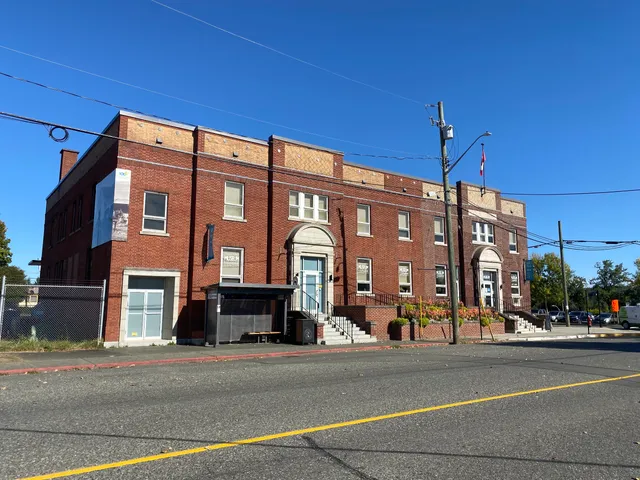
Courtenay & District Museum
207 4th St, Courtenay, BC V9N 1G7, Canada
4.6(167)
Closed
Save
spot
spot
Ratings & Description
Info
Cultural
Family friendly
Accessibility
attractions: Sid Williams Theatre, Comox Valley Art Gallery, Lewis Park, Potter's Place, The Alberni Project - HMCS Alberni Museum and Memorial, Simms Park, Condensory Trails, Artful : The Gallery, The Regier Theatre, restaurants: Gladstone Brewing Co., Off Main, Early Bird Cafe, High Tide Public House, Atlas Cafe, Mudsharks Coffee Bar, Cakebread Artisan Bakery & Hot Chocolates, Mandarin Village Restaurant, Sushi Jo Courtenay Japanese Restaurant (Courtenay), Habibis Middle Eastern Cuisine, local businesses: Foveō Running, Isla Consignment, Comox Valley Farmers' Market (Saturday), Butcher's Block, Florence Filberg Centre, Native Sons Hall, Blue Spruce Ice Cream, House of Color, Royal Canadian Legion Branch 17, Cakebread Artisan Bakery & Hot Chocolates
 Learn more insights from Wanderboat AI.
Phone
+1 250-334-0686
Website
courtenaymuseum.ca
Open hoursSee all hours
Fri10 AM - 4 PMClosed
Plan your stay

Pet-friendly Hotels in Courtenay
Find a cozy hotel nearby and make it a full experience.

Affordable Hotels in Courtenay
Find a cozy hotel nearby and make it a full experience.

The Coolest Hotels You Haven't Heard Of (Yet)
Find a cozy hotel nearby and make it a full experience.

Trending Stays Worth the Hype in Courtenay
Find a cozy hotel nearby and make it a full experience.
Reviews
Live events

Choral Musaic 2026
Sat, Feb 28 • 7:00 PM
St. George's United Church, 519 6th St, Courtenay, BC V9N, Canada
View details

A Choral Musaic--2026
Sat, Feb 28 • 7:00 PM
505 6th St, Courtenay, BC, Canada, British Columbia V9N 1M5
View details

Coldest Night of the Year with CVTS & D2D
Sat, Feb 28 • 4:00 PM
Native Sons Hall, Valdance Ballroom Latin & Swing School, 360 Cliffe Ave, Courtenay, BC V9N 2H9, Canada
View details
Nearby attractions of Courtenay & District Museum
Sid Williams Theatre
Comox Valley Art Gallery
Lewis Park
Potter's Place
The Alberni Project - HMCS Alberni Museum and Memorial
Simms Park
Condensory Trails
Artful : The Gallery
The Regier Theatre
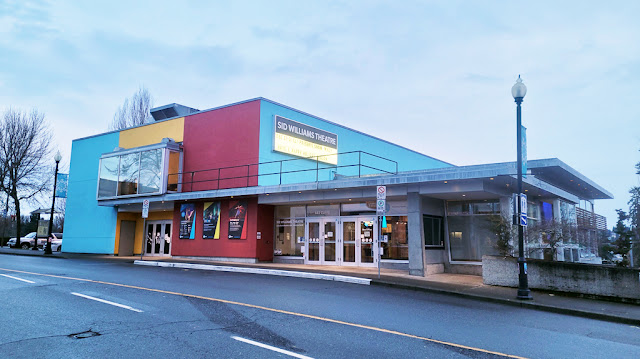
Sid Williams Theatre
4.6
(198)
Open 24 hours
Click for details
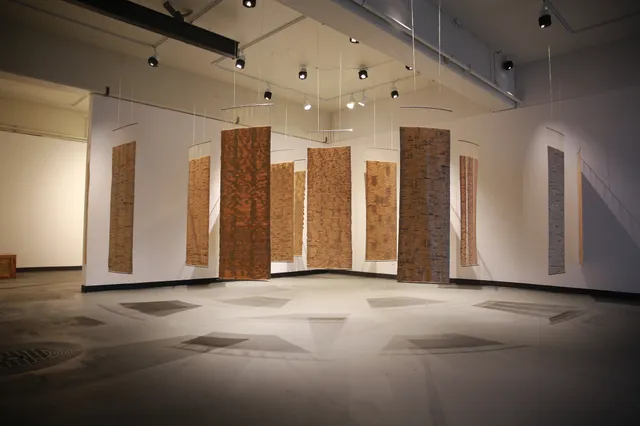
Comox Valley Art Gallery
4.7
(28)
Closed
Click for details
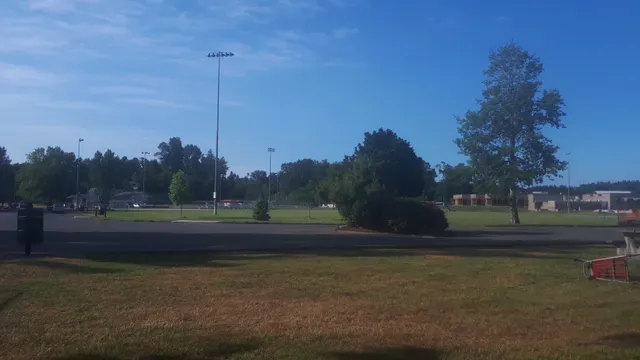
Lewis Park
4.4
(273)
Closed
Click for details

Potter's Place
4.6
(14)
Closed
Click for details
Nearby restaurants of Courtenay & District Museum
Gladstone Brewing Co.
Off Main
Early Bird Cafe
High Tide Public House
Atlas Cafe
Mudsharks Coffee Bar
Cakebread Artisan Bakery & Hot Chocolates
Mandarin Village Restaurant
Sushi Jo Courtenay Japanese Restaurant (Courtenay)
Habibis Middle Eastern Cuisine
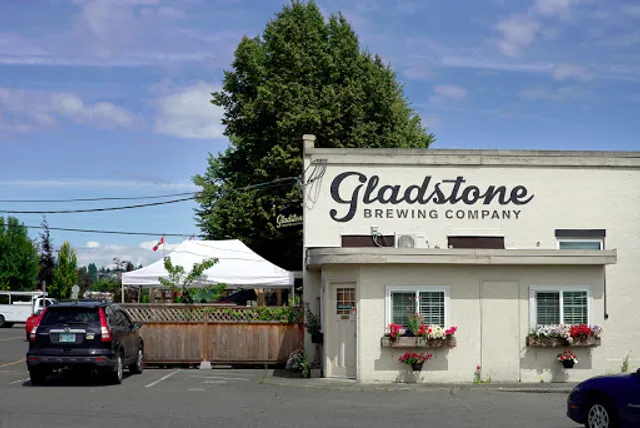
Gladstone Brewing Co.
4.6
(478)
Open until 12:00 AM
Click for details
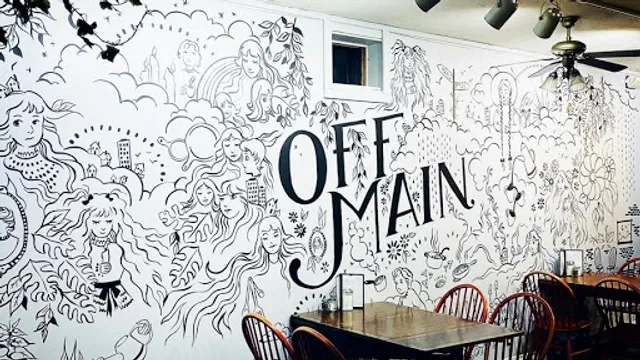
Off Main
4.6
(287)
Open until 12:00 AM
Click for details
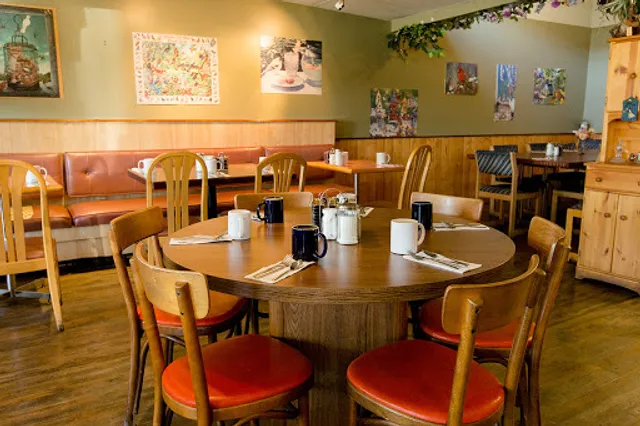
Early Bird Cafe
4.5
(251)
Closed
Click for details
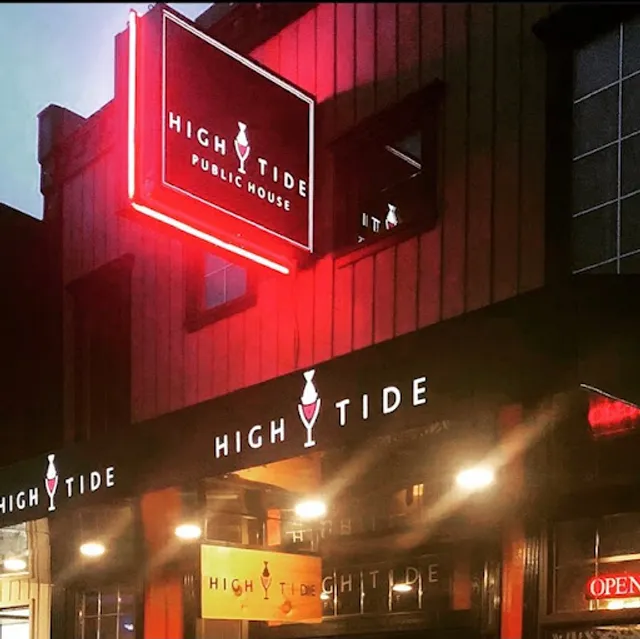
High Tide Public House
4.1
(224)
Closed
Click for details
Nearby local services of Courtenay & District Museum
Foveō Running
Isla Consignment
Comox Valley Farmers' Market (Saturday)
Butcher's Block
Florence Filberg Centre
Native Sons Hall
Blue Spruce Ice Cream
House of Color
Royal Canadian Legion Branch 17
Cakebread Artisan Bakery & Hot Chocolates

Foveō Running
5.0
(103)
Click for details

Isla Consignment
5.0
(100)
Click for details
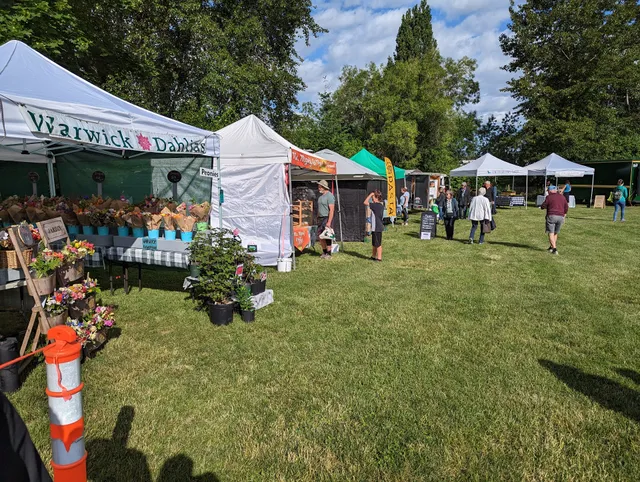
Comox Valley Farmers' Market (Saturday)
4.7
(90)
Click for details

Butcher's Block
4.9
(156)
Click for details