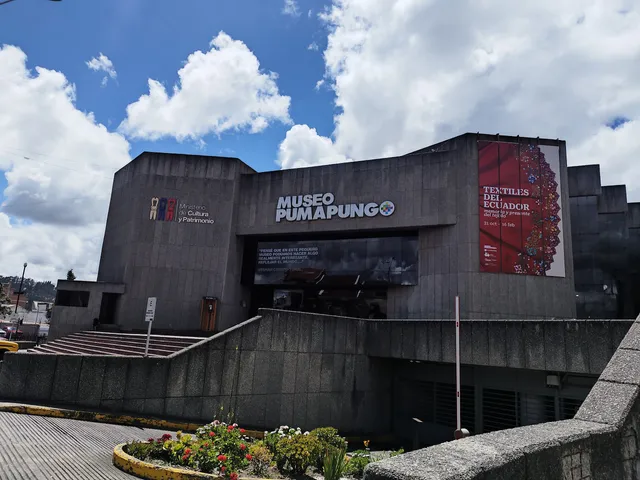
We were greeted warmly and encouraged to sign in by sharing demographic information through an easy-to-follow kiosk. The museum is clearly interested in knowing which countries visitors represent and whether they belong to minority populations like LGBTQ. A thoughtful touch.
Oddly, though, they didn’t seem equally interested in receiving feedback from visitors. I would’ve happily taken time at a kiosk to share everything I appreciated—and there’s quite a lot to like—along with suggestions for improving the visitor experience.
The museum features both permanent collections and temporary exhibitions. Among the permanent exhibits are:
Sala Nacional de Etnografía Sala de Arqueología: Pumapunku, Mundos de la Memoria
Current temporary exhibits included:
Ritualidades y Espiritualidades Textiles del Ecuador Hacienda Azuaya y Crianza
The ethnography room made a point of stating that curators consulted with Indigenous communities to ensure respectful, culturally accurate presentations. However, I didn’t see much that distinguished it from typical ethnographic displays elsewhere. Two things in particular stood out as problematic:
Most artifacts lacked specific labeling. Instead of detailed descriptions, we were given vague summaries.
The human models—particularly those representing African-Ecuadorians and Indigenous people—were jarringly unnatural and grotesque. It felt like a missed opportunity to offer dignity through thoughtful representation.
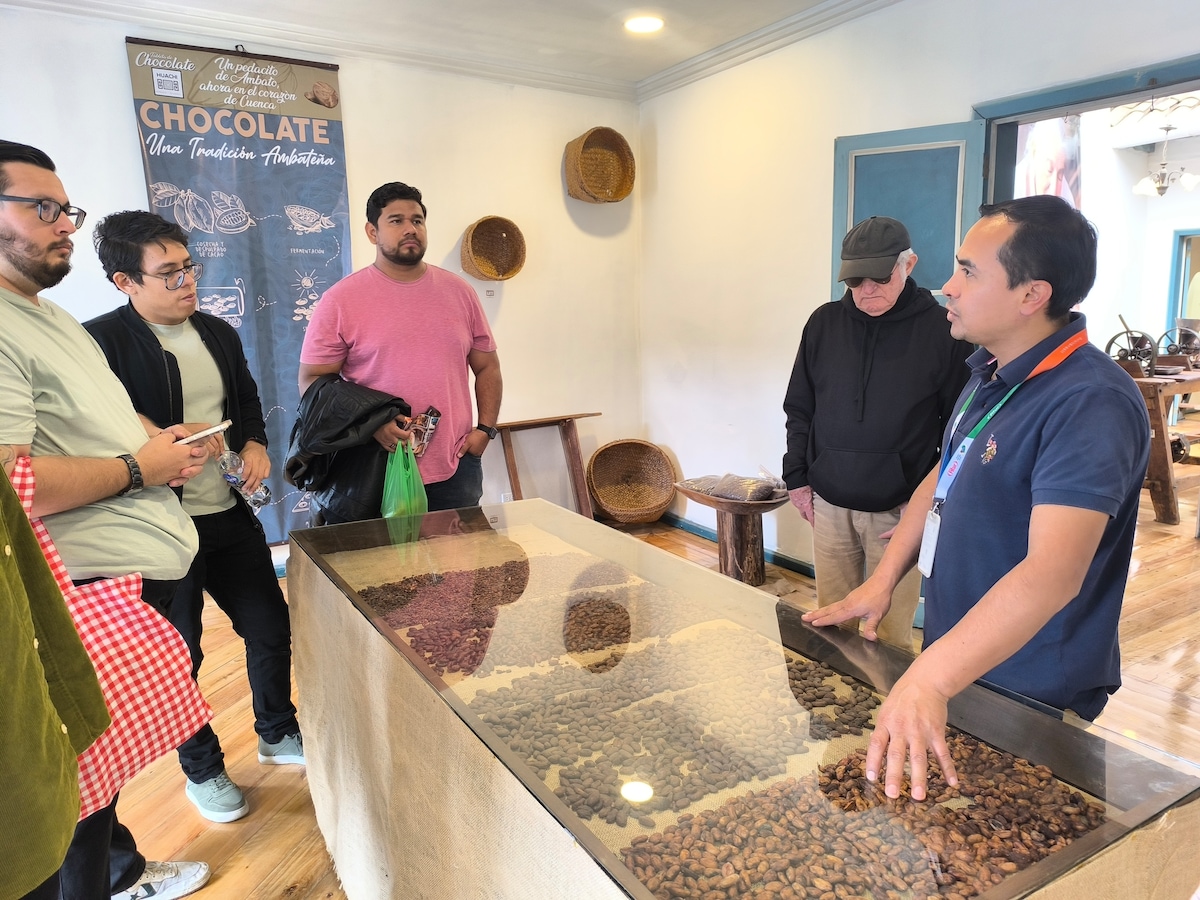
One of the strongest parts of the museum was the exhibit on the history of Cuenca and its surrounding regions, tracing human habitation back to 9000 BCE. The timeline was well done—clear and detailed—and included bold claims I hadn’t encountered before. For example, it suggested that maize was first hybridized in the Ecuadorian Andes around 9000 BCE. I’d always understood the origins of corn to be in what is now Mexico, so this caught my attention. Similarly strong claims were made about chocolate. The museum seems to be involved in original research, but it was difficult to tell what was well-substantiated and what was speculative.
Another fascinating, if unsettling, area featured a collection of nearly 10 shrunken heads. The explanatory panels made an effort to place these artifacts in their cultural and spiritual context—ritual practices tied to restoring balance in a community. The final text noted that the practice is now banned in Ecuador. While many visitors were fascinated by the detailed preservation of the heads, I found it deeply unsettling. Several people wondered aloud, “How did they shrink the heads?” If you’re curious about that, you’ll need to ask Google or ChatGPT.
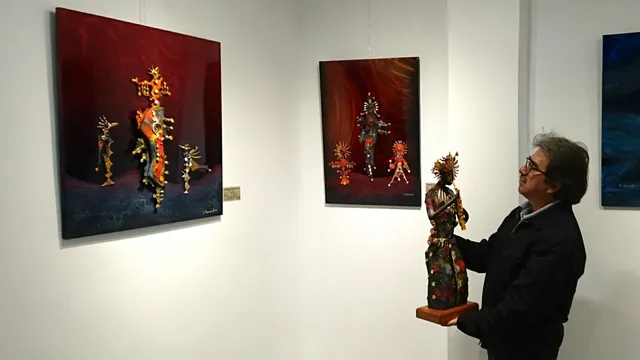
By contrast, the temporary exhibits were excellent—well-curated, rich in detail, and socially relevant. Displays addressed issues like legal and illegal adoption, gender-based violence, and addiction. These exhibitions did more than inform; they invited reflection and response.
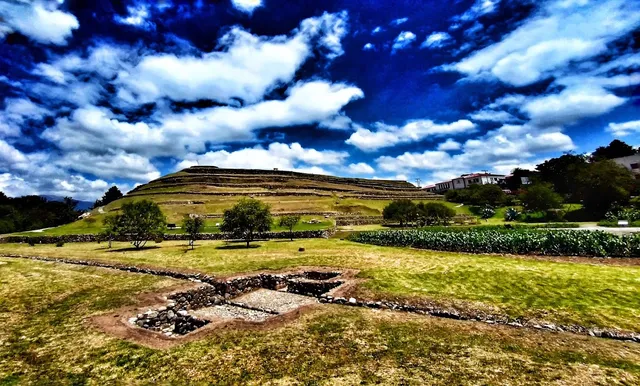
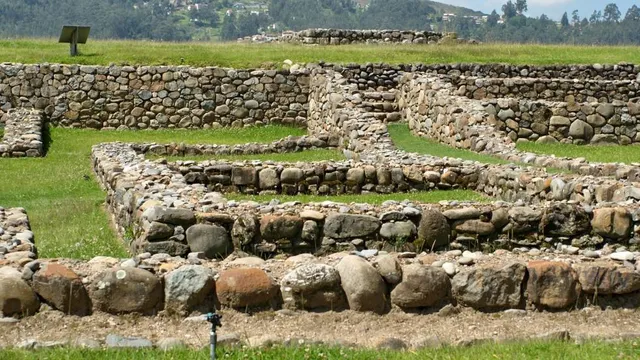
And then there are the outdoor spaces. Stunning. A breath of fresh air—literally and figuratively. You’ll find beautifully kept gardens, paths that weave past archaeological remains, and views of Inca terraces towering above the landscape. There’s also a remarkable collection of live birds, many of them rescues. Parrots, raptors, and other native species are housed in spacious, thoughtful enclosures, offering an intimate and often moving experience of Ecuador’s biodiversity. These grounds alone are worth the visit.
In short: Museo Pumapungo is a fascinating mix of the excellent and the uneven. With more detailed labeling, improved representations in the ethnography section, and ways for visitors to share feedback, it could become a truly world-class museum. Still, I’m very...
Read moreUPDATE: Three years after first visiting Pumapungo, one week after visiting the ruins at Ingapirca, I returned to Pumapungo. The site is bigger and better than I had remembered, more developed with respect to the avians, and without question far superior to Ingapirca. If you are in the market for ruinas y más, enjoy Pumapungo free and at your leisure. Only go to Ingapirca if you are in the market for a really long bus ride to and from a tourist trap which takes your money and expressly FORBIDS you from enjoying the ruins at your leisure. God dang you, Ingapirca people; God bless you, Pumapungo peeps.
ORIGINAL: The indoor museum is pretty small but pretty cool. There is an excellent mural on the wall, a variety of ancient artifacts displayed on the other walls, and a super cute exhibit of the region's history told through miniatures or diorama type setups replete with terrain, structures, and little figurines going about daily life in different historical periods. As a budding miniaturist architect myself (take me down to Tiny Town), I sure enjoyed this playful little representations of the past. But the best part of the museum is the outdoor area. There are ancient ruins, llamas you can walk right up to, big birds (sadly) trapped in small cages, beautiful garden areas, little sitting places, a little pond with some ducks in it, good views of the city. It's a really lovely place to spend a couple hours. There's no entrance fee, either, so there's no reason not to go to Pumapungo!...
Read moreAlthough a bit out of the way, Pumapungo should be high on your list of things to do in Cuenca.
Entry is free - just sign in at the entrance. This is one of the most extensive historical/cultural museums in Cuenca. Make sure you explore the different floors, which include exhibits on art, money, culture and clothing of the indigenous tribes, and even shrunken heads. Although you may not need to spend a ton of time there, the museum is definitely worth a walk through.
But that's not all. Between the museum and the orchestra building, you can pass to the back side of Pumapungo to visit the hillside Cañari ruins and park.
This was apparently a sacred site for this powerful tribe. Although no full structures have been preserved, you can see the outline of their buildings and terraced agriculture, an underground cave, and water system.
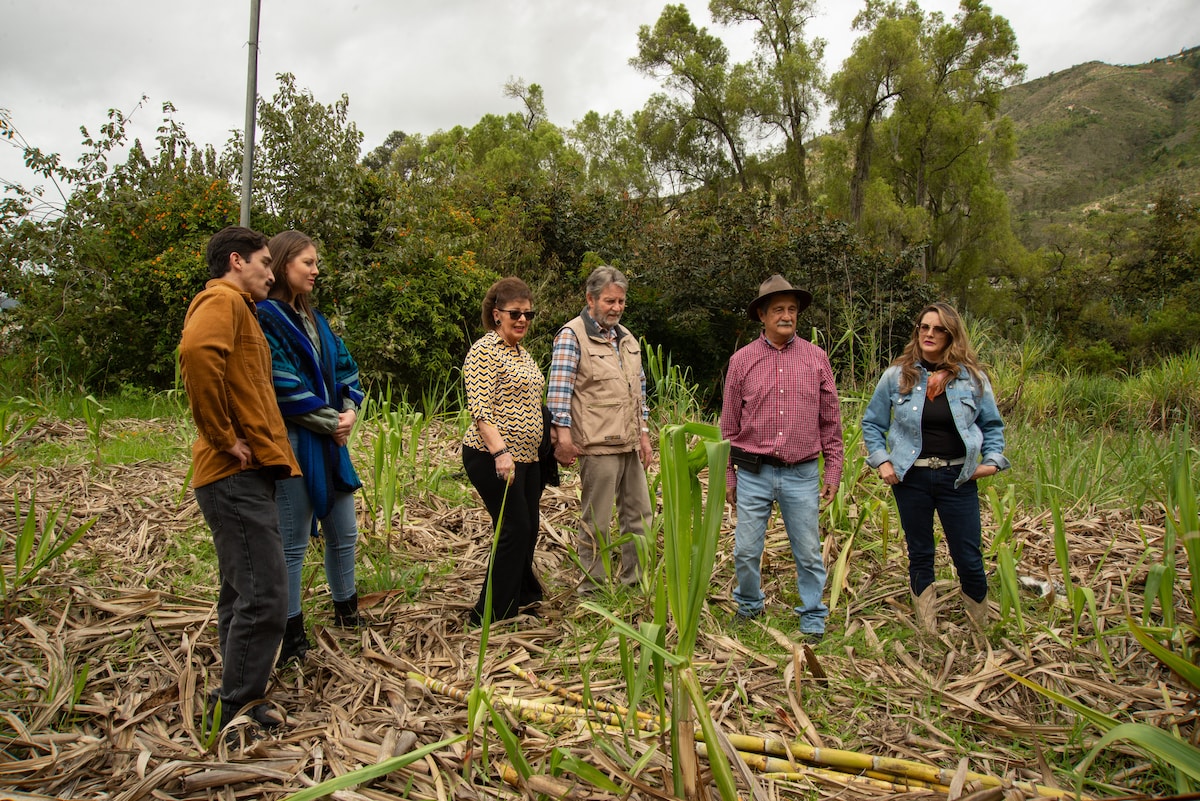
As you continue down the hill, you'll find a large display garden of the many local crops and native plants. There is also a small outdoor aviary with stunning birds from the region as well as a few llamas on the hillside. (The lower gate to the riverwalk is no longer open so you will need to hike a short hill to enter and exit.)
For more recommendations on what to do in and around Cuenca, find our blog posts by searching: "Intentional...
Read more