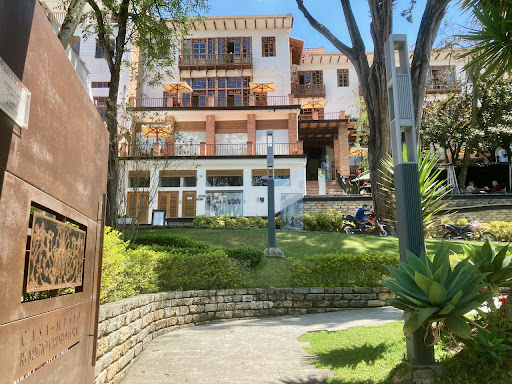
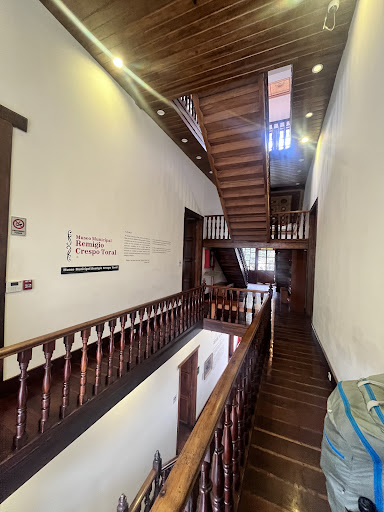
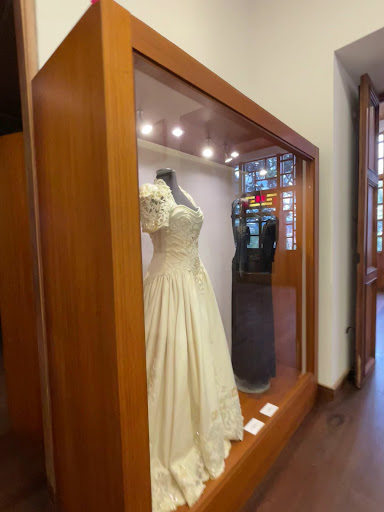
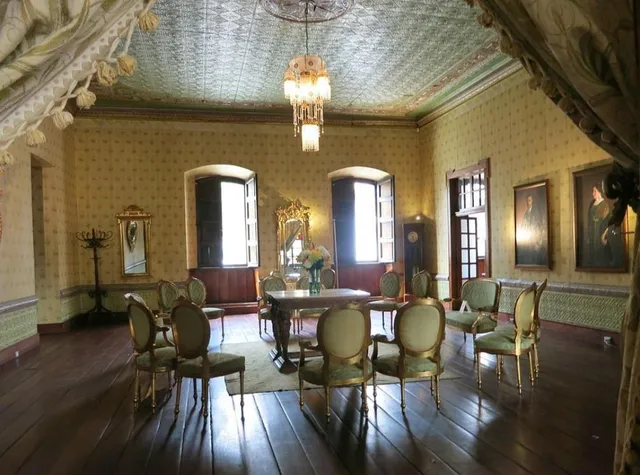
MUSEO MUNICIPAL REMIGIO CRESPO TORAL things to do, attractions, restaurants, events info and trip planning
Basic Info
MUSEO MUNICIPAL REMIGIO CRESPO TORAL
Calle Larga 7-07, Cuenca, Ecuador
4.7(269)
Closed
Save
spot
spot
Ratings & Description
Info
Cultural
Scenic
Relaxation
Family friendly
Accessibility
attractions: Museum of Aboriginal Cultures, Puente Roto, Calderon Park, Museo de las Madres Conceptas, Museo Del Sombrero De Paja Toquilla, Church of Todos Santos, Catedral de la Inmaculada Concepción, Las Conceptas, Planetario Municipal "Ciudad de Cuenca", Old Cathedral of Cuenca, restaurants: Inca Bar and Lounge, Chifa Jiang Men, Kung Fu Wok, Tiesto's Cafe Restaurant, Delicias Chinas, Lamian Chinese Food Restaurant, Chocolateria Dos Chorreras, Café Del Parque, Brother's Wings, Café Del Parque, local businesses: Madre Park, Aya Uma Cervecería Artesanal, Plaza San Francisco Cuenca Ecuador, Centro de comercializacion Artesanal, Centro Municipal Artesanal Arts & Crafts, Mercado Artesanal, Iglesia del Carmen de la Asunción, CHIFA ASIA, Portal Artesanal, Puente de El Vado
 Learn more insights from Wanderboat AI.
Website
cultura.cuenca.gob.ec
Open hoursSee all hours
Fri9 AM - 4:45 PMClosed
Plan your stay

Pet-friendly Hotels in Cuenca
Find a cozy hotel nearby and make it a full experience.

Affordable Hotels in Cuenca
Find a cozy hotel nearby and make it a full experience.

The Coolest Hotels You Haven't Heard Of (Yet)
Find a cozy hotel nearby and make it a full experience.

Trending Stays Worth the Hype in Cuenca
Find a cozy hotel nearby and make it a full experience.
Reviews
Live events
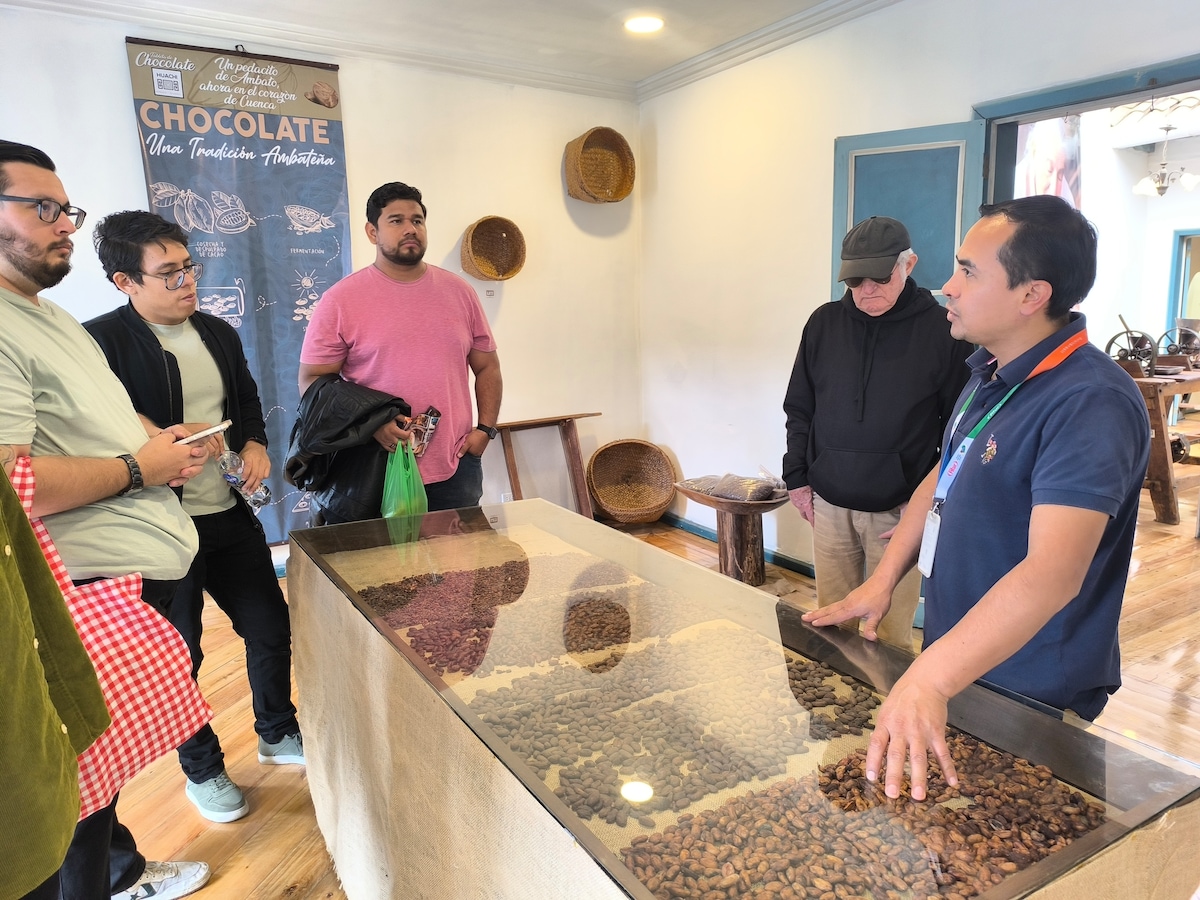
Chocolate Tour - Hands-on Workshop
Sat, Feb 28 • 10:00 AM
Cuenca, Azuay, 010101, Ecuador
View details
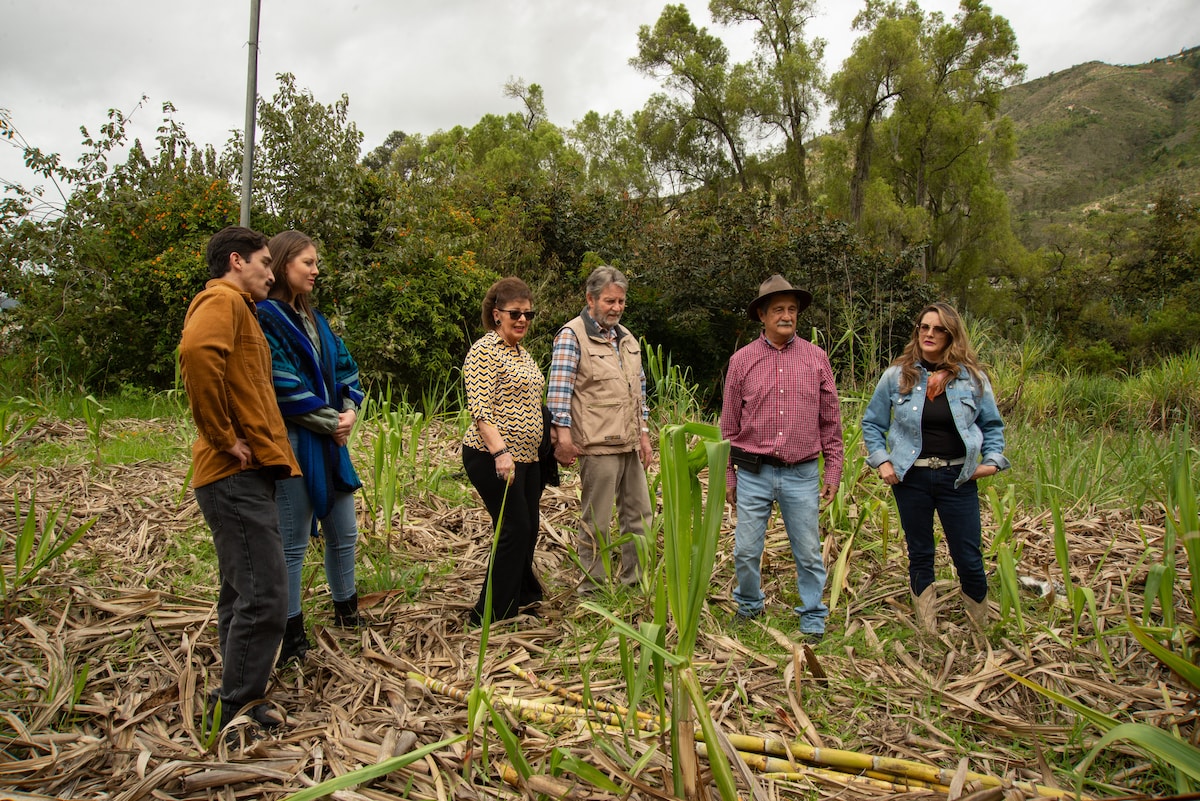
Learn to distill in Paute
Fri, Feb 27 • 4:00 PM
Paute, Azuay, 010606, Ecuador
View details
Nearby attractions of MUSEO MUNICIPAL REMIGIO CRESPO TORAL
Museum of Aboriginal Cultures
Puente Roto
Calderon Park
Museo de las Madres Conceptas
Museo Del Sombrero De Paja Toquilla
Church of Todos Santos
Catedral de la Inmaculada Concepción
Las Conceptas
Planetario Municipal "Ciudad de Cuenca"
Old Cathedral of Cuenca
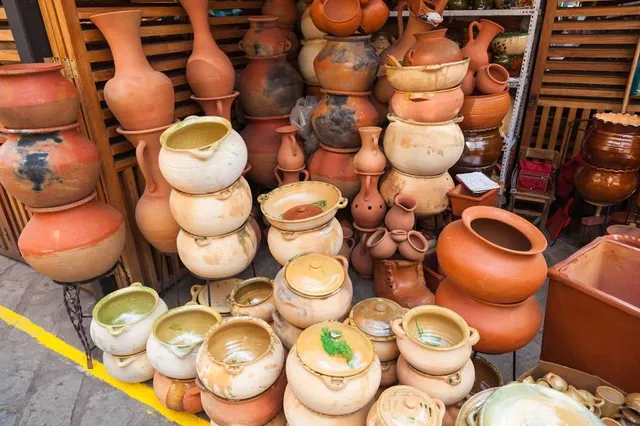
Museum of Aboriginal Cultures
4.5
(240)
Closed
Click for details
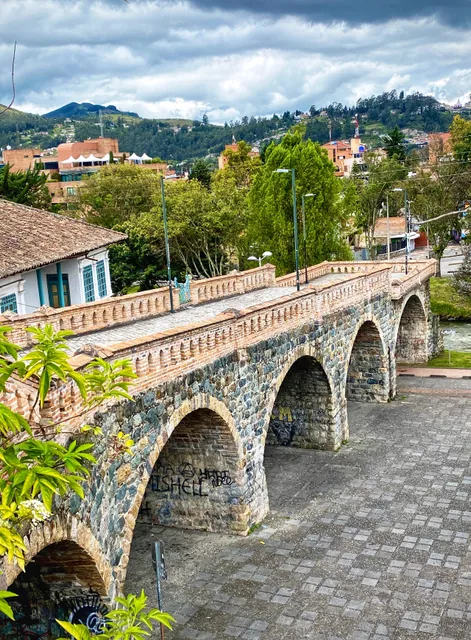
Puente Roto
4.6
(1.8K)
Open until 12:00 AM
Click for details
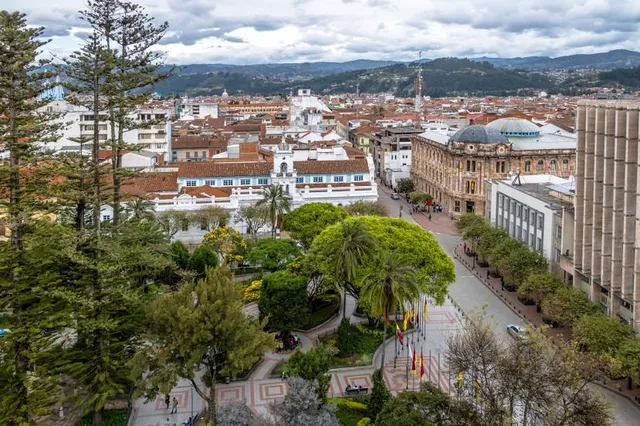
Calderon Park
4.8
(8K)
Open until 12:00 AM
Click for details
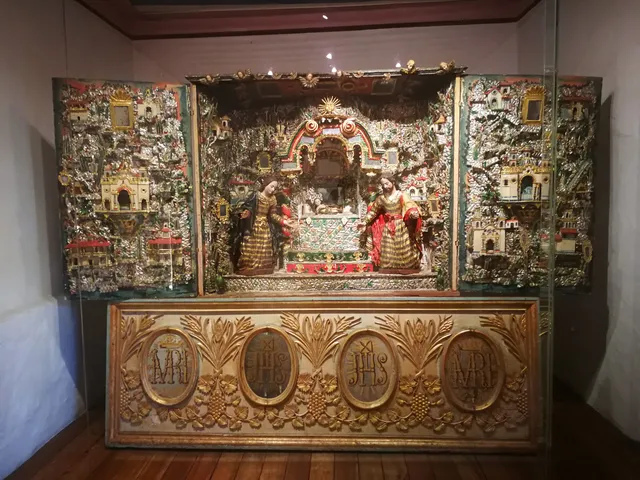
Museo de las Madres Conceptas
4.4
(165)
Closed
Click for details
Nearby restaurants of MUSEO MUNICIPAL REMIGIO CRESPO TORAL
Inca Bar and Lounge
Chifa Jiang Men
Kung Fu Wok
Tiesto's Cafe Restaurant
Delicias Chinas
Lamian Chinese Food Restaurant
Chocolateria Dos Chorreras
Café Del Parque
Brother's Wings
Café Del Parque
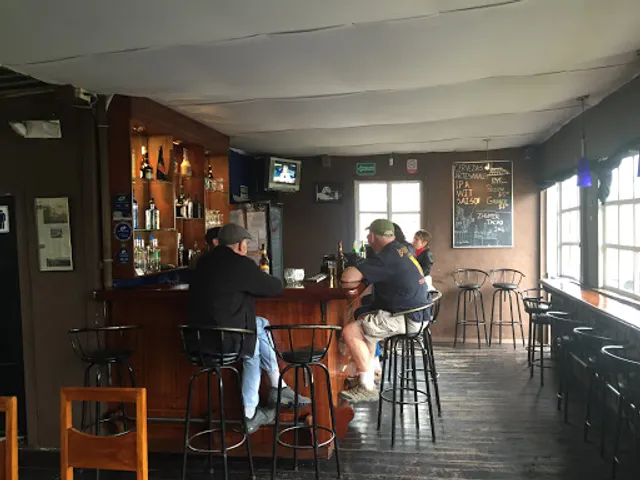
Inca Bar and Lounge
4.4
(122)
$
Open until 8:00 PM
Click for details
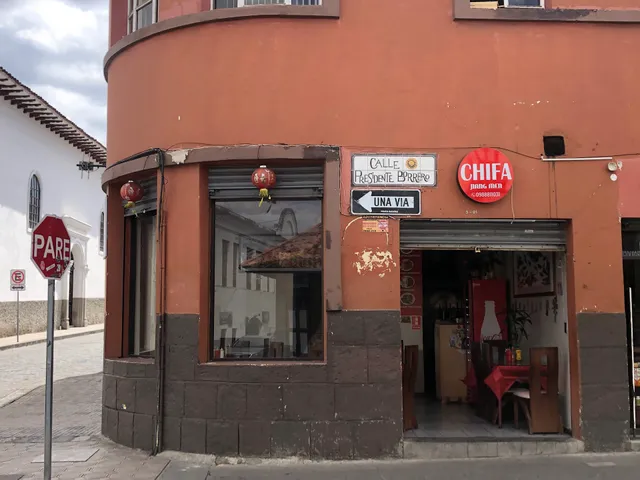
Chifa Jiang Men
4.4
(68)
$
Open until 10:30 PM
Click for details
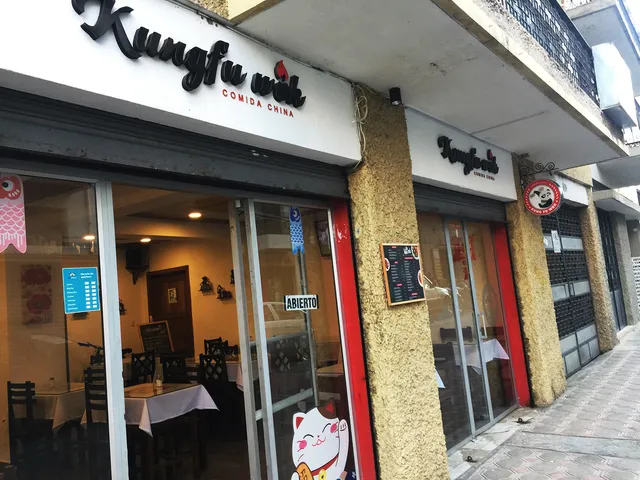
Kung Fu Wok
4.2
(106)
$
Closed
Click for details
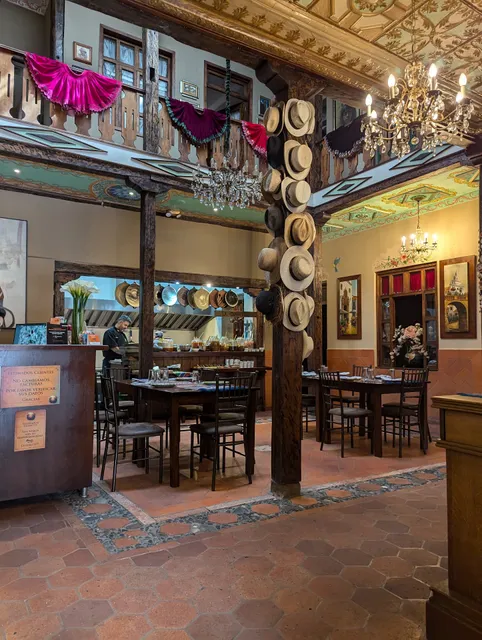
Tiesto's Cafe Restaurant
4.7
(968)
$$$
Closed
Click for details
Nearby local services of MUSEO MUNICIPAL REMIGIO CRESPO TORAL
Madre Park
Aya Uma Cervecería Artesanal
Plaza San Francisco Cuenca Ecuador
Centro de comercializacion Artesanal
Centro Municipal Artesanal Arts & Crafts
Mercado Artesanal
Iglesia del Carmen de la Asunción
CHIFA ASIA
Portal Artesanal
Puente de El Vado
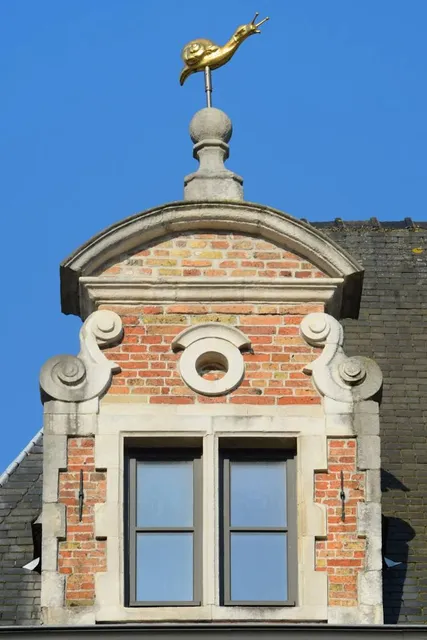
Madre Park
4.6
(3.1K)
Click for details
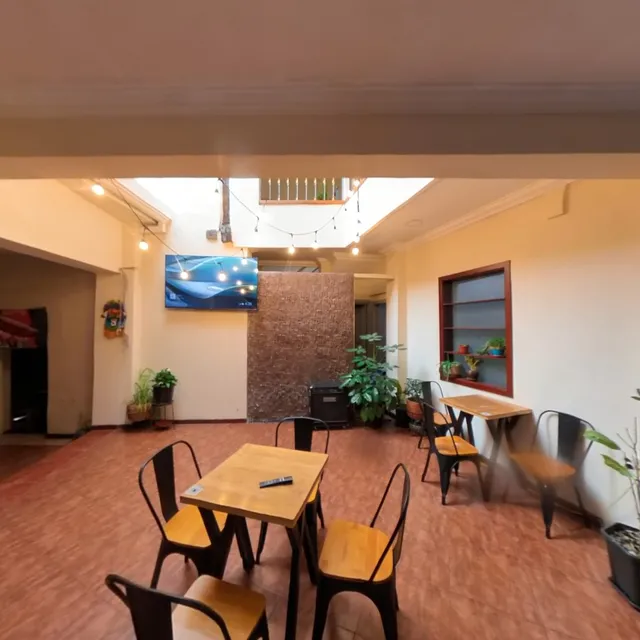
Aya Uma Cervecería Artesanal
4.7
(60)
Click for details
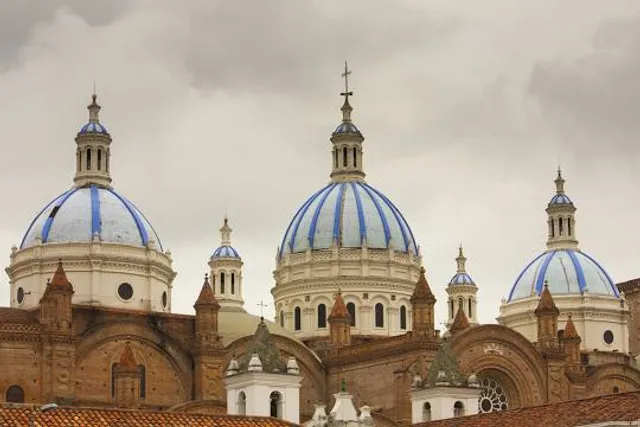
Plaza San Francisco Cuenca Ecuador
4.3
(1.1K)
Click for details
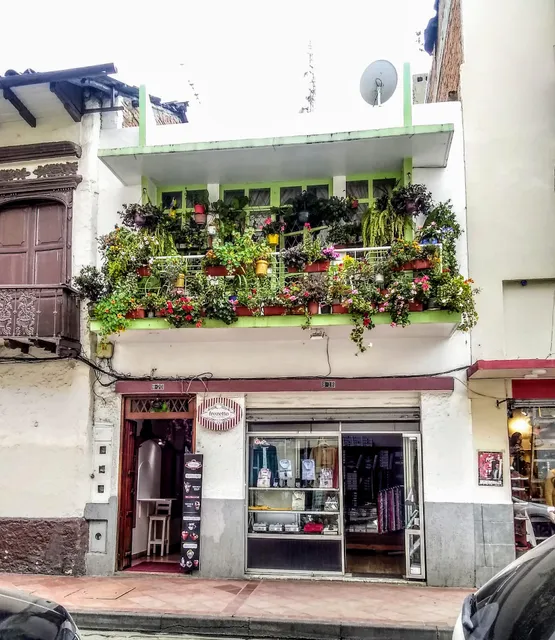
Centro de comercializacion Artesanal
4.3
(104)
Click for details